Mercury has raised $200M at a $5.2B valuation, a 49% step-up in 14 months, as it pursues a national bank charter and positions itself as the financial infrastructure layer for the AI startup surge.
The San Francisco fintech serves one in three early-stage US startups, hit $650M in annualised revenue in Q3 2025, and has been profitable on both GAAP and EBITDA bases for four consecutive years.
Capital One completed its $5.15B acquisition of Brex in April 2026, removing Mercury’s closest historical rival as an independent company and leaving the startup banking lane significantly less crowded.
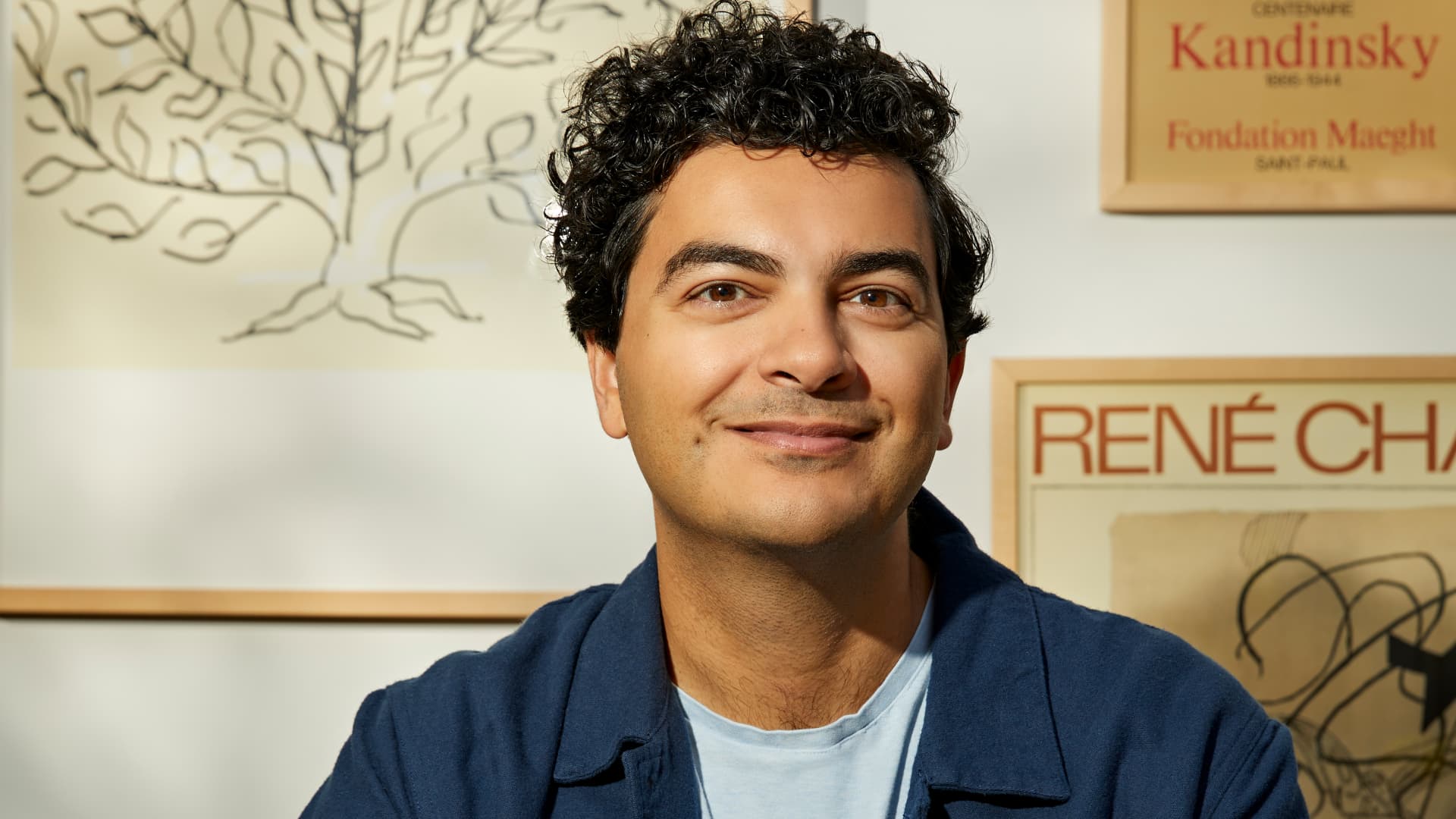
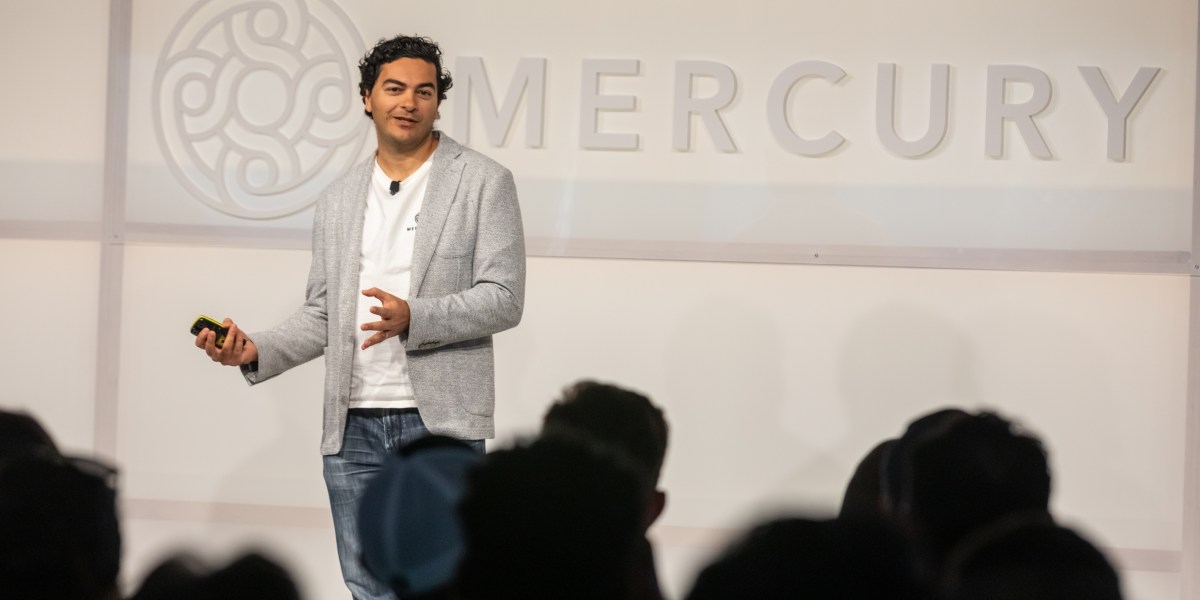
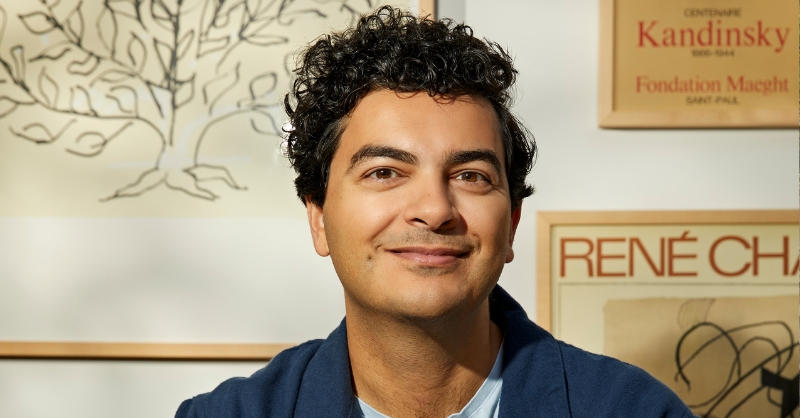
A Pakistani kid who moved to London at nine, studied computer science at Cambridge, arrived in San Francisco on a Y Combinator visa, and spent years watching banks treat his startup customers like an afterthought, Immad Akhund had opened business accounts in three countries before he founded Mercury. He knew exactly what was broken. He built for the person he used to be.
That outsider perspective shaped Mercury’s product from day one. Akhund knew what founders, especially immigrant founders building their first US company, actually needed from a bank: speed, transparency, no minimum balances, no branch visits, no relationship managers who did not return calls. He did not discover this through user research. He lived it. When he sold Heyzap, his mobile developer tools company, to Fyber for $45 million in 2016 and started thinking about what to build next, the answer was the thing that had frustrated him across every company he had ever run.