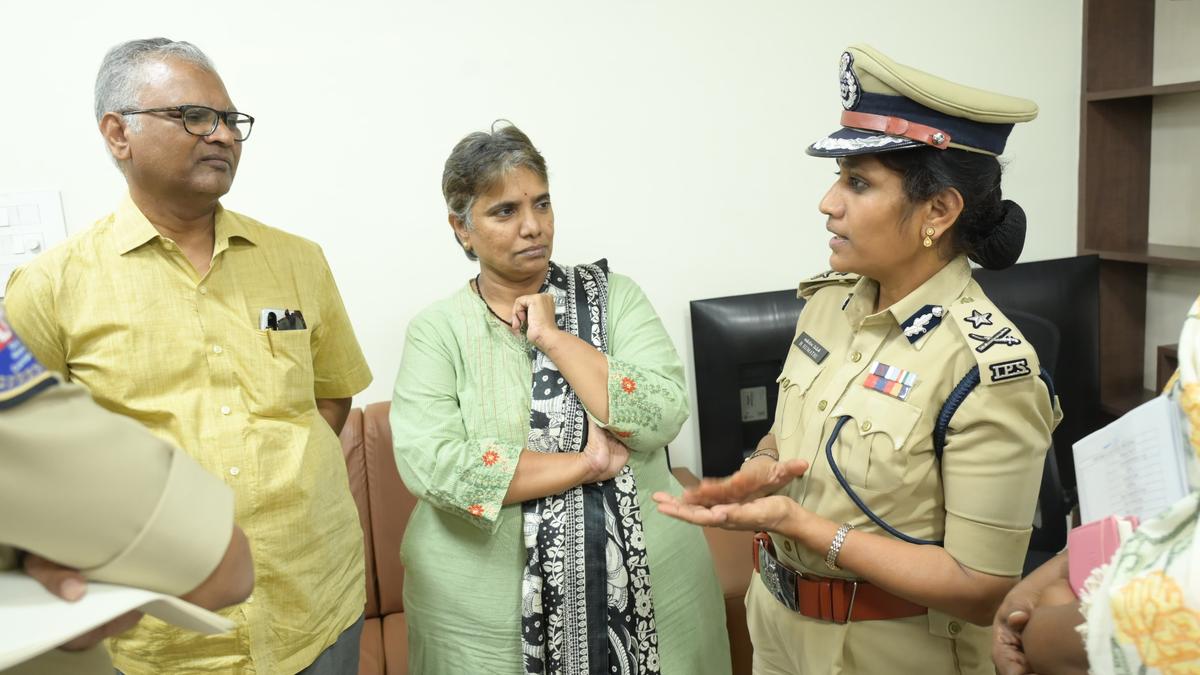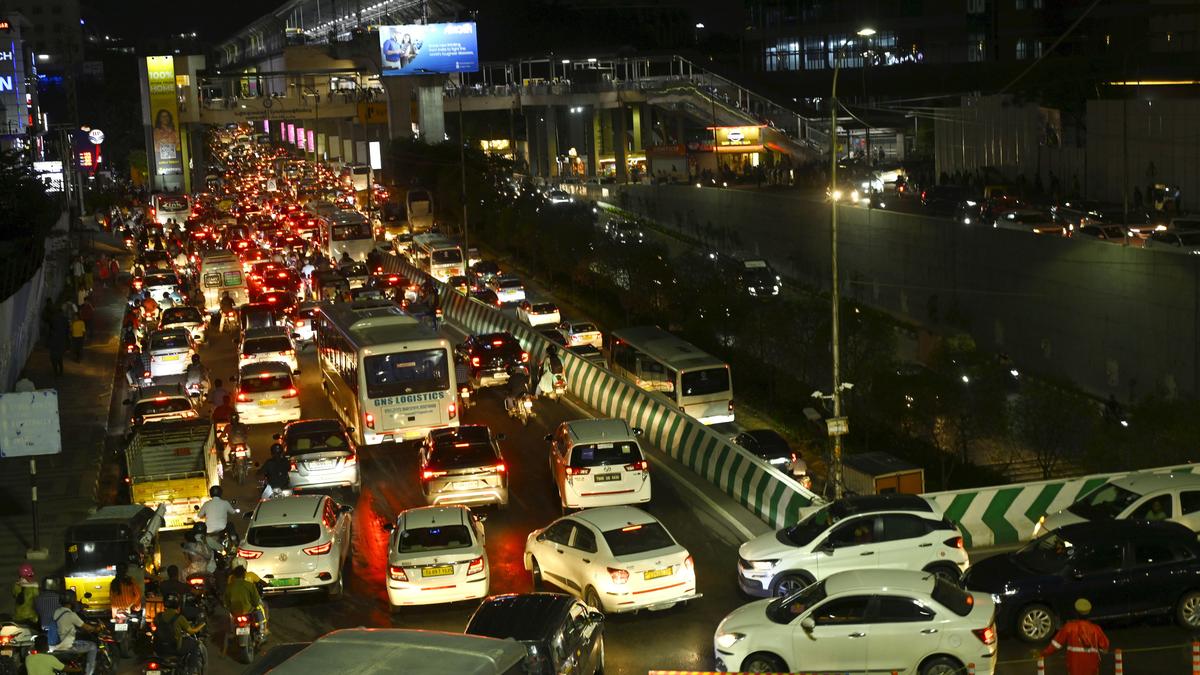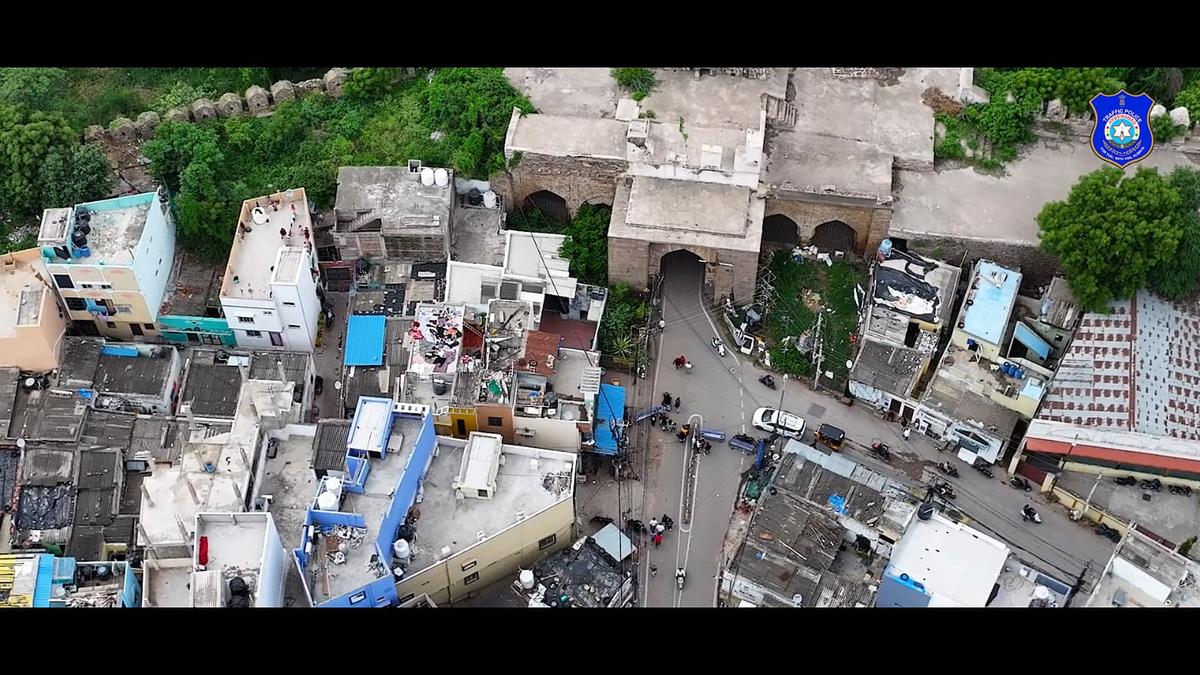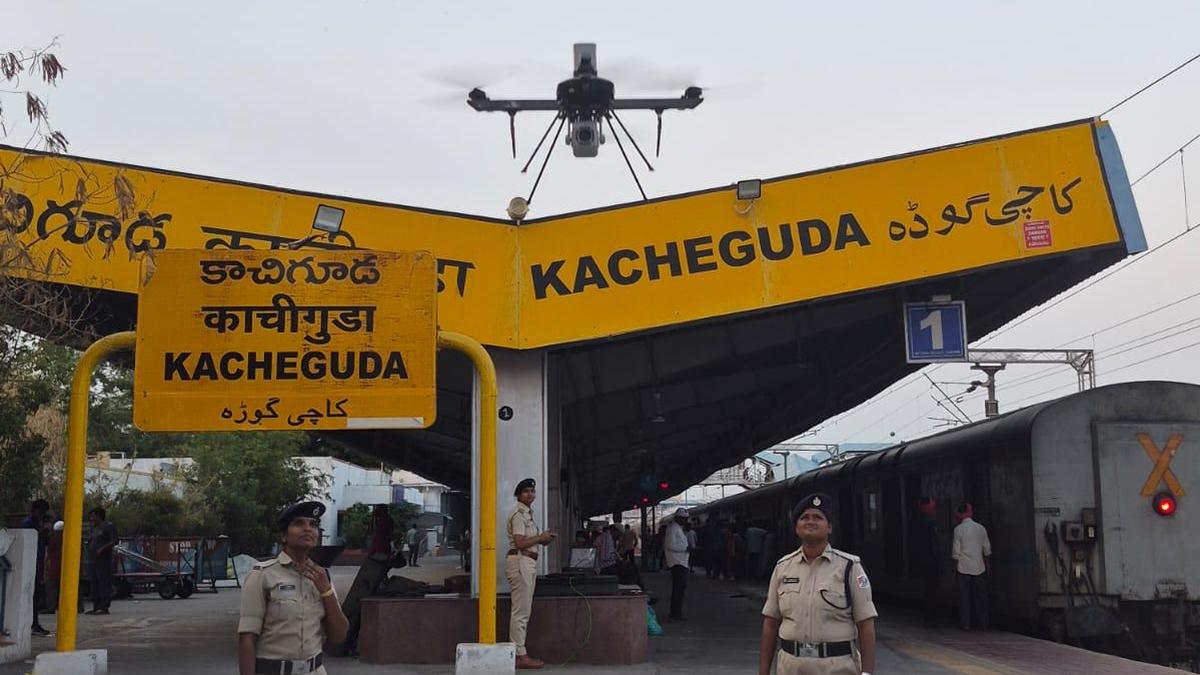
A drone hovers silently above a congested arterial road, scanning traffic movement and feeding live images to a command centre where algorithms map vehicle density, detect bottlenecks and compare faces against suspect databases within seconds. Across the city, officers track repeat offenders and vulnerable hotspots remotely through live analytics instead of relying solely on physical patrols.This is the policing architecture that the newly formed Malkajgiri commissionerate now wants to build - a technology-driven “plug-and-play” model powered by drones, artificial intelligence, predictive analytics and integrated surveillance systems aimed at transforming traffic management, crime detection and public safety response.Speaking to The Hindu, Malkajgiri Police Commissioner B. Sumathi said the vision stems from the mounting pressure on policing in one of Telangana’s most densely populated commissionerates, housing upscale residential neighbourhoods, the Secunderabad Cantonment zone, major industrial clusters and some of the city’s busiest traffic corridors, where conventional policing methods are increasingly inadequate for handling complex urban movement and rapidly evolving security challenges.“Unless technology is used in a proper and uniform manner, results cannot be achieved. We already have extensive suspect databases. That is a wealth of intelligence which has to be utilised for effective policing and reducing dependence on manpower,” she said.
Drones to monitor traffic, track suspects and power aerial surveillance in Hyderabad’s Malkajgiri
Hyderabad's Malkajgiri plans AI-enabled drones for traffic monitoring and crime detection, enhancing real-time policing and public safety.
682 words~3 min read