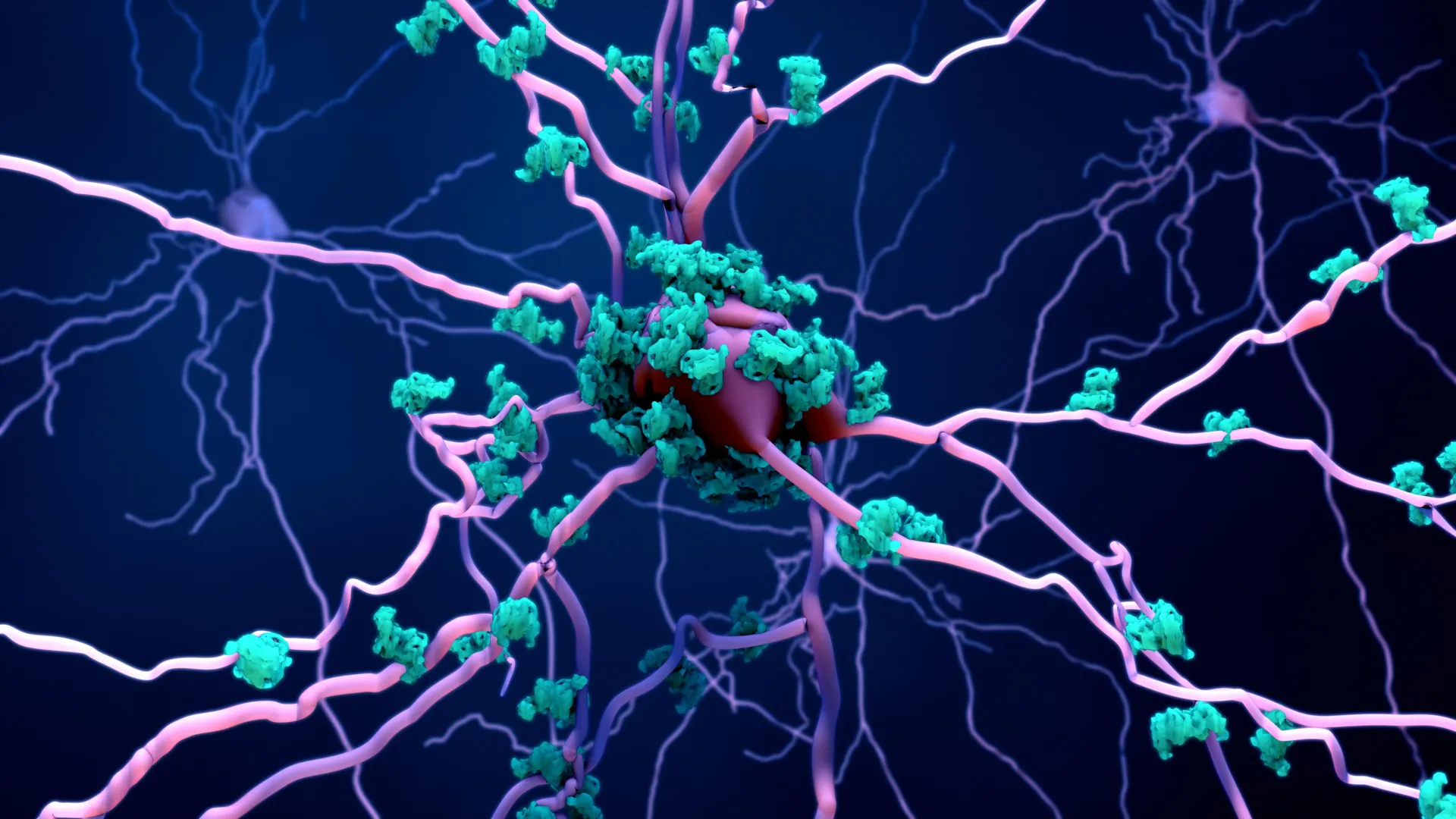
Diseases such as Alzheimer's, Parkinson's, and Huntington's slowly damage the brain by destroying neurons, the cells that carry messages through the nervous system. As these cells are lost, people can experience memory problems, cognitive decline, and movement difficulties that often become severe enough to require constant care.
Current medicines can ease some symptoms, and recent Alzheimer's therapies such as lecanemab and donanemab can slow decline in certain people with early disease, but they do not restore lost memories or rebuild damaged brain tissue. That is why researchers are pursuing another ambitious idea: helping the brain replace neurons that have been lost.
A Vitamin Better Known for Blood and Bones
Vitamin K is best known for its role in blood clotting and bone health. In recent years, however, scientists have also linked it to brain protection and neuronal differentiation, the process by which immature neural cells become functioning neurons.
One form of vitamin K, menaquinone 4 (MK-4), is naturally active in the body. Even so, its effects may not be strong enough on their own for future use in regenerative medicine aimed at neurodegenerative disease.