May 27, 2026
Okoh Aihe
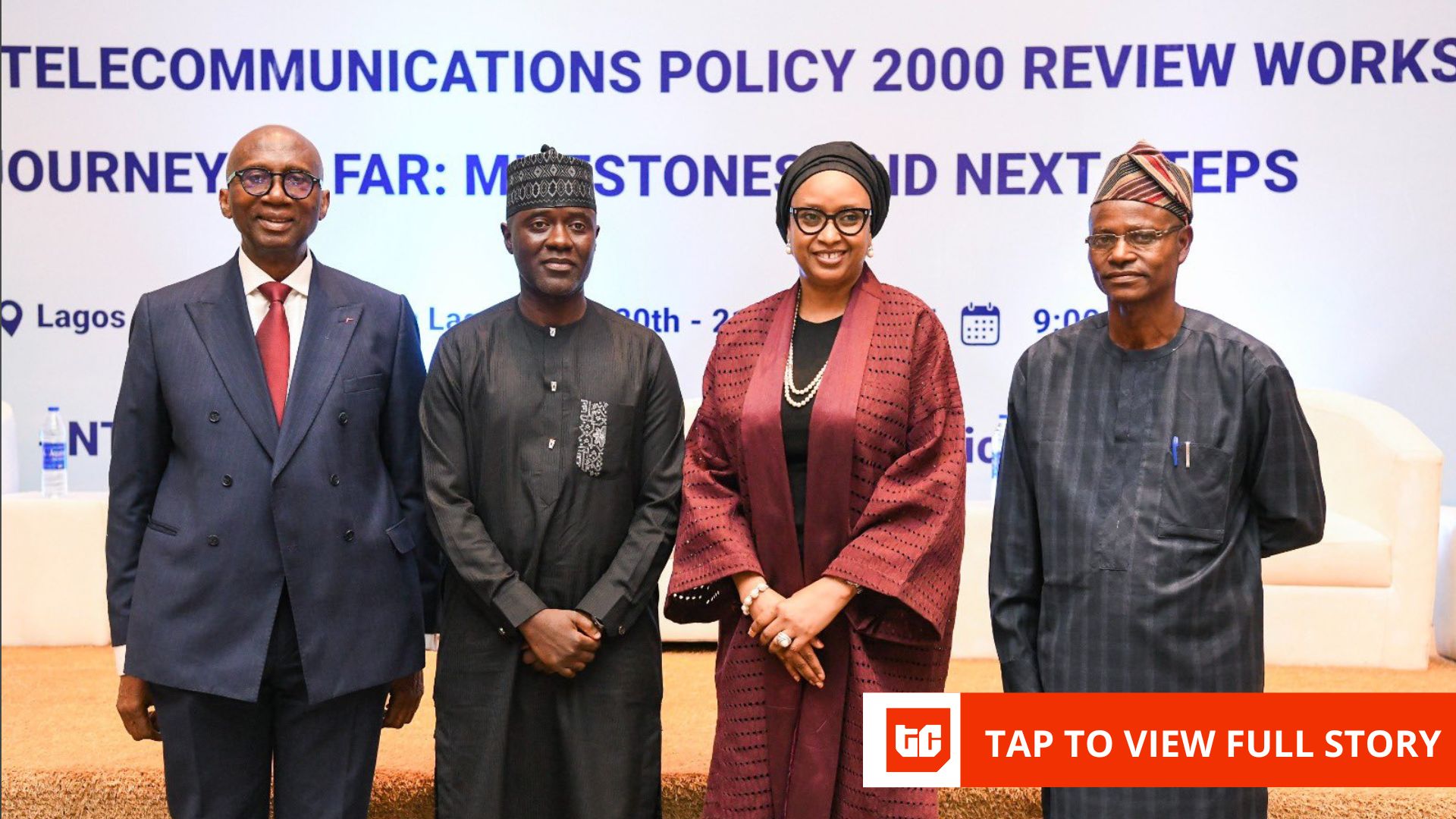
The gathering of stakeholders last week in Lagos to look at policy support for the telecommunications industry, suddenly communicated the painful reality that Nigeria has continued to operate the sector with a document of over two and a half decades, whose relevance has since been overwhelmed by the multiplicity of technological developments and nuanced growth in the sector.
Without giving room to exaggeration, the content has lapsed, the expectations have become too humble, far outstripped by growth that has projected the industry as the major pillar of growth and development in every other sector. For instance, while the National Telecommunications Policy 2000 acknowledged the existence of about 500,000 connected telephone lines at the time, mostly held by the industry monopoly operator, NITEL, for a population of about 120m people, the story has since changed, featuring a liberalised and competititive market with over 185m lines.
The gathering acknowledged the transformative role of the policy and all that it has made possible. Not just because some of the key players who had a hand in the policy like Engr Ernest Ndukwe, Engr Titi Omo-Ettu, Paul Usoro (SAN), and Dr Steven Adzenge were present at the meeting, but for the obvious reason that real achievements, such as the nation has witnessed in the telecommunications sector, don’t hide; they advertise themselves.