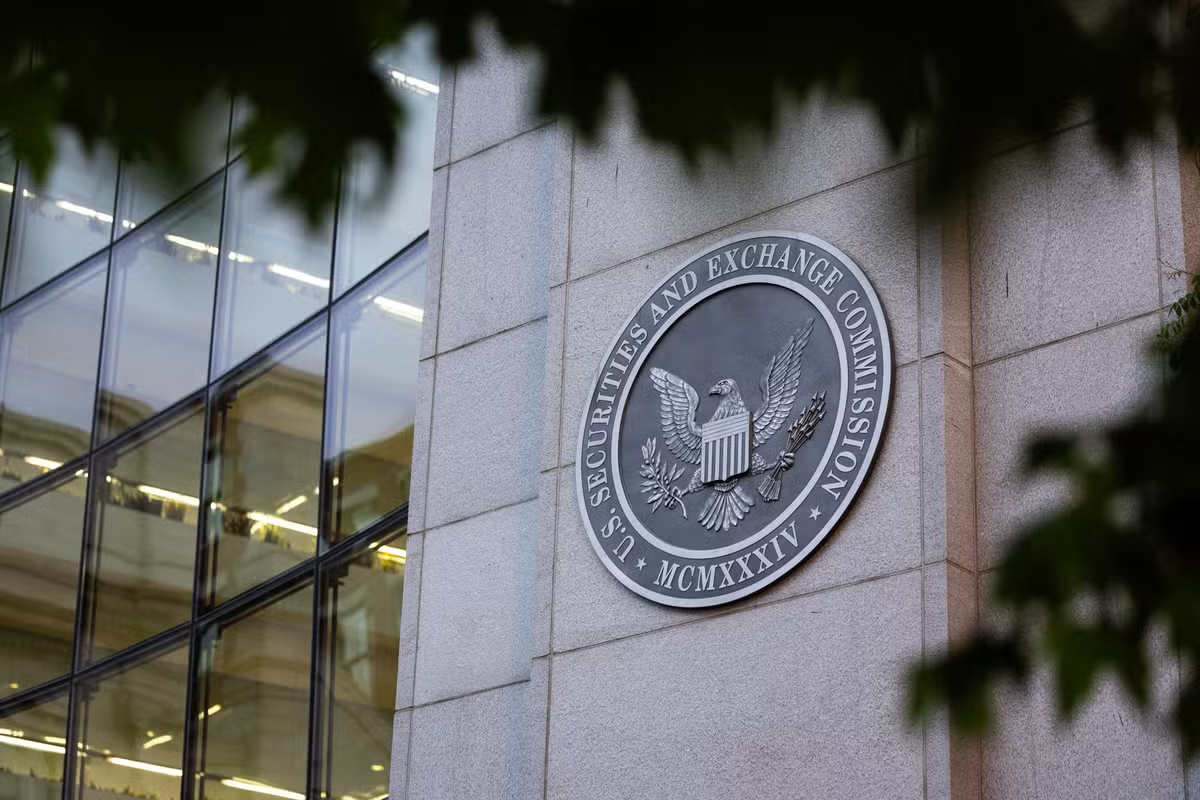
The number of publicly traded companies in the US has dropped by nearly 40% over the past three decades. The SEC just decided that’s a problem worth fixing.
On May 19, the Securities and Exchange Commission proposed sweeping amendments to the rules governing registered offerings and periodic reporting. It’s the most significant overhaul of these frameworks in over 20 years, and it’s squarely aimed at making the IPO process less painful for companies that have been avoiding public markets.
What’s actually changing
The proposed rules would nearly triple the threshold for what qualifies as a “large accelerated filer,” raising it from $700 million to $2 billion in public float. A much larger pool of companies would qualify for lighter-touch reporting requirements that were previously reserved for the biggest players in the market.
The SEC also wants to extend benefits that currently belong exclusively to well-known seasoned issuers, or WKSIs, to a broader set of companies. WKSIs get access to shelf registration, which lets them issue securities quickly without going through the full approval process each time, and communication safe harbors that shield them from liability for certain public statements during offerings.