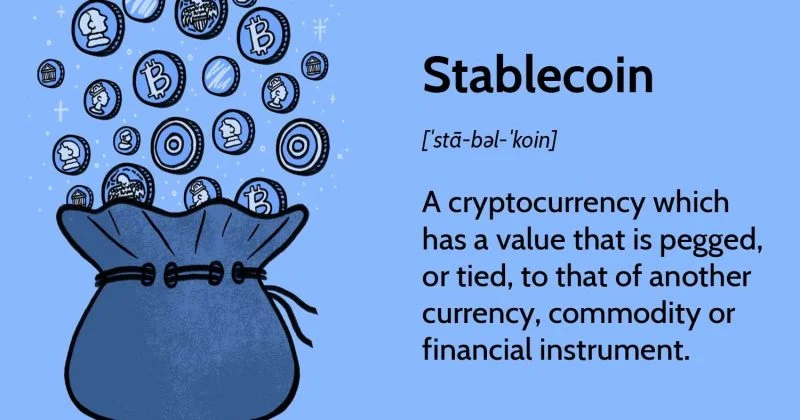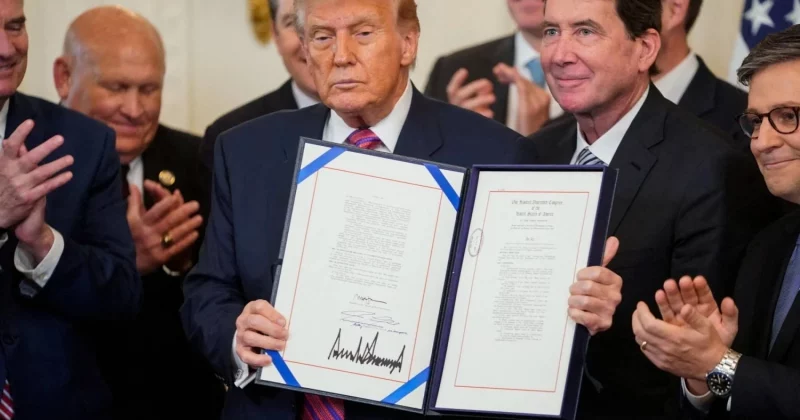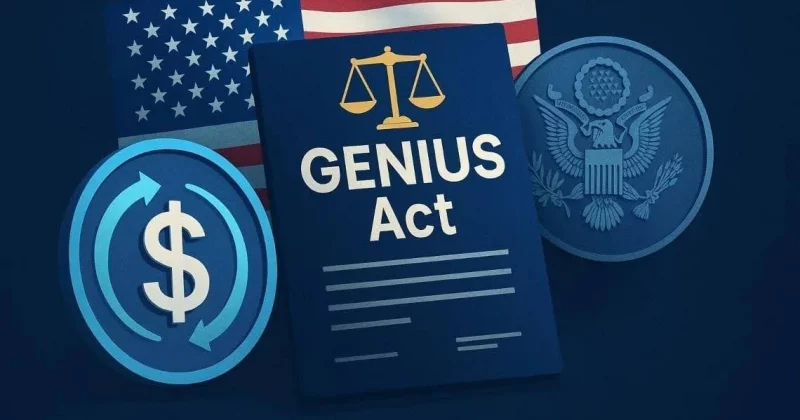
For decades, the playbook was simple: if you wanted to move money at scale in America, you needed a bank charter. The GENIUS Act, signed into law by President Donald Trump on July 18, 2025, just rewrote that playbook. Nonbank fintech firms can now issue payment stablecoins under federal supervision, and the traditional banking industry is watching its competitive moat get a little shallower.
The legislation passed with bipartisan support that would make most bills jealous. The Senate approved it 68-30 on June 17, 2025, followed by the House voting 308-122 on July 17.
What the law actually does
The GENIUS Act creates the first comprehensive federal framework for payment stablecoins in the US. Only approved entities, specifically subsidiaries of insured depository institutions and nonbanks supervised by the OCC, can issue these tokens.
Issuers must maintain a 1:1 reserve ratio backed by liquid assets like US dollars or short-term Treasuries. The law also mandates monthly public disclosures of those reserves, strict compliance with anti-money laundering and sanctions regulations, and prohibits issuers from paying any interest or yield on the tokens themselves.