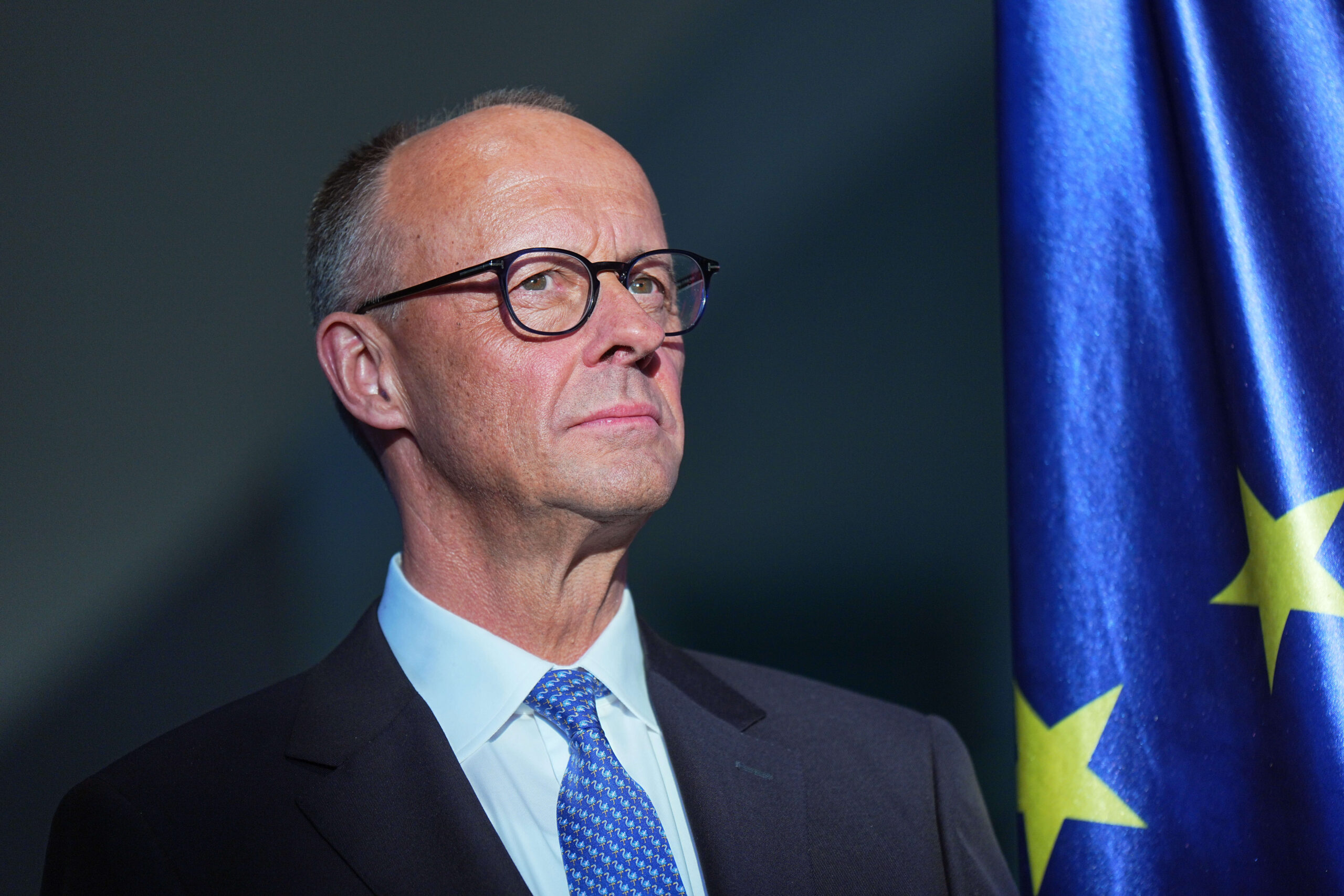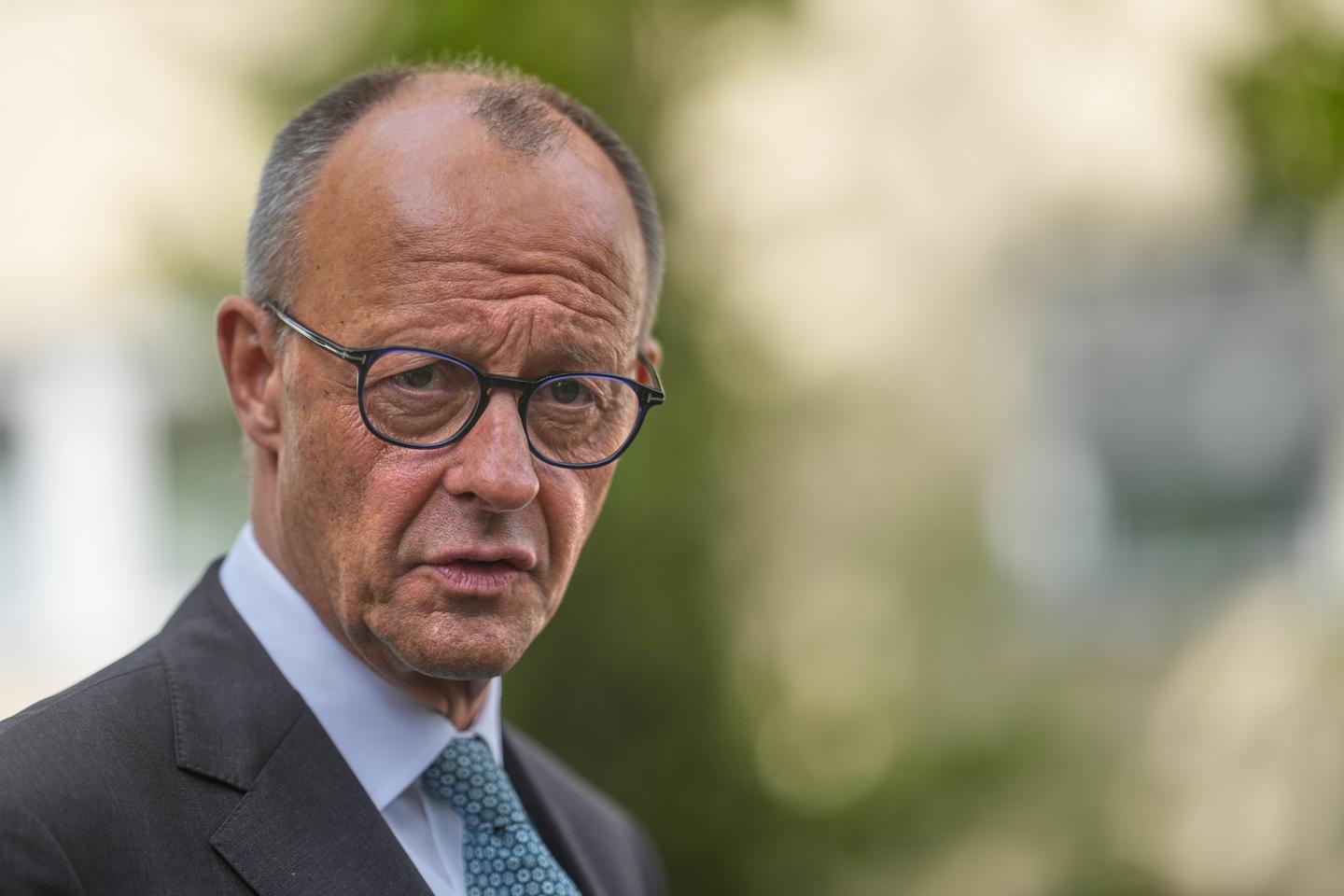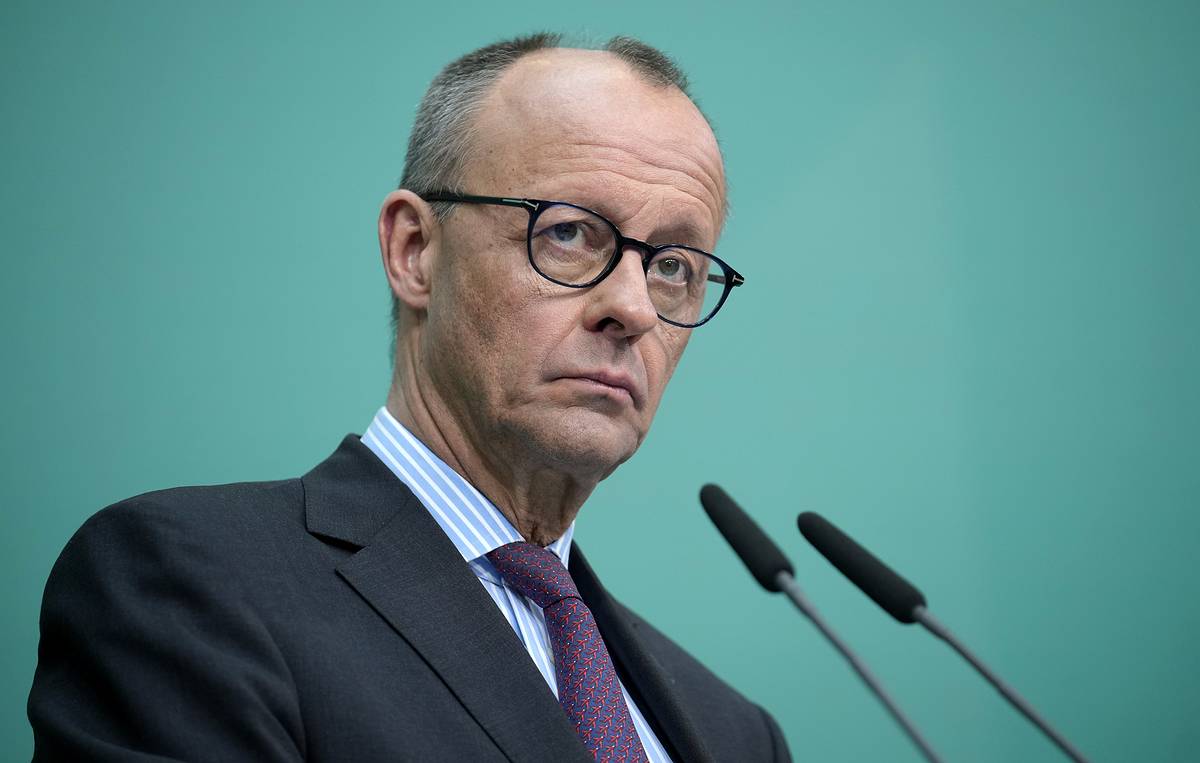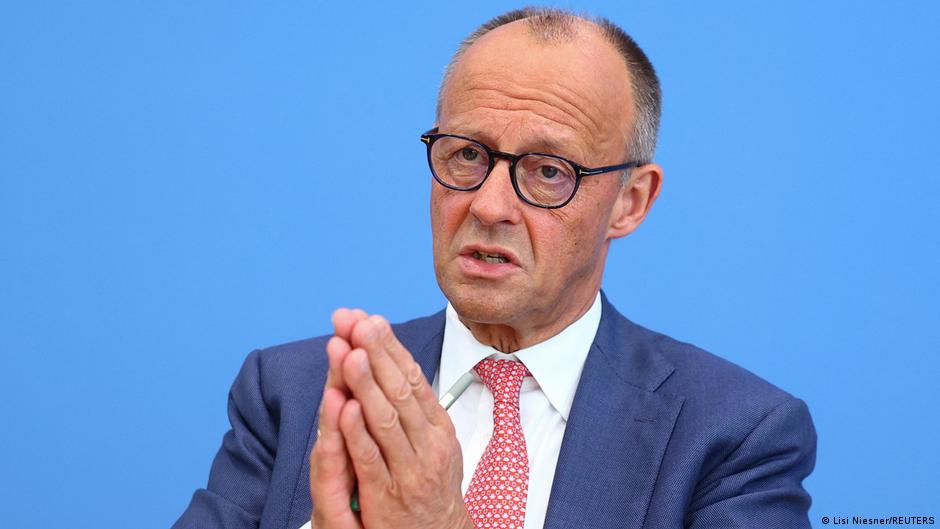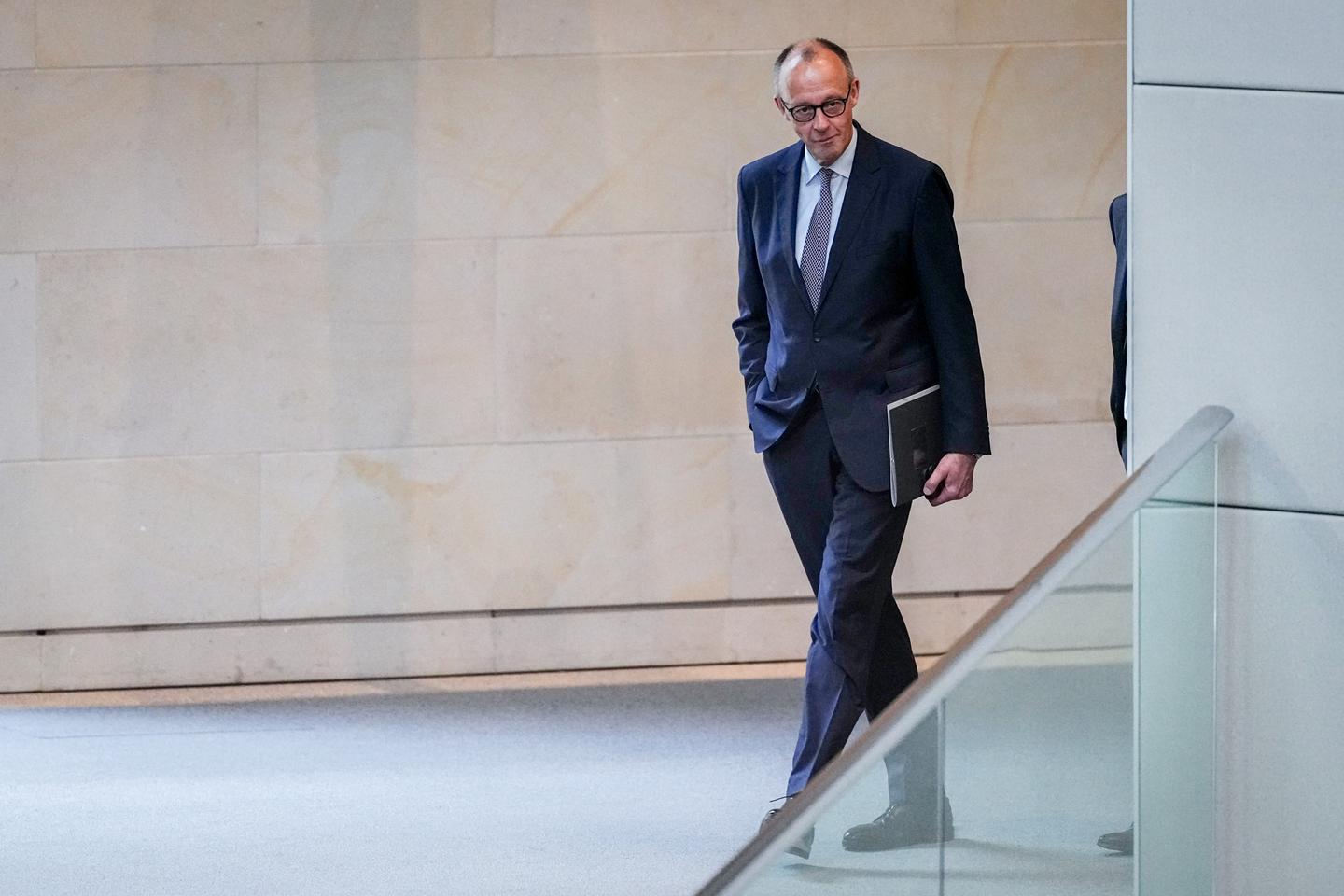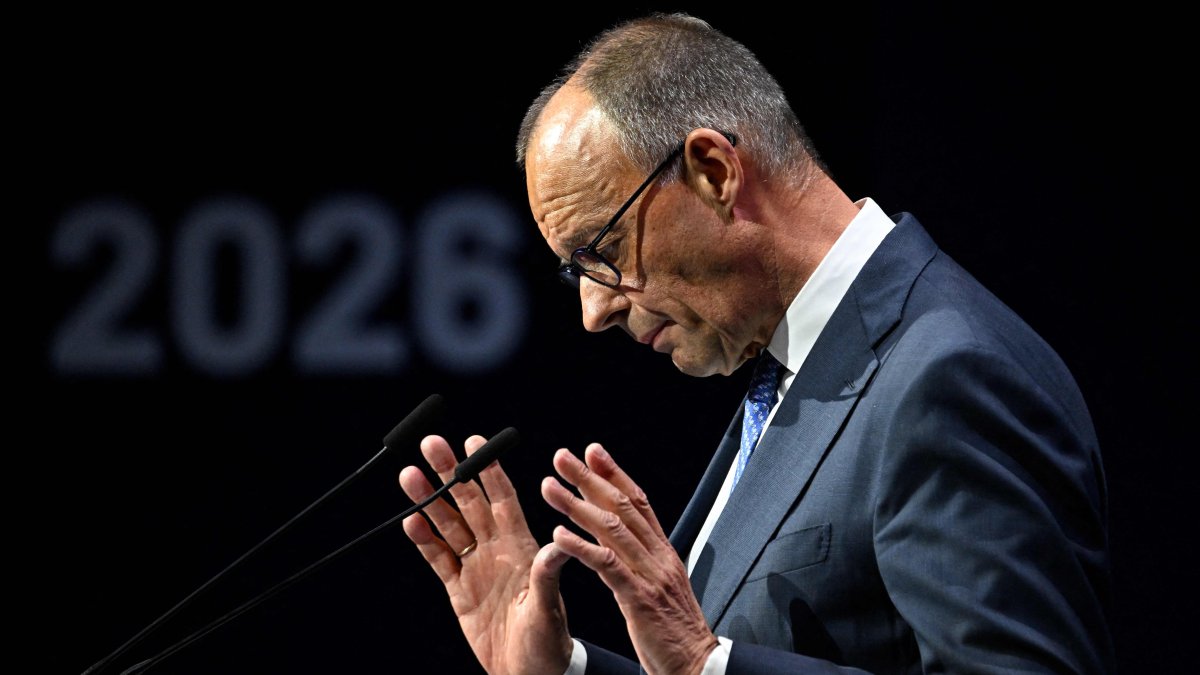
More than one year has passed since Friedrich Merz took the oath of office as German Chancellor on May 6, 2025. It is time to take stock, and the picture, to put it mildly, is far from encouraging. Although Merz secured a strong 91.2% approval rating at the February party convention of the Christian Democratic Union of Germany (CDU), outside the party halls, his government appears uncertain, reactive and lacking political momentum.
The so-called “black-red coalition,” which is made up of the CDU, the Christian Social Union in Bavaria (CSU) and the Social Democratic Party of Germany (SPD), is struggling to find a common rhythm. Differences between the conservative bloc and the SPD are increasingly visible, while disputes within the government have become part of daily political life.
And yet, activity itself is not lacking. According to official government figures, the coalition has passed around 175 laws and measures since May 2025. Most recently, the parties reached agreements on health care insurance reform and the framework for the 2027 federal budget, both politically sensitive and highly complex projects. However, instead of presenting these developments as signs of effective governance, the coalition appears consumed by internal conflicts. The public mood increasingly resembles the final phase of the government of Olaf Scholz: endless disputes, little unity and a growing sense of exhaustion.