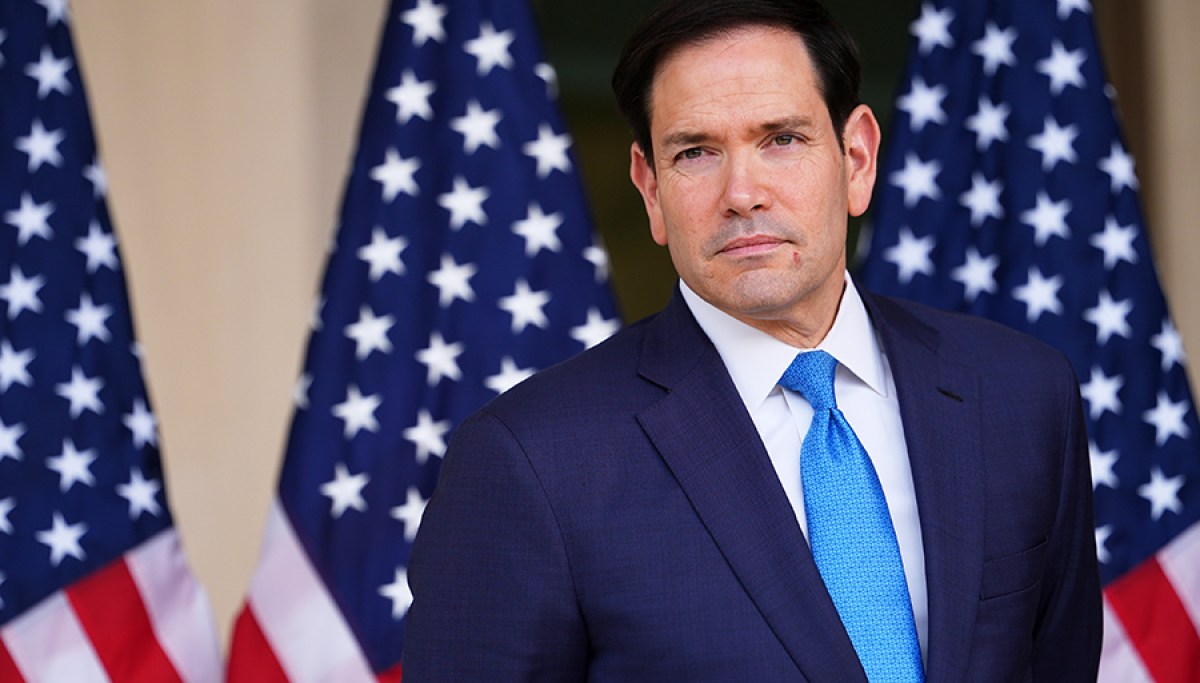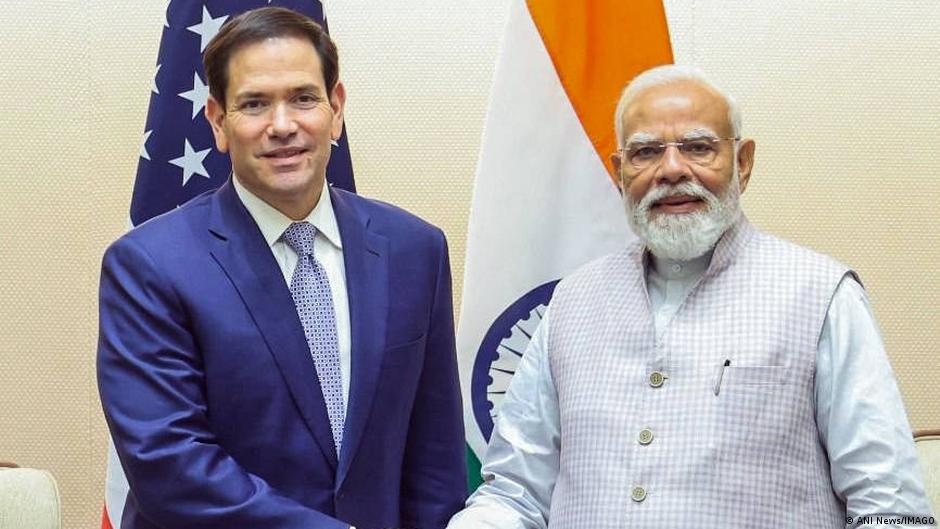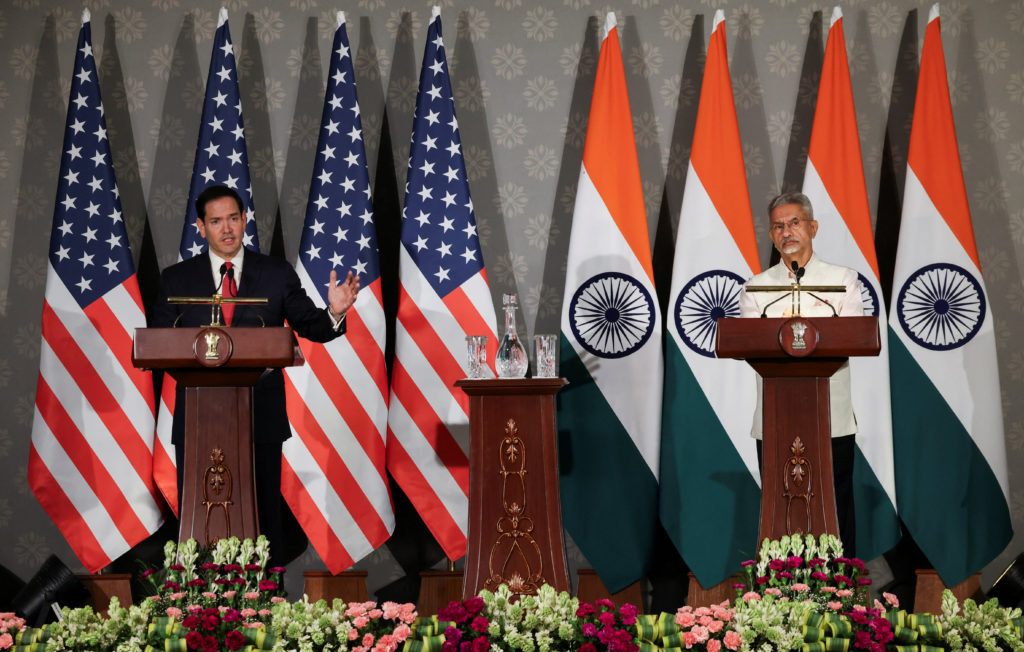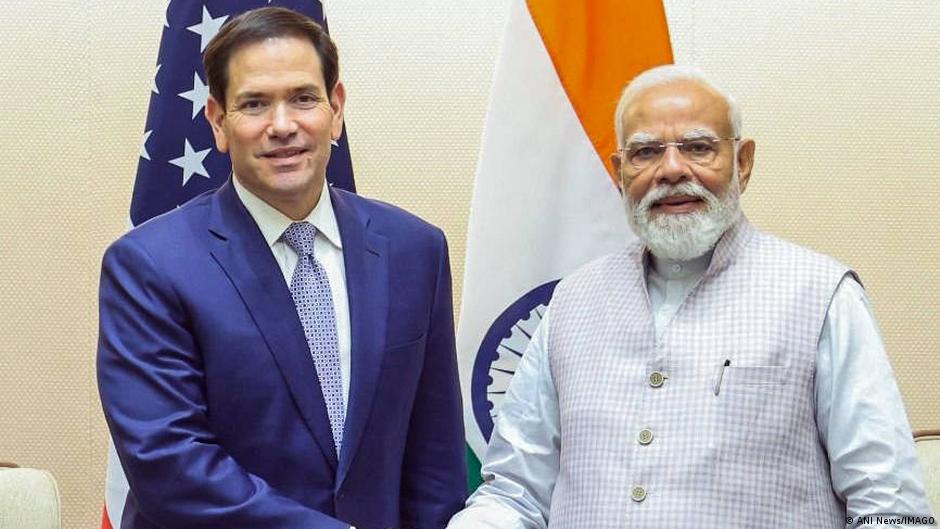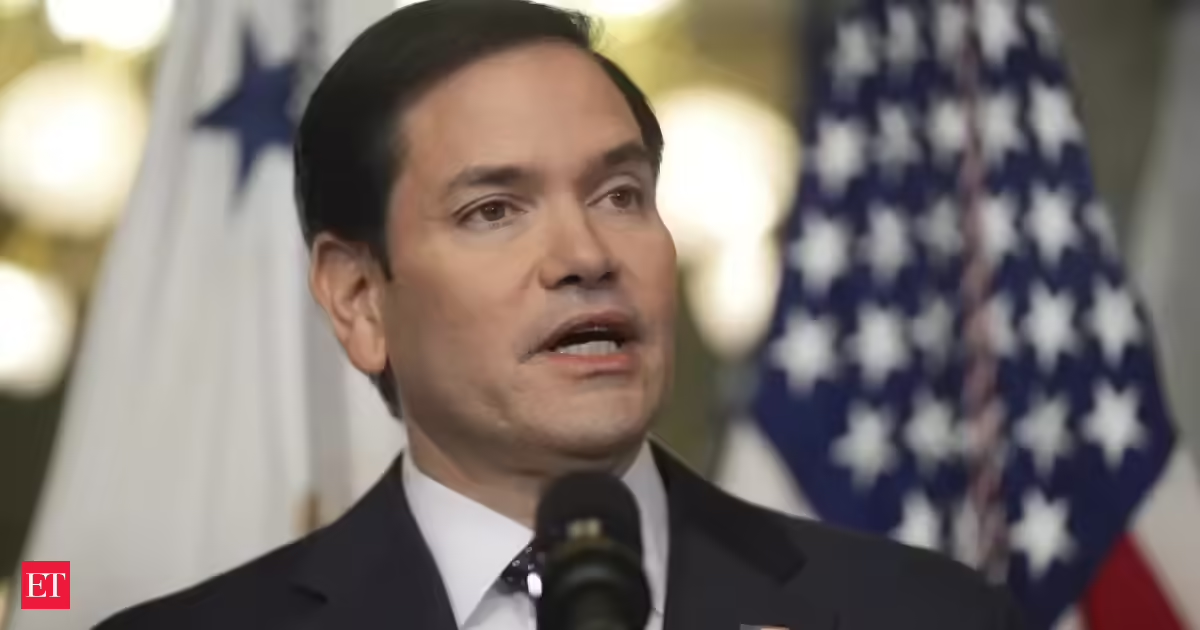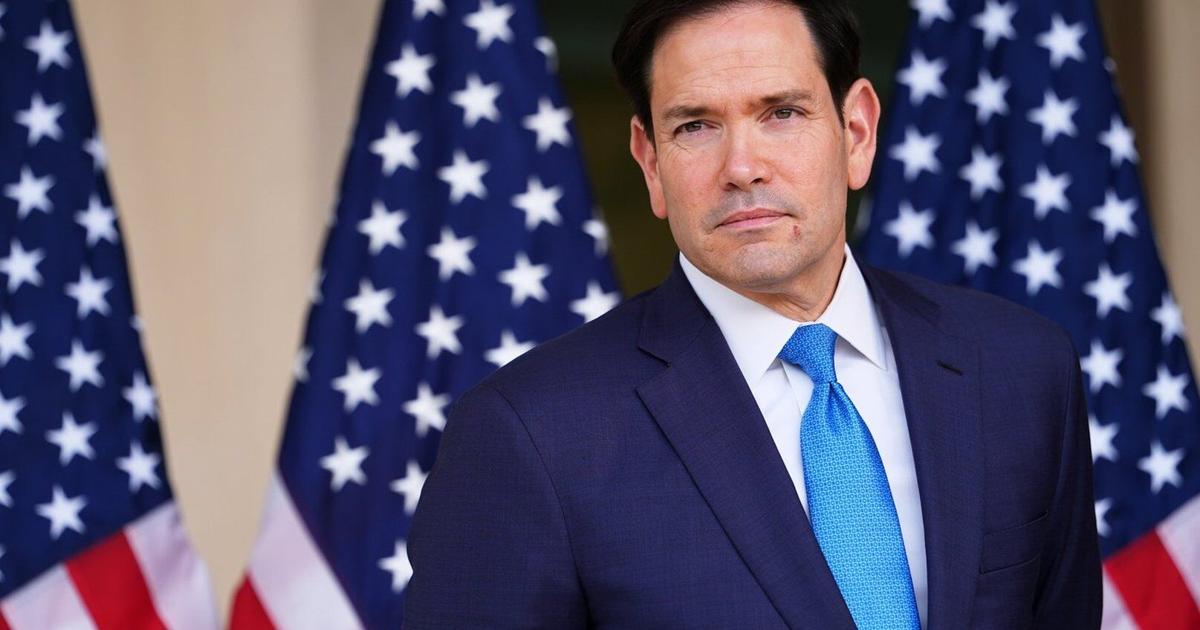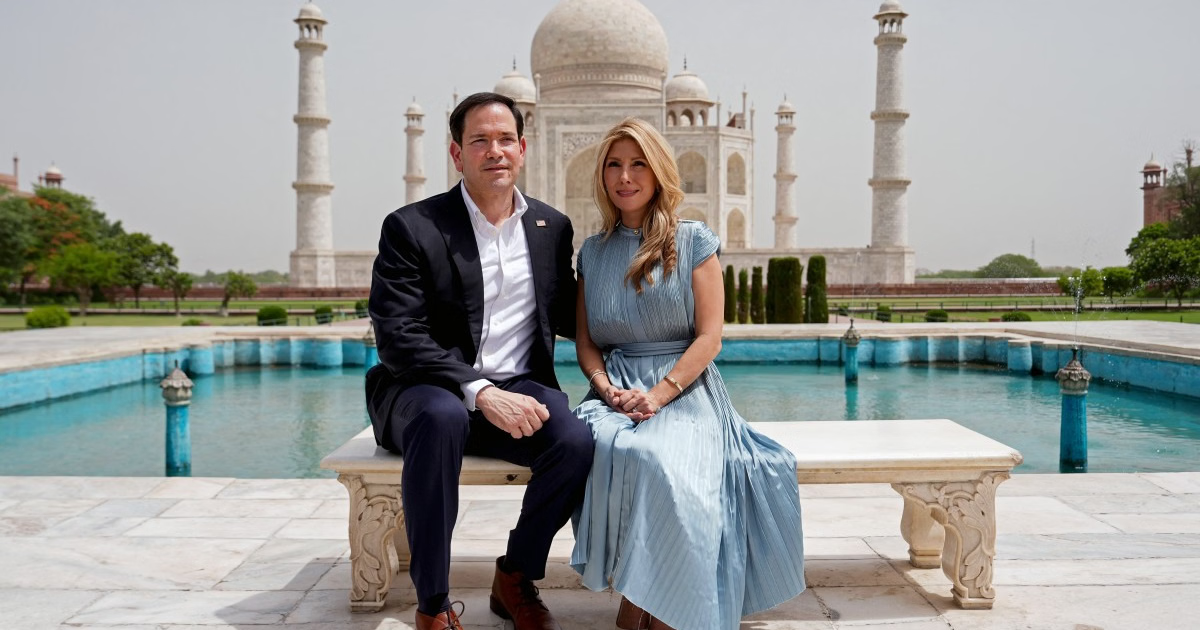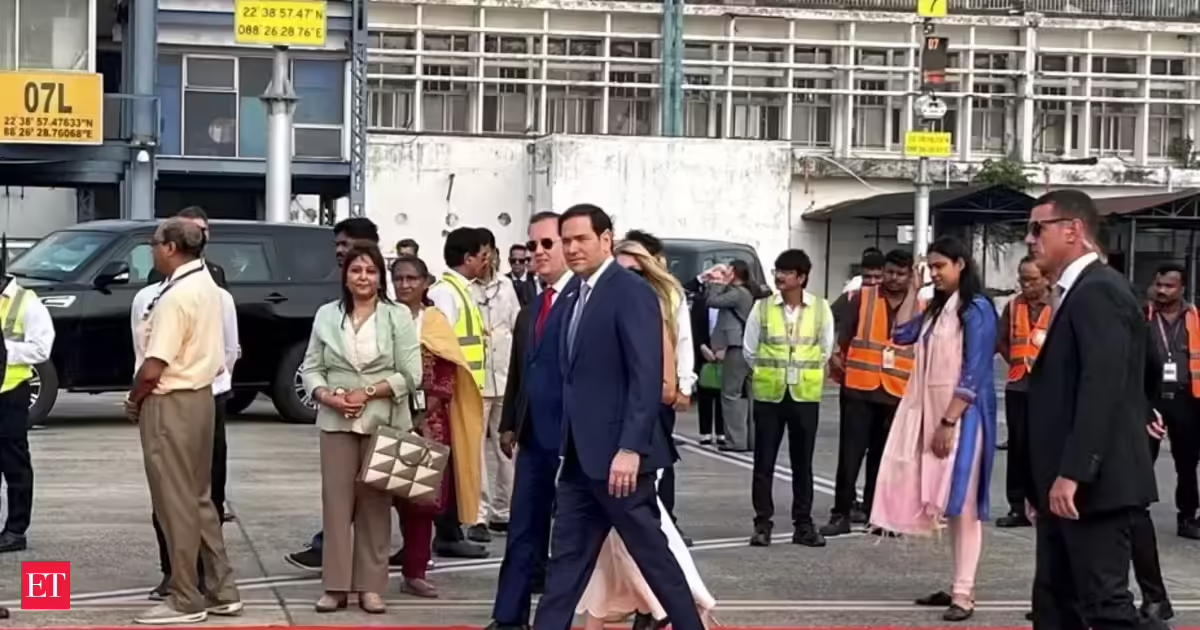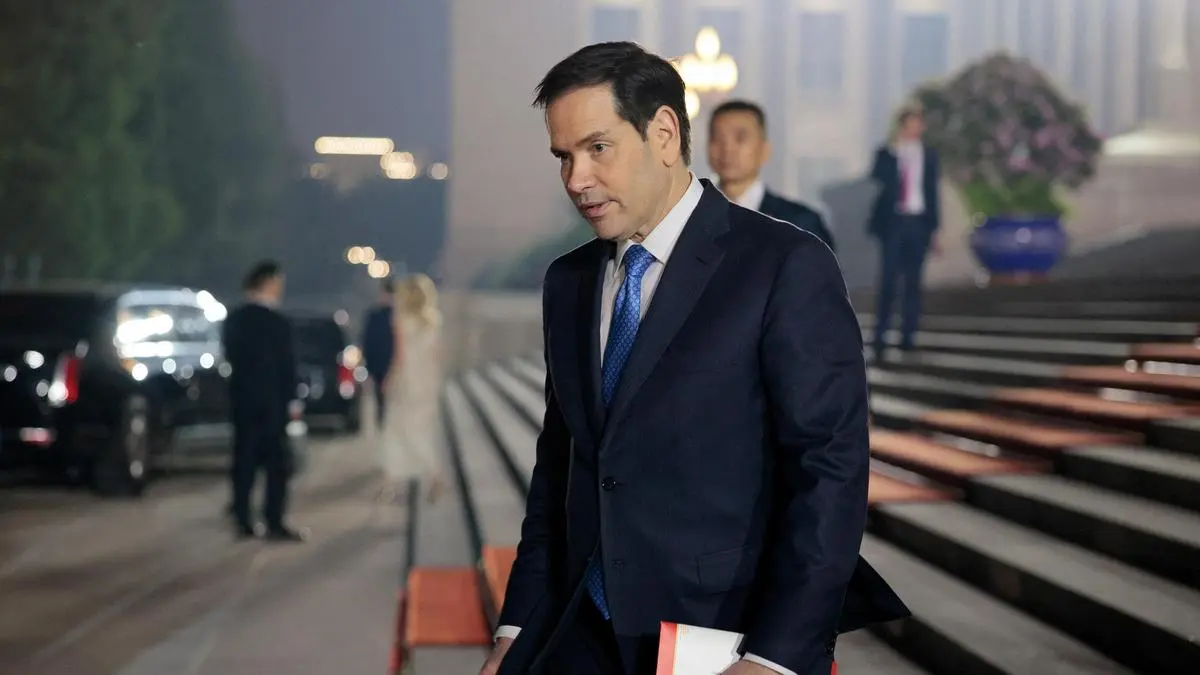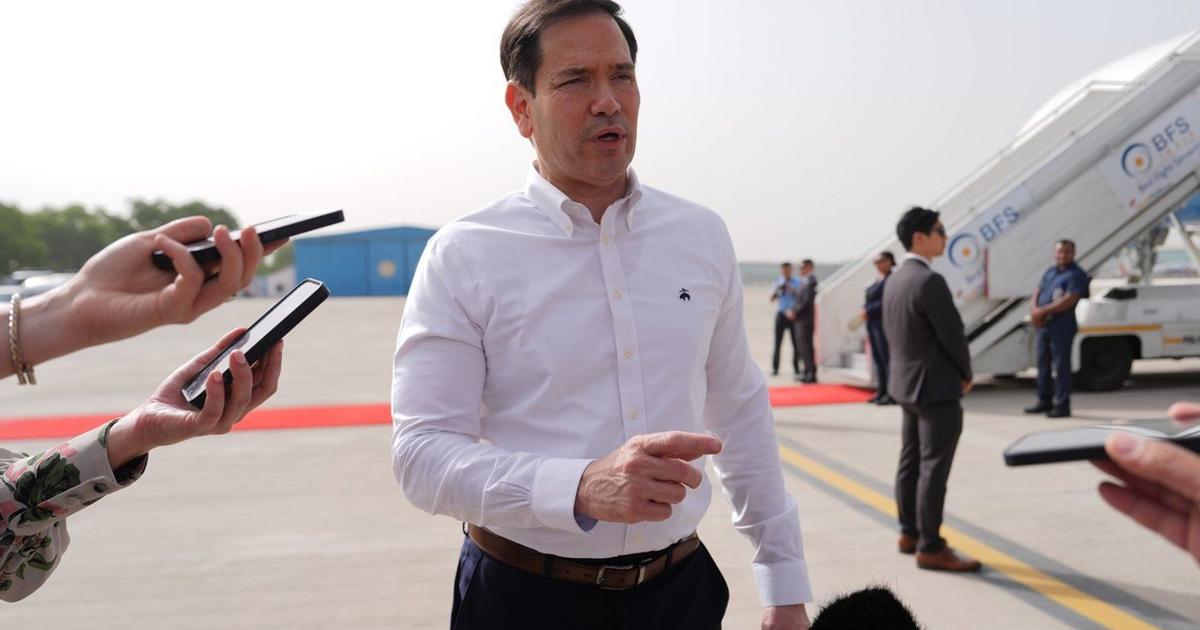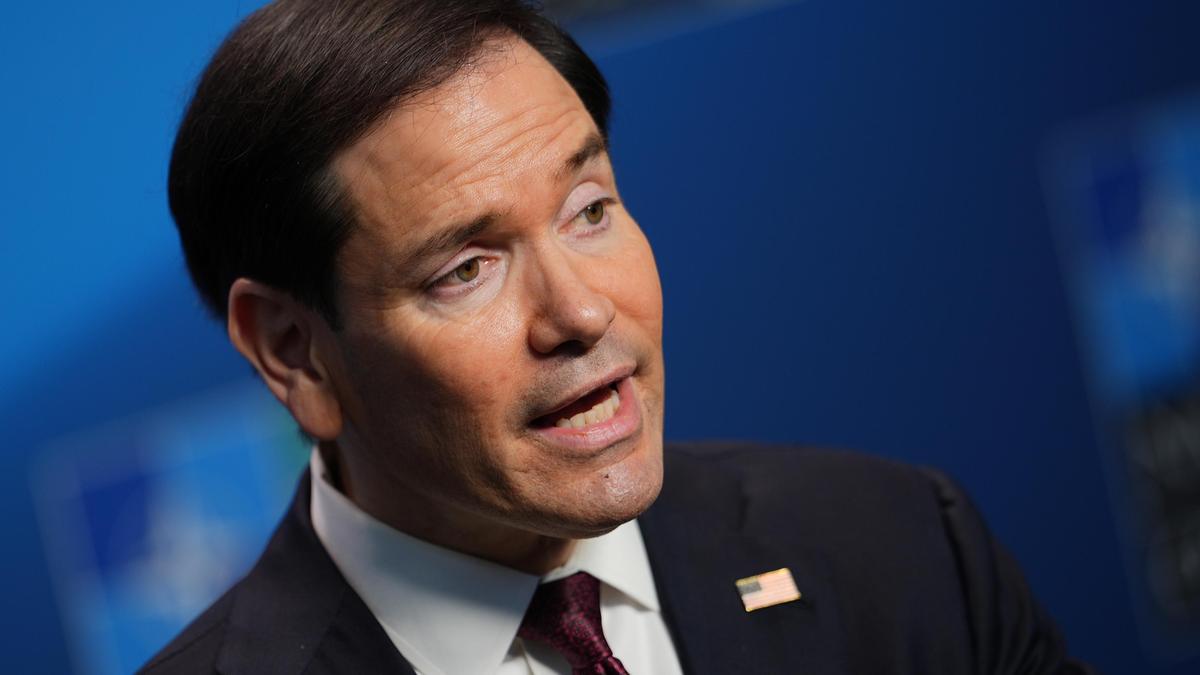
Secretary of State Marco Rubio’s four-day visit to India, his first since taking office in January 2025, was understood to have been aimed at smoothing bilateral ties that have been deeply ruptured over the past year. The problems have been multifold, ranging from the U.S.’s high tariffs and cutting down on visas, immigration and outsourcing; to sanctions on India’s energy procurement and investment, its moves with China and Pakistan, and the pejorative remarks by President Donald Trump and his cabinet colleagues about India. Although the Modi government has not criticised the U.S. for its actions, there is no doubt that the U.S. attack on Iran on February 28, the wider regional conflict and the Hormuz Strait blockade, have caused immense economic worries for India as well. It was thus hoped that Mr. Rubio’s visit, which combined the bilateral agenda alongside the Quad Foreign Ministers’ meeting, would help repair one of the worst phases in bilateral ties caused largely by Washington’s unilateral moves. Mr. Rubio consistently held that the relationship was well and that “President Trump loves India”, while responding to repeated questions on Mr. Trump’s post that amplified anti-immigrant sentiments referring to India as a “hell-hole”. New Delhi had no doubt laid out the red carpet for Mr. Rubio. In a departure from protocol, Prime Minister Narendra Modi welcomed him on his arrival and External Affairs Minister S. Jaishankar spent much of the weekend in meetings with Mr. Rubio, including two U.S. Embassy receptions. On Sunday, Mr. Jaishankar attended a celebration marking the U.S.’s 250th Independence Day and Mr. Rubio’s birthday. Mr. Rubio visited the Missionaries of Charity, in Kolkata, and went to Agra and Jaipur for sightseeing. In bilateral talks, the Foreign Ministers discussed the full gamut of ties, including trade, energy, civil nuclear technological and defence cooperation, as well as the regional and geopolitical conflicts.However, apart from one agreement on critical minerals cooperation, which replicates their partnership within the Quad and the 15-nation Pax Silica, the visit’s bilateral part ended with few outcomes of note. Mr. Rubio’s refusal to acknowledge a problem in the relationship indicates that the U.S., once considered India’s most trusted partnership, has failed to recognise New Delhi’s concerns. It is hoped, however, that Mr. Rubio was informed of them, as both sides prepare for a possible Modi-Trump meeting at the G-7 Summit in Evian, France, in mid-June, where India is a special invitee. This will be the first time that the leaders have come face to face since Mr. Modi’s February 2025 Washington visit and all that followed, and an opportunity to mend the relationship especially in the areas it has frayed the most — economic, energy and regional security. Published - May 27, 2026 12:30 am IST
Bad fences: On Marco Rubio’s India visit
U.S.. Secretary of State Marco Rubio’s visit to India, his first since taking office in January 2025, was seen as an effort to repair bilateral ties that have deteriorated sharply over the past year
454 words~2 min read