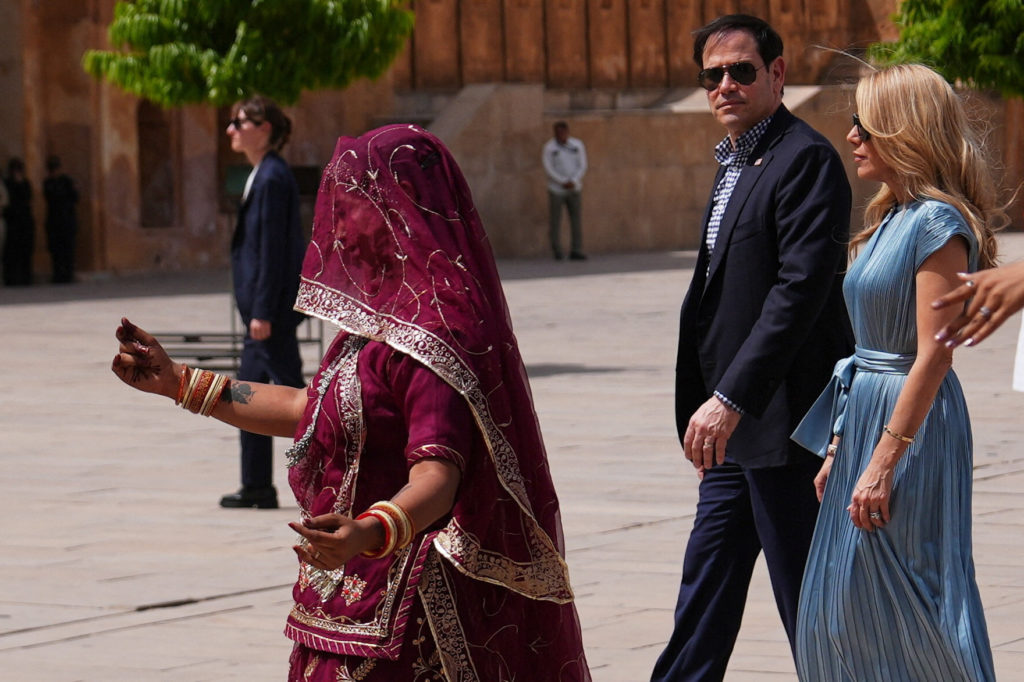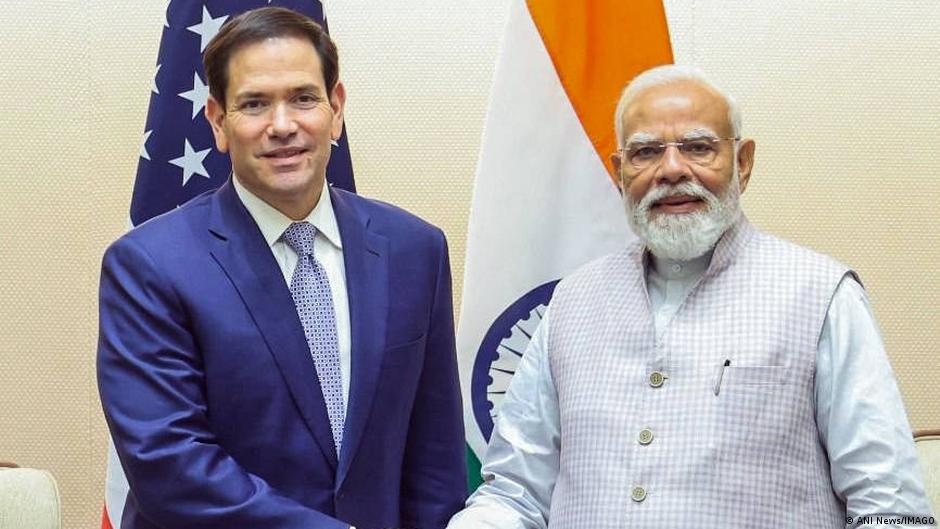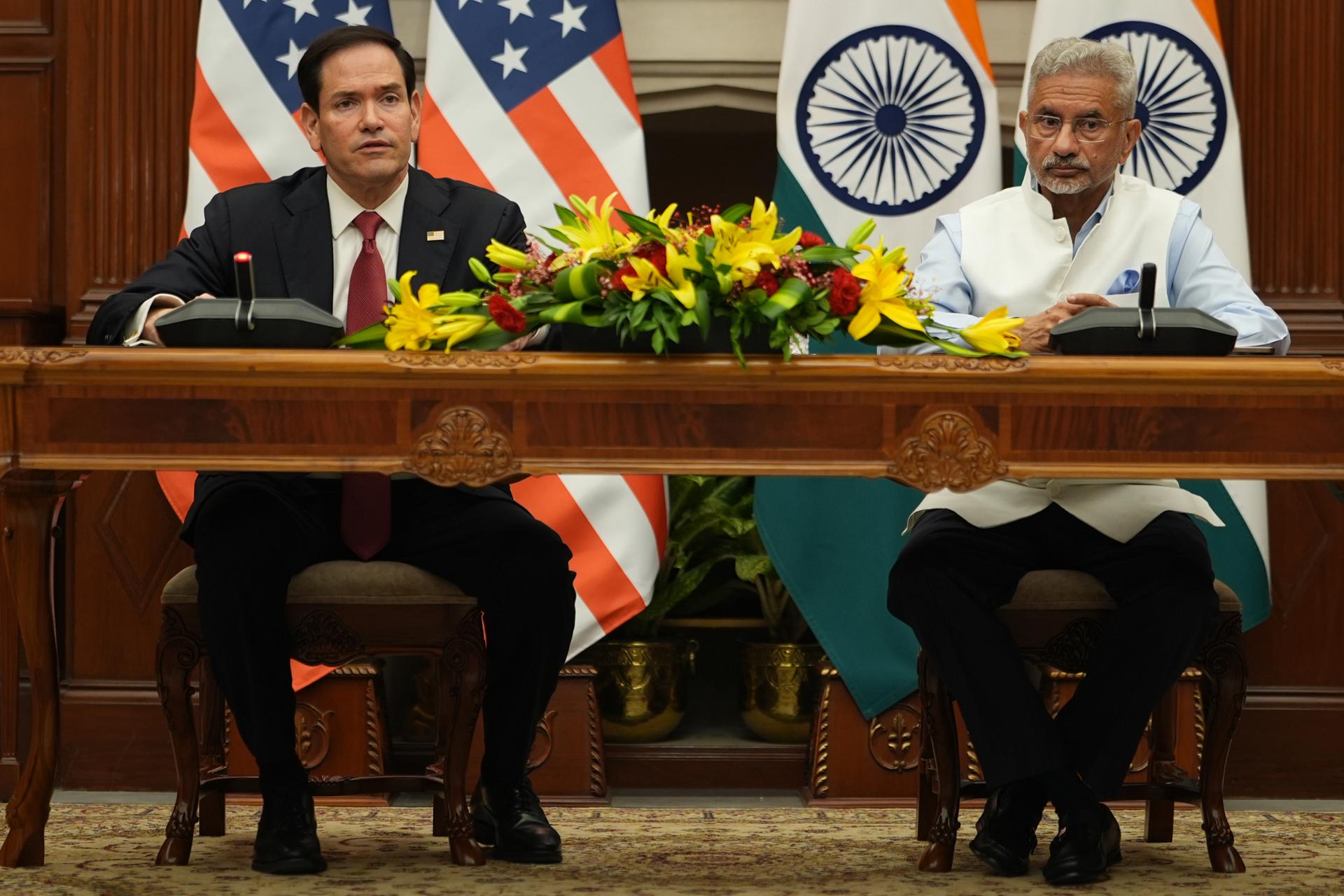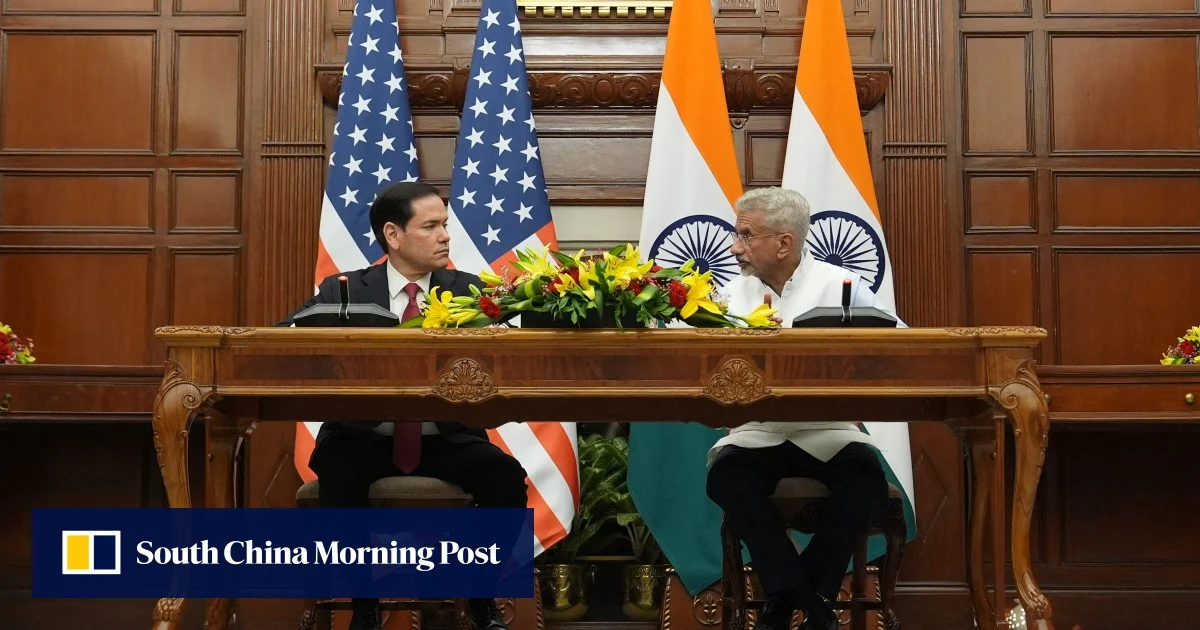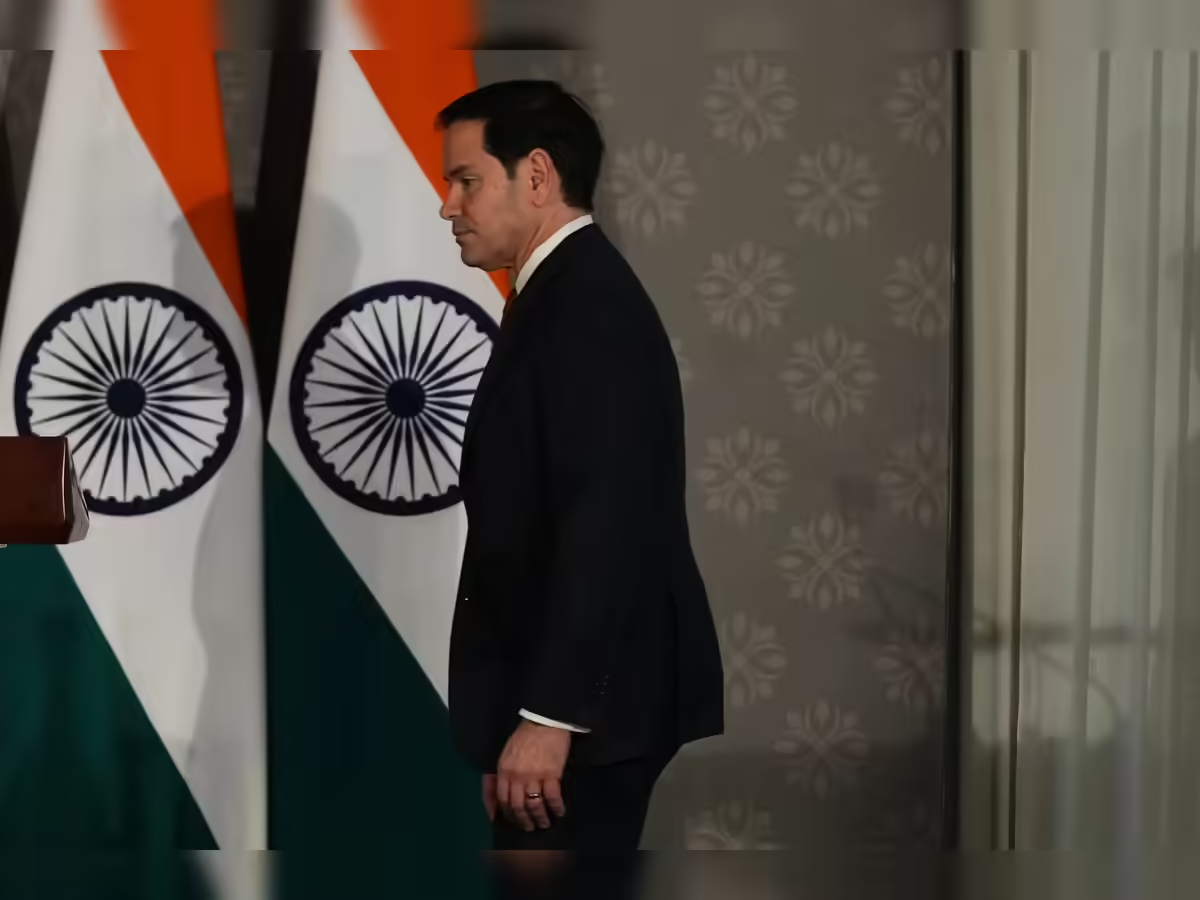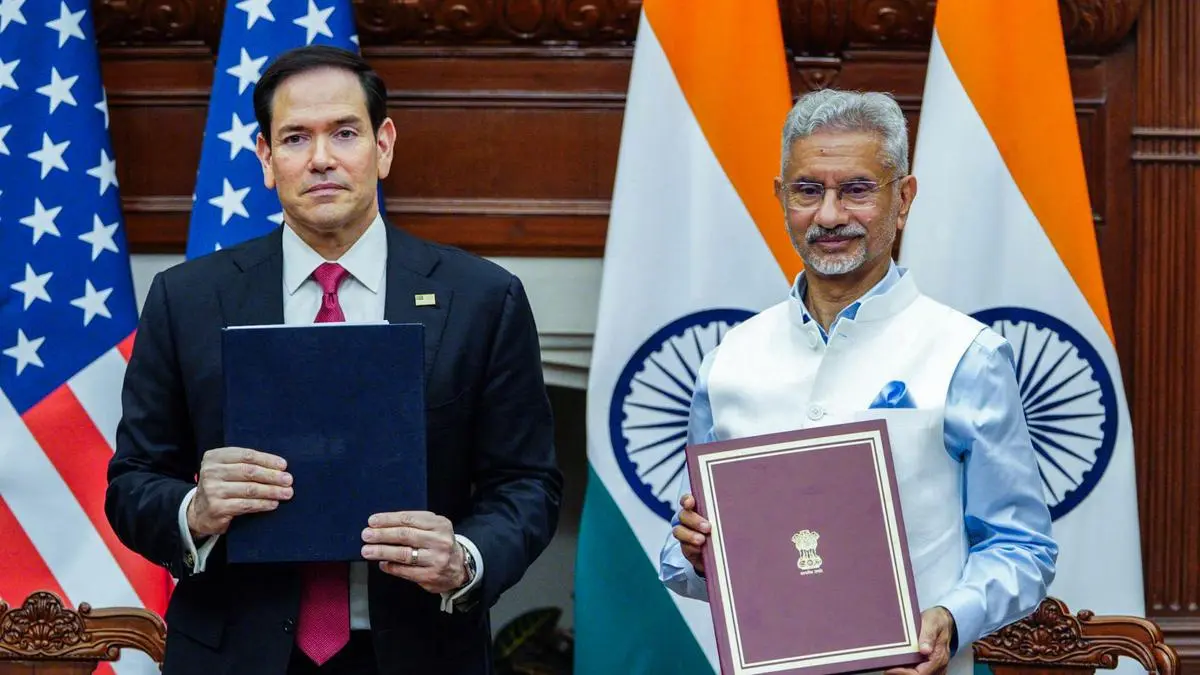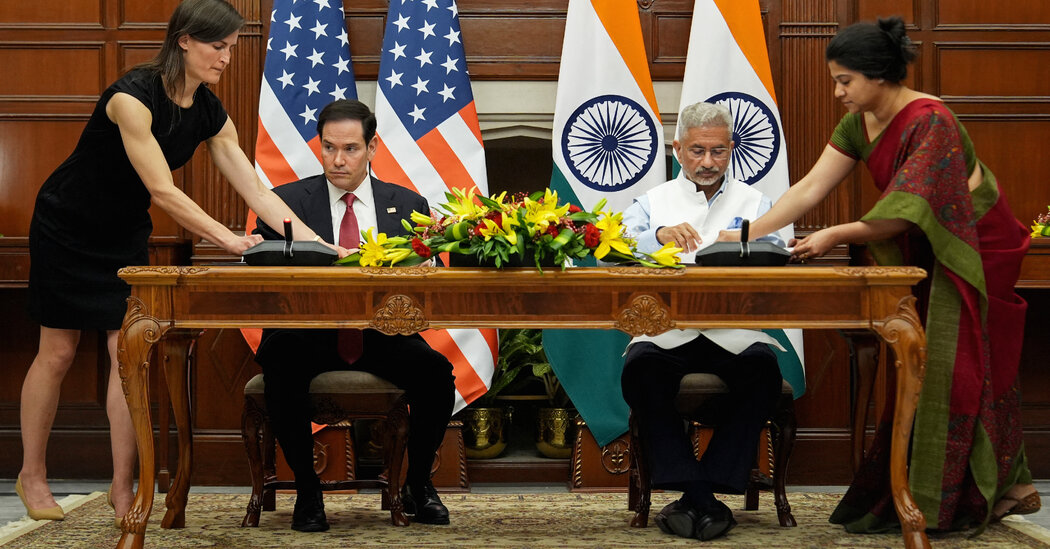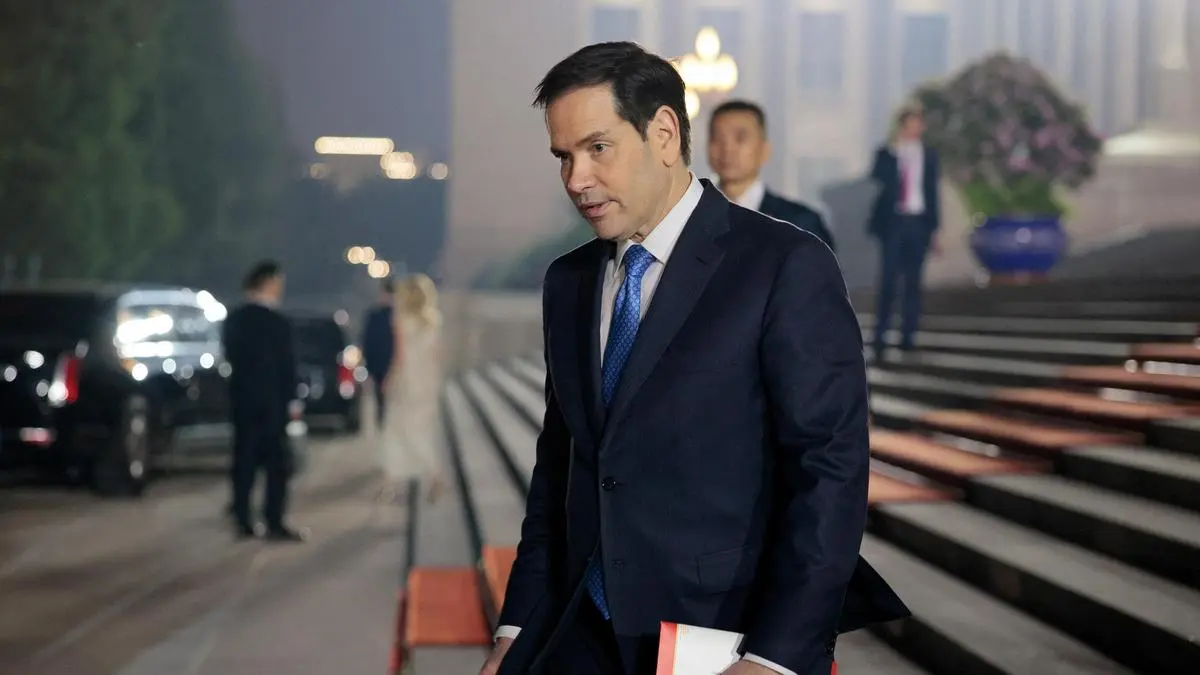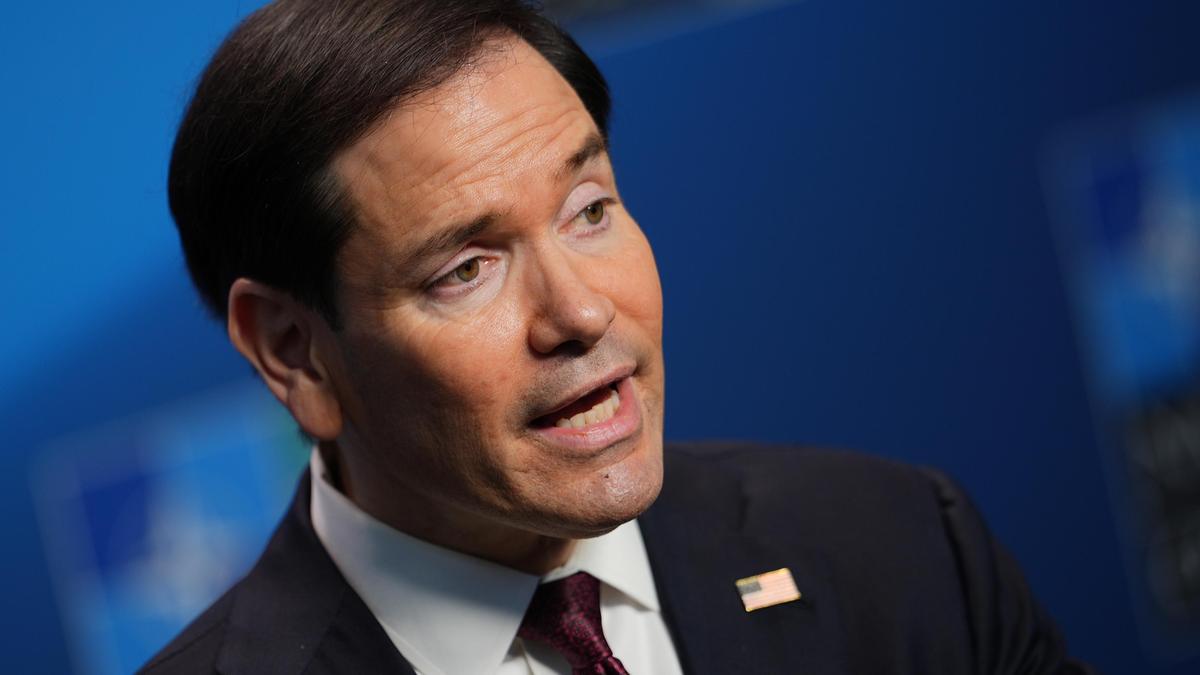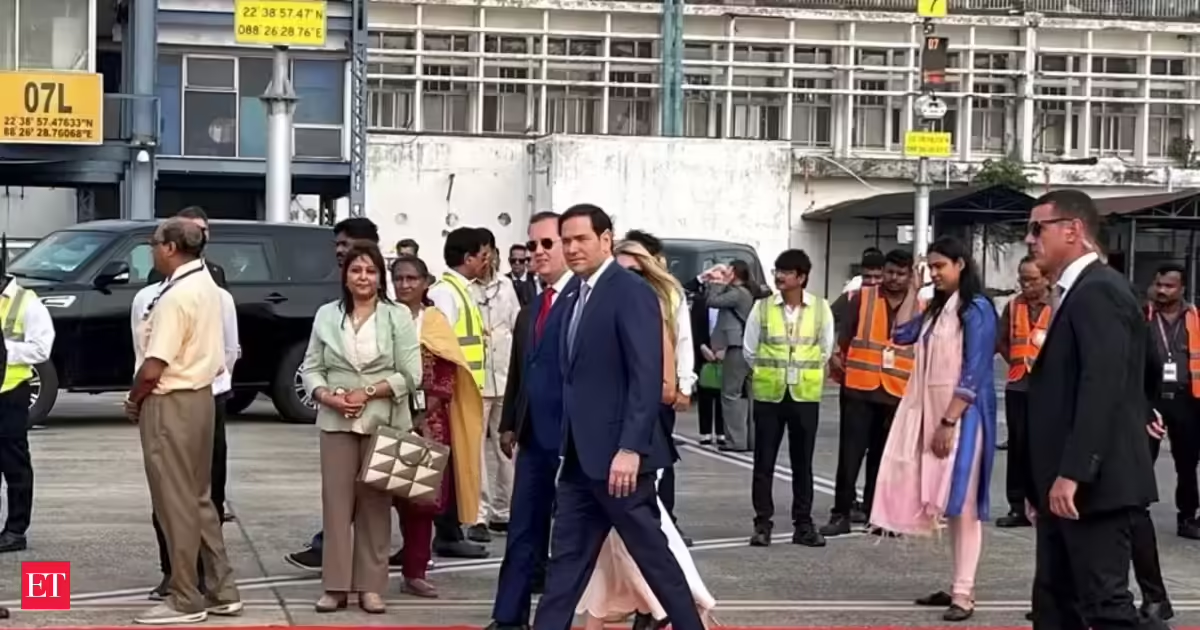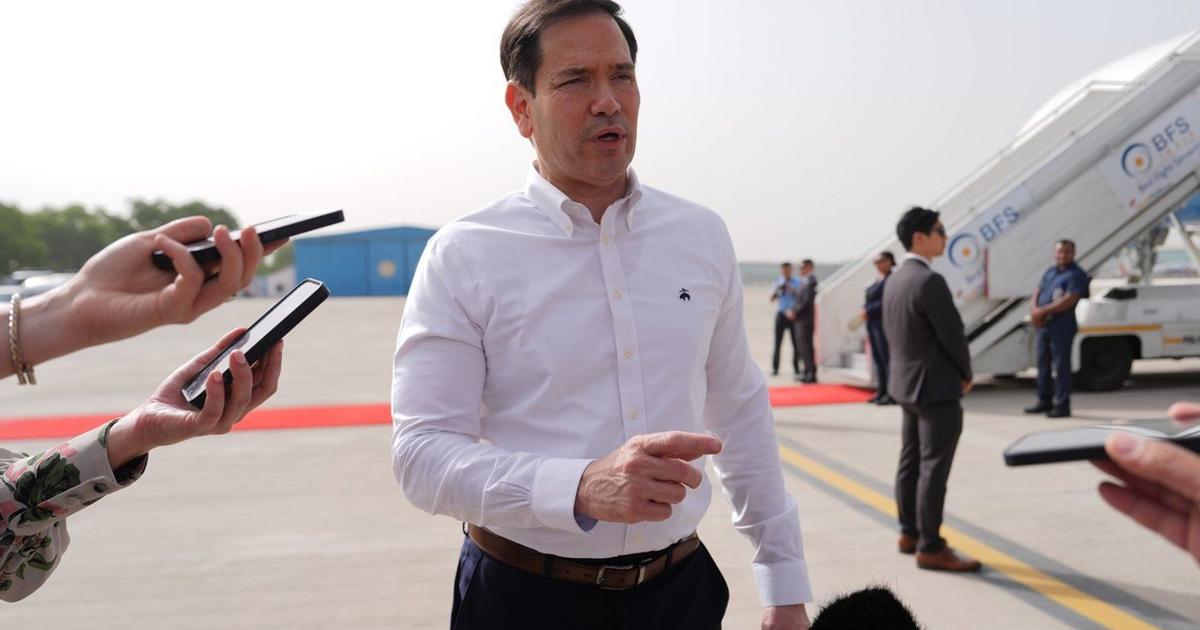
When Secretary of State Marco Rubio touched down in India last Saturday, he walked into a U.S.-India relationship fraying at the seams. The trip included cultural visits and high-level meetings with Prime Minister Narendra Modi and External Affairs Minister S. Jaishankar, as well as a meeting of Quad foreign ministers. The visit was designed to help repair U.S.-India ties, which Rubio himself has referred to as a “defining relationship of the 21st century.”It’s a major repair job.The U.S.-India partnership has long been hailed as one of the world’s most important geopolitical alignments. These are two massive democracies and economies with a shared unease about China’s rise. On paper, that should mean all the ingredients are in place for a flourishing relationship. And indeed, New Delhi welcomed President Donald Trump’s return to office with gusto. But just months after Trump’s second inauguration, the relationship started going south. The Trump administration imposed harsh tariffs on New Delhi, which unfolded fast, hit hard, and surprised the Indian government. It started with a 26% “reciprocal” levy in April 2025, with Washington hiking duties on Indian goods up to 50% by August, citing India’s continued purchase of Russian oil. This resulted in a head-scratching outcome: India was supposed to be America’s democratic counterweight to China in the Indo-Pacific region, but then briefly found itself with the highest tariff rate imposed on any U.S. trading partner, even facing a steeper rate than Beijing!
Did Marco Rubio succeed in his New Delhi repair job?
Marco Rubio's trip to India has improved fraying U.S.-India ties. But more work on visas, trade, and trust is needed.
630 words~3 min read