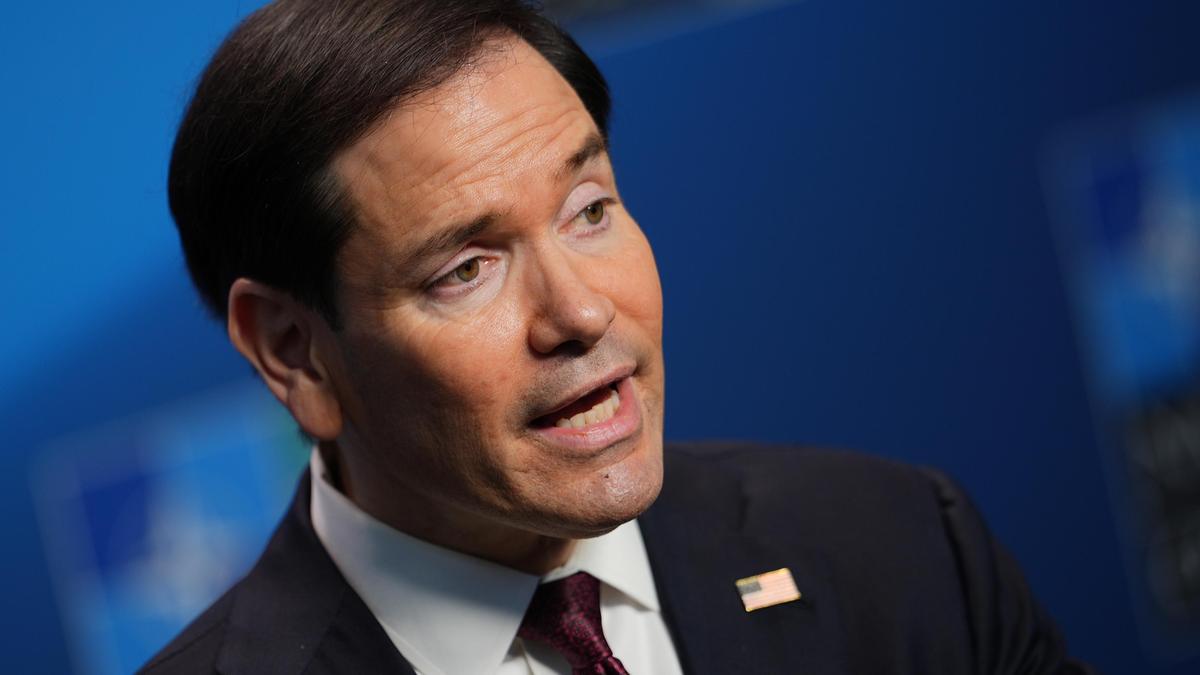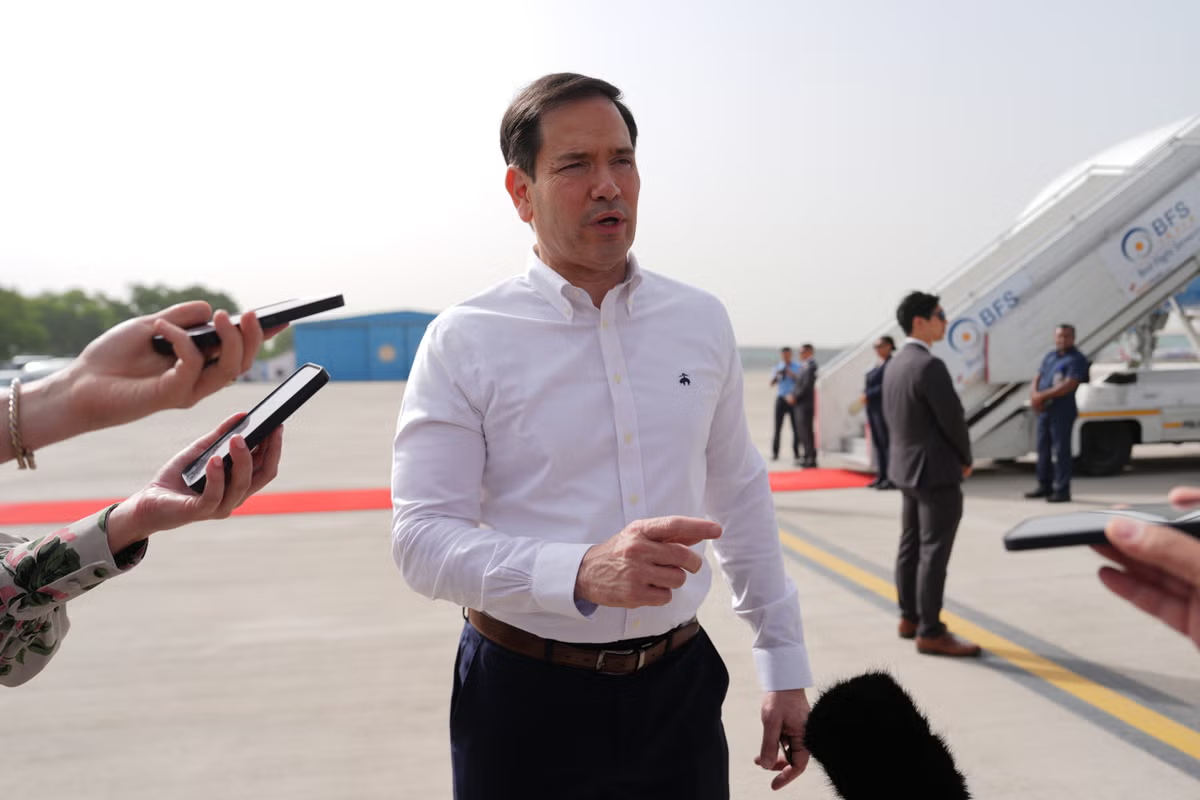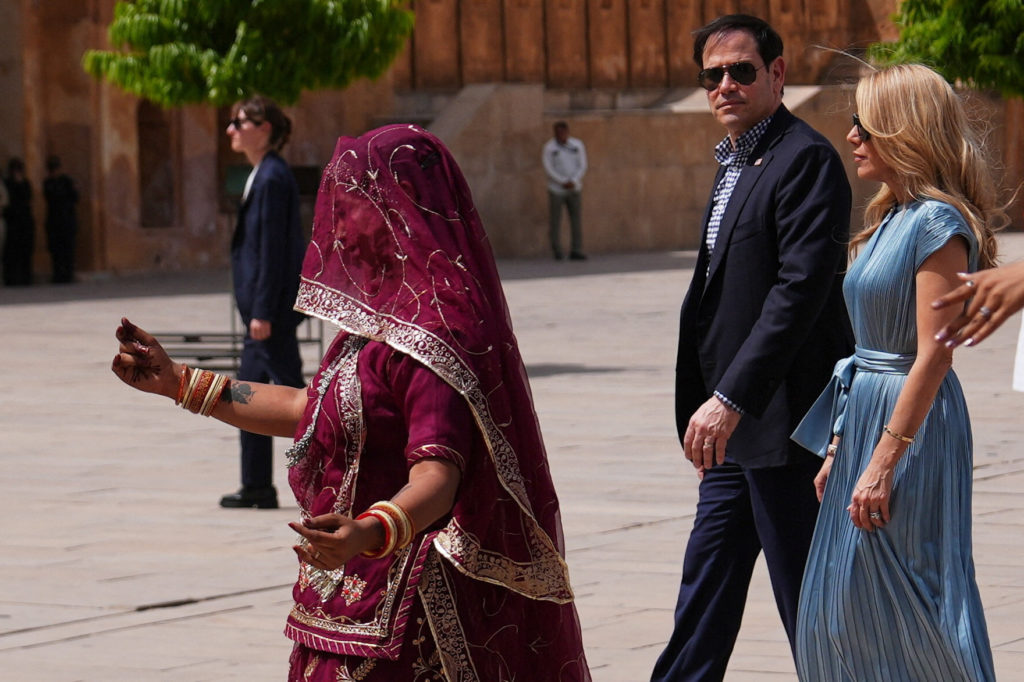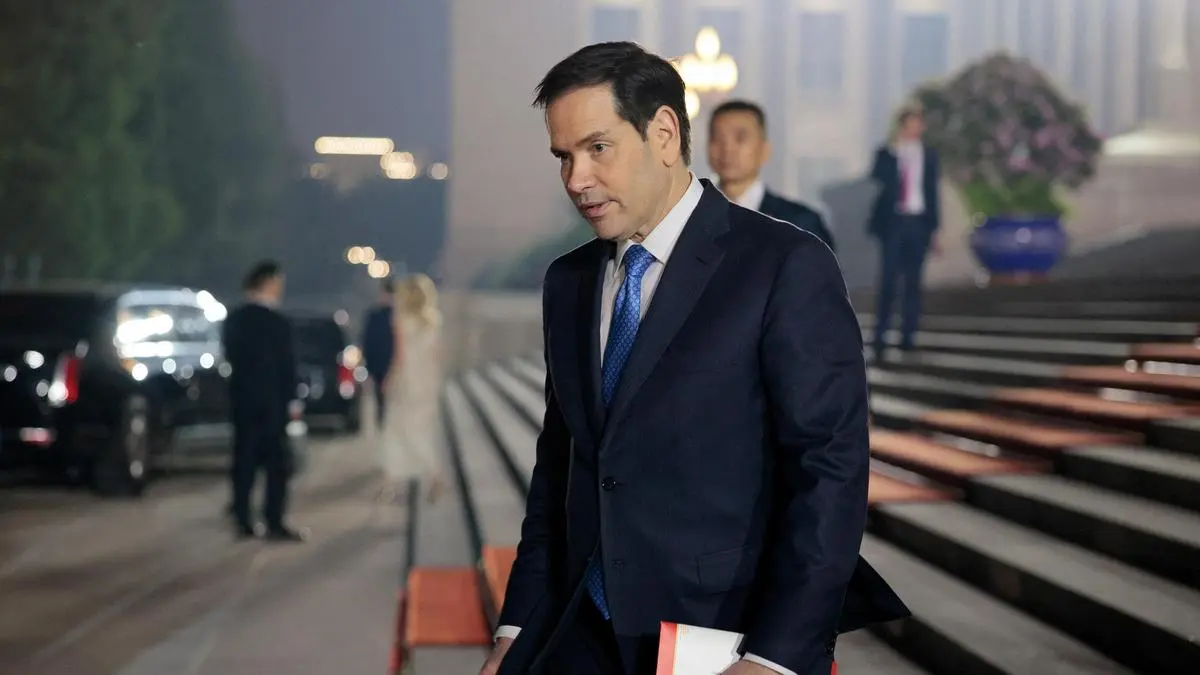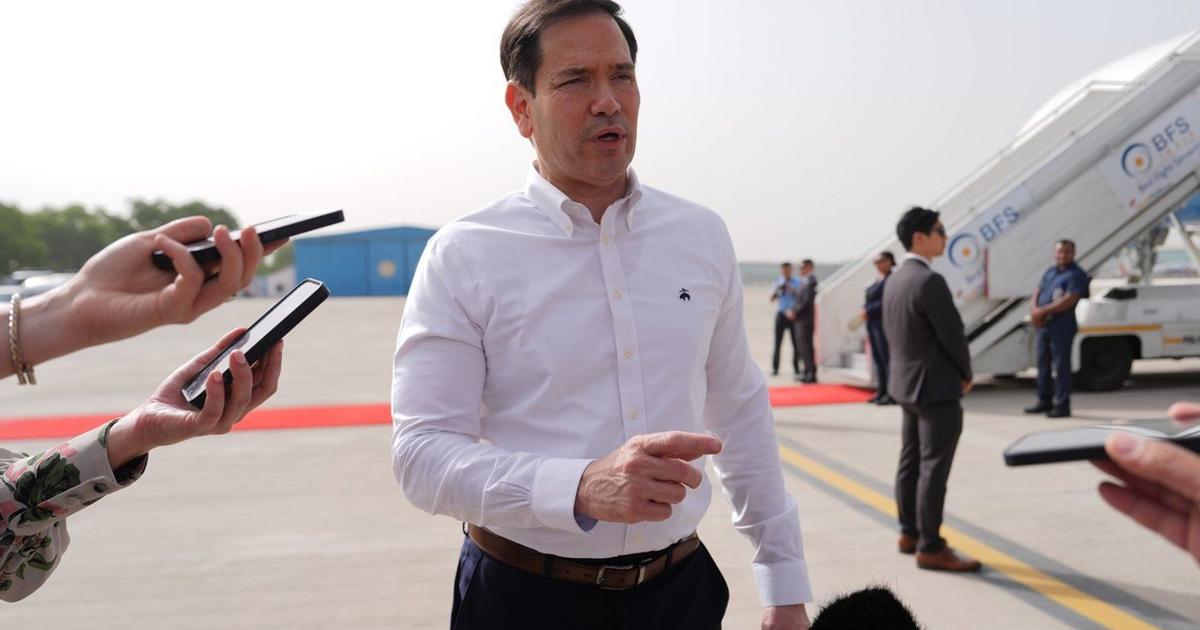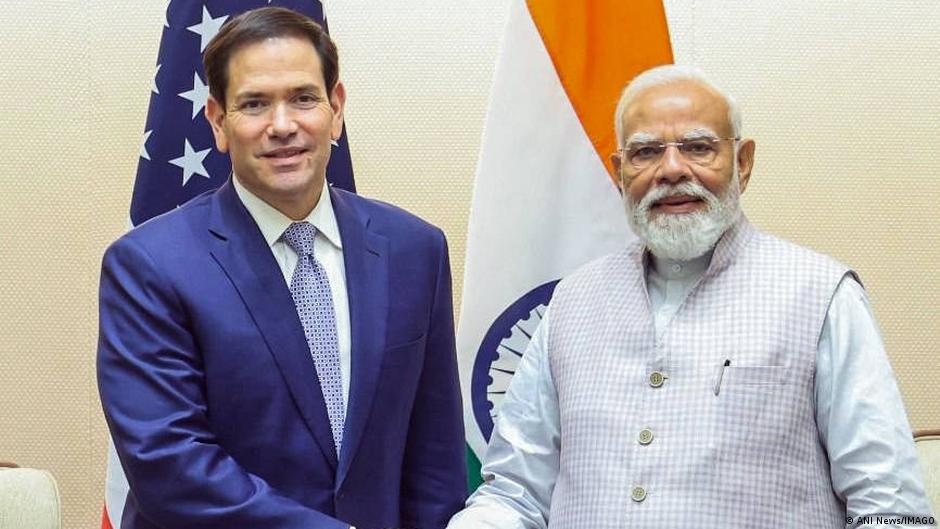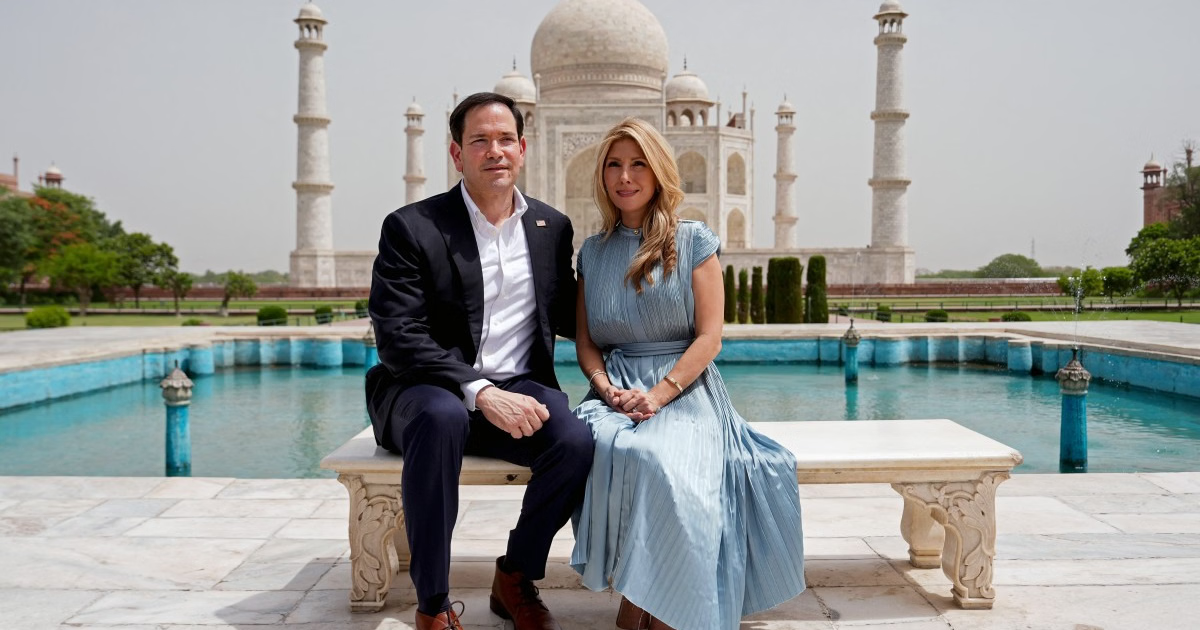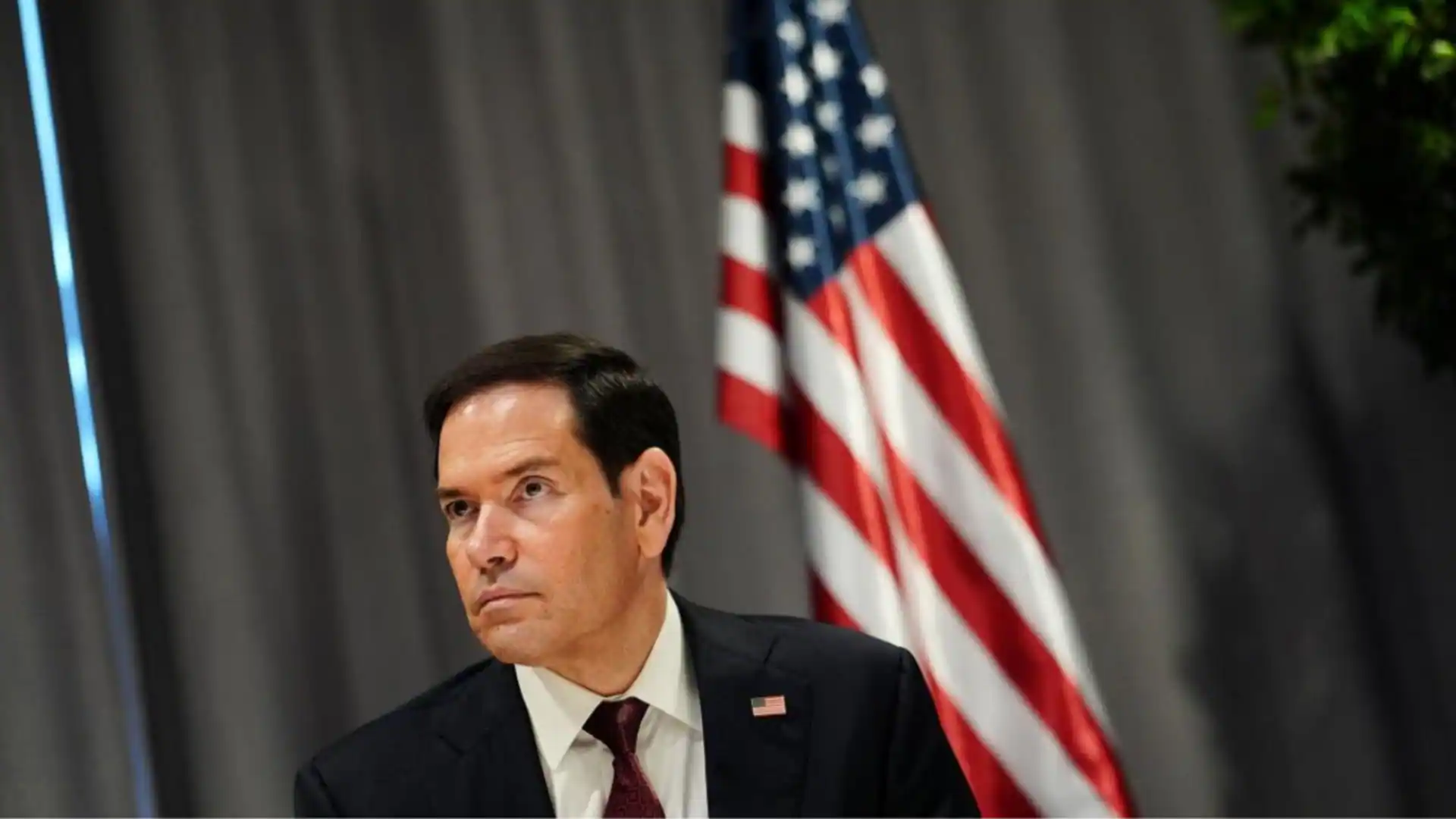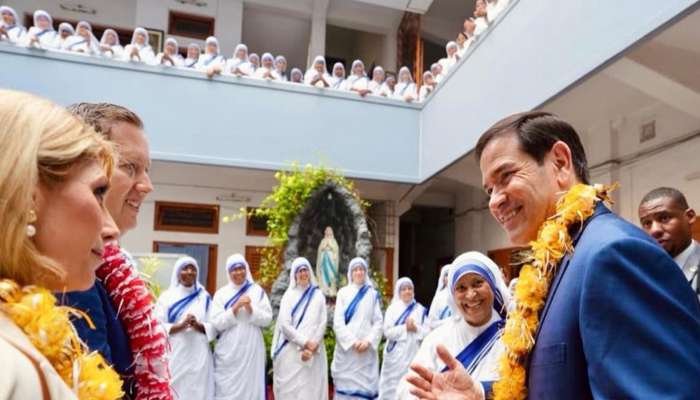
US Secretary of State Marco Rubio will be on a four-day official visit to India from May 23 to May 26. This high-profile diplomatic visit is being interpreted as a deliberate effort by the US to mend bilateral ties that have experienced unprecedented friction over the past year and rescue the traditional US-India alliance from various challenges.Relations between the two democracies got complicated after US President Donald Trump imposed severe tariffs on Indian imports, creating significant economic and strategic strain. Writing for the Council on Foreign Relations (CFR), foreign policy expert Sadanand Dhume noted that Rubio will find an Indian foreign policy establishment and commentariat "more wary of the United States than at any other time this century." Rubio's packed agenda, which spans economic cooperation, trade negotiations and strategic security, appears to be a concerted push by the US to re-anchor a pivotal partnership that had begun to drift under a highly transactional American foreign policy.Transactional diplomacy and tariff warfareThe bedrock of the contemporary US-India partnership has traditionally been a shared geopolitical setup, primarily centered on positioning India as a democratic counterweight to an increasingly assertive China. However, this foundational assumption was thrown into serious doubt by the Trump administration's erratic and protectionist diplomacy. Last year, the administration shook the relationship by slapping a 50 percent import tariff on India, which included a punitive 25 percent levy specifically targeting India's continued procurement of sanctioned Russian crude oil.This aggressive use of economic leverage alienated policymakers in India, exposing the vulnerabilities of relying on an administration that prioritises immediate commercial concessions over long-term strategic alignments. By treating a vital Indo-Pacific partner with the same tariff-driven hostility reserved for economic adversaries, the US inadvertently fostered a deep sense of strategic anxiety. This unpredictability has forced India to double down on its traditional doctrine of multi-alignment and seek alternative global safeguards, rather than putting all its diplomatic eggs in the American basket.Also Read | Marco Rubio to visit India from May 23-26 to further cooperation in fields of trade, defence and energyReviving the Quad?A casualty of this volatile American diplomacy has been the Quadrilateral Security Dialogue, or Quad, comprising India, the US, Japan, and Australia. Widely viewed as an essential mechanism for the containment of Chinese maritime and territorial expansion, the grouping has recently taken a backseat to other American foreign policy maneuvers. The cancellation of the planned Quad leaders' summit last year sparked widespread concern that the Trump administration was deprioritising the alliances in Asia, a suspicion reinforced when the grouping was conspicuously minimised in the new US National Security Strategy.Rubio's visit seems to be a calculated effort to inject fresh momentum into this stalling architecture. On May 26, the secretary of state will participate in a Quad foreign ministers' meeting in India. For the US, revitalising the Quad is essential to reassure its Asian allies that Washington remains committed to the Indo-Pacific, especially following recent high-level engagements between Trump and Chinese leadership in Beijing. For India, however, the enthusiasm for the grouping is now tempered by a profound caution regarding American reliability. Indian policymakers increasingly view strategic cooperation with the US through a highly pragmatic lens, balancing their participation in the Quad with active engagement in other non-Western forums like BRICS.Also Read | India great partner, ready to expand energy exports: Marco RubioThe Venezuelan oil gambitThe most pressing material driver of Rubio's trip, besides defence and technology, appears to be oil. The ongoing hostilities in the Persian Gulf and the subsequent closure of the vital Strait of Hormuz have severely threatened India’s energy security, driving up global crude prices and disrupting traditional supply chains. Recognising India's vulnerability as one of the world's largest energy markets, the US is aggressively positioning itself as a stabilising partner capable of diversifying Indian energy portfolios.Before departing for his European and Asian engagements, Rubio declared that the US is operating at historic levels of production and export, stating that the administration wants to sell India as much energy as it will buy. Rubio also announced an upcoming visit of Venezuela’s interim President Delcy Rodríguez to India. This announcement underscores a broader American strategy to facilitate the sale of Venezuelan crude to India, utilising alternative energy routes to offset the shortfall caused by Middle Eastern instability and Western sanctions on Russian seaborne oil. By integrating Venezuelan energy flows into the bilateral matrix, the US hopes to simultaneously ease the squeeze on the Indian economy and diminish India’s reliance on adversarial energy suppliers.Public diplomacy and the limits of alignmentAs Rubio prepares to travel across major cultural and political hubs including Kolkata, Agra, Jaipur, and the capital city, the US Embassy has launched an aggressive public diplomacy campaign to signal alignment. Thousands of auto-rickshaws have been fitted with Trump-themed covers featuring the American flag and the Statue of Liberty, intended to celebrate the upcoming 250th anniversary of American independence.Yet, beneath this colorful choreography lies a relationship that faces a clear structural ceiling. While Rubio has repeatedly praised India as a "great ally" and a "great partner," India remains wary of formal alliances that can compromise strategic autonomy. This friction is exacerbated by historical sensitivities; such as India rejecting outright Trump’s public claims of mediating between India and Pakistan during Operation Sindoor following the Pahalgam terror attack. While Rubio's rescue mission may successfully smooth over the immediate cracks caused by trade wars and energy shocks, the underlying reality remains that the US-India partnership has yet to slide back into the previous track of close alignment. "Over the past twenty-five years, successive U.S. administrations, Republican and Democrat alike, have wooed India as a potential democratic counterweight to China in Asia. But today the relationship appears rudderless. It will take sustained effort by both sides to put it back on track," writes Dhume.
Rubio coming on a rescue mission to India? Here are the high stakes
US Secretary of State Marco Rubio visits India to strengthen ties. The visit addresses trade friction and strategic concerns. The US seeks to re-anchor the partnership. Energy security and the Quad dialogue are key discussion points. India balances cooperation with its strategic autonomy.
960 words~4 min read