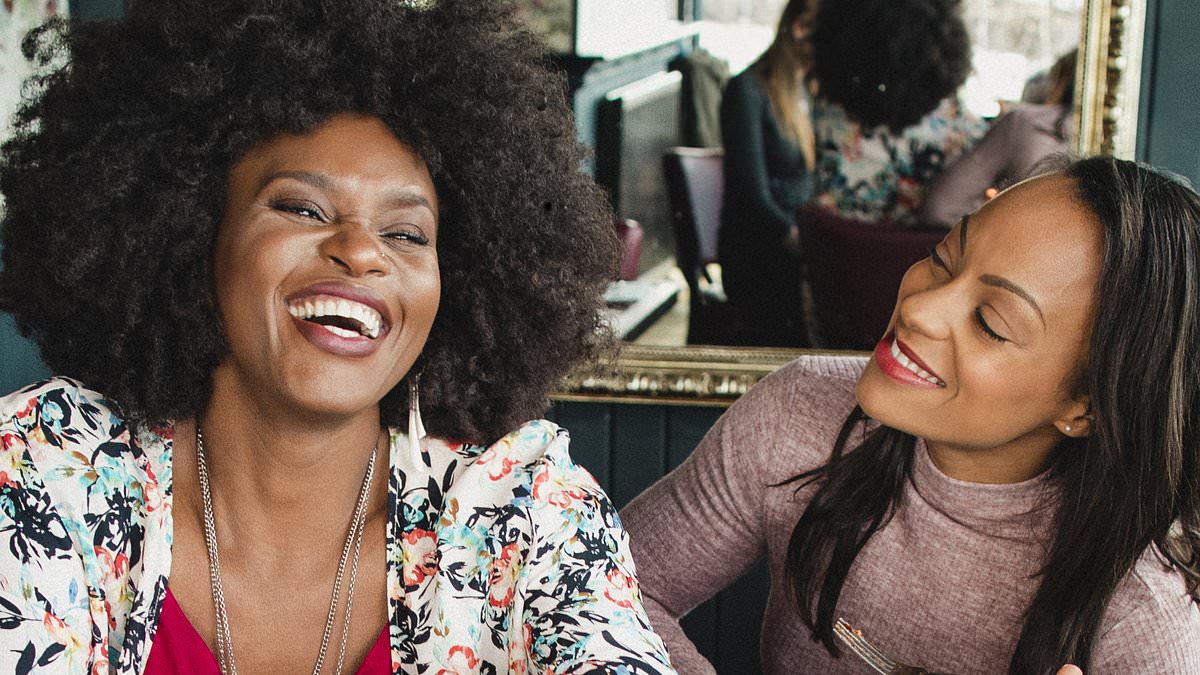
An enduring fiction about female friendship is that it is a leisure activity, an indulgence that exists on the margins of real life. For adult Indian women, this real life is imagined as marriage, children, domestic work and caregiving, and in some cases, paid work too (and in rarer cases, perhaps even a career). If one does not understand how female friendship can be a lifeline, it is easy to dismiss the time spent sustaining it as wasteful.To appreciate the significance of female friendship, one must first understand the profound social isolation that defines the lives of countless Indian women.Aside from writing fiction, the author of this article builds human-centred technology products at a nonprofit working in maternal and child health. A lot of time in this line of work is spent talking to and learning about diverse women from different parts of the country in order to understand how they access information, make decisions and exercise agency, especially around health and nutrition. Through such conversations and research, the author realised how difficult it was for Indian women to maintain friendships after marriage, and as a consequence, how uncommon it is for married women to have close friends.Also Read | A book about female friendshipsDocumented gapAccording to a Gallup poll from 2004 (incidentally, the same year the popular sitcom Friends aired its last season), the average American woman had eight close friends.In contrast, more recent studies by the World Bank show that rural women in Uttar Pradesh, Odisha and Uttarakhand have between one and three close social connections outside the family. In many ways, this is not surprising; in most parts of the country, women move homes — sometimes even towns and States — after marriage, and while more women than ever before now own smartphones, there are gatekeepers who supervise and dictate their use of technology. Even if they were to reside in the same village or town, it is not much easier for women to keep in touch with a friend.According to the most recent National Family Health Survey (NFHS-5), only 42% of Indian women are allowed to travel alone outside the home, even to the market or to access health facilities. Additionally, over 10% of married women reported not being allowed to meet female friends.Method of isolationThis social isolation of young women is neither an accident, nor simply an unfortunate by-product of social norms. Limiting women’s access to information and values which can challenge the status quo preserves patriarchal control over them.A 2021 study from Uttar Pradesh showed that the number of peers a married woman has (or perhaps it is more appropriate to say, is ‘allowed to have’) shrinks when her mother-in-law does not approve of family planning or if the mother-in-law wants her to have more children, specifically more sons, than the younger woman herself would prefer to have. By restricting a young wife’s ability to form friendships and consult with peers, the family can ensure that the preferences of the husband and the in-laws prevail, especially in critical decisions around fertility and family planning.While this may seem far removed from our own lives and contexts, modern urban living introduces its own barriers to connection: the twin crises of time and space. Women across classes shoulder the double burden of professional and domestic work. Compared to their rural counterparts, urban women face another key disadvantage: nuclear family units leave women without the built-in “village” of female kin that can provide a buffer against domestic stress. Friendship is one of the first casualties of this time-poverty.Sociologist Ray Oldenburg coined the term “third places” for spaces of social gathering distinct from home and work. He argued that community and democracy thrive in third places; and friendships do, too. For many urban women today, safe, non-commercial spaces to congregate are vanishing.A potential lifelineIronically, the dismissal of friendship as unimportant hurts men just as deeply. We are currently witnessing a silent epidemic of male loneliness, where men, conditioned to prioritise stoicism and side-by-side activities over face-to-face connection and vulnerability, often reach middle age with no emotional support system outside of their marriage.If men were to value friendship with the same intensity that women do, if they were to view it as an essential nutrient for a fulfilling life rather than a mere garnish, they might find themselves not only healthier, but less threatened by the women who have known this secret all along.Female friendship can be an emotional, social and political lifeline for women. Our friends show us different ways of being in the world. They teach us how to take up space, how to challenge power and bargain with it. Perhaps this is what society fears. We often imagine the fight for women’s empowerment as a public spectacle, as marches, protests, and activism, but this fight can take a very different form as well.For many women in this country, sustaining and safeguarding female friendship —be it in the form of a catch-up on the phone, an exchange of messages on WhatsApp, or a walk around the neighbourhood late in the evening — is no less than an act of resistance.Amrita Mahale is author of the novels ‘Milk Teeth’ and ‘Real Life’. She also works in public health
The absolute necessity of female friendships
Female friendship can be an emotional, social and political lifeline for women. Our friends show us different ways of being in the world.
869 words~4 min read