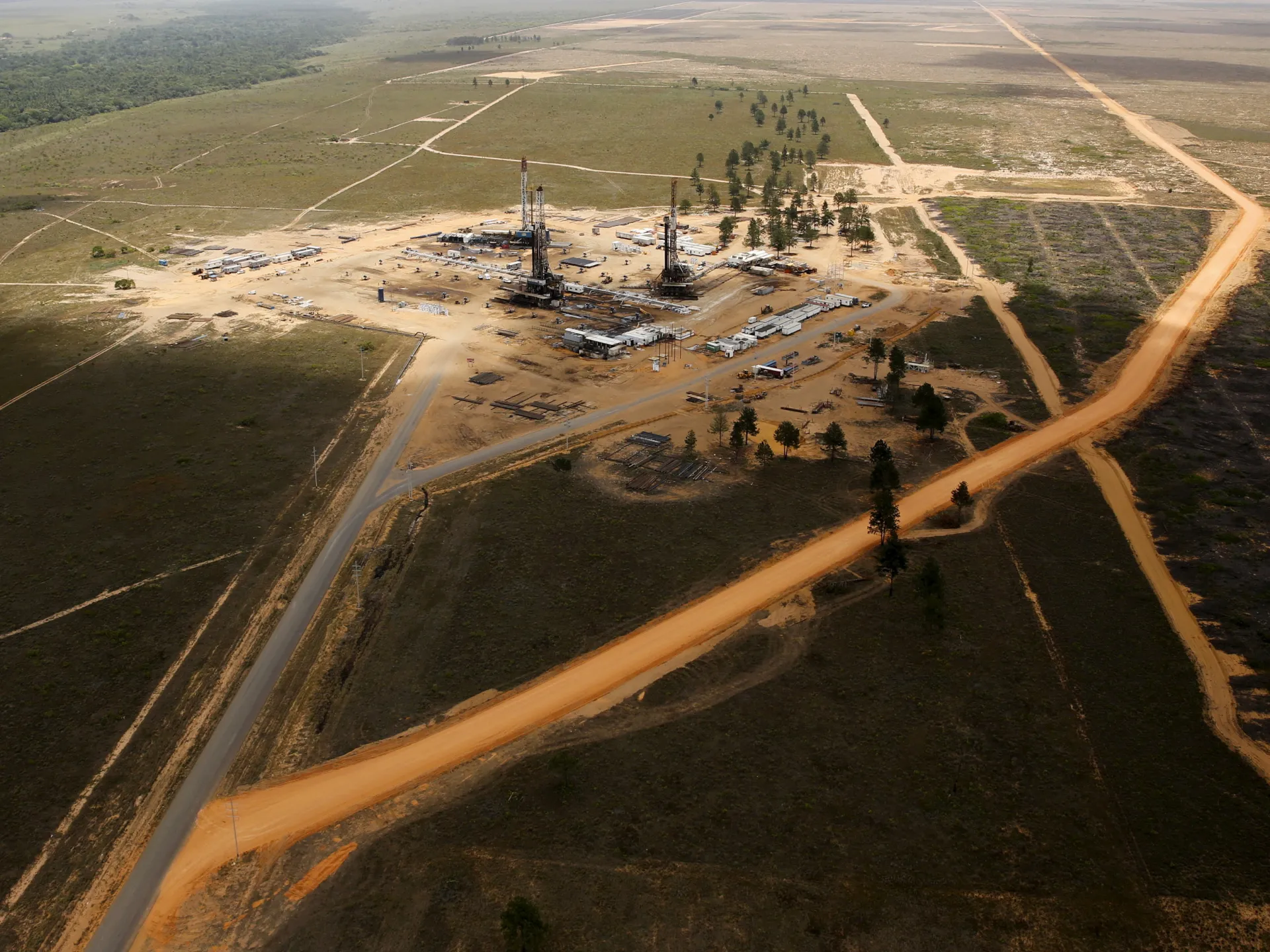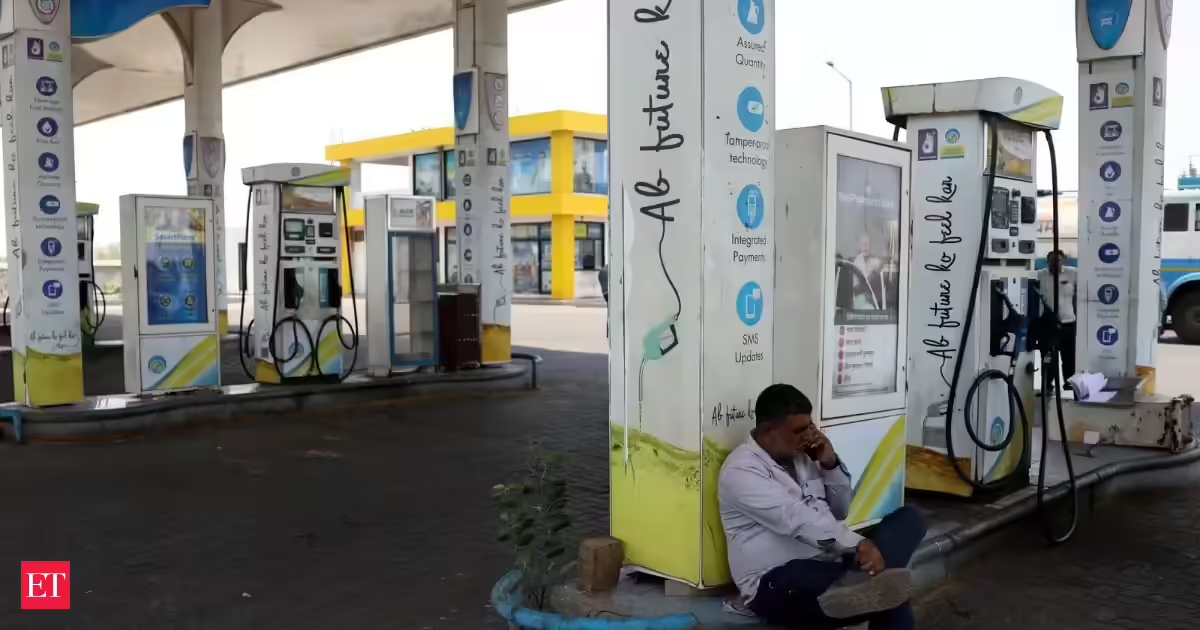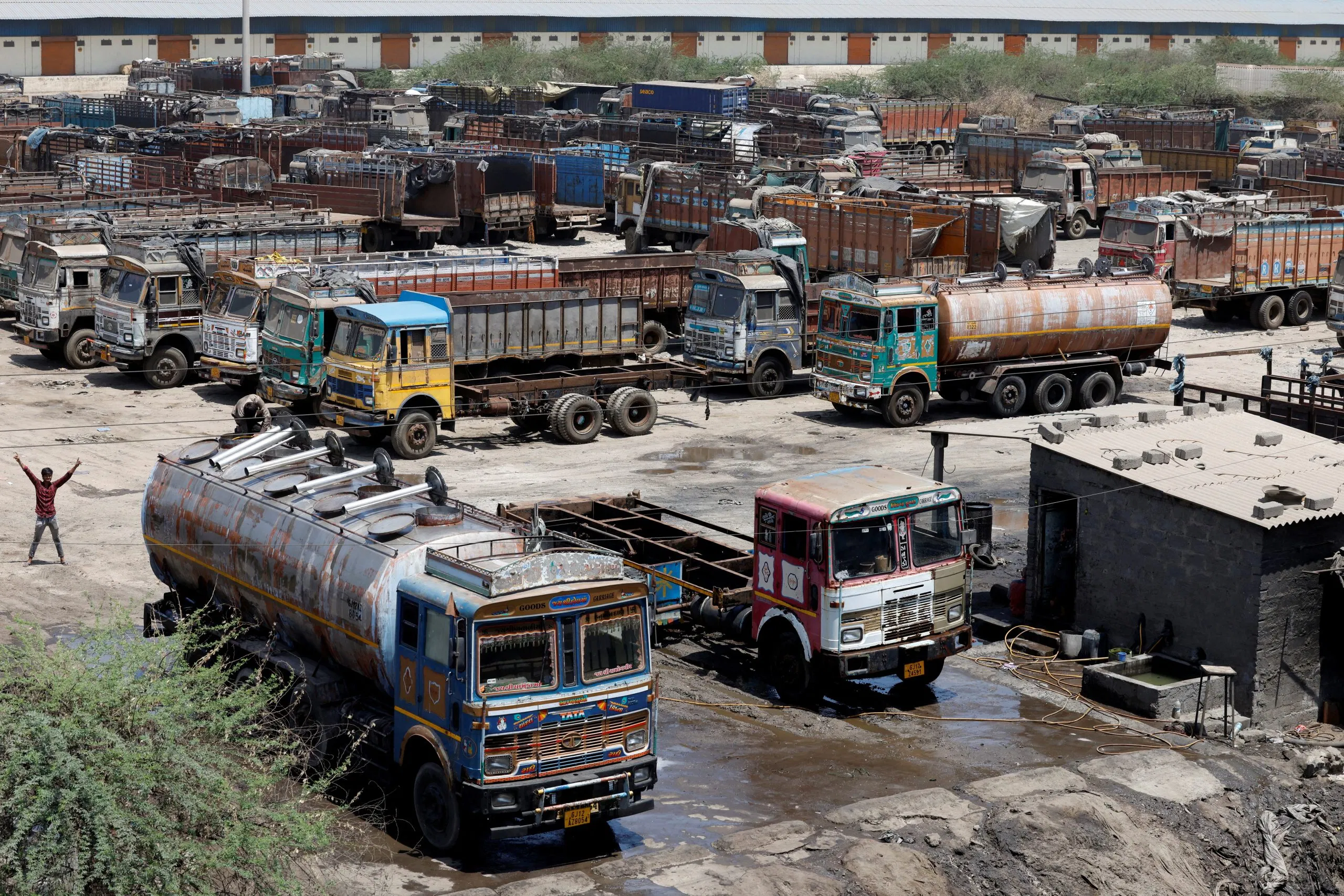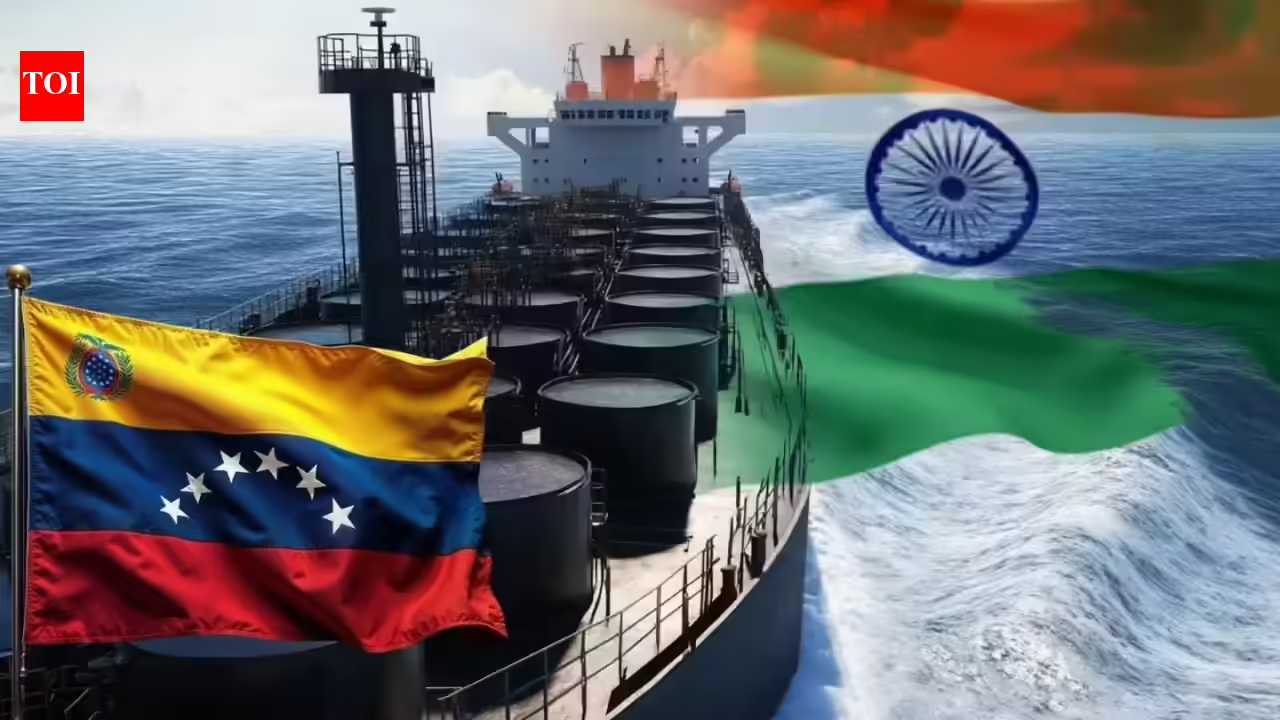
Asian nations are scrambling to find new oil and gas suppliers as the Iran war stretches on and negotiations over the Strait of Hormuz remain murky at best. Asia, the primary purchaser of oil and gas supplies out of the Gulf, has been hit hardest by the sudden blockage of approximately one-fifth of the world's crude trade. Energy prices are soaring throughout the region, and global oil reserves are running dangerously low. As a result, Asian leaders are racing to establish new sources of energy, from accelerating home-grown clean energy infrastructure to forging new and surprising trading partners.India, in particular, has been thrown into turmoil by the extended closure of the Strait of Hormuz. The waterway has historically seen the passage of 40 percent of India's crude oil supplies. Its overnight closure has therefore caused a major shock to the world's most populous nation, pushing energy prices and inflation to soar, the rupee to plummet, and investors to flee. Indian government data shows that foreign investors pulled over $20 billion out of Indian equities in the first four months of the year, and the country's currency has plummeted to a historic low against the United States dollar.It is against this backdrop that India has greatly strengthened its trade relationship with Venezuela. The South American nation is home to the biggest proven oil reserves in the world, but its export sector has collapsed over the last decade through a combination of gross mismanagement, economic and civic collapse, and broad sanctions driven by the United States and upheld by many of its political allies. But in the last quarter, shipments of Venezuelan oil to India have risen by about 50 percent, making Venezuela India's third-largest crude supplier behind Russia and the United Arab Emirates.The uptick in Venezuelan oil and gas exports is only partially due to increased demand driven by the United States and Israel's war in Iran. The other, perhaps primary reason is that Venezuela's oil industry is now under the control of the United States after President Nicolas Maduro was captured by U.S. troops and abducted from Venezuela in January. Now that Washington has control of Venezuela's estimated 303 billion barrels of oil, the Trump administration seems to be "eager to push Venezuelan crude back onto the global market" according to recent reporting from Al Jazeera."Analysts say Washington is attempting to reshape global energy supply chains – reducing Iran's leverage in any peace talks – while simultaneously tightening its grip over Venezuela's oil sector," the report goes on to say.However, it may be too soon to announce any kind of comeback for the Venezuelan oil sector – and, likewise, too soon for India to count on Venezuelan crude as a long-term lifeline. Venezuela's infrastructure is in such dire straits that the scale of investment needs "clouds post-Maduro economic hopes" in the words of France 24.The United States' outsized impact on global energy markets and role in increased global market turbulence may have lasting and unintended consequences on international energy strategy and security, especially in Asian nations. Indeed, the United States actions (and inactions) in Asian energy markets are eroding trust in Washington as a strategic ally in much of the East. India, Indonesia, and the Philippines have all experienced devastating economic consequences with little relief in sight.Policy analysts at the East Asia Forum have reflected that "The war has […] fuelled doubts about US security commitments in the Indo-Pacific" and may catalyze greater inter-Asian cooperation and coordination in response to shifting trade winds. "As the United States and China have grown increasingly unreliable, regional integration in security, energy and finance has become a necessity to cushion the region from the long-term costs of the Strait of Hormuz crisis," the East Asia Forum report concluded.By Haley Zaremba for Oilprice.comMore Top Reads From Oilprice.comNordex Pushes EU to Ban Chinese Wind Turbines From European GridsHormuz Shutdown Sends Capital Flooding Back Into RenewablesWhy Brent and WTI Crude Price Movements Are Diverging Today
How U.S. Control of Venezuelan Oil Is Reshaping Asian Energy | OilPrice.com
With the Strait of Hormuz blocked and Maduro gone, the U.S. is ramping up Venezuelan oil exports — and India is buying.
658 words~3 min read