India, even as it tilts towards the U.S., is increasingly finding that Washington’s policies work to its detriment, particularly in matters of energy security. The Iran war has only exacerbated the issue.
On Monday, the U.S. began blocking ships from entering or exiting Iranian ports via the Strait of Hormuz — one of the world’s most critical oil chokepoints — in a bid to pressure Tehran after peace negotiations collapsed.
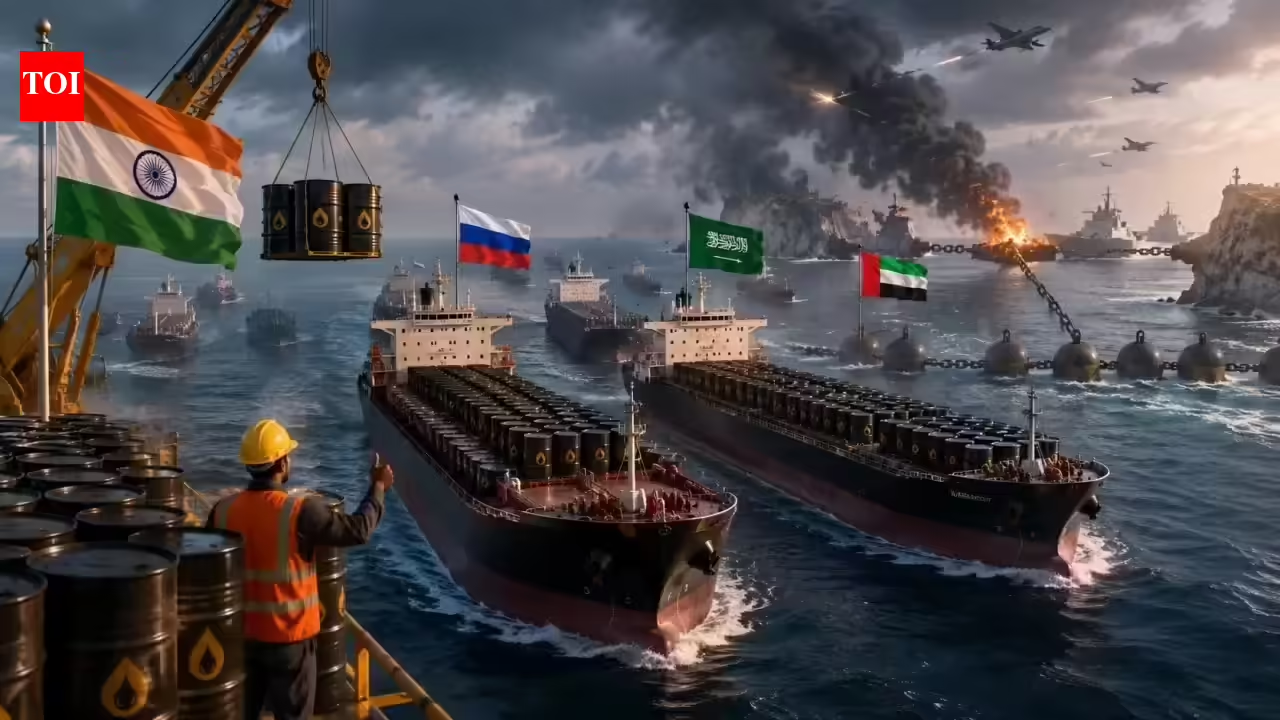
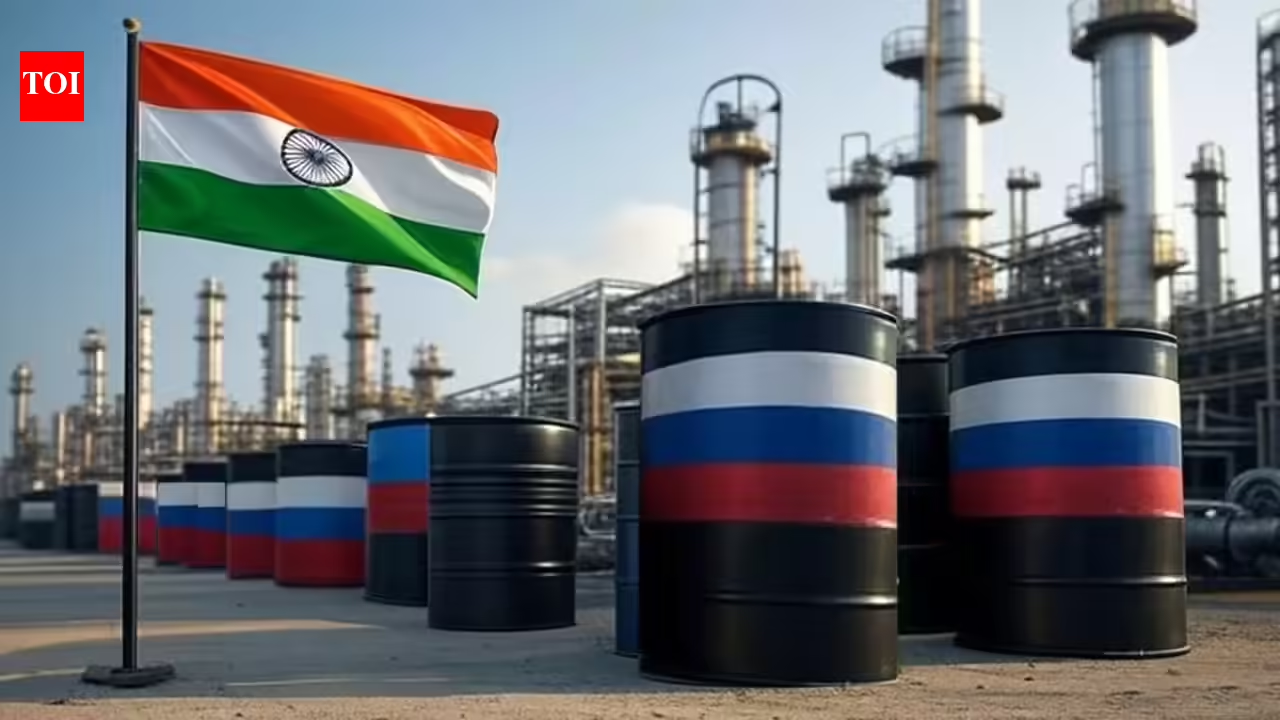
Experts said the move dealt a blow to New Delhi, which had just imported its first Iranian oil shipment in seven years as it scrambled to meet energy needs amid the Iran war. Compounding the strain, a U.S. waiver allowing countries to buy Russian crude expired on April 11, removing another key source of energy supply as global markets remain tight.
Mukesh Sahdev, chief oil analyst at energy intelligence firm XAnalysts, told CNBC that India is facing a mounting supply squeeze “with the loss of Iranian barrels, plus not getting the Russian barrels.”
India imports more than 85% of its crude oil requirements — around 5.5 million barrels per day — making it the world’s third-largest oil importer. According to Sahdev, the country has already lost about 3 million barrels per day of crude that previously transited through the Strait of Hormuz, forcing refiners to scramble for alternative supplies, particularly from Russia.