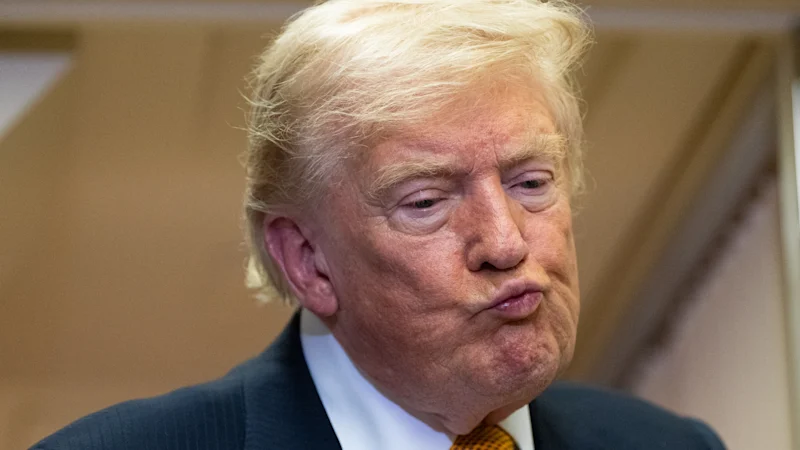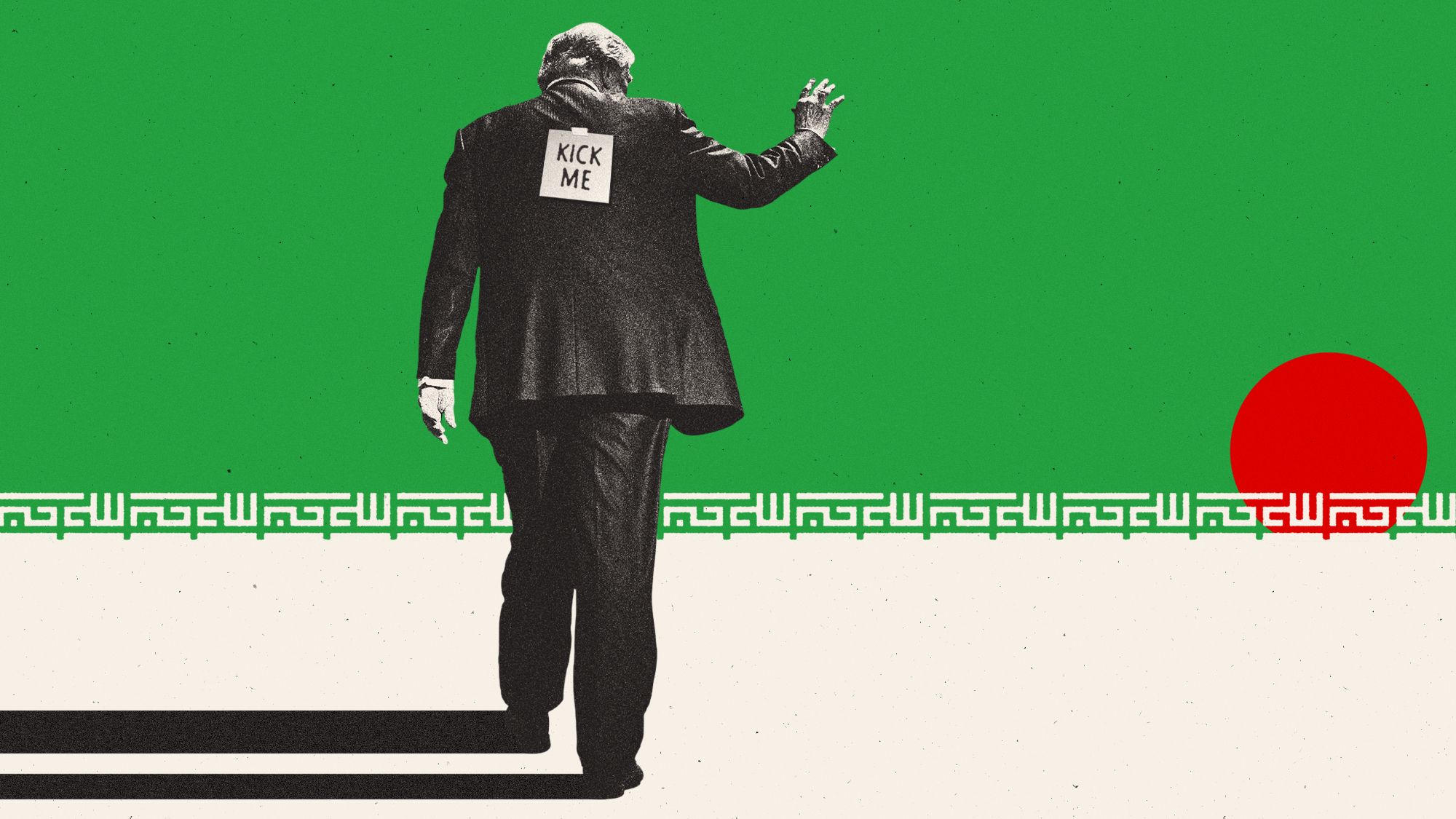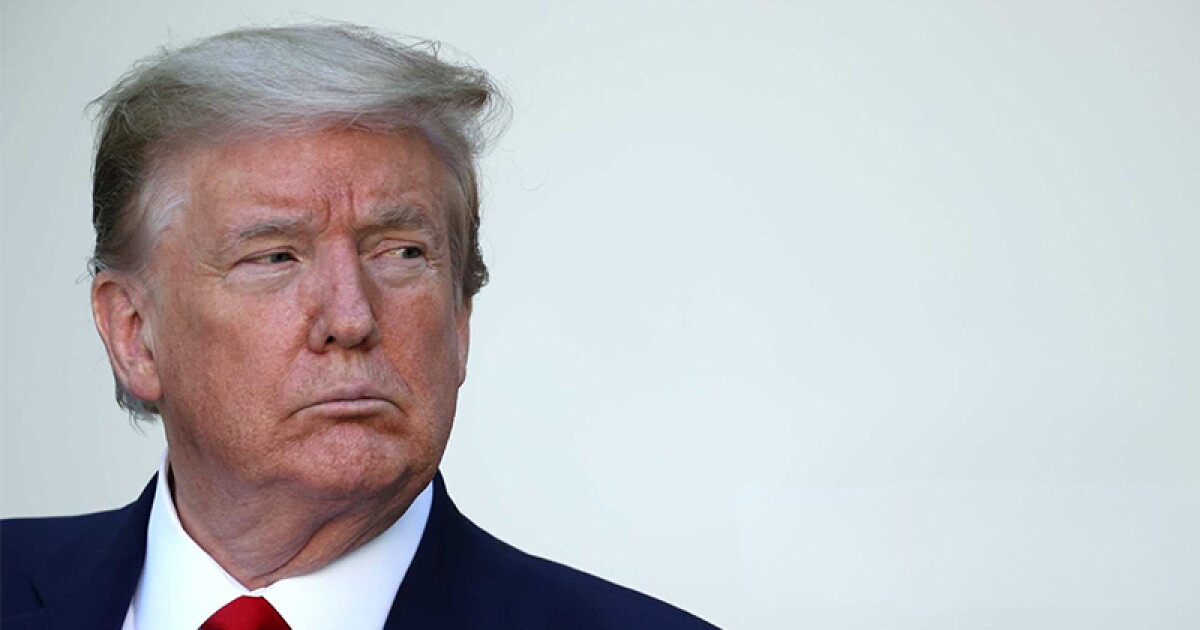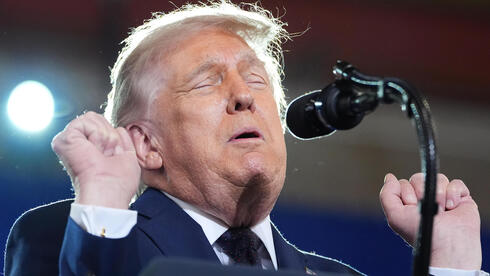
Opinion: Opening the Strait of Hormuz could give Trump an important but insufficient win; to claim he beat Obama on Iran, he needs something concrete: removing or destroying enriched material, or credible oversight proving the threat was addressed, not delayedEldad Shavit|U.S. President Donald Trump wants a deal with Iran. More than he wants a deal, he wants a victory photo. Trump is not only negotiating over the nuclear issue, Hormuz and sanctions. He is fighting a war over the narrative. Against the backdrop of growing criticism of the details of the emerging agreement, Trump needs to prove that the deal he brings, if he brings one, will be far better than Obama’s nuclear deal. For him, that is the heart of the problem.This is where his strategic embarrassment begins. He knows he wants to get out of the crisis, but he does not know how to do so without appearing to have compromised. He wants a deal, but he cannot accept a vague one. He wants to avoid a prolonged war, but cannot allow Iran to prove it did not surrender. He wants to calm the Gulf states and energy markets, but at the same time must appear tough toward Tehran. In other words: Trump is looking for a ladder to climb down from the tree, but every ladder offered to him so far looks like a retreat.1 View gallery US President Donald Trump (Photo: AP Photo/Alex Brandon)That is why the issue of enriched material has become the central test, though here too there is uncertainty. Opening the Strait of Hormuz could provide Trump with an important achievement, but not a sufficient one. To claim he won the argument with Obama, he needs something tangible: the removal of enriched material from Iran, its destruction, or at least a credible inspection mechanism that would allow him to say the threat was not postponed but addressed. But it is unclear whether the gap between destruction, removal and dilution translates for him into a strategic diplomatic difference, not just a technical one. Diluting the material, an option the Iranians may be willing to discuss, is not the same as removing it from the equation.Beyond that, even if some formula is found regarding highly enriched material, it is still unclear what will happen to Iran’s stockpile of uranium enriched to 20%. This is not a marginal issue. Stockpiles at different enrichment levels affect the time needed for a future breakout, so an agreement that focuses only on highly enriched material but leaves ambiguity around the rest of the stockpiles could allow each side to tell a different story: Trump will claim he removed the central threat; Iran will claim it preserved its capabilities; and Israel will fear that the technical gaps have become a strategic problem.The Iranians understand this weak point very well. In the indirect negotiations, they are not merely responding to American proposals; they are trying to exploit Trump’s sense of urgency. The more he needs an achievement, the greater their room for maneuver becomes. They can offer calm in Hormuz, reduced tensions, continued talks and general formulas on the nuclear issue, without truly giving up their core assets. From Tehran’s perspective, this is the best way to try to give Trump raw material for a victory speech without appearing to have surrendered.But that is precisely where the danger of deterioration lies. The more Trump wants a deal, the more he may find himself on a path toward escalation. If he accepts a weak Iranian formula, he will be accused of bringing an agreement worse than Obama’s. If he rejects it, he will have to prove that American pressure still works. And if Iran continues to apply pressure on the ground, especially in Hormuz, he may be pushed into another military action to preserve his credibility. The U.S. strike overnight against Iranian vessels that Central Command said were trying to lay mines illustrates that the negotiations are not taking place alongside the military reality but inside it.The Gulf states are also applying pressure. For them, Hormuz is not a symbol but a lifeline. They want stability, freedom of navigation and reduced risks, but they fear an agreement that would leave Iran with leverage. At the same time, they are also afraid of the possible consequences of escalation. At home, Trump faces a public that does not want a long war, but also Republicans who will not forgive him if he appears to have given Iran relief without real nuclear concessions.Eldad Shavit Above all of this stands Israel. Jerusalem cannot openly confront Trump, but it also cannot accept an agreement that leaves the nuclear issue unresolved and reduces its freedom of action. In Lebanon, the problem is even more acute. Hezbollah cannot be left unanswered for long, especially amid the drone threat and the rebuilding of its capabilities, but any broad Israeli operation could harm the American effort vis-à-vis Iran.Therefore, the dilemma is not only whether there will be an agreement. Trump may try to present any arrangement as the best deal ever achieved. But if Iran does not truly concede, if Hormuz remains a lever of pressure and if Israel is pushed into restraint against Hezbollah and Iran, Trump’s desire for a deal could become the fast track to deterioration. He wants to tell a story of victory. Reality may write him a very different story.Col. (res.) Eldad Shavit is a senior researcher in the U.S. program at the Institute for National Security Studies, a former head of the Mossad’s Research Division and a former assistant for assessments to the head of the IDF Military Intelligence Research Division.
Trump looks for a way down from the Iran tree and a photo op, too
Opinion: Opening the Strait of Hormuz could give Trump an important but insufficient win; to claim he beat Obama on Iran, he needs something concrete: removing or destroying enriched material, or credible oversight proving the threat was addressed, not delayed
936 words~4 min read