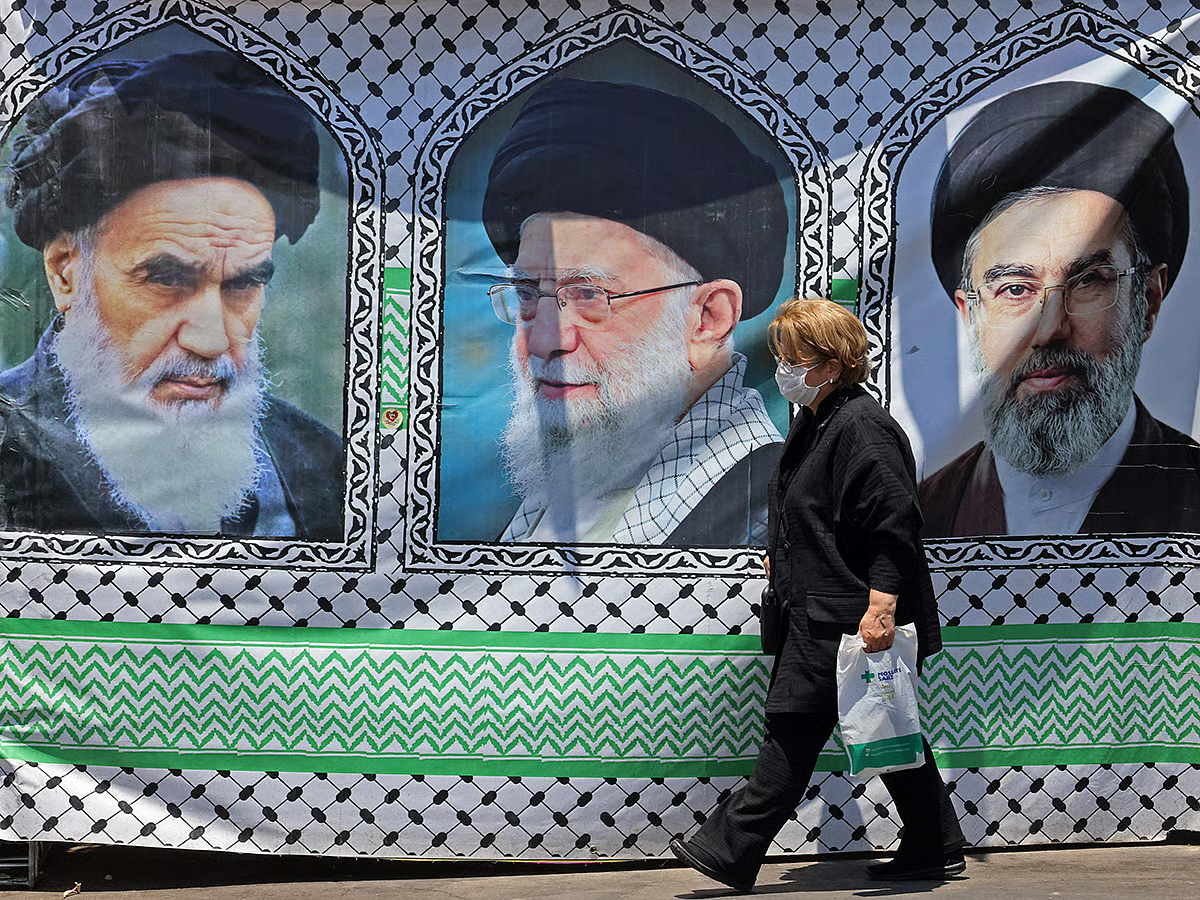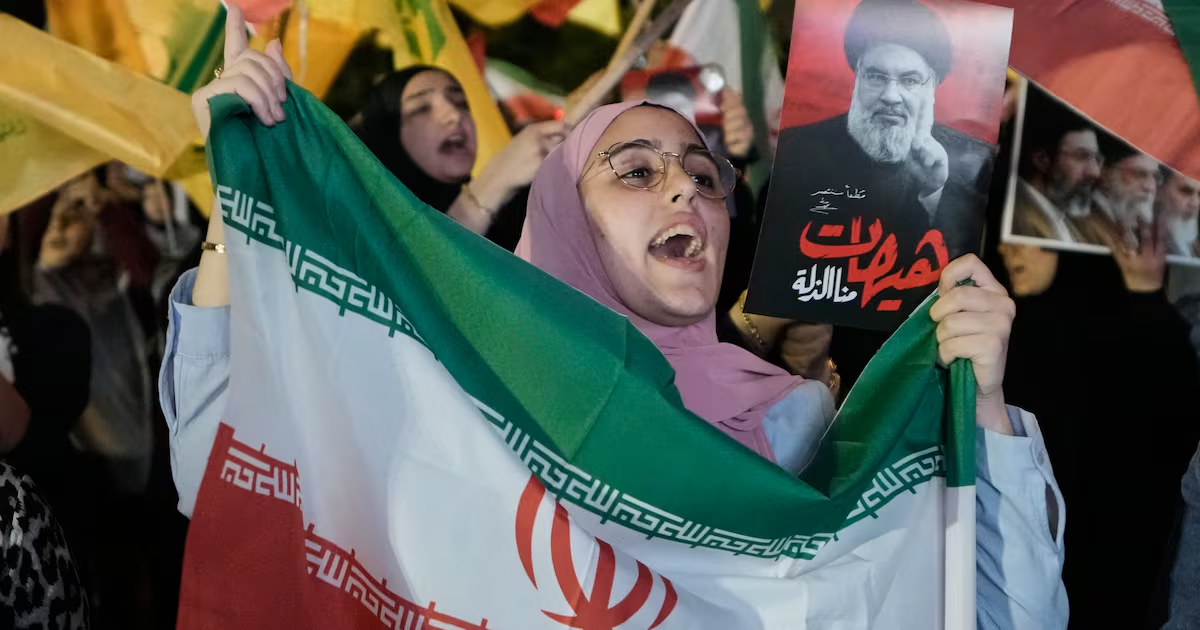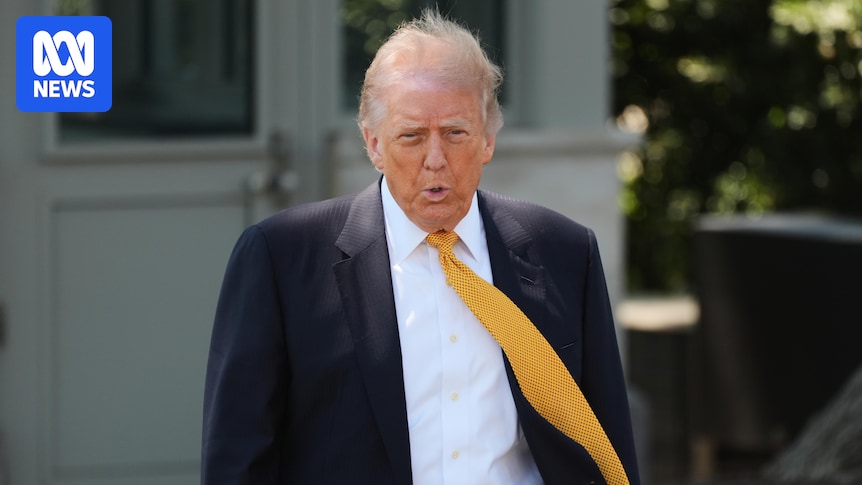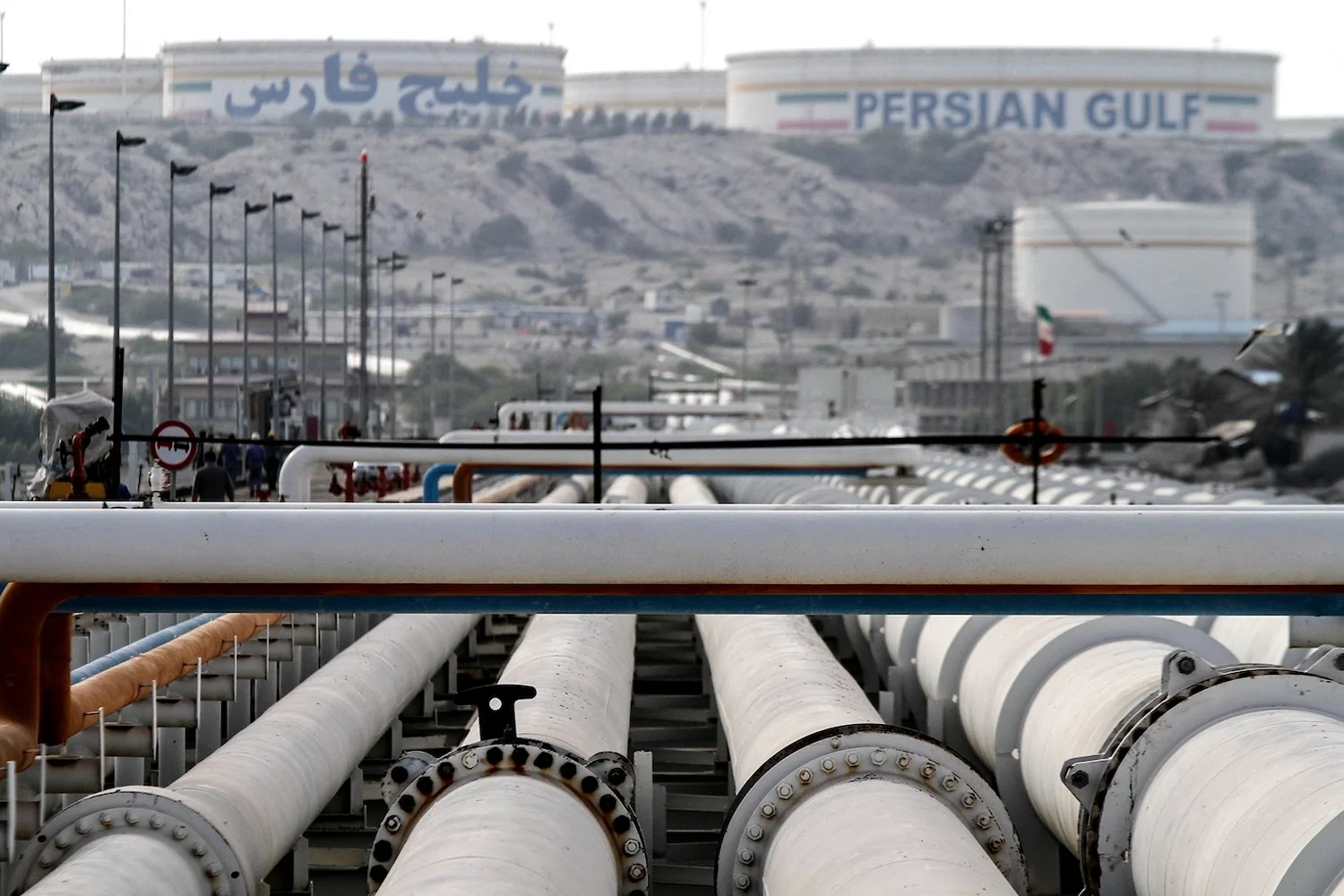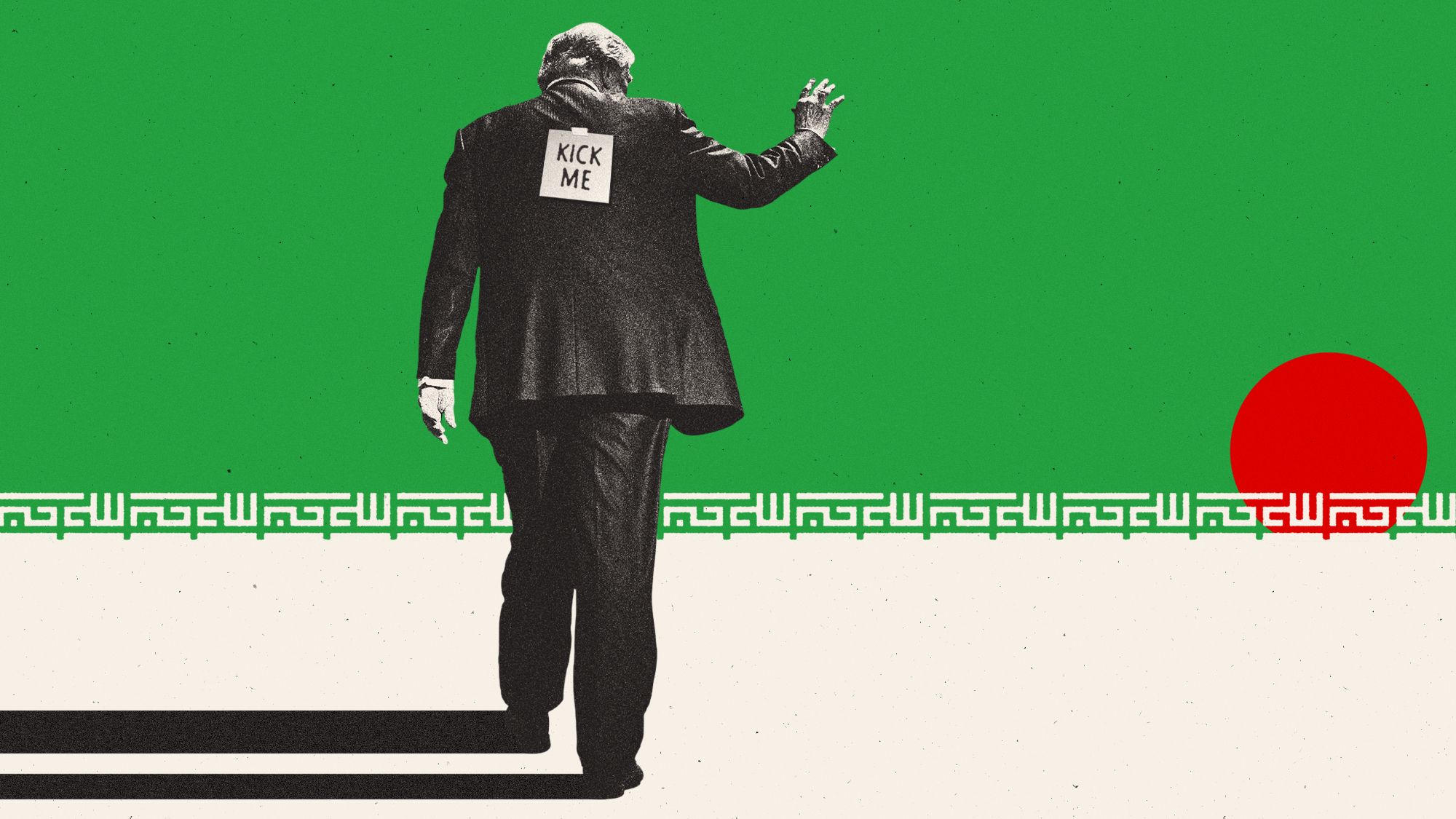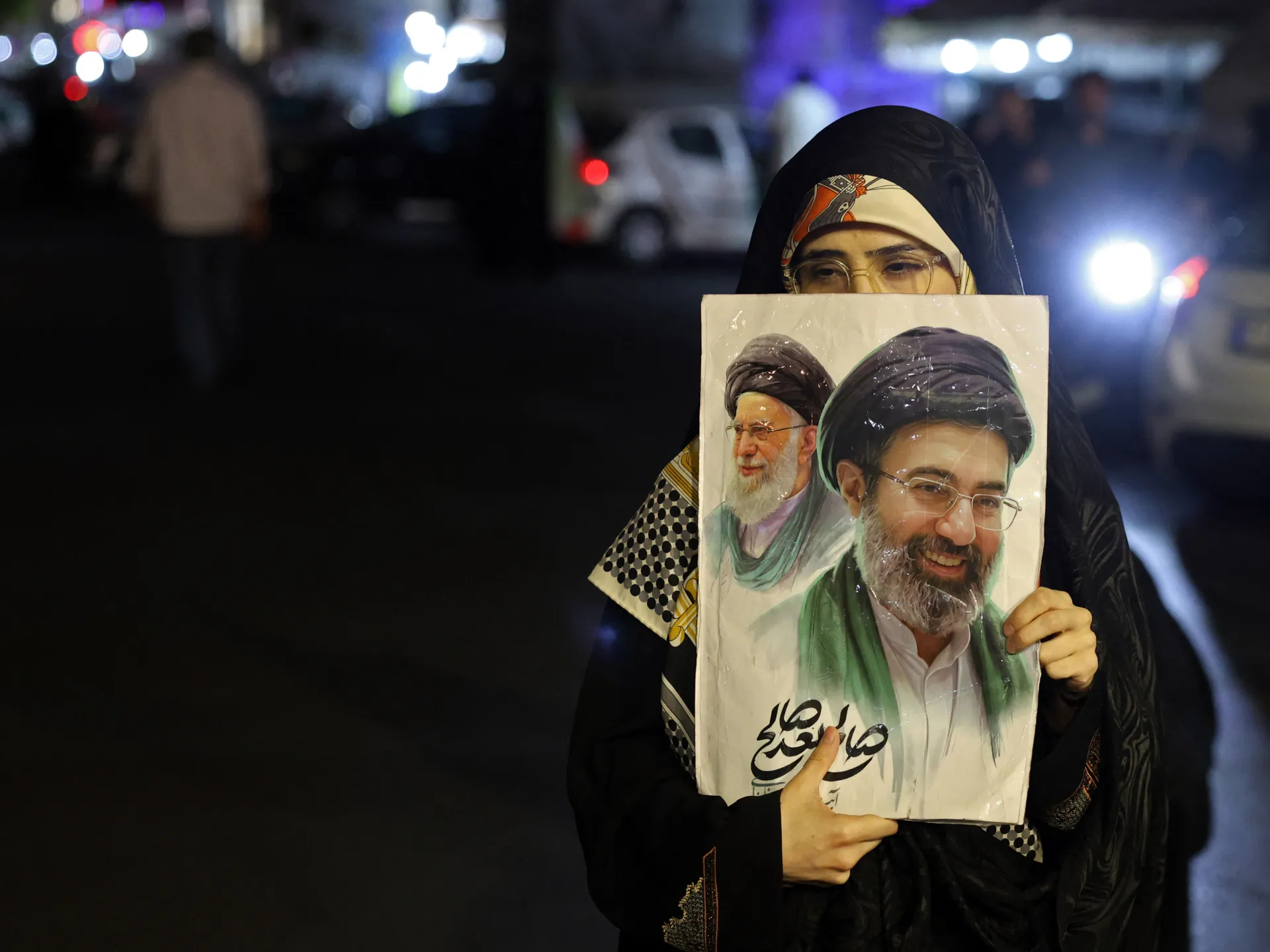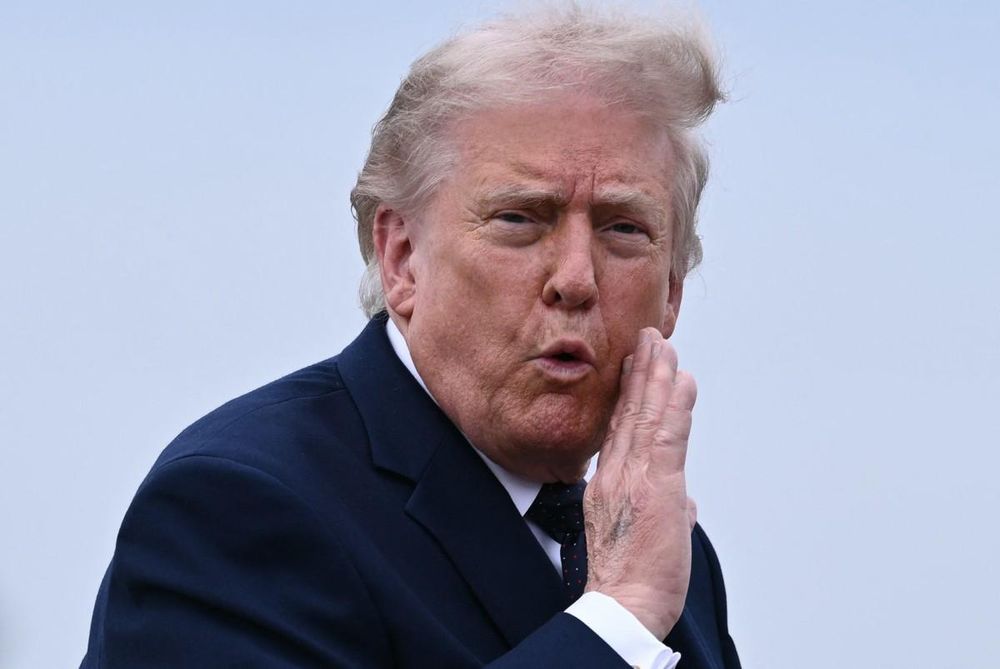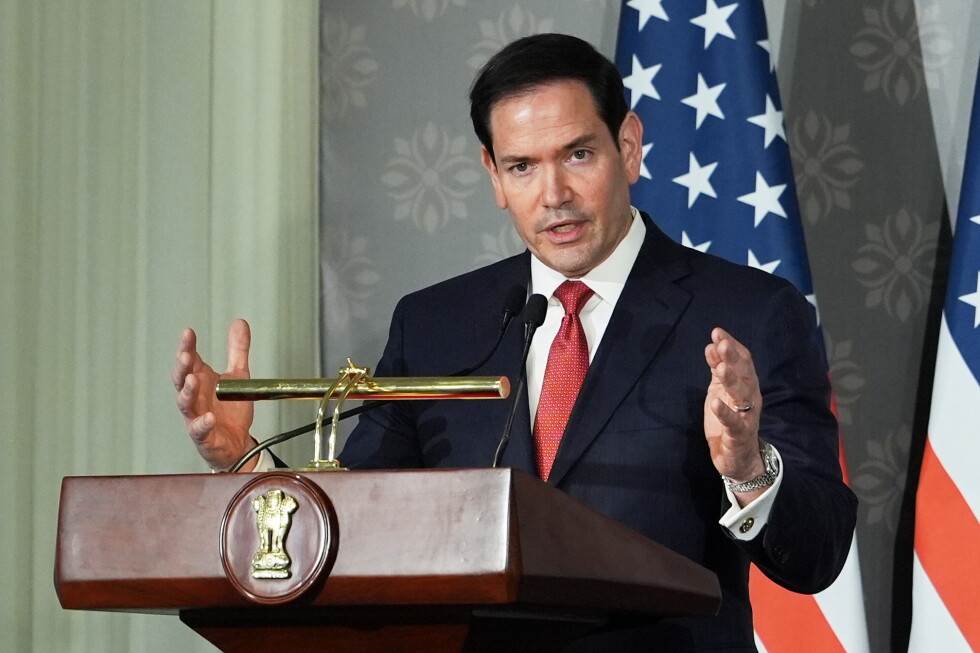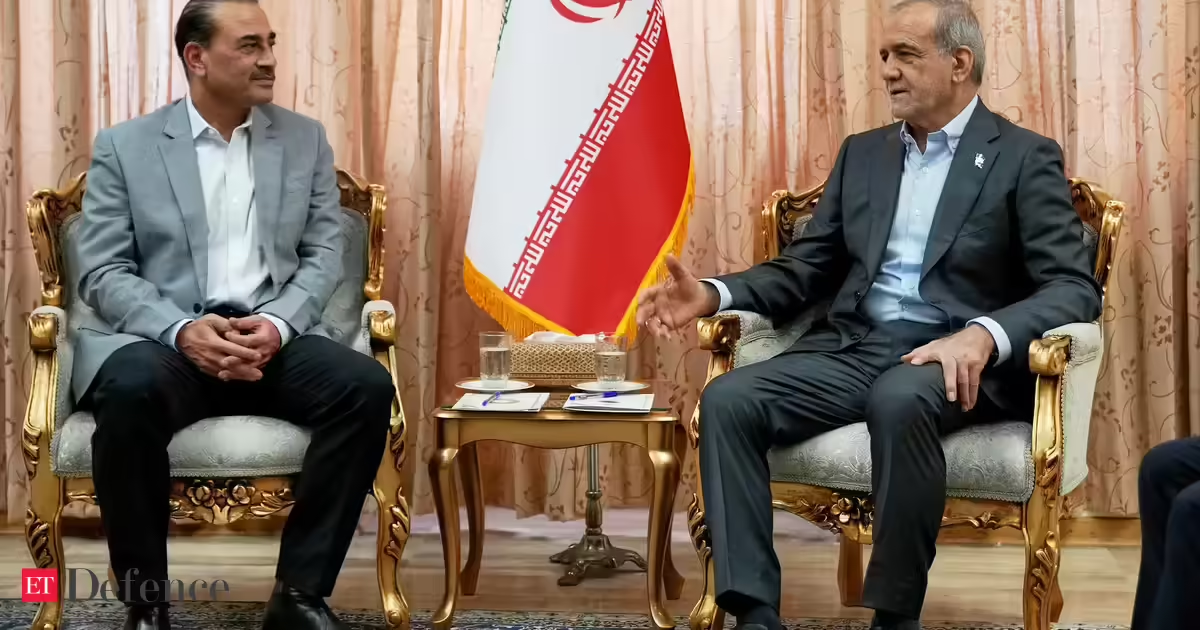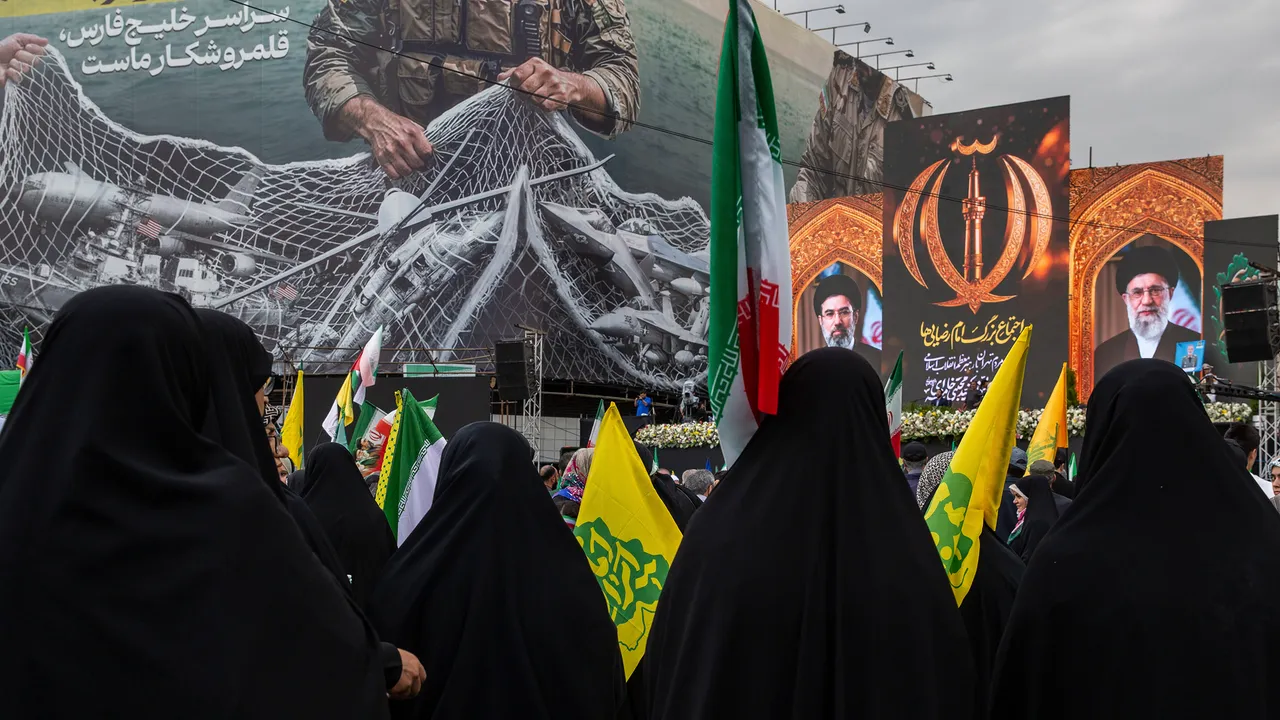
Over the weekend, President Donald Trump announced that the United States and Iran were close to a deal that would end the war that the U.S. and Israel launched against Iran in late February, and which has killed thousands of people in Iran. (Thousands of civilians have also been killed by the connected Israeli campaign in Lebanon.) The terms of the discussed deal are not yet known, but media reports suggest that in return for Iran opening the Strait of Hormuz—the closing of which has led to a global economic crisis—the United States would end its blockade of Iran, and Iran would agree to give up its stockpile of highly enriched uranium.On Sunday, I spoke by phone with Danny Citrinowicz, a non-resident fellow at the Atlantic Council, and an expert on the Middle East. During our conversation, which has been edited for length and clarity, we discussed why Iranian hard-liners have been strengthened by this war; Israeli Prime Minister Benjamin Netanyahu’s miscalculations and potential political vulnerabilities; and why Trump pulling out of President Barack Obama’s 2015 nuclear deal with Iran was one of the greatest blunders of the twenty-first century.How would you characterize the contours of this potential deal, and is there any way to spin it as something other than a humiliating failure for the U.S.?Unfortunately, no. Trump had to choose between a bad option and a worse one, and it seems like, even though we don’t know what will happen in any deal, or if there will even be one, that he has chosen the very bad one. But it is still the best option that he had. We have to remember what happened on February 28th—that Israel and the United States launched this campaign to topple the regime. In fact, they ended up strengthening it. Opening the strait is not an achievement, since its closing was a by-product of the war itself. The Iranians are going to get some money, and sanctions relief may come after the deal is signed, too. If they don’t get money from this, they won’t do it. So, in that regard, what we’re facing right now is a war that may have been a tactical success for the U.S., but is a strategic failure.But I think Trump is fed up with the current situation, and I think that he’s also afraid of escalation. He could escalate tomorrow, but I think he’s afraid of having boots on the ground. And I think he might be starting to understand that even escalation won’t change the strategic situation, because the Iranians are not going to capitulate. A blockade won’t do it; hitting energy facilities won’t do it; nothing will. And they’re ready to retaliate. So Trump didn’t have any other options besides this deal.We don’t know exactly what any agreement’s going to say, but from what you’re saying, it seems hard to imagine that Iran is just going to give up its nuclear material to the Trump Administration, or to the International Atomic Energy Agency, or whomever else, because, as you say, they’re in the driver’s seat here.You’re absolutely right, but we can go even further. Do you really think that Trump will be more inclined to go back to war in the next few months? This would be right before the midterms, and we know what the economic costs will be. And for what? To topple the regime, he would need to put troops on the ground. He won’t be able to just bomb them, because that’s not working, as we saw in this war already. And even if there’s going to be an agreement, who in this Administration is going to negotiate this kind of agreement and make sure that there are no loopholes? Jared Kushner? Steve Witkoff? I don’t think they really understand the Iranian nuclear program. So, yeah, we’ll kick the can down the road. We’ll get some sort of promise or something from the Iranians that they’re gonna do something with the material, and some sort of commitment that they won’t have any nuclear weapons—something that they already had under the Obama nuclear deal. And I am very fearful that we won’t see, like we don’t see in Gaza, any second stage to this agreement. People are saying, No, they want sanctions relief, so we’ll do a second stage. Maybe. But that will only be to freeze some of the material. That second stage will not be the dismantling of the Iranian nuclear facilities. That will not happen, and if it were demanded, there would not be an agreement today.I have to tell you something about the Iranian regime: They’re feeling so much in the driver’s seat that they’re not going to forgo anything. They have reached their limitations when it comes to compromising, and that’s where we are right now.The fundamental question I keep returning to is: Did the Iranians not realize how much control they had over the global economy before the U.S. and Israel attacked them? Or had they always known this and were they just waiting to wield that power? Either way, showing the world how much power Iran has over the global economy seems like the most striking of many embarrassing blunders by the Trump Administration.I think that the Iranians knew that this war was going to be something where they were going to have to fight for their lives. An existential war. And when Trump and Netanyahu said to the Iranian people, openly, “It will be yours to take,” the Iranian regime understood that this was do-or-die for them.So I don’t know when they planned to block the Strait of Hormuz, but they definitely decided this was the time to do it. Of course, they got ready for that before the war, but I think that they decided to act once they understood that this was going to be a fight to the end. And I think they were surprised by how effective it was. They probably asked themselves why they didn’t do that before.So I think that we actually pushed them into this understanding that they had to play all their cards, which they did.Yes, assassinating their leaders might have played into that.Listen, the killing of Ali Khamenei and the leadership, the statements coming right after, all those things made the Iranians understand that this is going to be the fight for the future of the regime. And that meant all possibilities were on the table.It’s strange, because you would think that Trump would have been happy to just replace the Iranian leadership with a more pliant regime.He should have stopped the war after three days.Trump should have?Yes, he should have stopped the war and offered to negotiate. There was no purpose after that. After three days, we all knew that there was not going to be any regime change in Iran. So why continue the war? Stop the war, say you won, negotiate on nuclear, capitalize on the fact that they are in disarray, and try to reach an agreement. Now? Now it’s a catastrophe!And why didn’t they do that?Because he didn’t have any strategy, any plan, any anything. There were also none of the right experts in the room. Instead, there were people saying, You can do this, you can do that, telling Trump lies. Look at the blockade. How pathetic is his blockade? You should have done it before, not after. Who thought that this blockade would make Iran capitulate? Come on! You don’t know the Iranians. It was obvious it wasn’t going to work.What’s your understanding, or your guess, of how Lebanon would fit into this potential deal? The Iranians want to defend their asset, Hezbollah, in Lebanon, and the Israelis want the freedom to continue bombing or invading Lebanon whenever they want. Some Israeli leaks suggest Israel will still have the ability to act freely in Lebanon, and perhaps more importantly, it’s hard to imagine Trump really continuing to rein Netanyahu in, unless the Iranians make Lebanon a priority and threaten to close the strait again or something along those lines.I can tell you that the Iranians are not going to give up on the Lebanese issue. And this is a major problem for Netanyahu. Hezbollah has proven itself to be a vital element of Iran’s so-called Axis of Resistance. So Lebanon presents a real strategic importance for Iran. And one of the biggest achievements that Iran had during the war was connecting the two conflicts. So I don’t think they will accept Israel continuing to attack Lebanon over what Israel claims is self-defense against Hezbollah. Therefore, Trump has a mountain to climb because he’s promising something to Netanyahu that he did in the previous ceasefire. Trump told Netanyahu, It’s not a problem, continue in Lebanon. And I don’t know what Trump will do now, but if he wants to reach an agreement, he will force Netanyahu’s hand on Lebanon. And this is a major problem for Israel.Right, Trump also clearly wanted some sort of peace deal in Gaza, which he got, but in the months since, the Israelis have continued taking bits of territory and striking Gaza when they want to. Now the difference is that Hamas doesn’t have any control over the global economy.Exactly—it’s not at all the same thing here.Do you view the war as a strategic and political defeat for Israel in the same way you do for America?It’s a collapse of the Israeli doctrine regarding Iran. Not only a defeat, not only a fiasco. A collapse. Look at what Netanyahu promised this whole time. He said, Just give me the opportunity to attack Iran. And he got it, twice. He got the U.S. beside him with all that power, the satellites, the air force, everything, and what have we got? A more radicalized regime that can rush into a nuclear bomb and still have a conventional missile capacity. It’s a shit show, because at the end of the day, everything that Netanyahu promised failed miserably. And now Senator Lindsey Graham is talking about normalization. Come on. How can you be this disconnected from the situation in the Middle East? Israel is perceived as more of a threat than Iran by some countries after this. How are you going to have an agreement while Israel is annexing the West Bank?Right, Lindsey Graham and others have suggested that an end to this war could lead to closer coöperation between some Arab and Muslim states and Israel, with perhaps more countries signing on to the Abraham Accords. Do you think this is plausible?[Laughs.] This is so disconnected from reality. Just listen to what the Saudis are saying. The Palestinian issue is vital for them. It’s not going to work. It’s selling a mirage. We have to be realistic.You hear from hawks that the war did a number of important things, primarily that it destroyed much of Iran’s long-range missile capacity. What do you make of that argument?[Laughs.] Yes, yes. Well, there was definitely damage, but there are a couple of things you have to remember. They will rebuild that capacity, and are already rebuilding it, as the C.I.A. report from earlier this month says. Secondly, they still have most of their launchers and missiles, as the report says. And they will rebuild it, exactly like they did after the Twelve-Day War in June of 2025. We know that they have the capacity to do so. Yes, the damage probably is greater because of the U.S. working with Israel. But so what? It won’t take them one month. It will take them four months or six months. It doesn’t matter. They will return to their capacity. They have the motivation and the knowledge.And this war wasn’t started for that. Look at what Trump and Netanyahu said. “It will be yours to take! Lay down your arms.” What? There’s no connection to degrading the conventional capabilities of Iran.This is a political question, but you said a potential deal was a political problem for Netanyahu, right?It’s definitely, definitely a problem for him.In the Israeli political context, because Trump is pushing this, would it require Netanyahu’s political opponents to attack Trump, who is popular in Israel?No, they will attack Netanyahu, not Trump. They know what’s good for them, and they will never attack Trump. They’ll say Netanyahu, Netanyahu, Netanyahu, and they’re already saying that. They will say, Look what’s happening in Lebanon, you don’t know what to do, no strategy, look what’s happening in Iran. I think Netanyahu thought that this war would change the situation in the polls, and it might, but not in his favor. The gap between what was promised at the beginning of the war and the end of the war is so big that people understand that we were fed lies. I don’t think Netanyahu will lose the election only for that, but when we have such a close election, those things can have an impact.Whatever the imperfections of the 2015 Obama-era Iran nuclear deal, when you look back on the last eight years of American-Israeli policy towards Iran, from when Trump first pulled out of the deal to now, what is your over-all judgment on that decision and the people who supported it in Israel and America?Leaving the nuclear deal with Iran was one of the greatest strategic mistakes of the twenty-first century, and maybe would qualify as one of the biggest of the twentieth century as well, if you were to include it. Look, it wasn’t an optimal agreement, but it had certain virtues, and the worst thing was that the U.S. actually left the agreement with no counter-strategy. And Iran has learned so much since the U.S. left the agreement, especially on enrichment.Then you have the fact that we sometimes hear Americans want a Delcy Rodríguez for Iran. Those people exist, but we have no chance of getting one of them now. They all clashed with the hard-liners, and when Trump left the agreement, he weakened them dramatically. They will become the scapegoat of Iran. Now maybe we will get a similar but worse agreement. In sum, it was a total failure. Leaving the Obama nuclear agreement without a strategy was a very, very problematic decision that we are paying the price for even today. ♦
Why Any Plausible Iran Deal Is a Humiliation for Trump
Even as the U.S. claims to be nearing an agreement to end the conflict, Tehran’s ability to close the Strait of Hormuz and hold the global economy hostage has reinforced the power of regime hard-liners.
2,374 words~11 min read