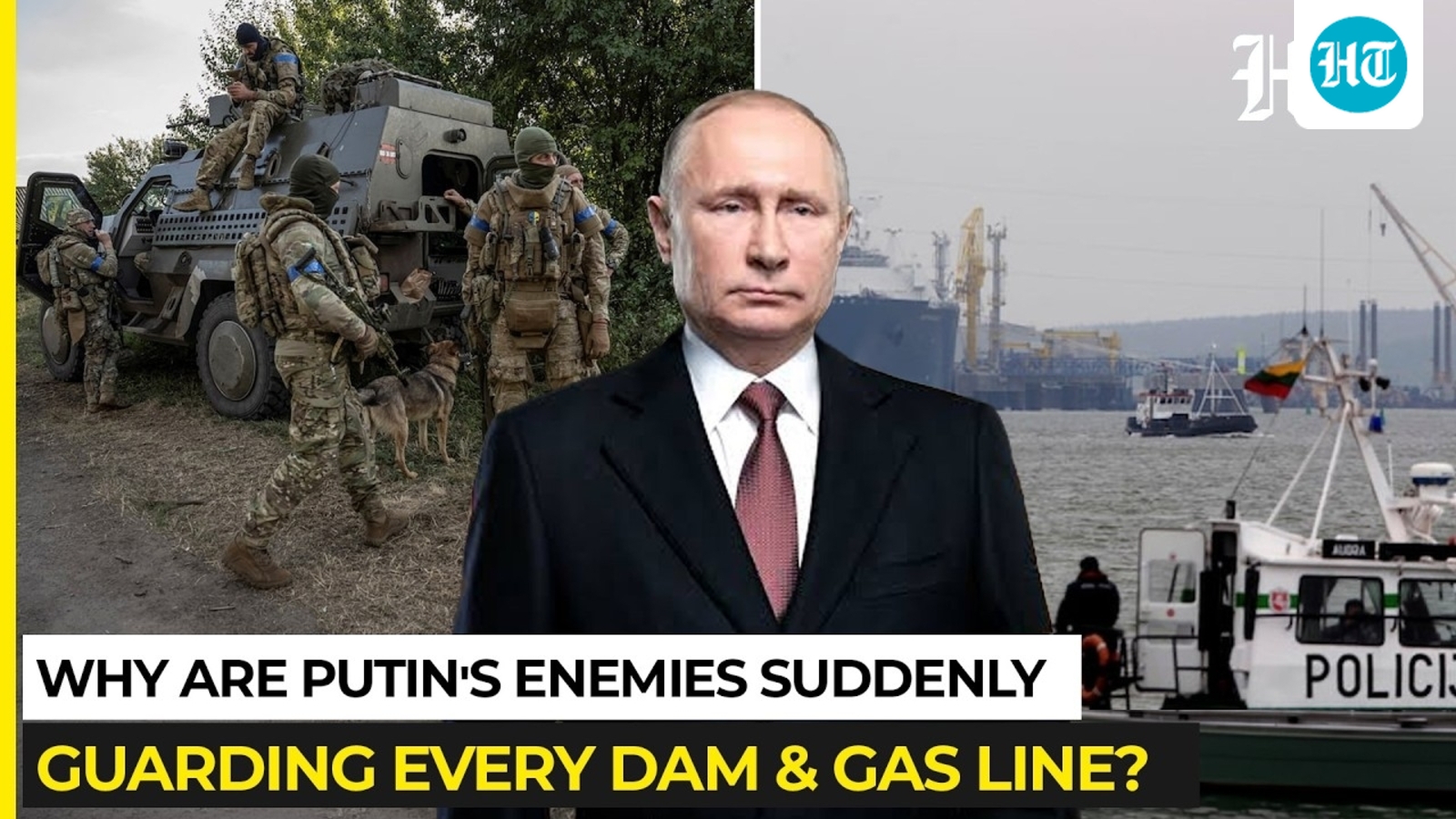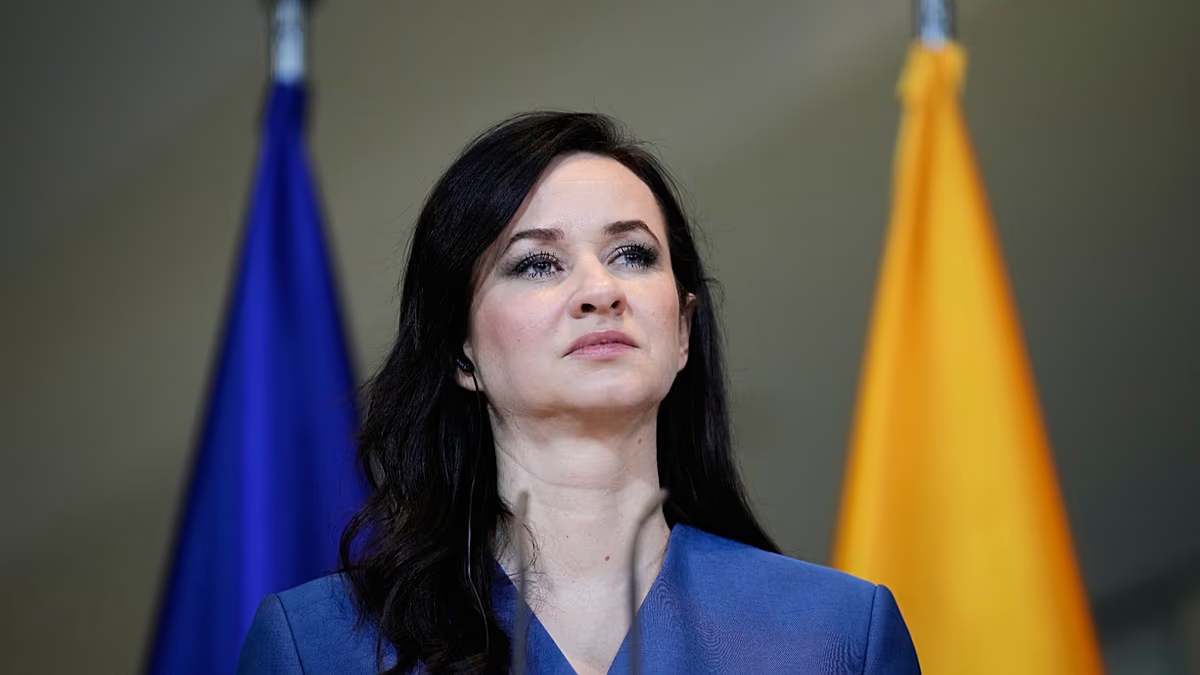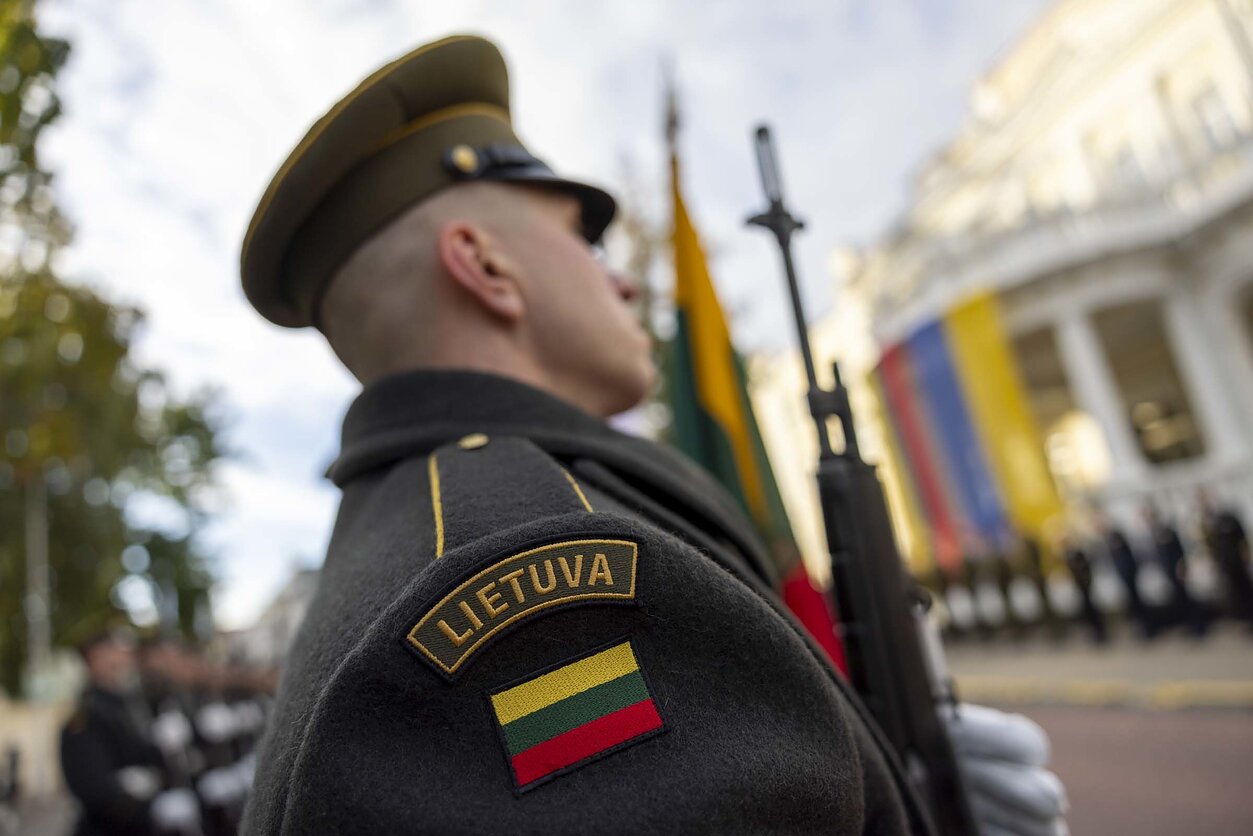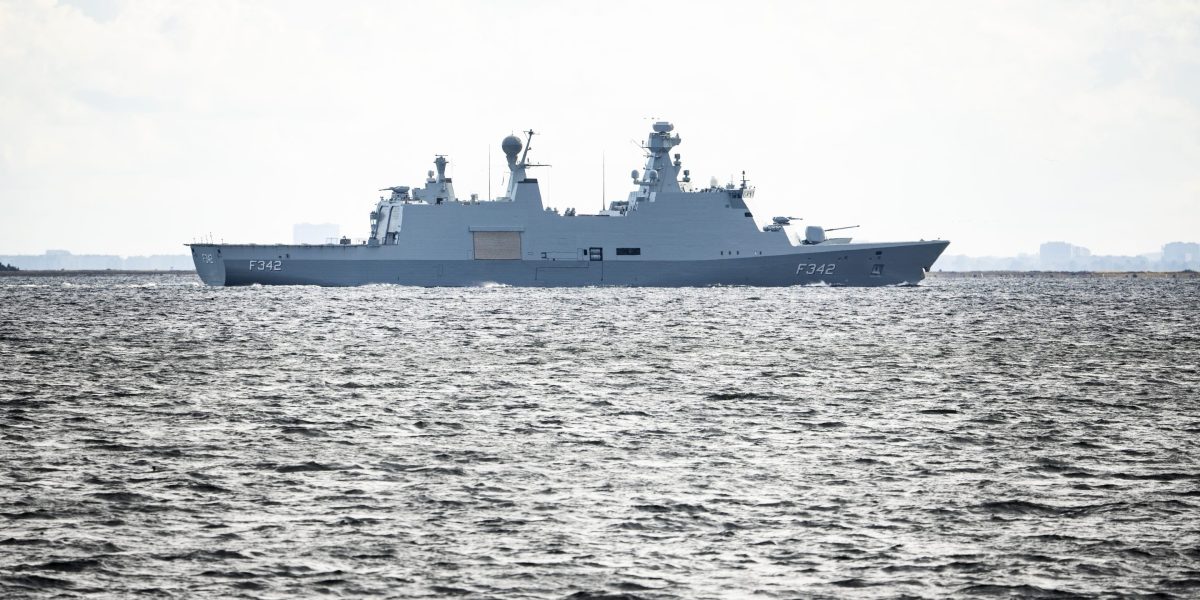
Is Europe entering a new phase of hybrid warfare? Lithuania is now on high alert after a massive cyber breach exposed more than 600,000 entries from state databases, triggering fears that the personal details of spies, soldiers, diplomats, and other sensitive officials may have been compromised. Lithuanian prosecutors suspect the involvement of a foreign state actor, while political voices inside the country are openly pointing toward Russia, though no public evidence has yet been released. The breach comes at an especially tense moment for NATO and the Baltic region, as Russia continues nuclear-related military drills and security fears rise across Eastern Europe. Lithuanian officials warn that the stolen data could potentially be used for surveillance, intimidation, blackmail, or influence operations targeting key state personnel. Authorities have already imposed emergency cybersecurity measures, while the head of Lithuania’s Centre of Registers has resigned following the incident. This report also examines the broader backdrop: drone scares near Belarus, suspected sabotage operations, arson attacks, and growing concerns that Europe is facing a far more aggressive era of hybrid conflict. Is NATO prepared for this new kind of warfare? And with Washington heavily focused on the Iran crisis, is Moscow sensing a strategic opening inside Europe?
Russia 'breaches' NATO nation amid nuclear move: Putin scares west with 'invasion' law; Trump flees?
Is Europe entering a new phase of hybrid warfare? Lithuania is now on high alert after a massive cyber breach exposed more than 600,000 entries from state databases, triggering fears that the personal details of spies, soldiers, diplomats, and other sensitive officials may have been compromised. Lithuanian prosecutors suspect the involvement of a foreign state actor, while political voices inside the country are openly pointing toward Russia, though no public evidence has yet been released. The breach comes at an especially tense moment for NATO and the Baltic region, as Russia continues nuclear-related military drills and security fears rise across Eastern Europe. Lithuanian officials warn that the stolen data could potentially be used for surveillance, intimidation, blackmail, or influence operations targeting key state personnel. Authorities have already imposed emergency cybersecurity measures, while the head of Lithuania’s Centre of Registers has resigned following the incident. This report also examines the broader backdrop: drone scares near Belarus, suspected sabotage operations, arson attacks, and growing concerns that Europe is facing a far more aggressive era of hybrid conflict. Is NATO prepared for this new kind of warfare? And with Washington heavily focused on the Iran crisis, is Moscow sensing a strategic opening inside Europe?