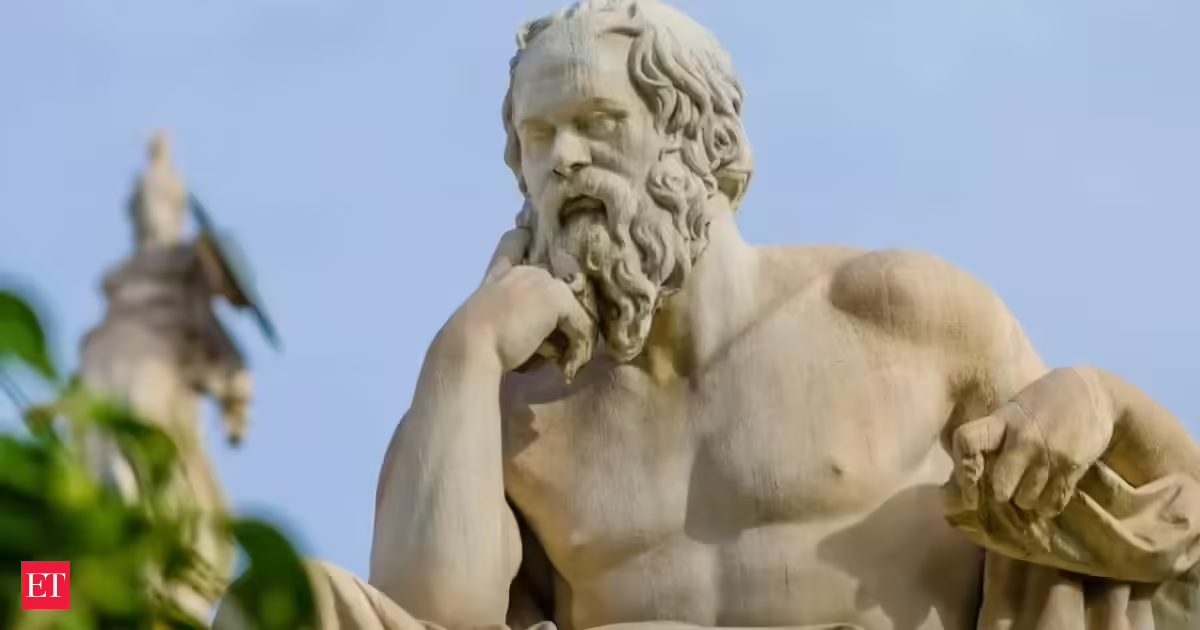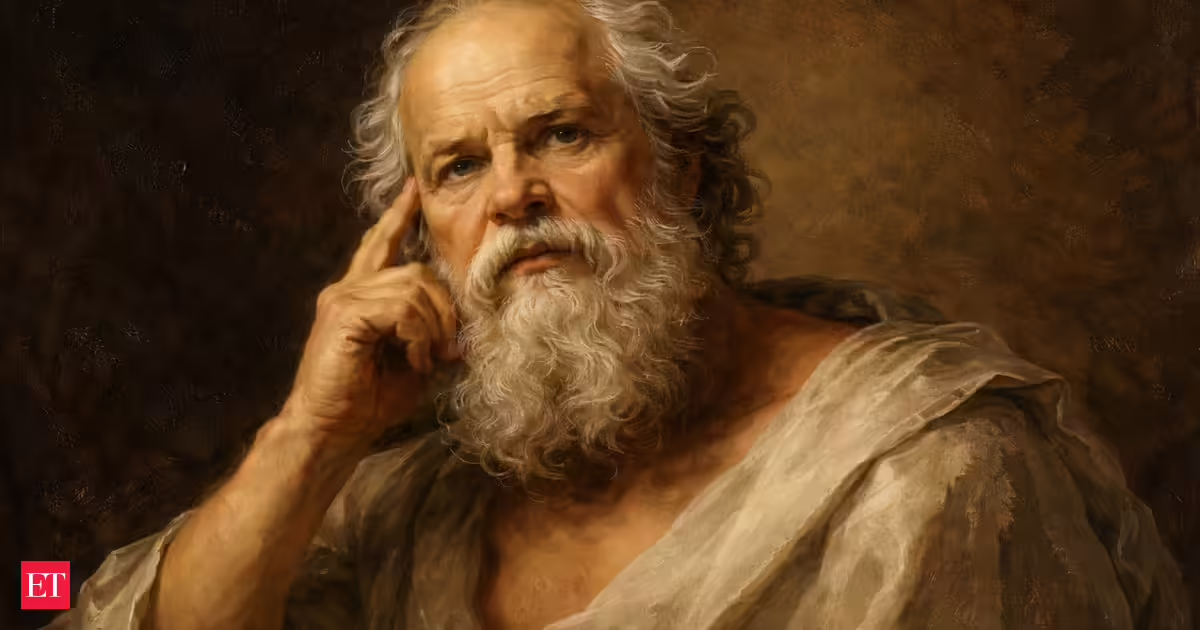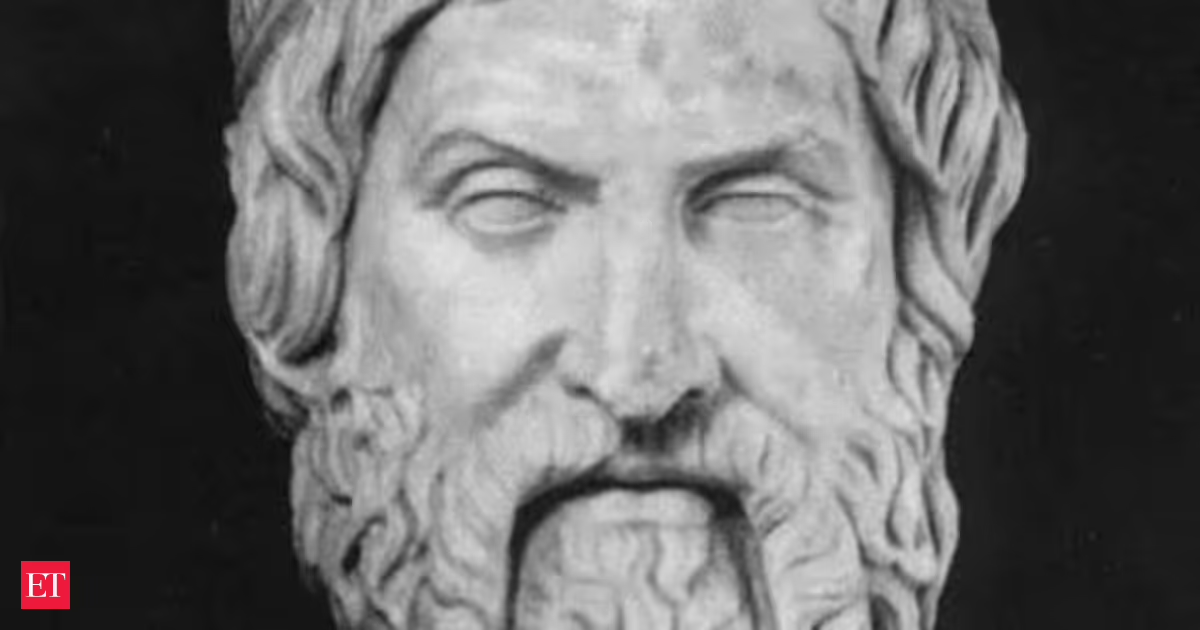
Quote of the Day by Sophocles: Human life is full of mistakes, choices, and consequences, and every individual faces moments of error and reflection. What defines a person is not the mistake itself, but how they respond to it and whether they choose growth over pride.His powerful quote, “All men make mistakes, but a good man yields when he knows his course is wrong, and repairs the evil. The only crime is pride,” highlights the importance of humility, accountability, and moral courage in human life. In today’s world of fast decisions, conflicts, and strong opinions, this quote still holds deep significance. It reminds us that true strength lies in accepting faults, correcting wrong actions, and making amends rather than defending mistakes out of ego. Sophocles’ words continue to inspire reflection on emotional maturity, responsibility, and the importance of overcoming pride to become a better person.Meaning of Sophocles’ Quote About Pride and MistakesSophocles’ quote, “All men make mistakes, but a good man yields when he knows his course is wrong, and repairs the evil. The only crime is pride,” explores the importance of humility, accountability, and moral awareness in human life. The idea of “making mistakes” reflects the natural human condition, where no one is free from error, wrong judgment, or imperfect decisions.However, the deeper meaning of the quote emphasizes that what truly defines a person is not the mistake itself, but the willingness to correct it. Sophocles suggests that a good person is someone who recognizes when they are wrong, accepts responsibility, and takes action to repair the harm caused. This reflects emotional maturity, honesty, and the courage to change direction when needed.The quote also highlights pride as the greatest obstacle to growth. Pride, in this context, refers to stubbornness, ego, and the refusal to admit fault even when truth is clear. When pride takes control, it prevents learning, healing, and reconciliation. Sophocles warns that this kind of attitude can turn a simple mistake into a lasting problem. Ultimately, the quote teaches a timeless life lesson: mistakes are unavoidable, but growth depends on humility. True strength lies in acknowledging errors, making amends, and choosing improvement over ego.Why We Must Accept Our Mistakes and Correct ThemAccepting mistakes is essential because it is the first step toward personal growth and improvement. No one is perfect, and errors are a natural part of learning and decision-making. When we acknowledge our mistakes, we gain clarity about what went wrong and how to avoid repeating it in the future. Correcting them shows responsibility, maturity, and honesty, which are important qualities in both personal and professional life. On the other hand, ignoring mistakes or refusing to admit them can lead to bigger problems, damaged relationships, and lost opportunities. Pride often prevents people from making necessary changes, but humility allows progress. By accepting and correcting mistakes, we build stronger character, earn trust from others, and continuously improve ourselves. In the end, growth is not about being flawless, but about being willing to learn, adapt, and become better with every experience.Early Life of SophoclesSophocles was born around 496 BCE in Colonus, a village near Athens, Greece. He grew up during the Golden Age of Athens, a time of great cultural, political, and artistic development. His family was wealthy and well-connected, which allowed him to receive a strong education in music, literature, and physical training. From a young age, Sophocles was exposed to the intellectual and artistic traditions of Greek society, which deeply influenced his future career as a playwright.Education and Artistic DevelopmentSophocles received a classical Greek education that included poetry, philosophy, and performance arts. He was trained in music and dance, both of which were essential elements of Greek theatrical productions. Living in Athens, he was surrounded by dramatic festivals and public performances, especially those dedicated to the god Dionysus. These experiences helped him develop a deep understanding of human nature, fate, and moral conflict—key themes that would later define his tragedies.Rise as a Playwright and Public SuccessSophocles became one of the most celebrated playwrights of ancient Greece. He introduced important innovations to drama, such as adding a third actor on stage and improving theatrical structure, which allowed for more complex storytelling. His famous works include Oedipus Rex, Antigone, and Electra. Through these tragedies, he explored powerful themes like destiny, pride, justice, and the limits of human knowledge. His plays were widely performed and earned him numerous victories in dramatic competitions.Themes of Wisdom, Mistakes, and PrideA central idea in Sophocles’ writing is the fragile nature of human judgment. He believed that all people are capable of error, but wisdom lies in recognizing mistakes and correcting them. In his view, pride is the greatest obstacle to moral growth. When individuals refuse to admit wrongdoing, they allow harm to continue and prevent healing. This idea is strongly reflected in the quote, where pride is described as the only true moral failure.Legacy and Lasting InfluenceSophocles’ influence on literature and drama remains profound even after more than two millennia. He is considered one of the greatest playwrights in history and a foundational figure in Western theatre. His works continue to be studied for their deep psychological insight and timeless moral lessons. The message in his quote remains especially relevant today, reminding people that humility, self-awareness, and the willingness to change are essential qualities of a good character.Life Lessons from Sophocles’ Quote Sophocles’ quote teaches that mistakes are a natural part of human life, but what truly defines a person is how they respond to them. It highlights that accountability, humility, and the willingness to correct wrong actions are essential qualities of good character. A mistake itself is not the final judgment of a person, but the refusal to learn from it can become a serious moral failure.The quote emphasizes that real strength lies in acknowledging when one is wrong and taking steps to repair the harm caused. This requires emotional maturity, honesty, and courage, as it is often easier to defend a mistake than to admit it. Sophocles suggests that growth happens when individuals choose correction over denial and responsibility over avoidance.At the same time, the quote warns that pride can become the biggest barrier to personal development. Pride, in this sense, represents ego, stubbornness, and the unwillingness to accept truth or change direction. When pride takes control, it prevents healing, learning, and reconciliation, turning small errors into lasting damage. Ultimately, the quote reminds us that mistakes are inevitable, but wisdom lies in how we handle them. True character is revealed through humility, responsibility, and the ability to grow beyond one’s errors.Why This Quote Still Matters TodaySophocles’ quote remains deeply relevant in the modern world because people still struggle with pride, ego, and the inability to admit mistakes. In today’s fast-paced society—whether in relationships, workplaces, politics, or social media—many conflicts are prolonged not because people are wrong, but because they refuse to acknowledge it. This quote reminds us that error is a natural part of being human, but growth only happens when we are willing to correct ourselves.It also highlights an important truth: most damage in life is not caused by mistakes alone, but by the refusal to fix them. When individuals or leaders let pride take control, small misunderstandings can turn into lasting problems. Sophocles’ message encourages humility, self-awareness, and the courage to change direction when necessary. These qualities remain essential today for building trust, resolving conflicts, and maintaining healthy personal and professional relationships.Moral and Life WisdomSophocles’ words, “All men make mistakes, but a good man yields when he knows his course is wrong, and repairs the evil. The only crime is pride,” reflect a timeless lesson about character and moral responsibility. True wisdom is not defined by being flawless, but by being honest enough to recognize when one is wrong and brave enough to make it right. In everyday life, this wisdom applies to decision-making, relationships, and personal growth. A strong character is shown not through stubbornness, but through adaptability and accountability. Pride, when it prevents correction, becomes the real obstacle to growth and harmony. Sophocles ultimately teaches that humility is not weakness, it is the highest form of strength and maturity.
Quote of the Day by Greek tragic playwright Sophocles: “All men make mistakes, but a good man… – Inspiring lessons on accountability, moral courage, self-reflection, and why we must accept our mistakes by the great thinker of ancient Greek tragedy and human nature
Quote of the Day by Sophocles: Sophocles quote, “All men make mistakes, but a good man yields when he knows his course is wrong, and repairs the evil. The only crime is pride” explores the importance of humility, accountability, and moral courage in human life. It highlights that true wisdom comes from accepting mistakes, correcting wrong actions, and choosing growth over ego and pride, reflecting Sophocles timeless understanding of human nature and moral responsibility.
1,352 words~6 min read