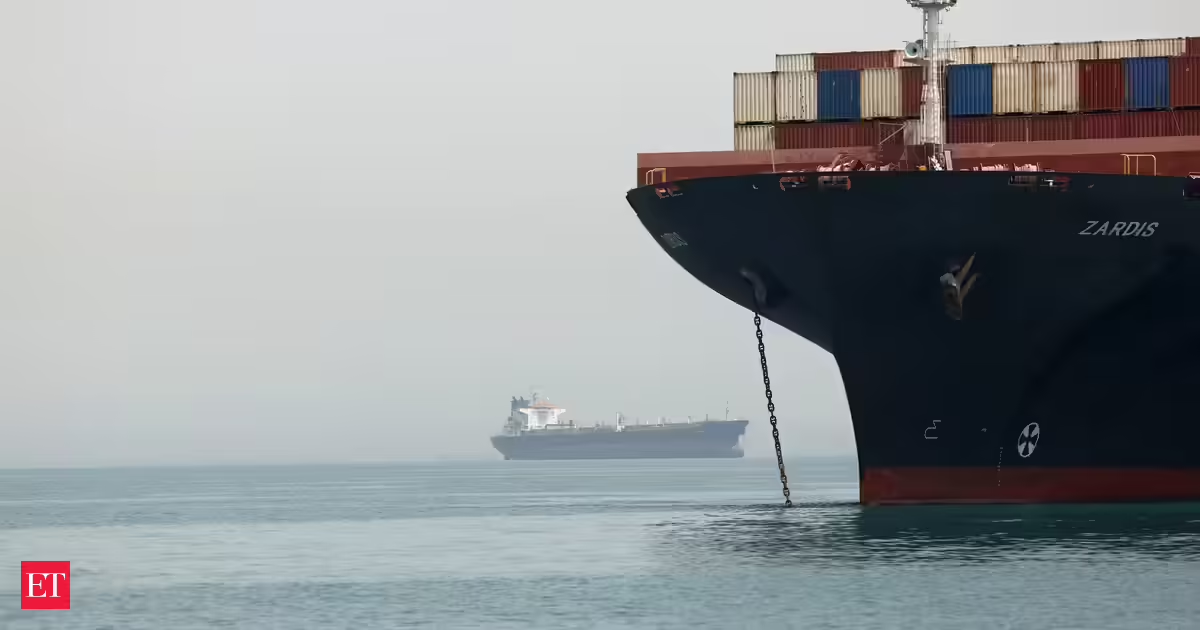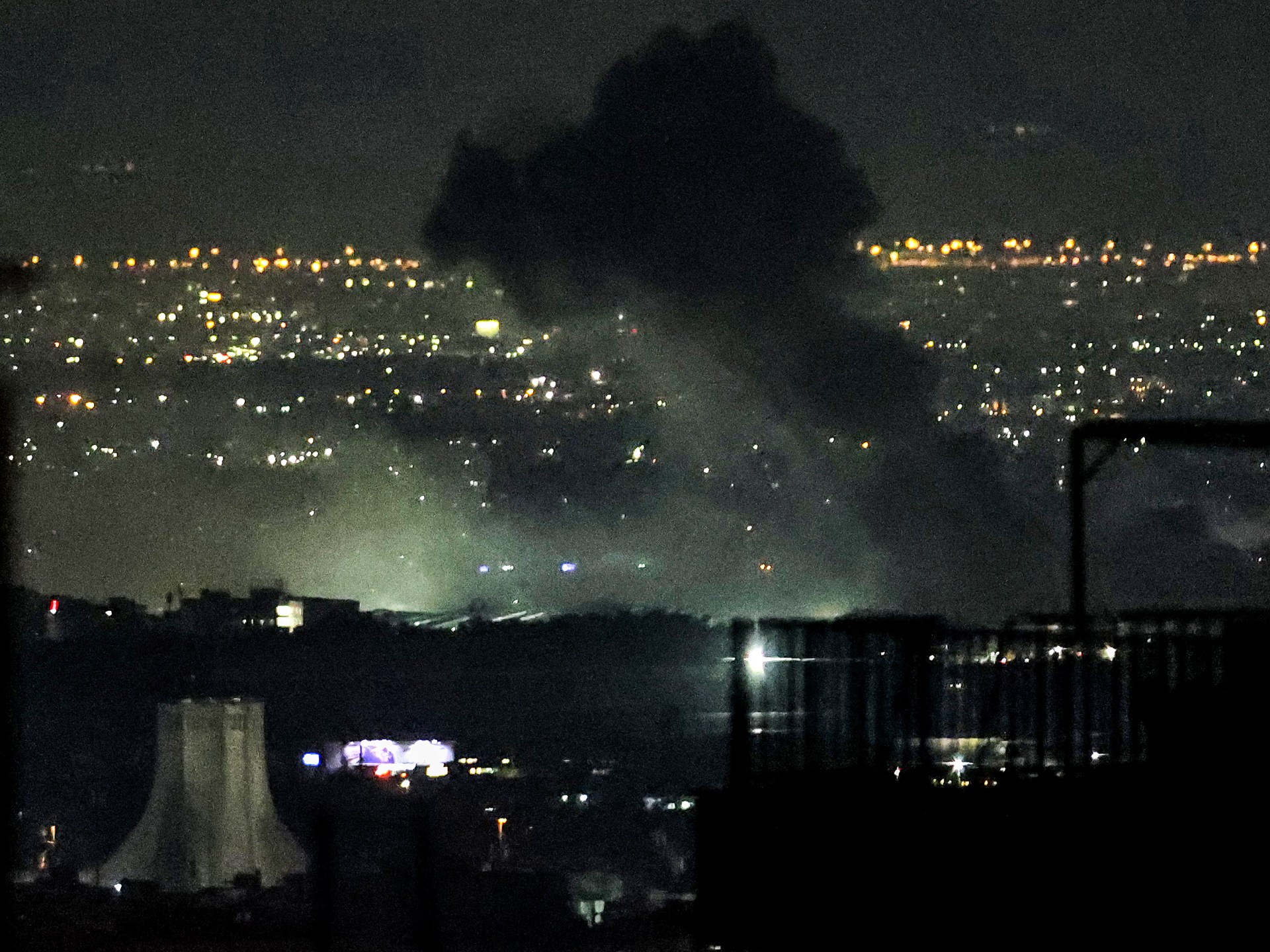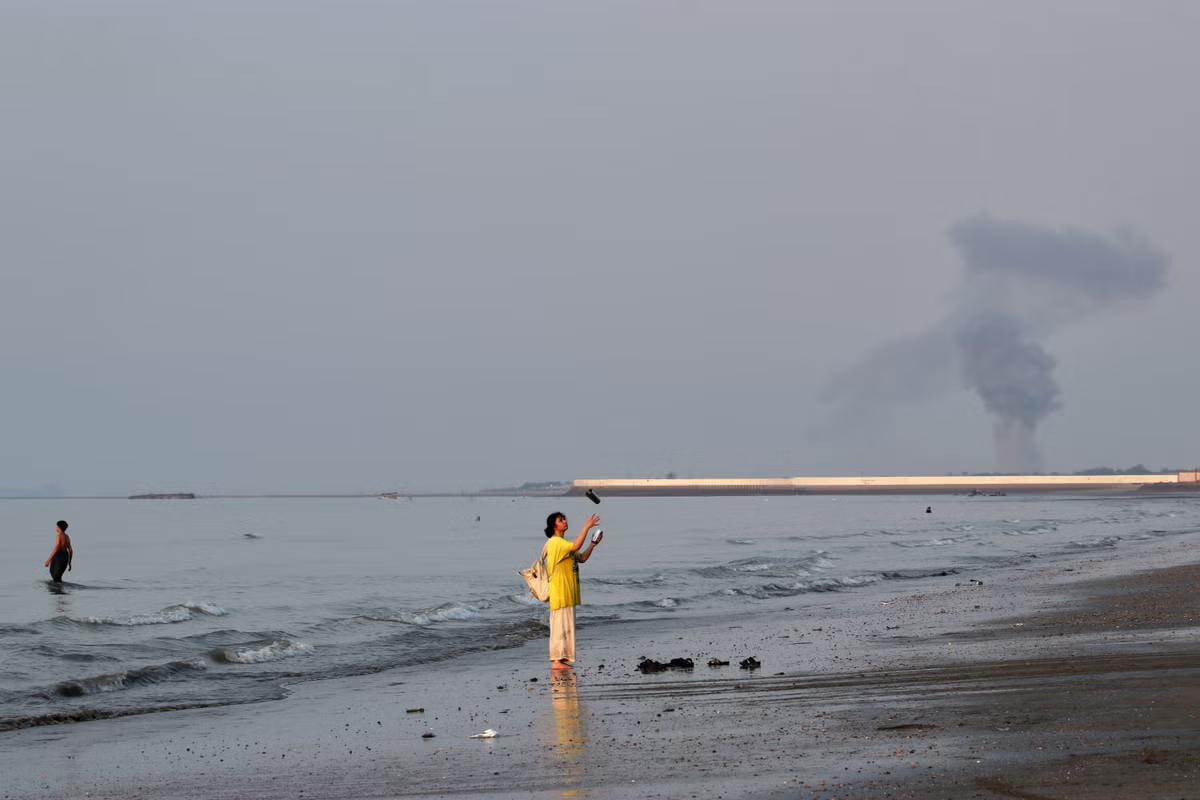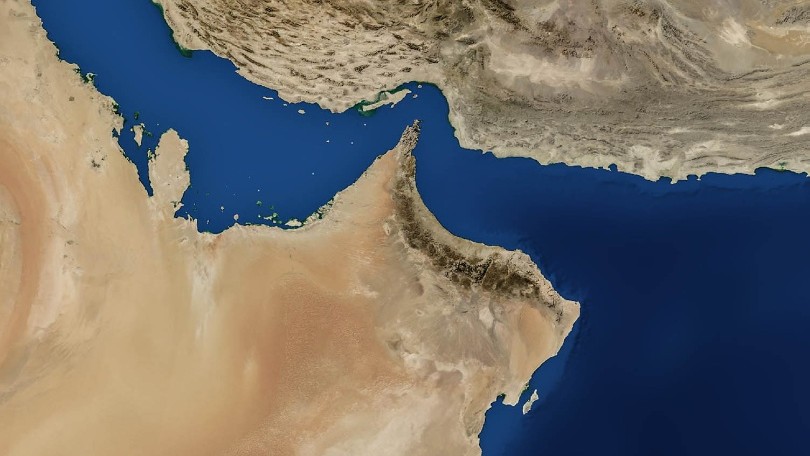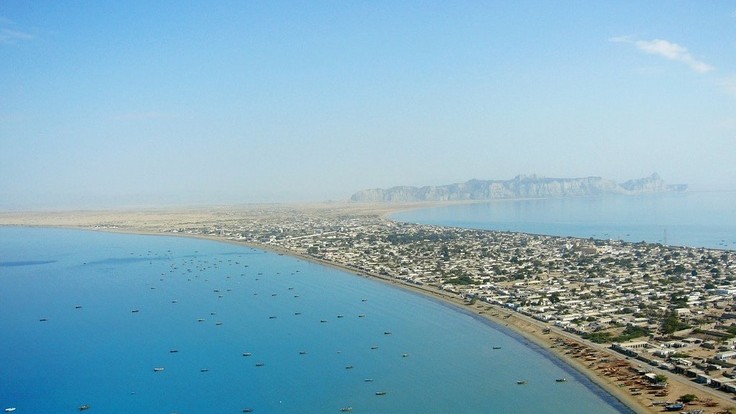
Donald Trump and Bibi Netanyahu deserve thanks for boosting Eurasia connectivity after their attacks on Iran resulted in the collapse of ship traffic through the Strait of Hormuz.Unfortunately, the attacks may reduce real labor incomes by as much as US$3 trillion globally by 2027, according to the International Labour Organization. The direct cost to the U.S. taxpayer for military operations is US$29 billion (so far) according to the Pentagon, and about US$35 billion in extra gas and diesel costs since the start of the war, according to Brown University.Before the start of the Ramadan War on 28 February, thing were looking so-so for Eurasia connectivity: fighting between Pakistan and Afghanistan was delaying the Uzbekistan–Afghanistan–Pakistan (UAP) Railway Project; the Turkmenistan–Afghanistan–Pakistan–India (TAPI) natural gas pipeline is significantly stalled, also due to Afghanistan-Pakistan fighting; China may have been reconsidering its commitment to infrastructure in Pakistan; and the Iran-Pakistan natural gas pipeline was stalled after U.S. threats of sanctions; the China–Kyrgyzstan–Uzbekistan railway secured funding and construction was underway with a planned completion date of 2029.The Middle Corridor, a political project to divert traffic away from the Russia-hosted Northern Corridor, was being vigorously advocated but is more expensive than the Northern Corridor and needs significant investment to be competitive. The India-Middle East-Europe Economic Corridor (IMEC), an adjunct to the Abraham Accords, which would yoke the Arab Middle East to Israel by using Israeli sea ports to connect to Europe, had seen early-stage progress. Iraq’s Development Road, is a 1,200 km rail + highway network that would connect the Persian Gulf to Europe via Türkiye and compete with Egypt’s Suez Canal, but the project must navigate Iraq’s tricky political landscape and secure funding. Iran was completing the final segment of the International North-South Transport Corridor (INSTC), connecting South Asia to Europe. In April, Pakistan announced the opening of six overland routes to allow third-country, but not Indian, goods to be delivered to Iran. The shortest route, using Gwadar Port, requires only two to three hours to reach Iran.Iran is using the Caspian Sea to bypass the U.S. blockade of Hormuz and connect it to Russia, Central Asia, and the Caucasus. The railway from Xi’an, China, to Aprin, Iran, part of China’s Belt and Road Initiative, was launched in May 2025, and it traverses Turkmenistan, Uzbekistan, and Kazakhstan. Nargiza Umarova of the Institute for Advanced International Studies in Tashkent, Uzbekistan observed that traffic was growing steadily, but the war accelerated the trend. The route gives the landlocked Central Asian republics overland access to China and the Persian Gulf and relieves the risk of using the Strait of Malacca when Washington tries to squeeze Beijing in a future conflict.Saudi Arabia and Turkey are planning a railway linking Makkah and Medina to Istanbul via Jordan and Syria, and it will carry more than religious pilgrims. Saudi Arabia is a partner in IMEC, but if an Israeli connection is now untenable, Riyadh may consider connecting IMEC to Iraq’s Development Road, which will shift the European destination to Turkey instead of Greece, Italy, and France, but first Baghdad must get control of the Iran-linked militias that are attacking Iraq’s neighbors. Jordan will lose the IMEC traffic but may make up the difference with the holy cities to Turkey route.Whatever the outcome of the Ramadan War, Gulf trade will be permanently reshaped as the players must now hedge against the persistent risk of American and Israeli attacks, such as Trump’s threat to destroy Iran’s bridges.For example, before the 2023 Houthi attacks on Israel-linked shipping in the Red Sea, 70 ships a day transited the Red Sea, and the sea accounted for “12% of seaborne oil trade and 8% of liquefied natural gas (LNG) trade in the first half of 2023,” according to the U.S. Department of Energy. As of March 2026, the area is calmer but Red Sea shipping is still down by half.After the shooting stops, crude oil and LNG will still have to use Hormuz, but everything else will get a second look.Pakistan provided valuable service as an intermediary between Iran and America, but it also has a dire need for secure supplies of energy and gets its LNG from Qatar via Hormuz. Will Pakistan now request an end to U.S. sanction threats to the Iran-Pakistan natural gas pipeline as reward for helping Washington? The Americans can’t abide allowing anything that might benefit Iran, and Trump would probably prefer that Pakistan consider that “virtue is its own reward,” despite his chummy relationship with Pakistan’s military leader, Field Marshal Asim Munir (“My favorite field marshal,” according to Trump.) Or, better yet, buy LNG from America.In May, Pakistan’s Ambassador to Russia, Faisal Niaz Tirmizi, announced Islamabad planned to increase oil imports from Russia. Tirmizi noted Pakistan imported nearly 90 per cent of its energy needs, largely from Gulf countries, and “We are now also considering building a pipeline from Central Asia and Russia at some point. This could mean connecting the Eurasian space through roads, railways, pipelines, humanitarian contacts, and academic ties.”Washington will not be any happier with a Pakistan connection to Russia than with Iran, but it was Washington’s war of choice in Iran that cast the region into chaos, leaving many leaders with no easy answers. The fighting with Afghanistan will keep TAPI and the UAP railway in the deep freeze for now, so the pipeline will have to transit challenging terrain in China and Tajikistan or the Kyrgyz Republic before it meets easier terrain in eastern Uzbekistan and connects to the Russia-to-Uzbekistan crude oil and natural gas pipelines which may require upgrades for additional capacity.China is moderating talks between Afghanistan and Pakistan to end cross-border fighting, and Moscow recently announced a “full partnership” with Kabul. Russia is the only country to formally recognize the Islamic Emirate of Afghanistan; China maintains an embassy in Kabul and Chinese leader Xi Jinping accepted the credentials of the Emirate’s ambassador to Beijing, but Beijing has not extended formal recognition.It remains to be seen if Beijing and Moscow can incentivize the Afghan Taliban and the Pakistan Taliban, the Tehreek-e-Taliban Pakistan, to grasp the opportunities for economic growth and follow through on public claims to desire economic connectivity and cooperation with neighbors and to support the Russian-Uzbek plan to build a rail link through Afghanistan.The mooted “Islamic NATO” that will include Saudi Arabia, Pakistan, Türkiye, Qatar, Egypt, and GCC states (probably less the United Arab Emirates) will initially focus on military matters like integrated air defense and interoperable command and control systems. It may then seek to influence “strategic transport arteries,” such as maritime corridors (Suez Canal, Strait of Hormuz), overland and air corridors, undersea fiber optic cables, and energy and supply chains (oil and natural gas pipelines, LNG export terminals, and petrochemical hubs). The alliance may attempt to reach an accommodation with Iran’s proposed Persian Gulf Strait Authority that will authorize passage through Hormuz and collect a “navigation service” fee, similar to what the Montreux Convention allows Türkiye to collect from merchant vessels transiting the Bosphorus and Dardanelles Straits.Before 28 February, two things that did not go together were “Pakistan” and “Eurasian connectivity node,” but they may now.Pakistan’s leaders have leveraged the country’s location in times of conflict, i.e., the Cold War, the Soviet-Afghan War, and the NATO occupation of Afghanistan, but the gains have been short-lived due to their rent-seeking mentality, unlike the leaders of Singapore, who leveraged location (and a zero-tolerance approach to corruption) to secure sustainable long-term success.Pakistan’s main port at Karachi has seen a surge in container traffic as Hormuz remains closed, and Islamabad may be able to secure a position as a regional connector in the region if it can see a way to integrate the pipeline, the six new routes to Iran, and the China-Pakistan Economic Corridor projects.Pakistan can be a winner in the war on Iran, but the leaders must adopt a long-term view and change budget priorities to grow a skilled workforce that can build, secure, and manage the country’s intensified connections to Eurasia. That means more education spending, which in 2025 dropped almost a third to 0.8 per cent of the Gross Domestic Product (GDP) while university professor salaries have been frozen since 2021. Pakistan’s literacy rate is a little more than 60 per cent, according to the Economic Survey of Pakistan.Can Pakistan’s leaders rise to the occasion?By James Durso for Oilprice.comMore Top Reads From Oilprice.comOil Prices Plunge Below $100 on Iran Deal OptimismU.S.-Iran Deal Delayed as Trump Refuses to “Rush” AgreementTotalEnergies Eyes $100M+ Stake Sales in European Solar and Wind Portfolio
Gulf Shipping Crisis Fuels New Eurasian Corridors | OilPrice.com
Trump and Netanyahu’s strikes on Iran and the resulting Hormuz disruption are accelerating new Eurasian trade and energy corridors.
1,417 words~6 min read