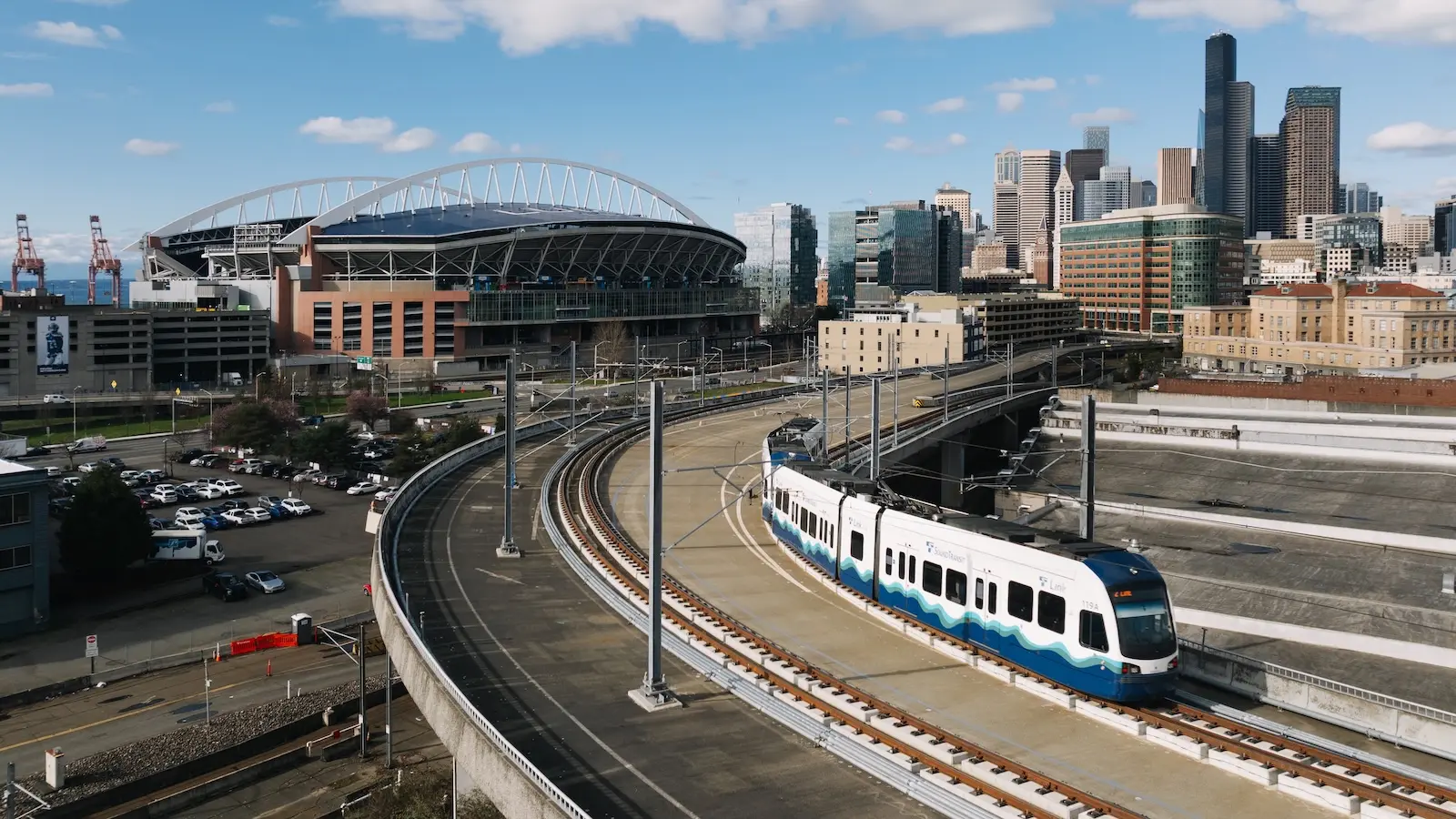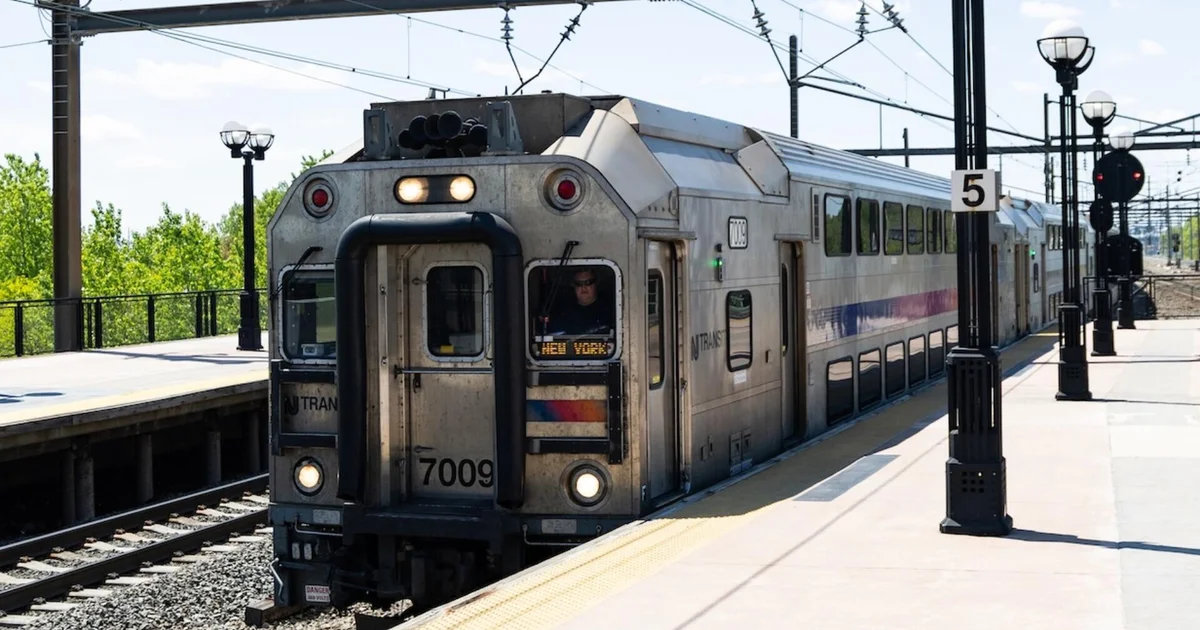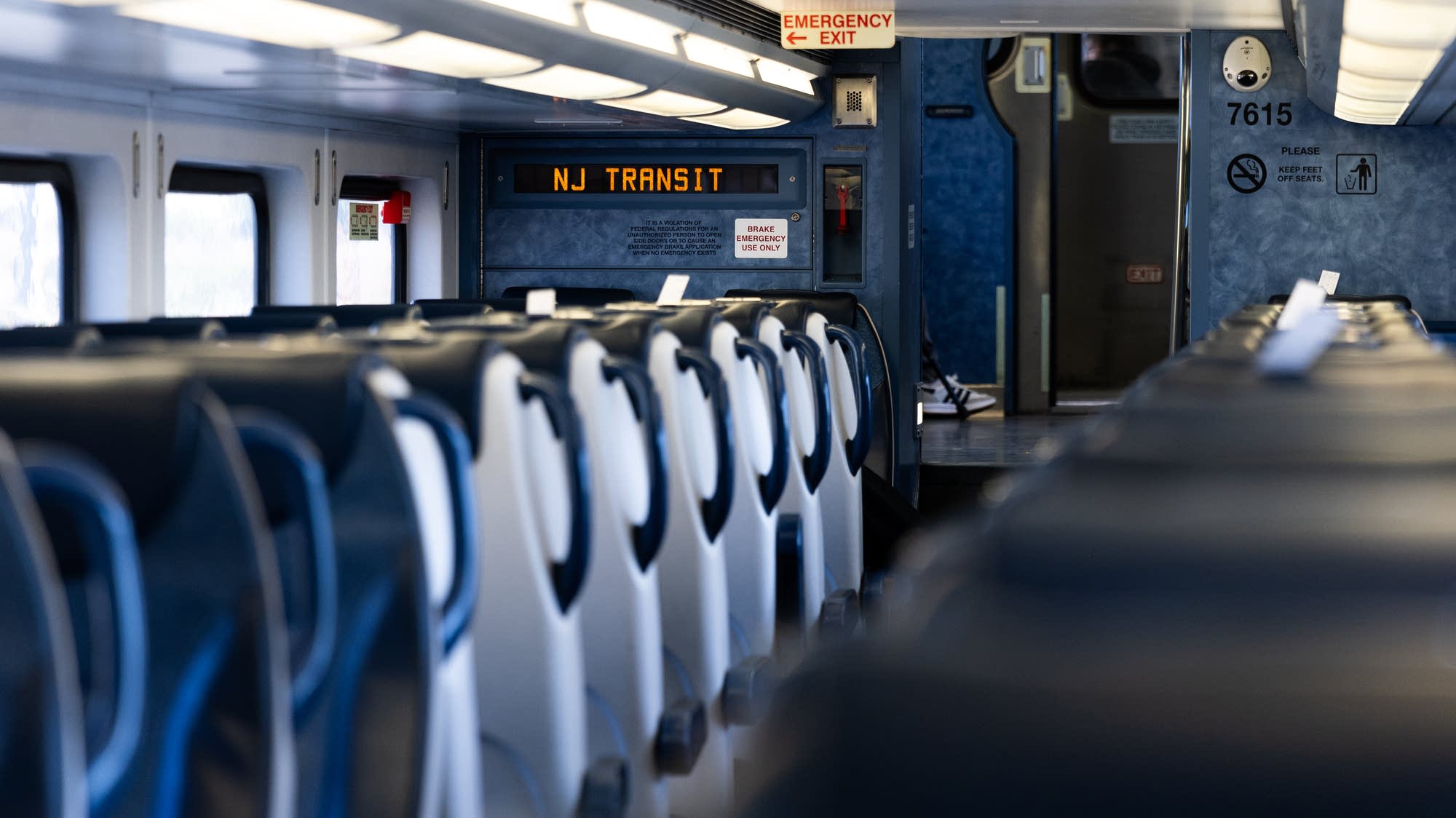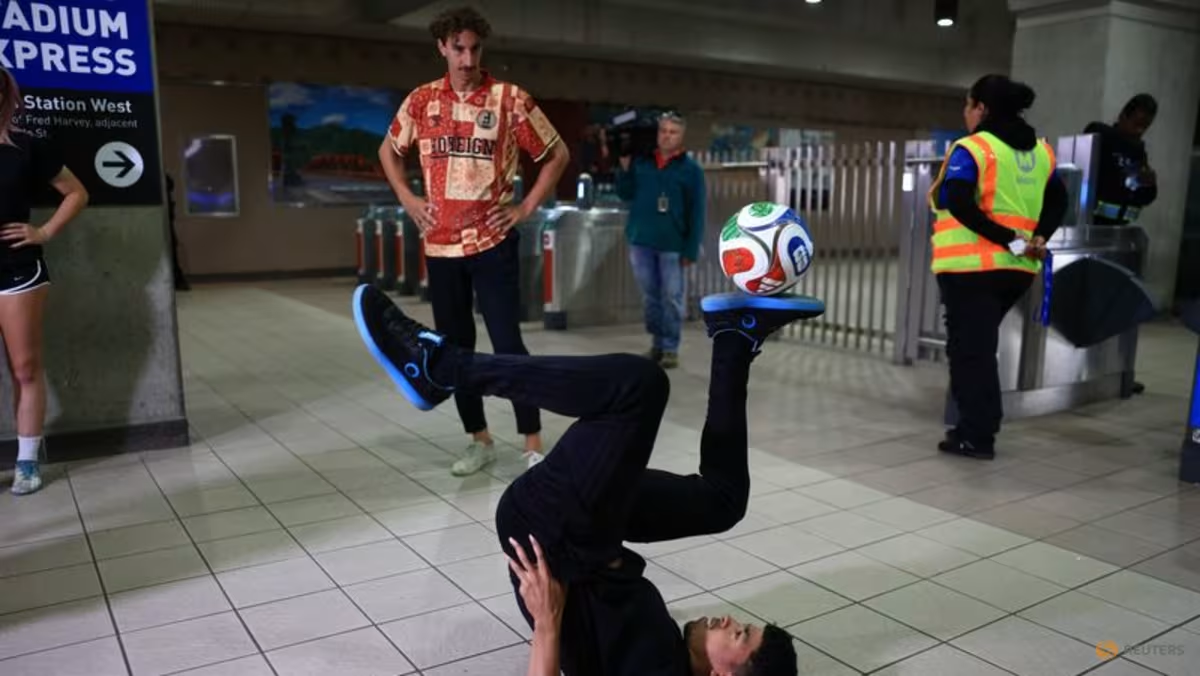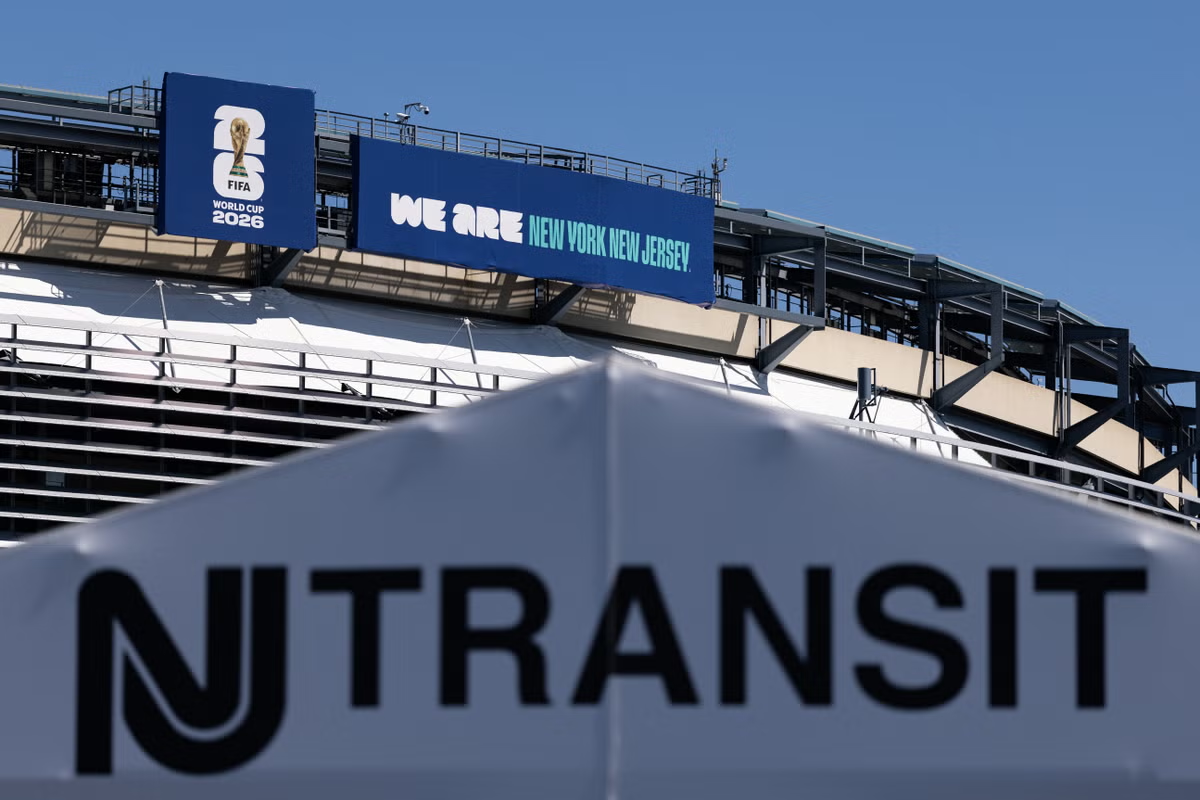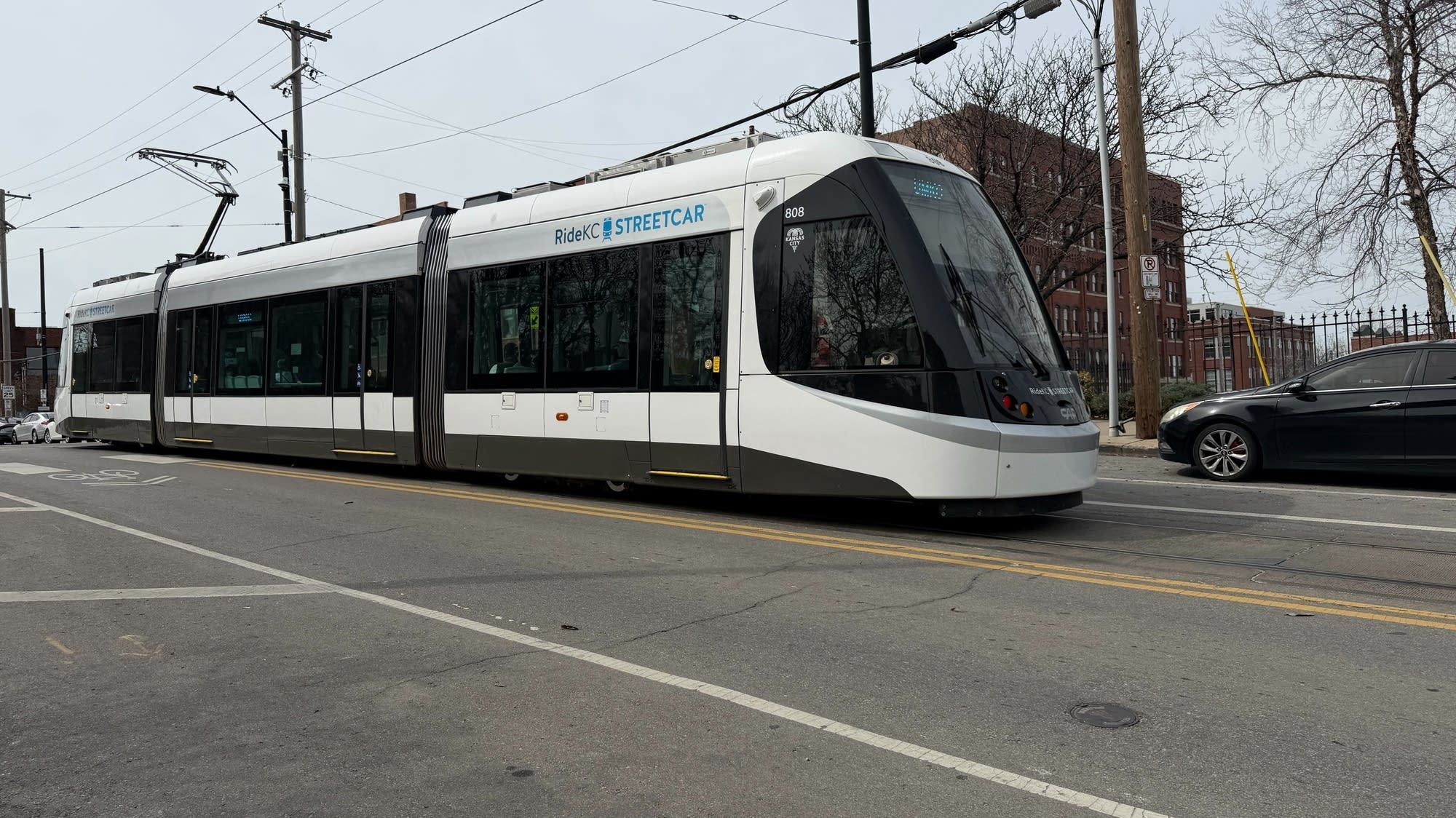
Sometimes you need a deadline to get a project done, and some public transit agencies around the U.S. are facing a big one in this summer’s World Cup.Starting in mid-June, soccer fans will flock to 16 cities across North America for the month-long tournament. Each match will draw tens of thousands of fans, many of whom will take public transit.That’s spurred many transit agencies in host cities to expand service during the tournament. In some cases, it’s pushing transit systems to finish up big infrastructure projects.Seattle, for example, has spent decades planning to run a light rail line across Lake Washington, which divides the west and east sides of the metro area. “The Crosslake Connection is something that was originally envisioned back in the ‘60s,” said Henry Bendon, a public information officer for Sound Transit, which runs the region’s light rail system.Construction on the line started in 2016. It’s faced plenty of delays. But the prospect of tens of thousands of soccer fans descending on the city this summer gave Sound Transit a hard deadline.“The World Cup was a we-must-have-this-open moment,” Bendon said. They’re going to meet it. The line opens Saturday, March 28.On the other side of the country, Boston’s public transit agency is upgrading a commuter rail station near the home of the New England Patriots in Foxborough, Massachusetts, which will host seven World Cup matches.“Up until a year ago, the Foxboro station was just a patch of asphalt next to the tracks,” said Christian MilNeil, editor of StreetsblogMASS, a local transportation news site.That just wouldn’t cut it for thousands of international soccer fans boarding the train. So by this summer, it’ll have a new, raised, accessible platform. Total construction time will be one year — plus a slap on the wrist by the state attorney general for violating construction bidding laws. That’s warp speed by Massachusetts standards, MilNeil said. “A lot of those projects can take up to a decade to get funded and designed and completed,” he said.Upgrades like the ones in Foxborough and Seattle will last long after the tournament. So will a 0.7 mile extension of the Kansas City Streetcar, which local officials are hoping to open before the World Cup. But in the short term, the Cup also presents a huge logistical challenge to transit agencies.“When you're talking about 60,000 to 80,000 people coming out of a facility at one time after the conclusion of a game, that can put a huge amount of pressure on even the highest capacity transit systems,” said Yonah Freemark, a researcher at the Urban Institute.Most host cities plan to run extra buses and trains before and after games. The federal government will help pay for some of that service.And at least for a few weeks, some cities will get a taste of what a more robust public transit system looks like. In Kansas City, for example, the local World Cup host committee is renting 200 buses to create new, temporary routes all over the region.Eric Bunch, a city council member in Kansas City, hopes the extra World Cup service could influence local transit policy after the tournament ends.“We have an opportunity here to showcase how it could work here and and leverage that for bigger, longer term improvements,” Bunch said.Those long-term improvements could serve local commuters, not just visiting soccer fans.
World Cup host cities push to complete public transit upgrades
As the World Cup gets closer, transit agencies in cities including Seattle, Boston, and Kansas City are pushing to complete some long-awaited projects and planning to temporarily expand service on their systems.
554 words~3 min read