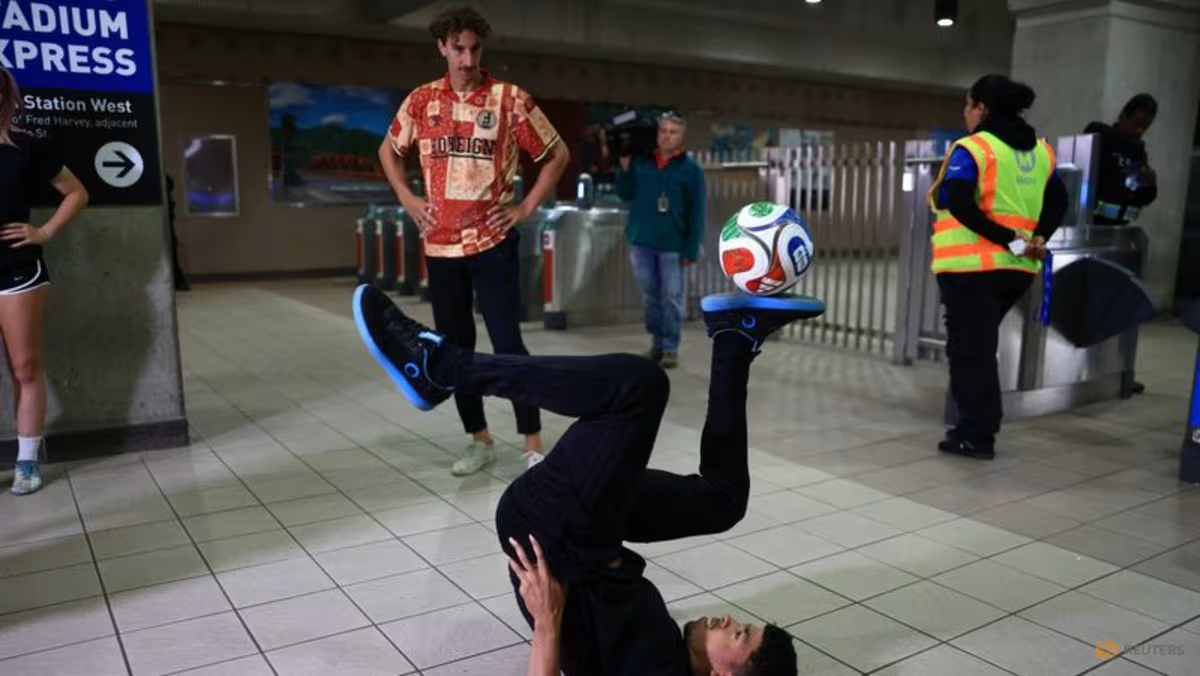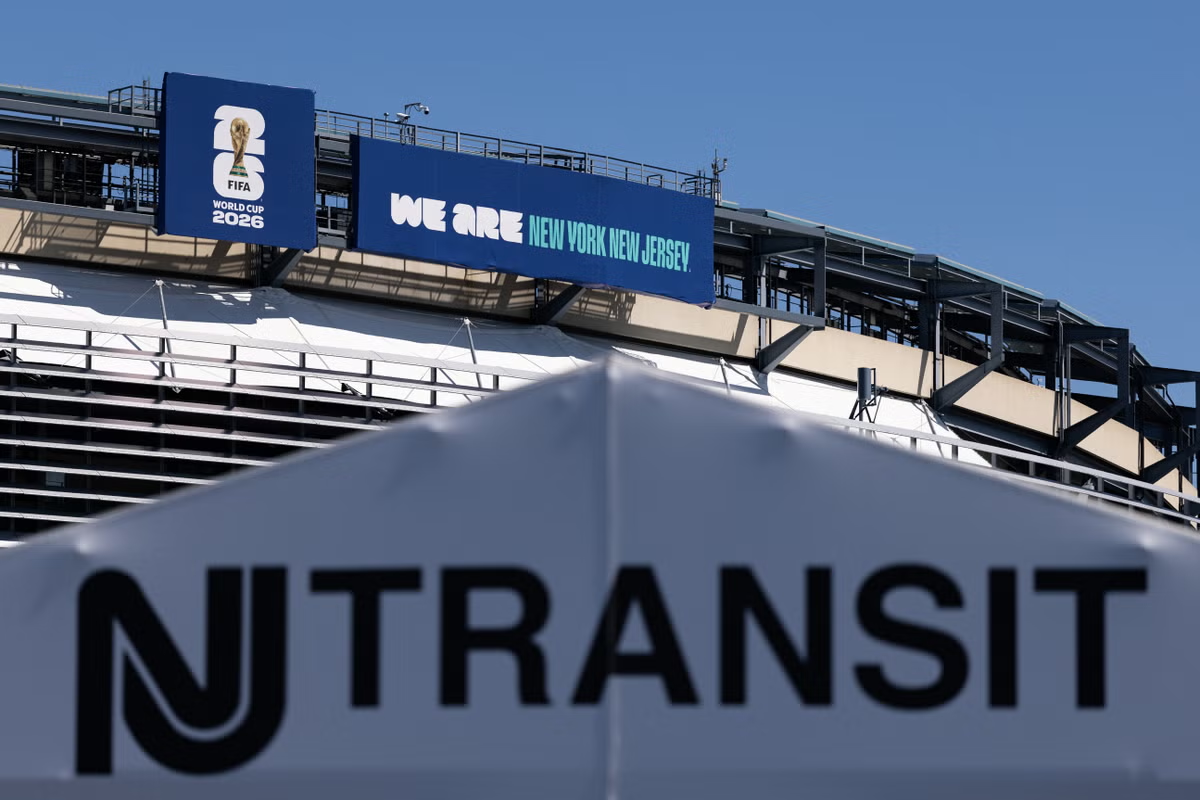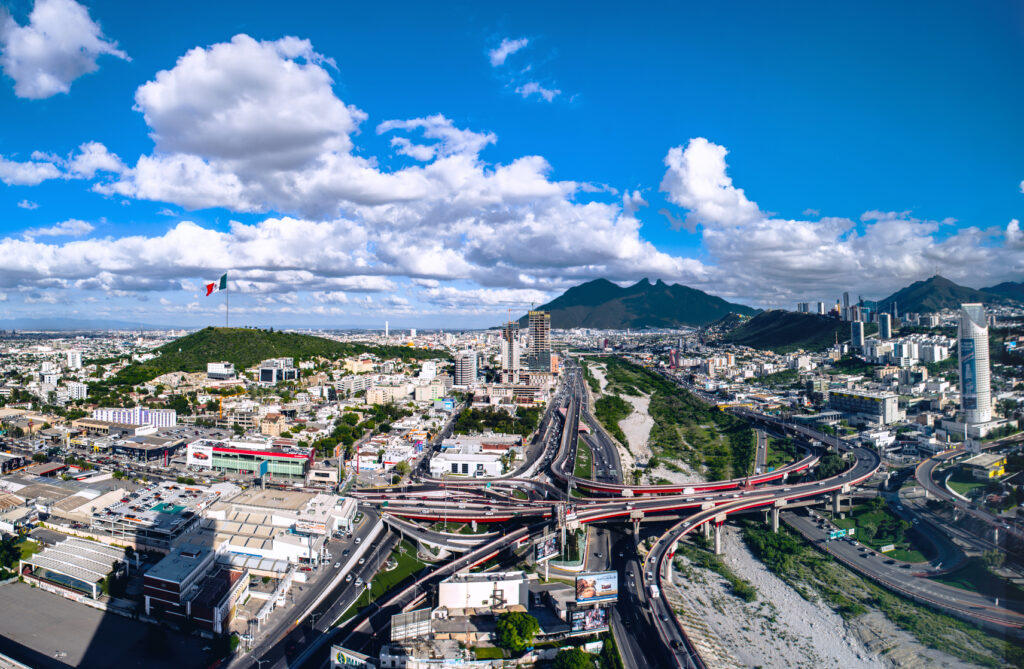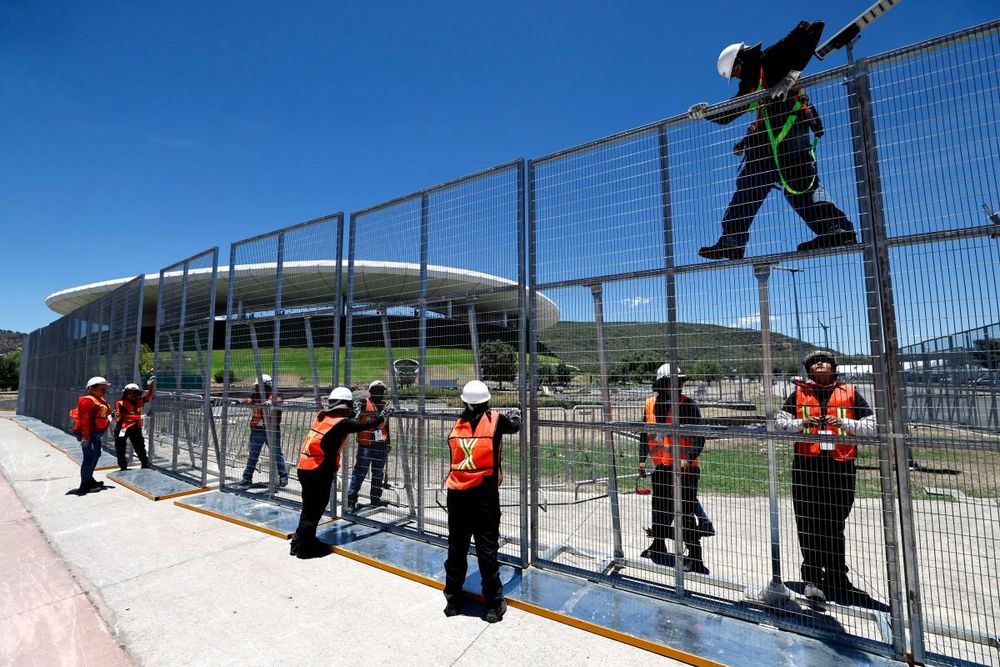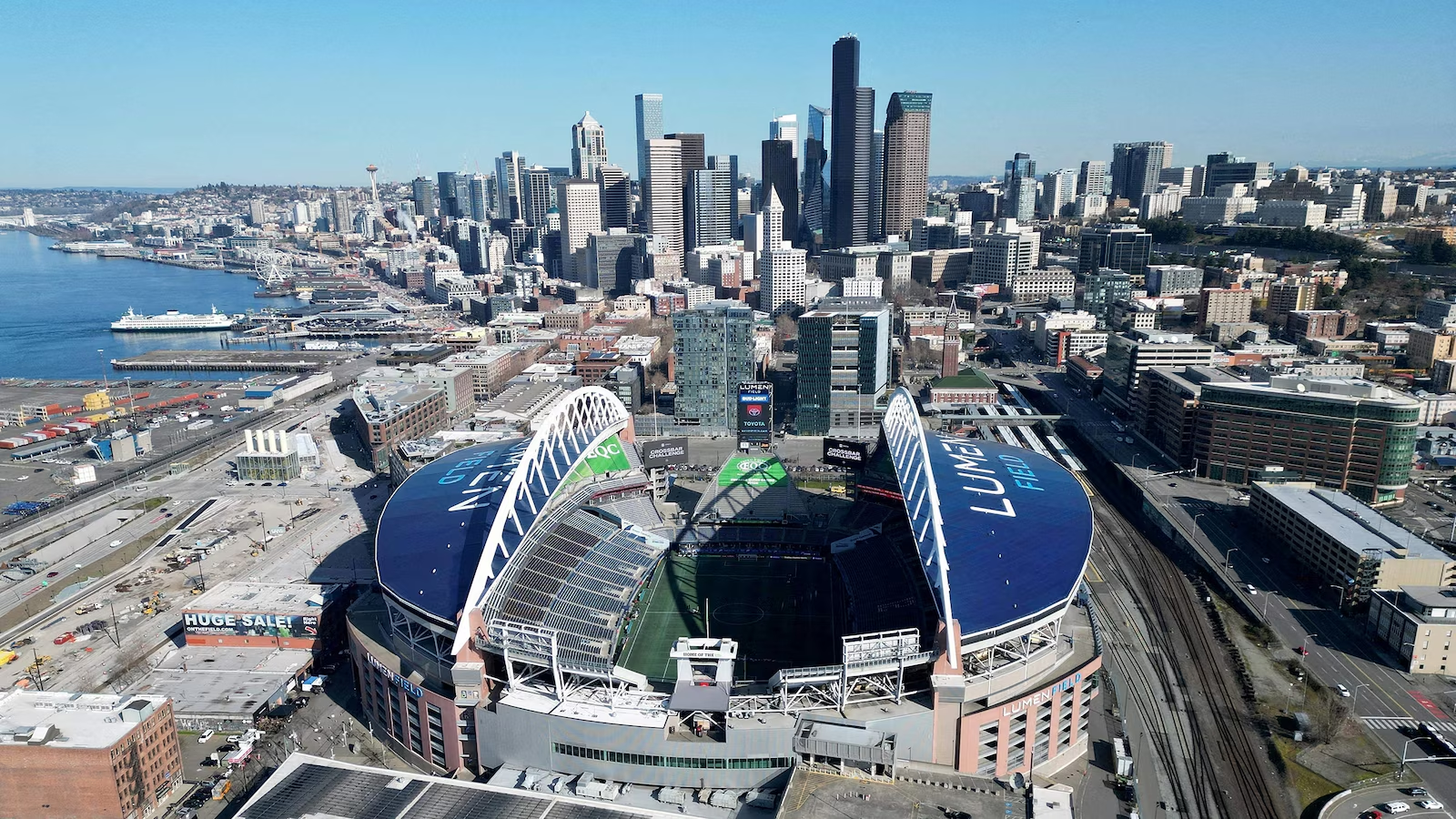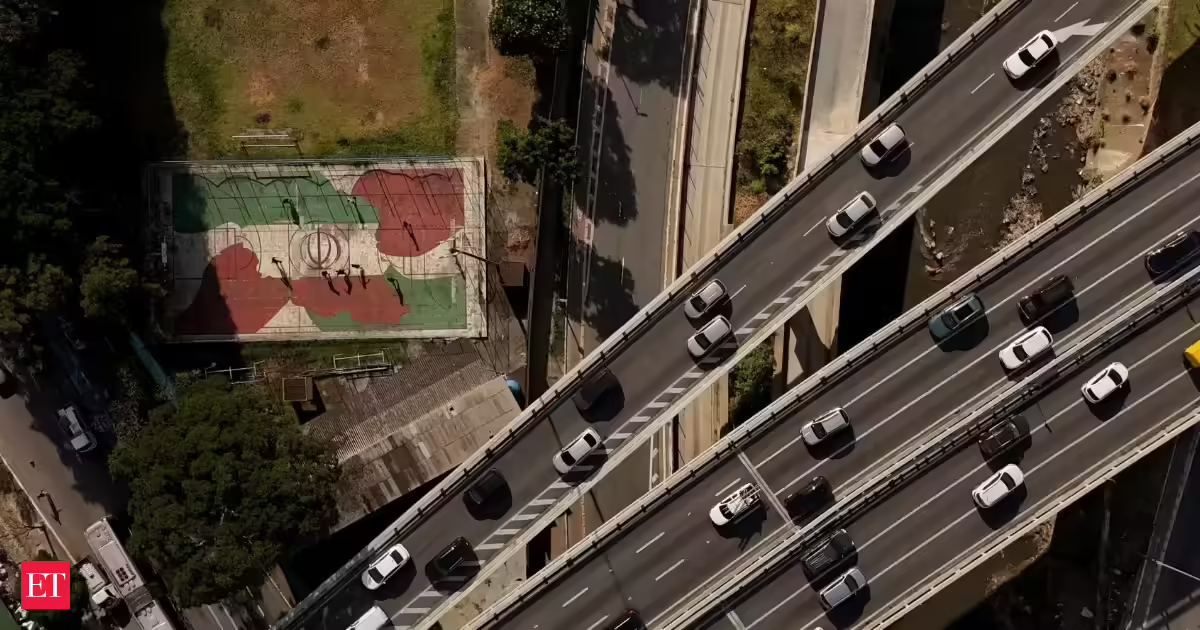
The 2026 FIFA World Cup will be the biggest tournament in soccer history, spread across 16 cities in the United States, Canada and Mexico. For millions of fans, getting to the games may prove almost as challenging as the matches themselves.With airfares climbing, gasoline prices rising and airport security lines stretching patience to the limit, North America's rail and bus operators see the month-long tournament as a rare opportunity: a chance to persuade travelers to swap planes and cars for trains, buses and public transit.Also Read: From Erling Haaland to Luca Zidane: Sons of FIFA World Cup stars ready for their own momentFor transportation providers, the World Cup is more than a sporting spectacle. It is a high-stakes audition before a global audience."We want you to be able to use our system seamlessly from the minute you decide to come to the World Cup, all the way into the games, and after that to get home," said Conan Cheung, chief operations officer for LA Metro, the public transportation authority serving the Los Angeles region.Los Angeles, which will host eight matches including the U.S. team's opening game, hopes the tournament will help reshape perceptions of a city often synonymous with traffic jams and sprawling freeways.For Cheung, the objective extends beyond impressing foreign visitors. The World Cup is also an opportunity to convince more Angelenos to embrace a public transportation system that has expanded significantly in recent years.That challenge resonates across much of the United States and Canada, where public transit networks are often less extensive than those found in Europe or Asia and where private vehicles remain the preferred mode of transport.Also Read: Heat threat hangs over 2026 FIFA World Cup as scientists warn of unsafe match conditions"Transit providers have an opportunity to provide service to a group of people who do not typically use transit on a day-to-day basis," said Yonah Freemark, a principal research associate at the Washington-based Urban Institute."Many of the World Cup fans coming from the U.S. or Canada do not necessarily use transit services regularly."The impressions those travelers form during the tournament could have lasting consequences."They should be making sure that the services they provide are high quality and not too expensive, because the people who are riding them are going to form an impression of those transit agencies — and there's a chance to really prove that they can provide a good service," Freemark said.Opportunity meets realityYet attracting new riders may prove easier than accommodating them.The World Cup's 104 matches will unfold across four time zones and thousands of miles, placing enormous demands on transportation networks already operating close to capacity.Ground transportation companies are eager to capitalize on soaring airline costs, but many are also wrestling with higher operating expenses of their own, particularly fuel prices.That leaves operators balancing competing priorities: attracting new customers while avoiding disruptions or price increases that could alienate the commuters who rely on them every day.For intercity bus giant FlixBus, the tournament represents a significant growth opportunity.Together with sister brand Greyhound, the company operates one of North America's largest transportation networks and says demand between host cities is already accelerating, with some departures sold out and others filling rapidly.Ahead of the tournament, the company has invested heavily in new buses and technology while placing renewed emphasis on punctuality."What is critical here is every Flix experience needs to be a happy one. That's how we actually grow our business. And this is a great opportunity," said Flix North America CEO Kai Boysan."We will welcome all the new customers and we want them to see what a change we've done and what a great experience they're going to have."Boysan believes buses are well-positioned to benefit from frustrations increasingly associated with air travel."Airports are congested and the costs are rising. And clearly travelers are naturally looking for alternatives. And there we come into effect," he said.The price problemWhile operators hope to lure travelers away from planes, some transit agencies have faced criticism for sharply increasing fares during the tournament.Few examples generated more backlash than New Jersey Transit, whose train service between Manhattan and MetLife Stadium — venue for eight matches including the July 19 final — initially carried a round-trip fare of $150 for a journey that normally costs less than $13.NJ Transit argued that the increase was necessary to cover approximately $48 million in additional costs related to security, crowd management and World Cup operations.Public criticism forced a rethink.The agency subsequently lowered the fare to $98 after securing additional advertising revenue, while shuttle bus prices on the same route were cut to $20 from the originally proposed $80 after organizers arranged additional capacity through local school buses.Boston has also announced higher event-day transportation prices. Round-trip rail tickets between downtown Boston and the stadium hosting seven World Cup matches will cost $80, compared with the usual $20 to $30, while a bus ride will cost $95.The fare hikes have drawn criticism from politicians, including U.S. Senator Chuck Schumer."Charging more than 11 times the normal fare for a train ride is a ripoff, plain and simple. FIFA is making billions from this World Cup," Schumer said after the original New Jersey fare was announced."FIFA should cover the ride, not stick New York fans with the bill."FIFA has countered that high transit costs could encourage fans to seek alternative ways to reach stadiums and noted that comparable international sporting events have generally not required organizers to fund transportation impacts.Different approachesNot every city has opted for higher prices.In Los Angeles, riders heading to World Cup matches will pay standard fares."Our regular fare is $1.75, so people will be able to pay that," said Cheung. "We will honor all of the discounts we have."Philadelphia is going a step further.Fans attending matches in the city will pay just $2.90 to travel to the stadium by train and receive a free ride home, courtesy of tournament sponsor Airbnb.National rail operator Amtrak is also preparing for increased demand as supporters move between host cities throughout the month-long competition."We are fully committed to running a world-class railroad ... and ensuring our infrastructure is ready to accommodate new and returning guests," said W. Kyle Anderson, Amtrak's director of communications.For transportation providers across North America, the World Cup offers a fleeting but valuable chance to showcase what their systems can do.The tournament will crown a world champion on the field. Away from the stadiums, trains, buses and transit networks will be competing in a contest of their own — to convince millions of travelers that public transportation can be fast, reliable and worth returning to long after the final whistle.
The FIFA World Cup transit test: Can trains and buses win over North America's car-loving fans?
The 2026 FIFA World Cup in North America presents a major opportunity for public transport. Operators aim to attract fans to trains and buses, offering an alternative to costly air travel. While some cities are increasing fares, others maintain standard rates. This event is a crucial test for transit systems to prove their reliability and convenience to a global audience.
TL;DRAI
FIFA World Cup 2026 across 16 cities is a high-stakes test for transit agencies (LA Metro, FlixBus, Greyhound) to shift car-dependent North Americans to public transit; fare hikes (NJ Transit $150 vs $13 normal) threaten success. Agencies' ability to deliver quality service will shape long-term public transportation adoption and regional mobility-tech spending.
1,097 words~5 min read