HomeAI · summaries
Storia in 6 fonti
The FIFA World Cup transit test: Can trains and buses win over North America's car-loving fans?
The 2026 FIFA World Cup in North America presents a major opportunity for public transport. Operators aim to attract fans to trains and buses, offering an alternative to costly air travel. While some cities are increasing fares, others maintain standard rates. This event is a crucial test for transit systems to prove their reliability and convenience to a global audience.
Confronto fonti
6 prospettive sulla stessa storiaTimeline cronologica
- ·
euronews.com

World Cup fuels tourism boom in North America with Canada in the lead
This month’s football World Cup puts North America at the heart of global tourism and is set to trigger an economic boom across the region, with Canada leading the way, ahead of…
- ·

World Cup 2026 fuels tourism in North America
This month’s football World Cup puts North America at the heart of global tourism and is set to trigger an economic boom across the region, with Canada leading the way, ahead of…
- ·
channelnewsasia.com

World Cup gives North American transit a chance to shine - or be booed
June 3 : The 2026 World Cup is soccer's biggest stage, and for some of North America's rail and bus operators it will be a critical audition.With airfares and gasoline prices…
- ·
iol.co.za
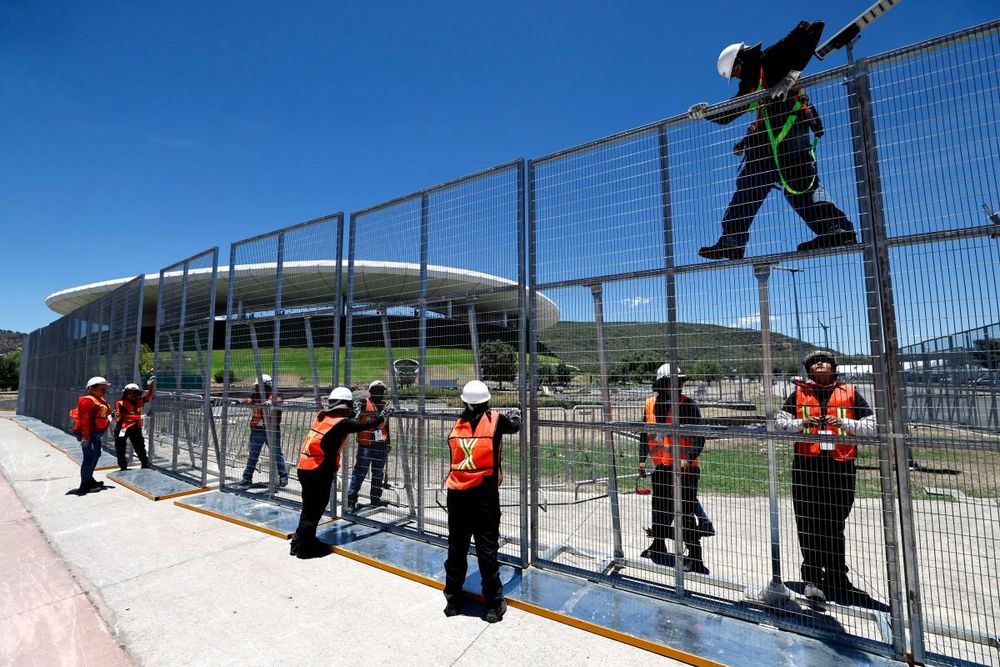
World Cup 2026 security: How US, Mexico and Canada are protecting millions of fans
Take a look inside the massive " trilateral security framework" and multi-billion rand operation deployed to safeguard players and fans across 16 World Cup host cities.
- ·
economictimes.indiatimes.com

The FIFA World Cup transit test: Can trains and buses win over North America's car-loving fans?
The 2026 FIFA World Cup in North America presents a major opportunity for public transport. Operators aim to attract fans to trains and buses, offering an alternative to costly…
- ·
independent.co.uk
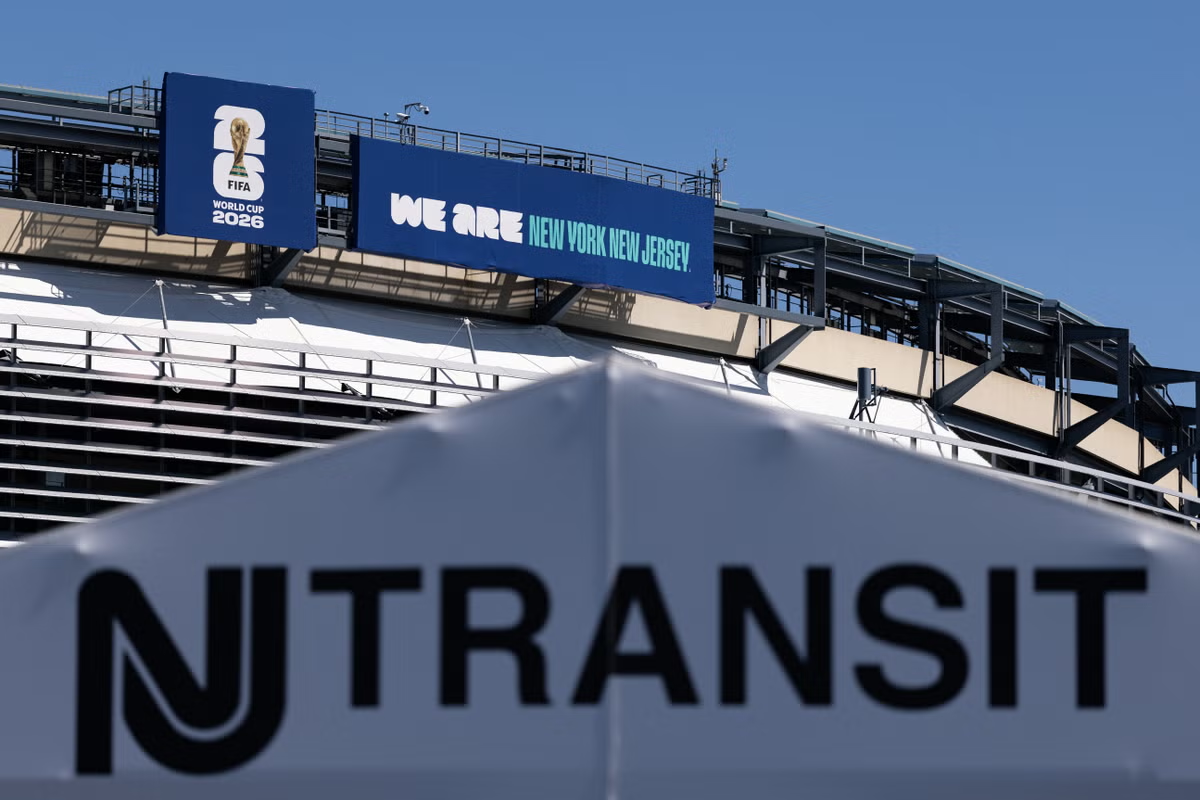
North American transit chiefs braced for ultimate World Cup challenge
The World Cup is now just over a week away
- ·
businessday.ng
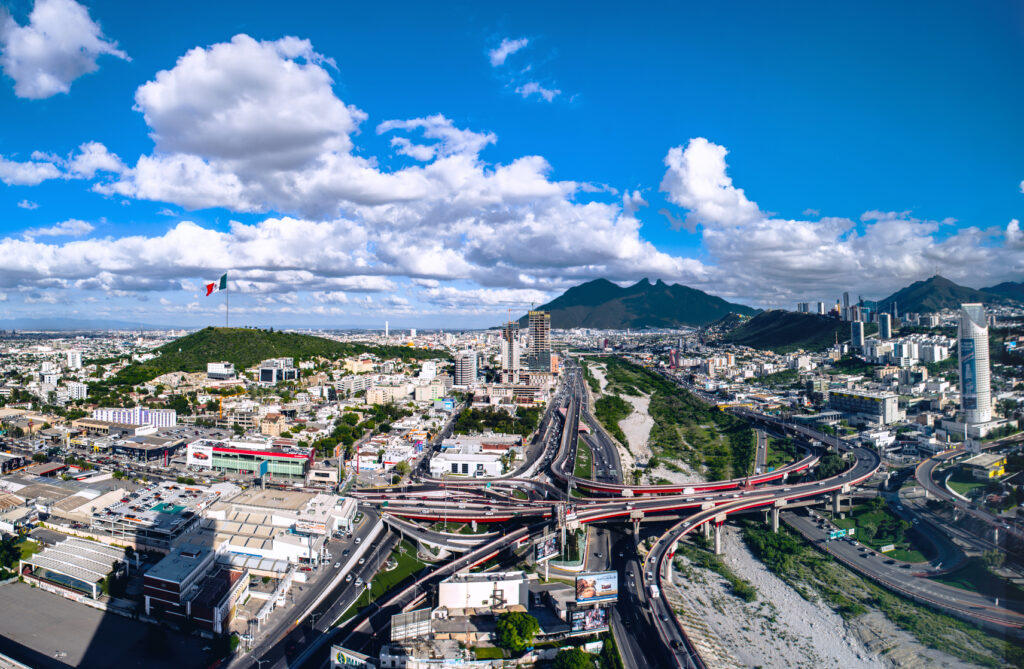
2026 World Cup: 10 iconic host cities every fan must visit - Businessday NG
With millions of football fans expected to descend on North America for the 2026 FIFA World Cup, the tournament promises
- ·

FIFA World Cup 2026: Extreme heat and high humidity expected across several venues in North America; poses risk to players and spectators
The 2026 FIFA World Cup in North America is set to face extreme heat. Several host cities, especially in the southern United States, will likely experience high temperatures and…