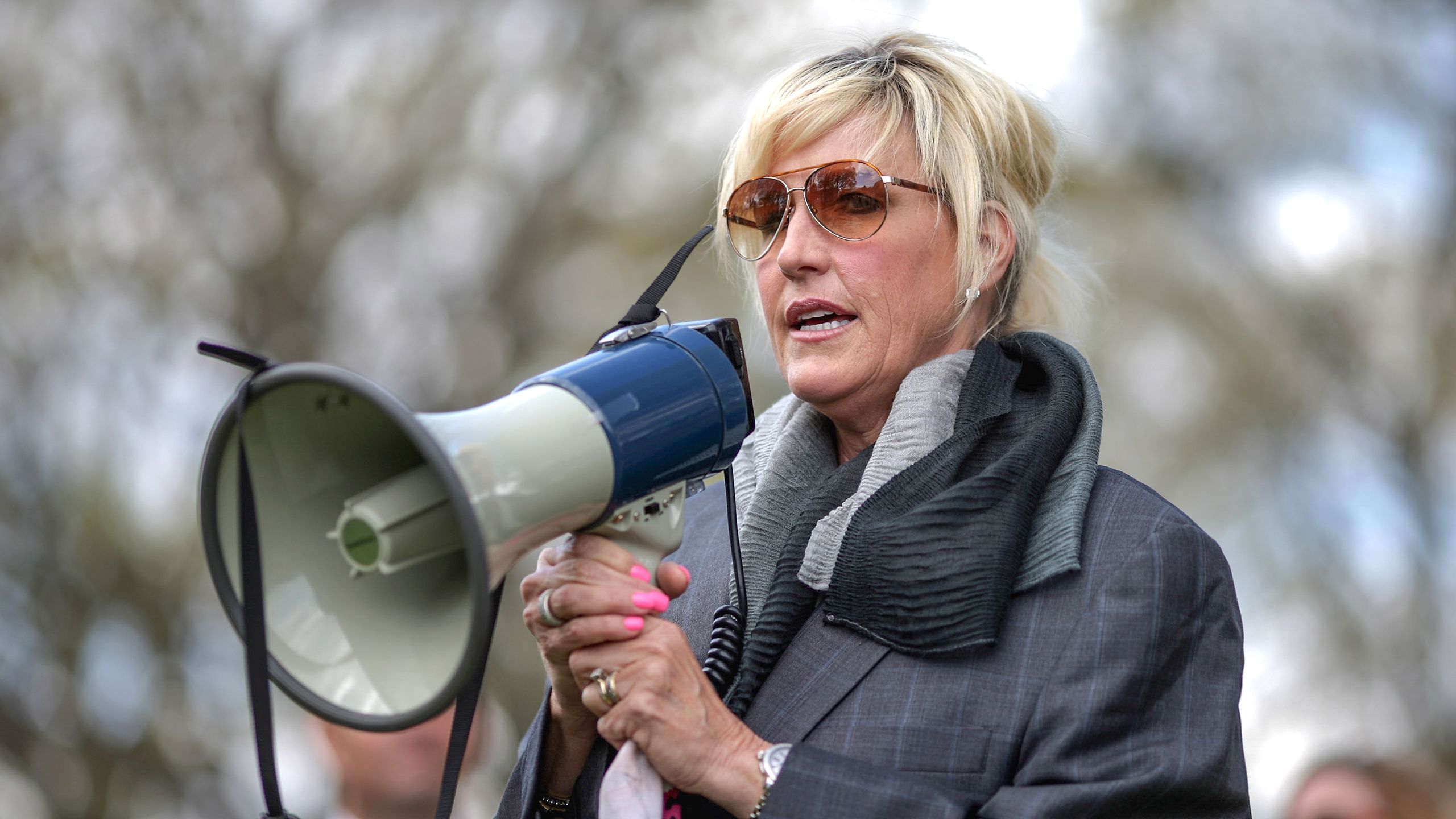
(Image credit: Getty Images)
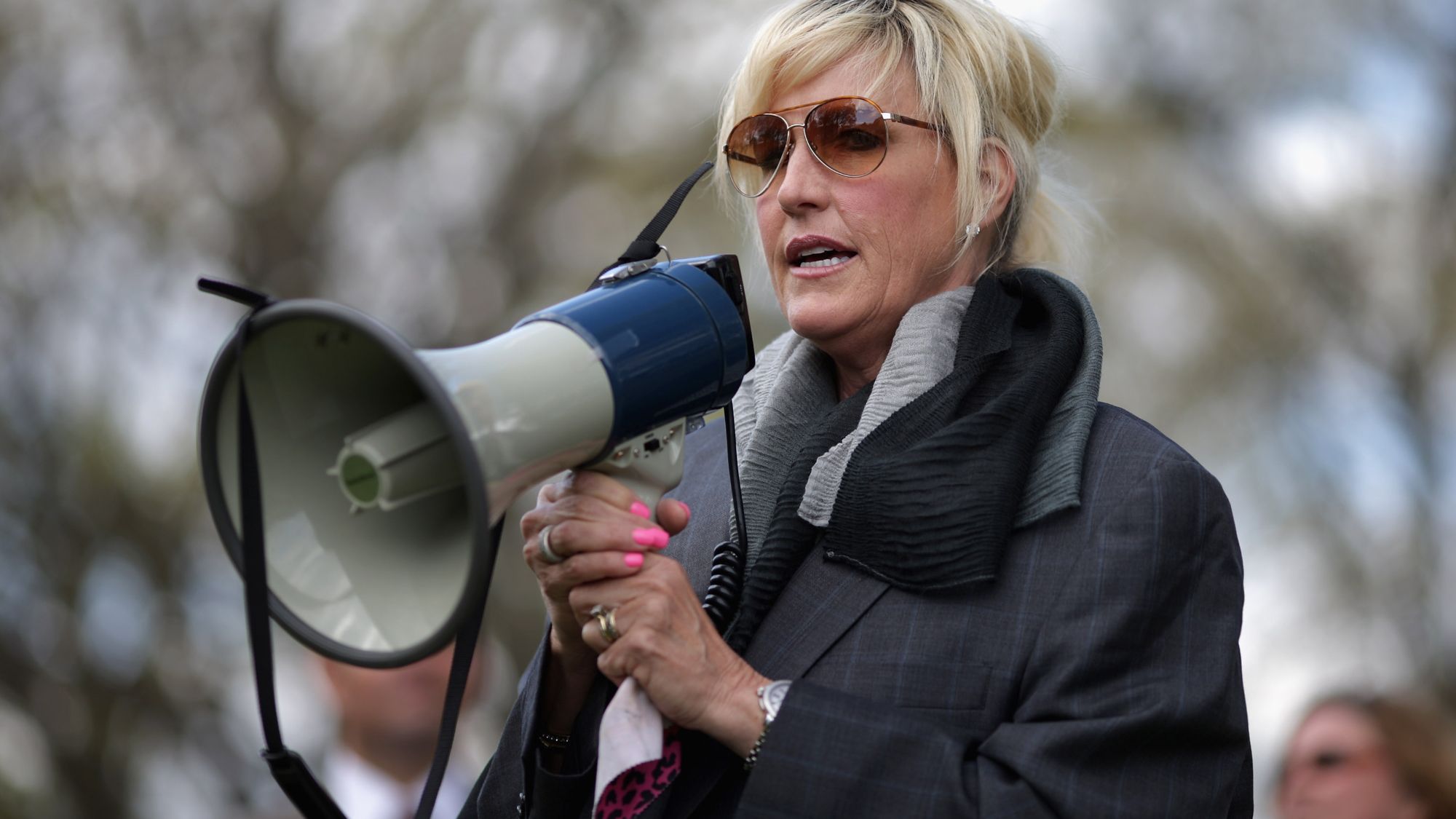
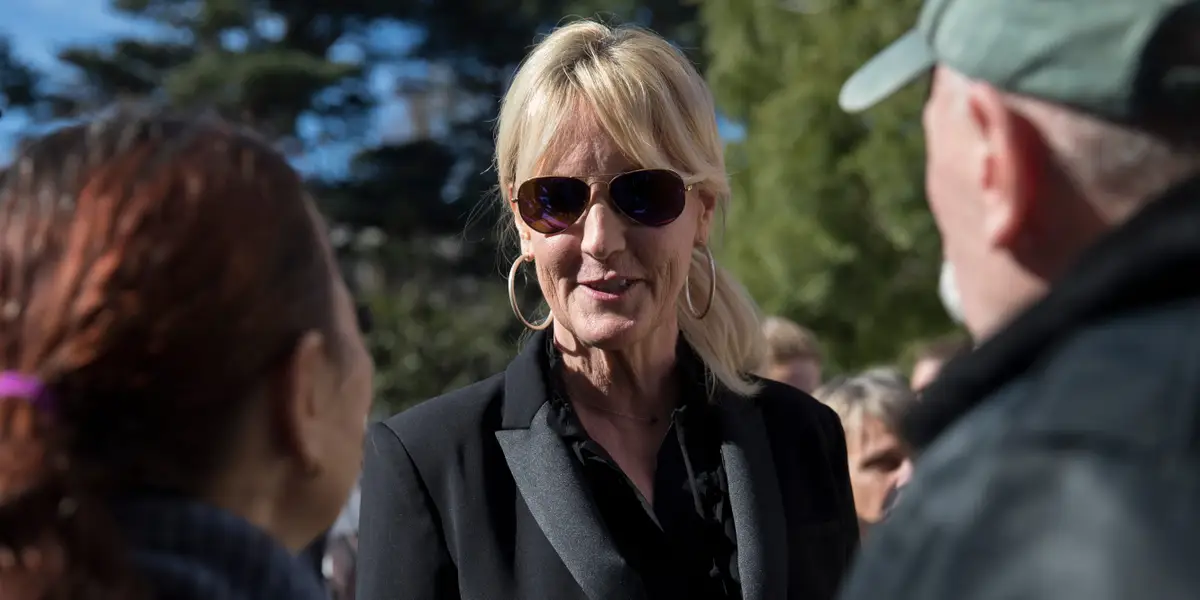
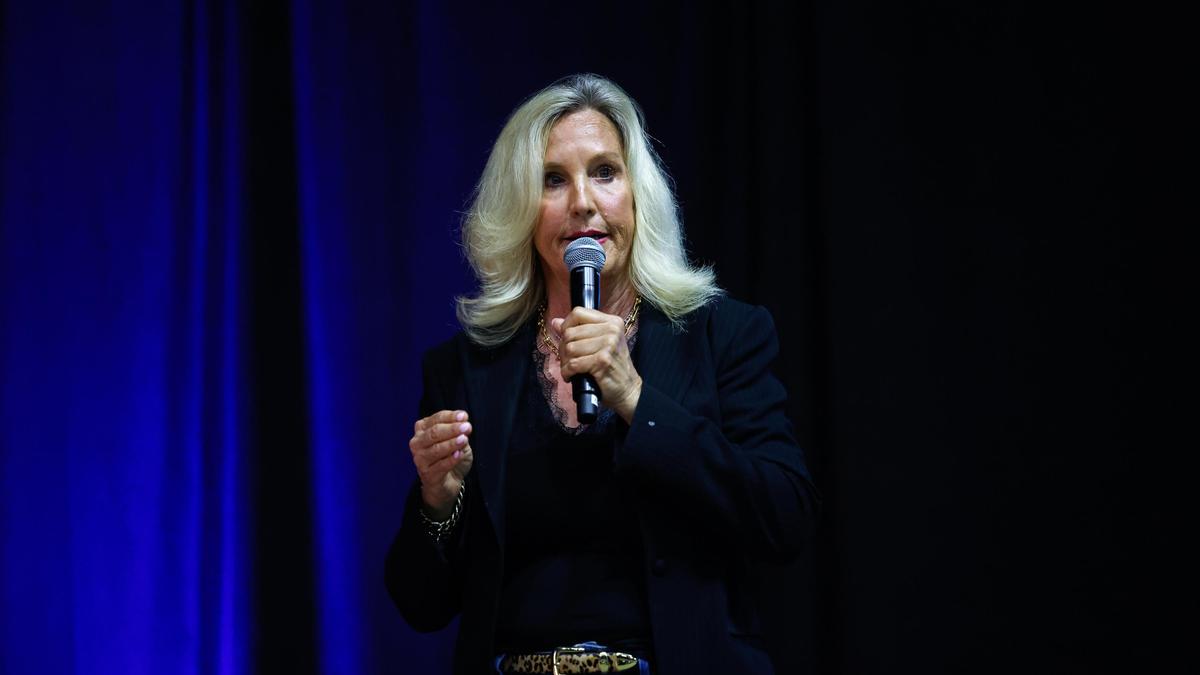
Environmental activist Erin Brockovich, best known for exposing a major water contamination case against Pacific Gas and Electric Company that later inspired the Oscar-winning film "Erin Brockovich," is turning her attention toward AI. Brockovich is specifically sounding the alarm about massive data centers powering tools like OpenAI's ChatGPT, Google's Gemini and other generative AI systems.According to a recent report from Newsweek, Brockovich is asking Americans to help crowdsource information about proposed and existing AI data centers across the country through a new public map initiative.At first glance, it might sound niche. But the implications are much bigger than they appear.What is Erin Brockovich doing exactly?
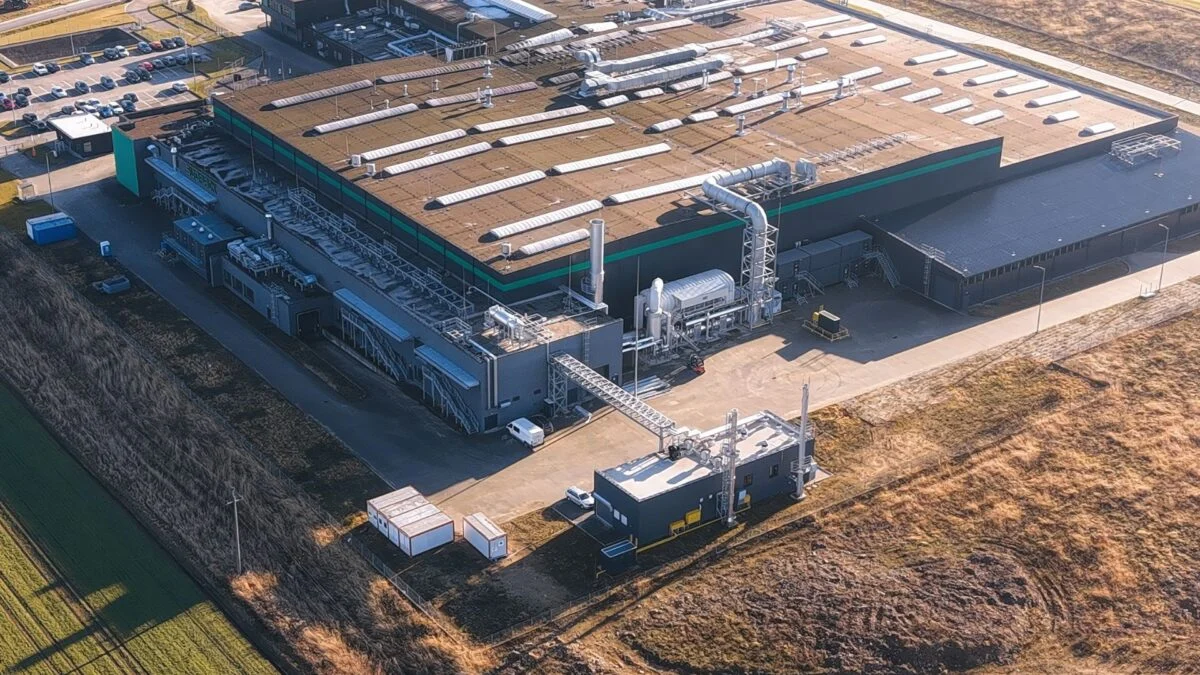
(Image credit: Erin Brockovich site)Brockovich is shifting the conversation of how AI is framed. Rather than as software such as chatbots, image generators and productivity tools, she's emphasizing the enormous industrial infrastructure required to power these tools.From increasing electricity demands and rising water usage to grid strain and giant server farms, Brockovich is highlighting the fact that the hidden cost of AI should not be ignored.Unfortunately, most people don’t think about what happens behind the scenes when they ask ChatGPT a question or generate an AI image. But every AI prompt requires real-world computing power — and a staggering amount of it.Companies including Microsoft, Amazon, Google and Meta are now racing to build more data centers to support increasingly powerful AI systems. But that boom has triggered growing concerns around land use, water consumption for cooling systems and energy demand.Get instant access to breaking news, the hottest reviews, great deals and helpful tips.In some parts of the country, communities have already begun pushing back against proposed projects over fears that AI infrastructure could dramatically reshape neighborhoods and strain local resources. But that’s what makes Brockovich’s involvement so significant. She helped turn environmental contamination into a mainstream public issue decades ago. Now, she appears to be trying to do something similar with AI infrastructure.AI is starting to feel physical