First published in Respekt.
Bavarian defence startups illustrate Germany’s transformation and the new nature of warfare.
Four and a half years ago, Germany was ridiculed when, a month before Russia’s invasion of Ukraine, it sent the threatened country only 5,000 military helmets as a gift in response to its calls for weapons. Sending arms to conflict zones in eastern Europe was at that time taboo for Germans for historical reasons – even at a moment when Russia’s blatant aggression against its smaller neighbour was clearly looming.
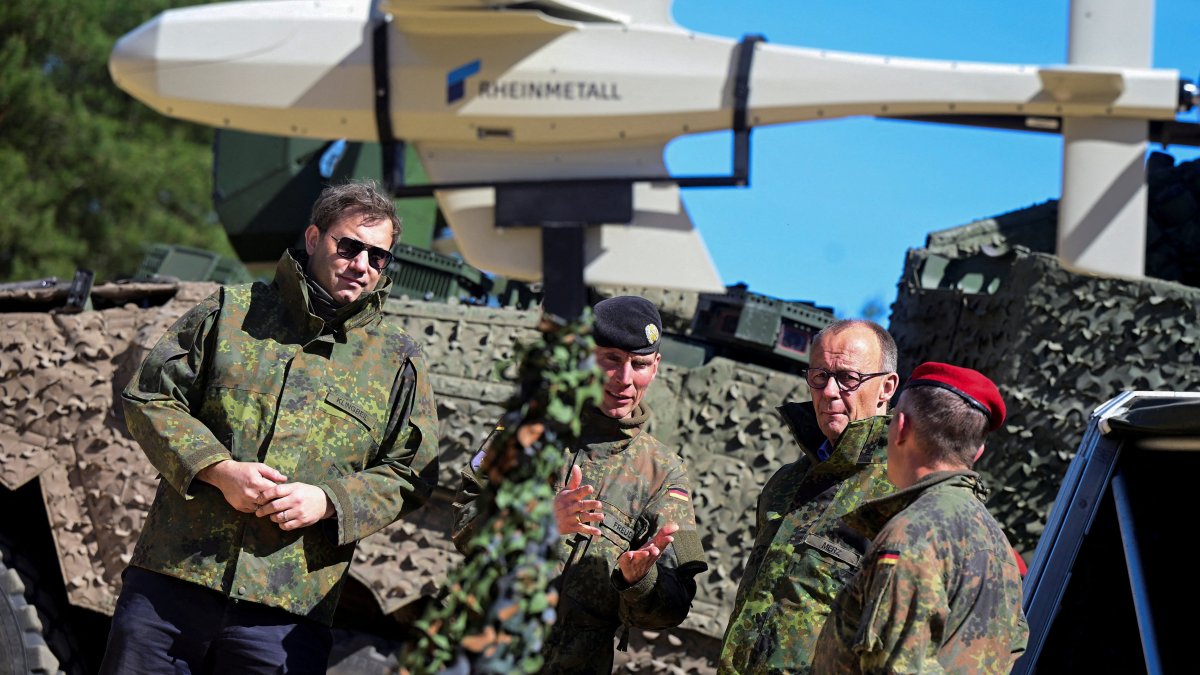
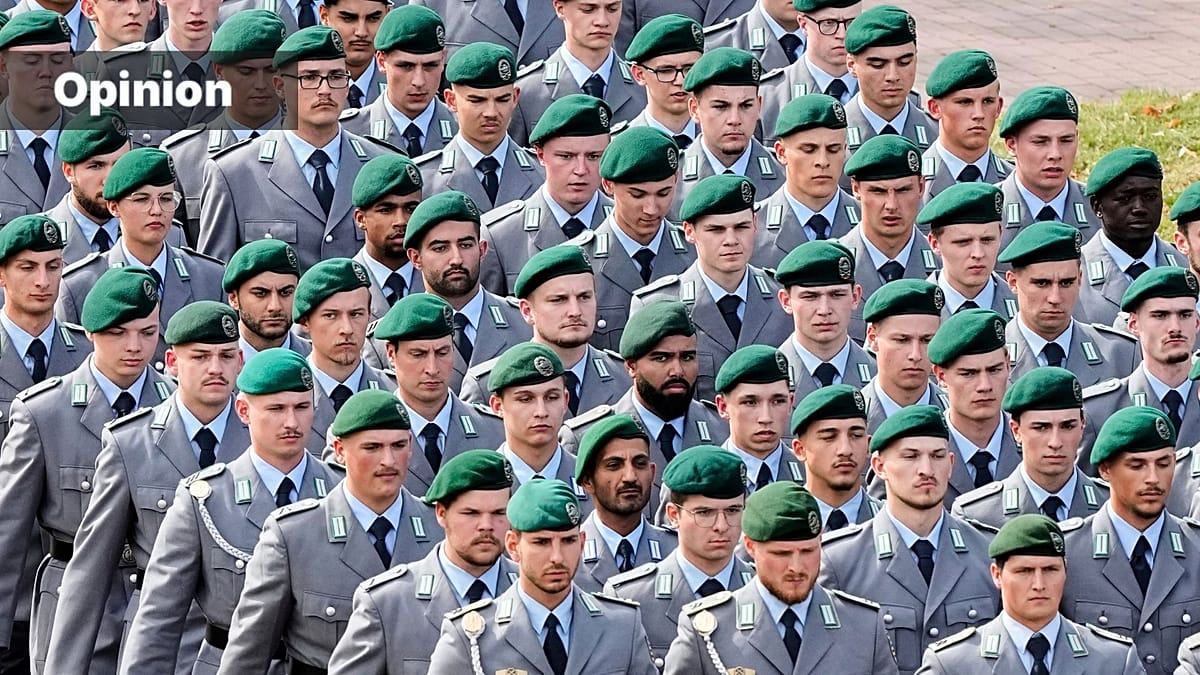
Cut to the present: German chancellor Friedrich Merz has promised to build the strongest army on the continent in his country. He wants to meet the Nato commitment of defence spending at 3.5 percent of GDP already in 2030, five years earlier than required, and within a few years the German military budget will be larger than the British and French ones combined.
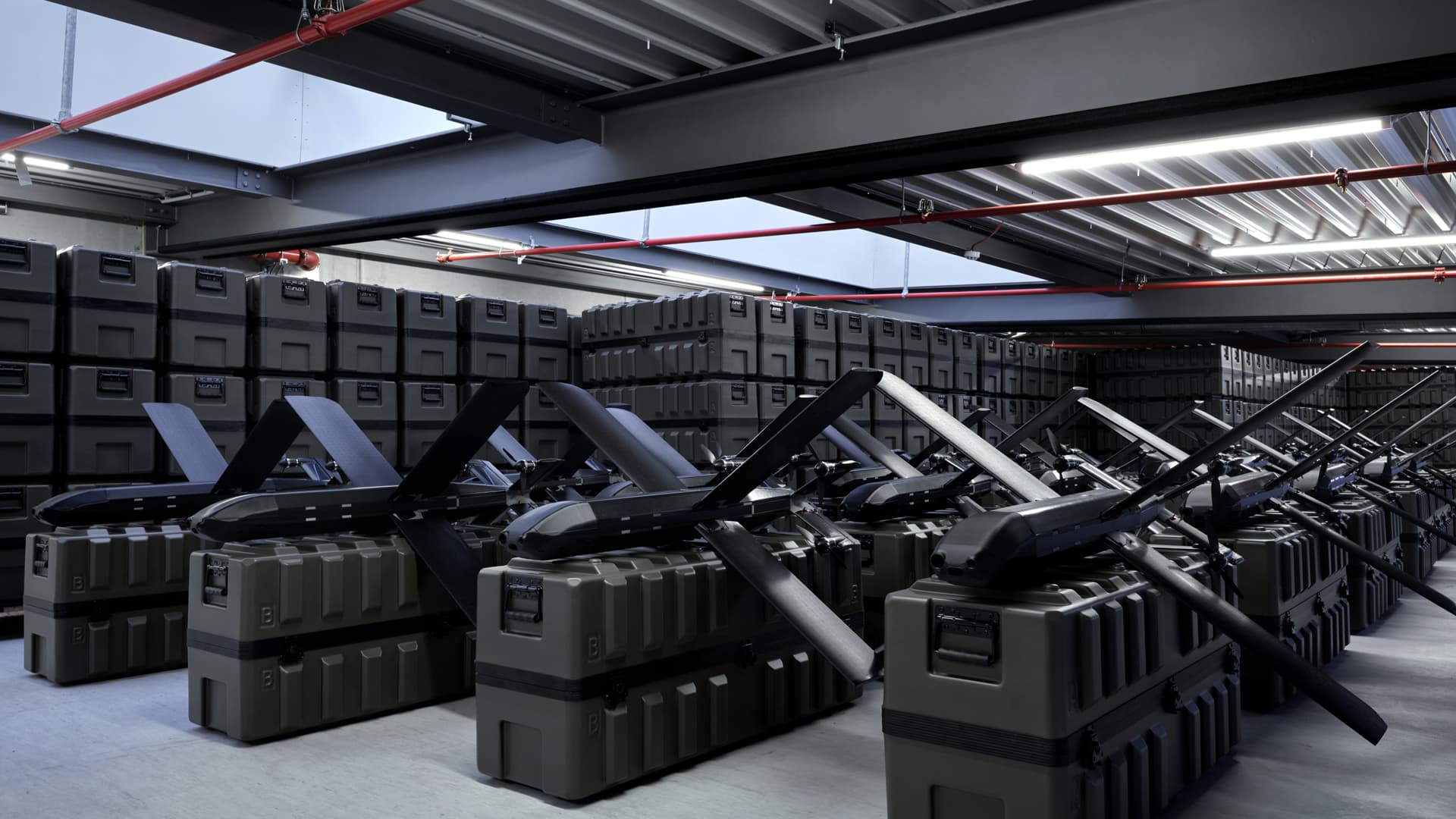
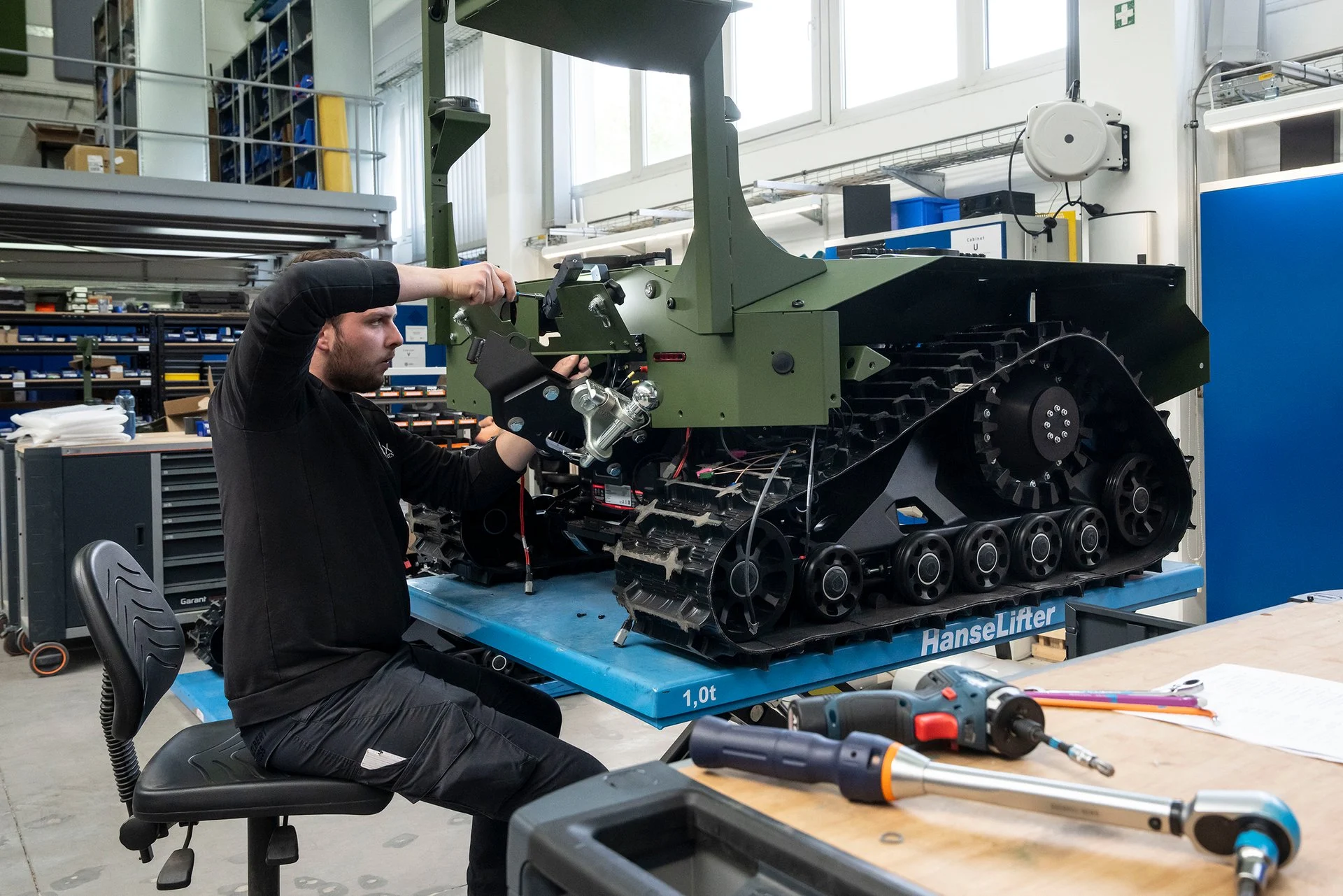
The defence company Helsing, together with Ukrainian partners, is producing thousands of attack drones; Ukrainian president Volodymyr Zelensky visited its production line near Munich this February.