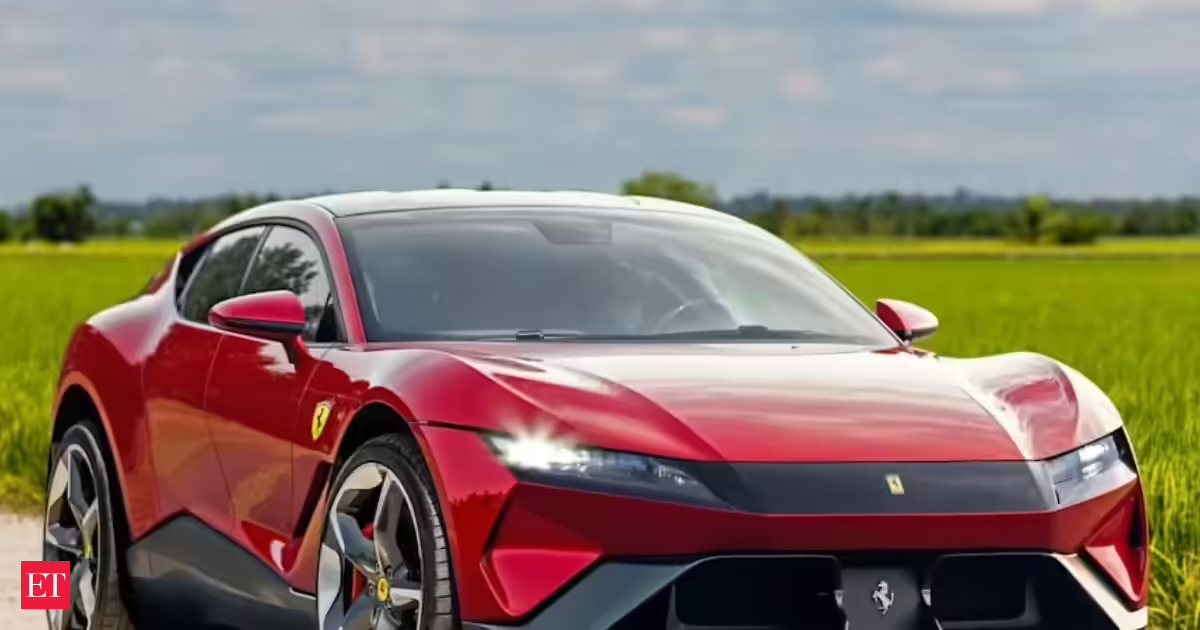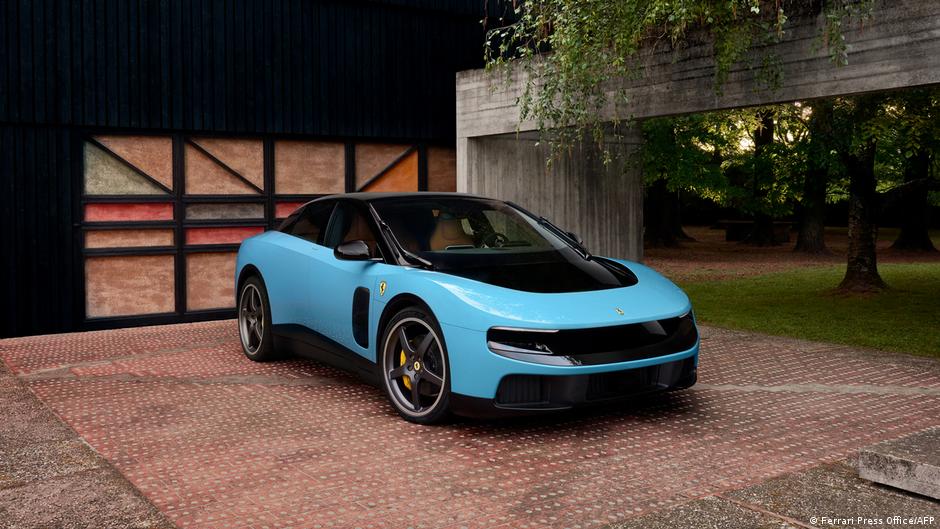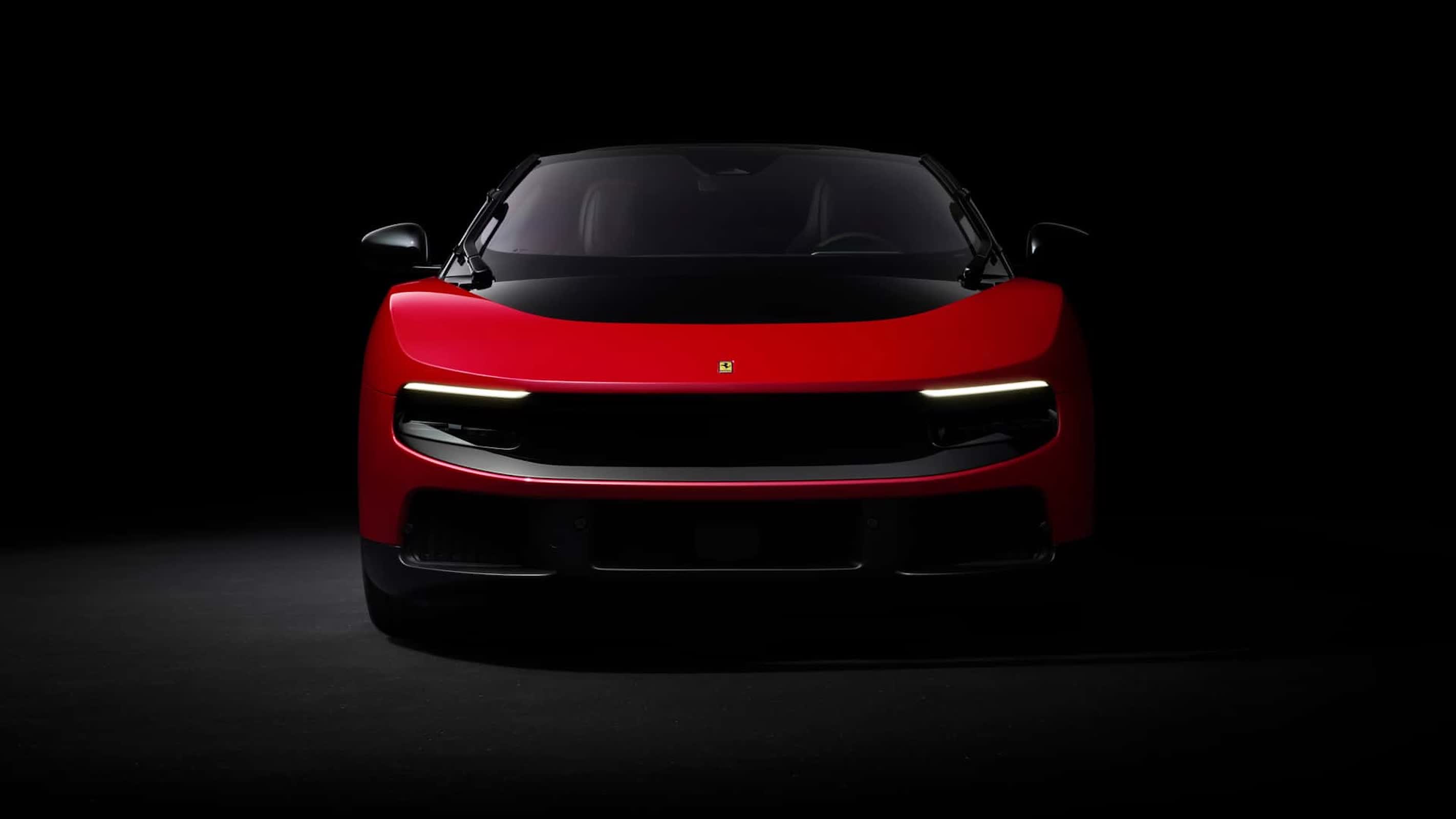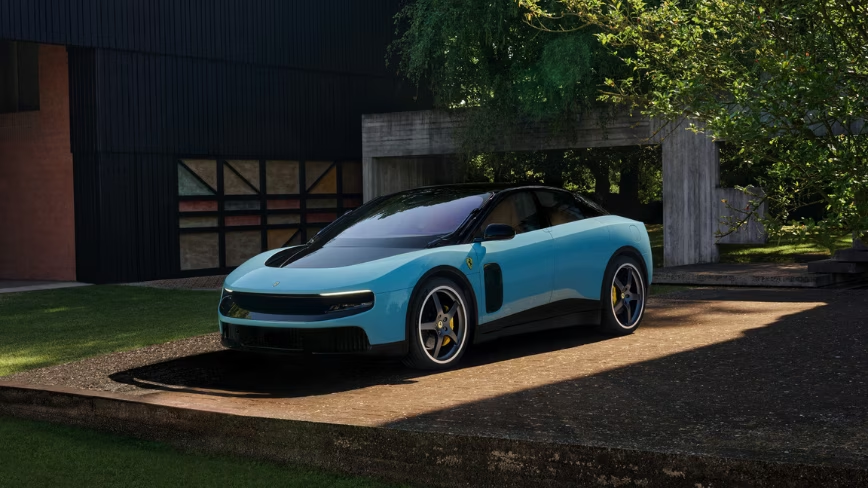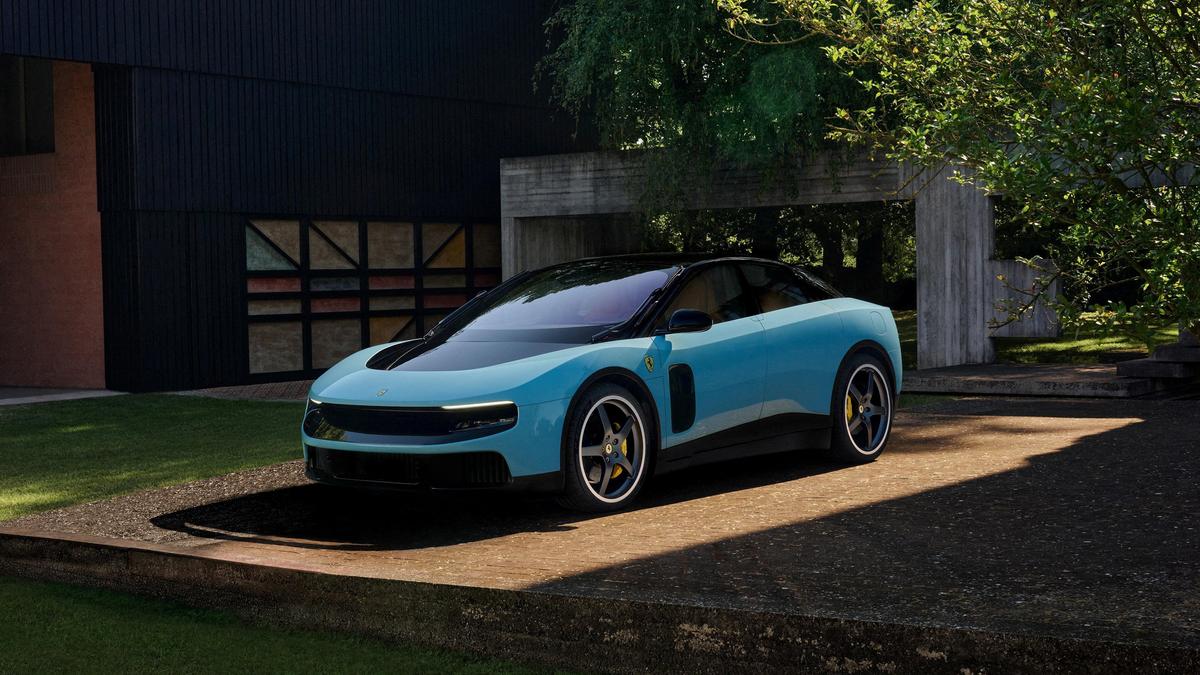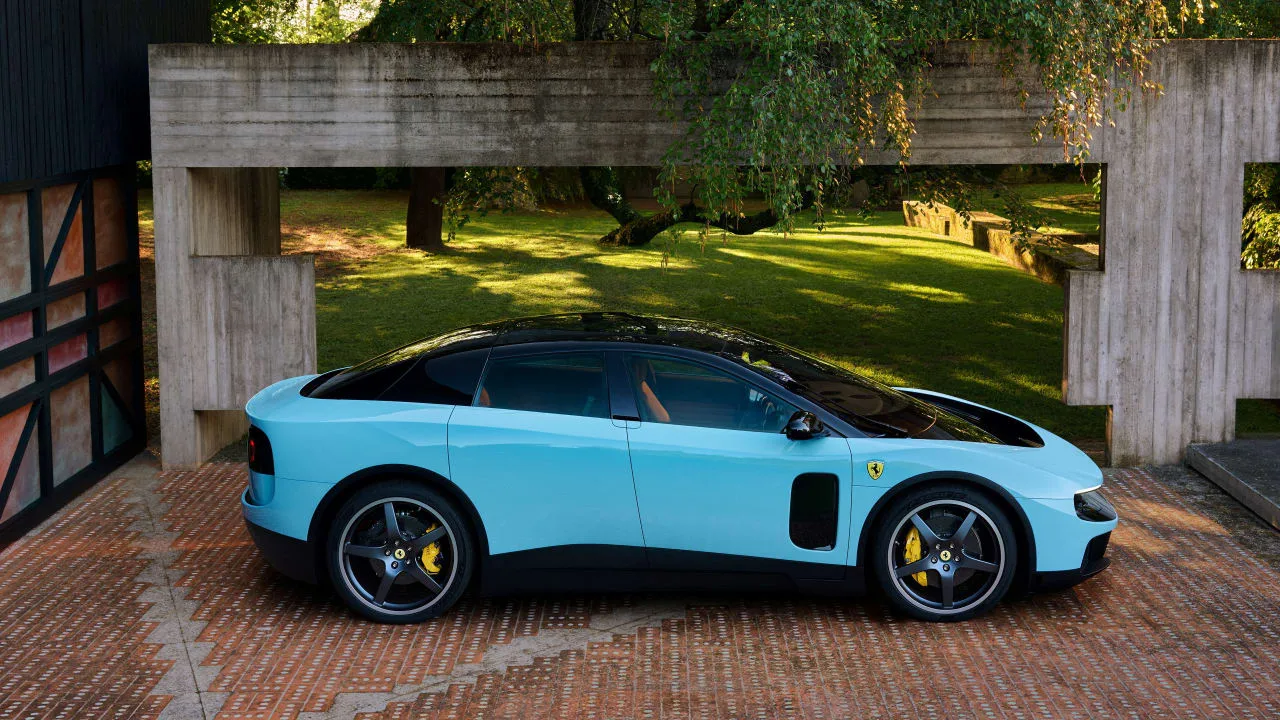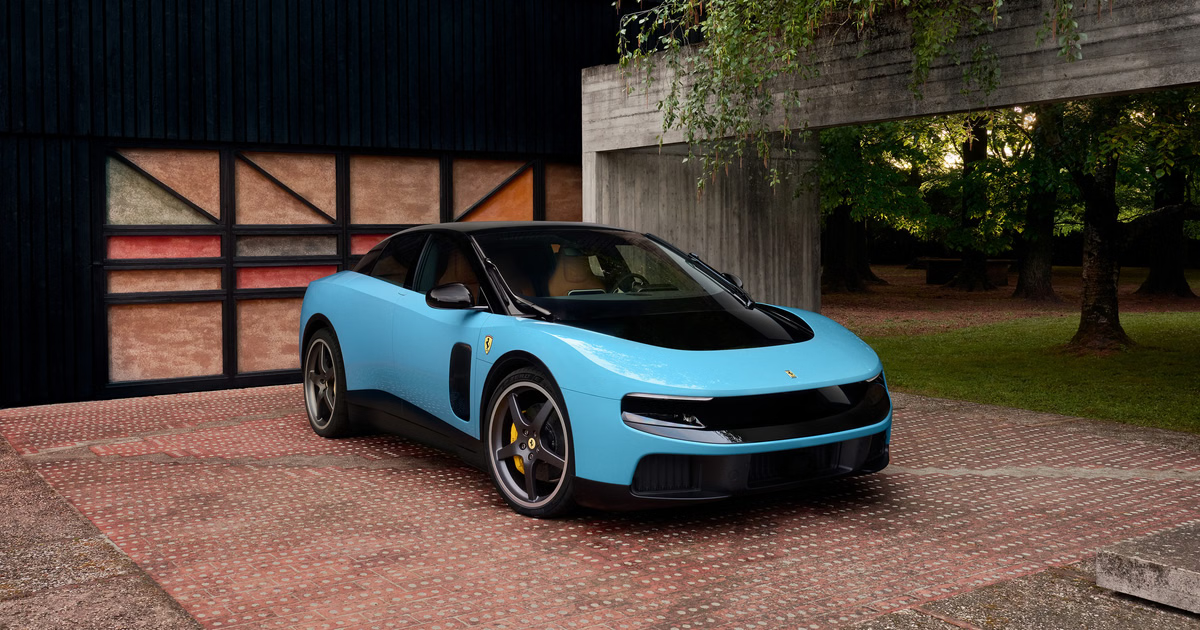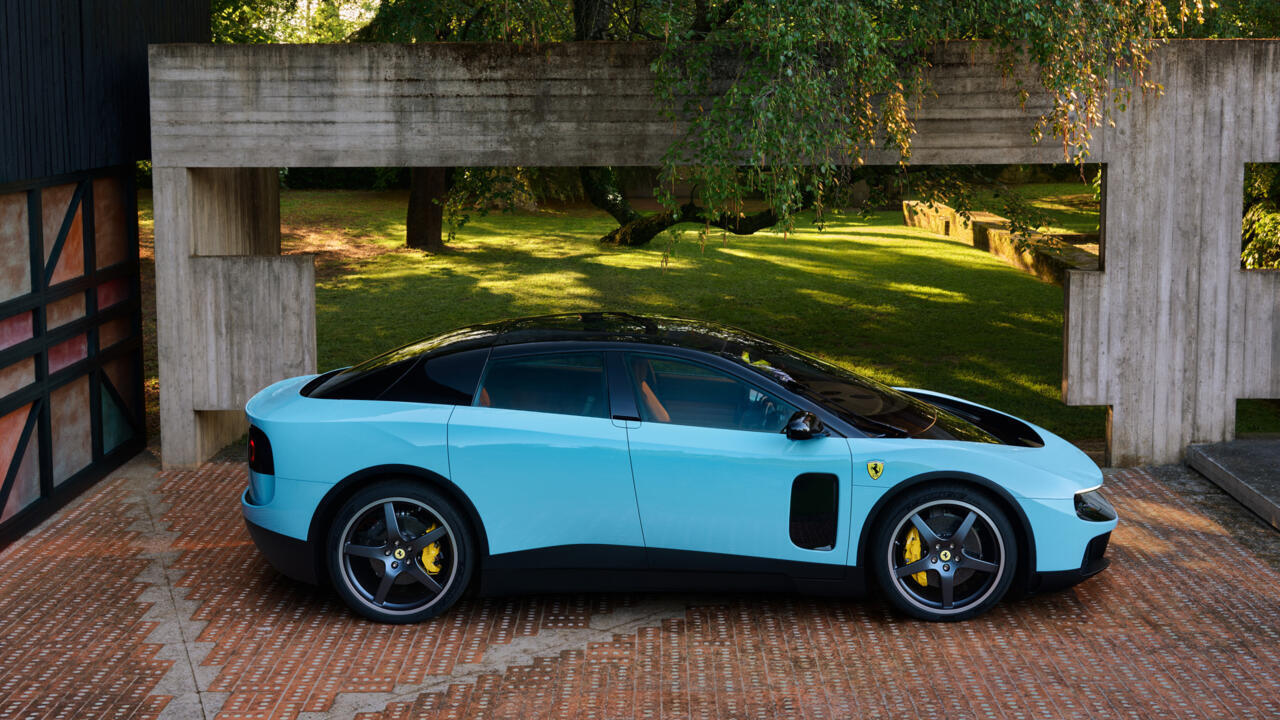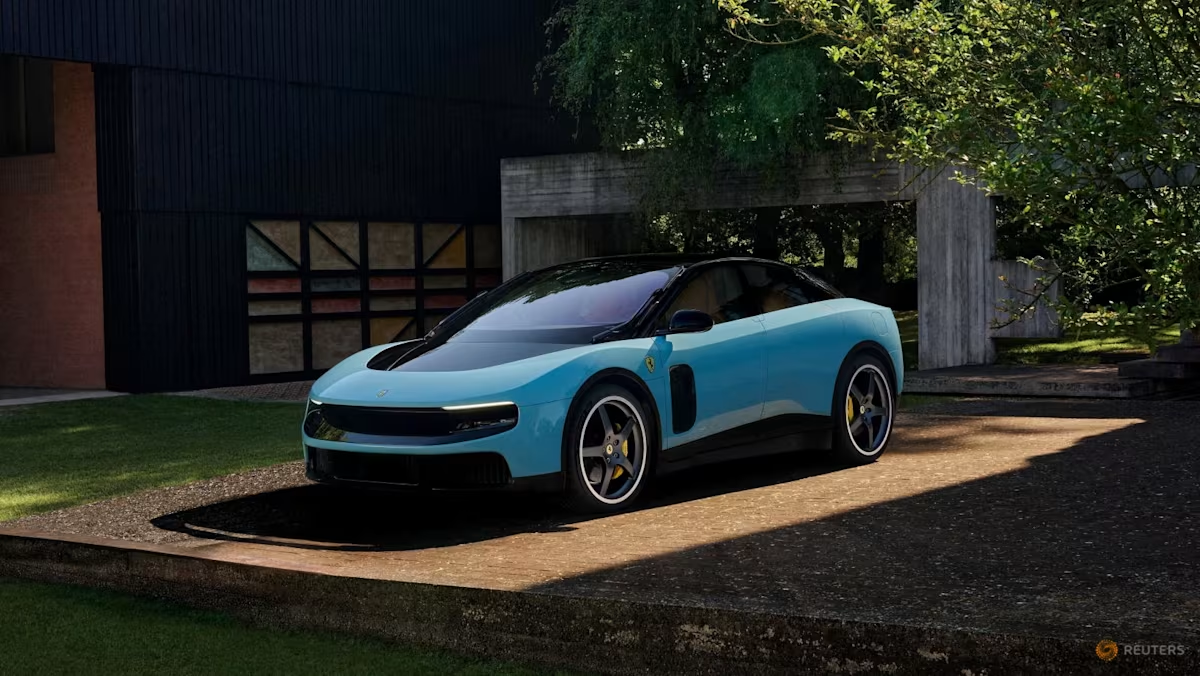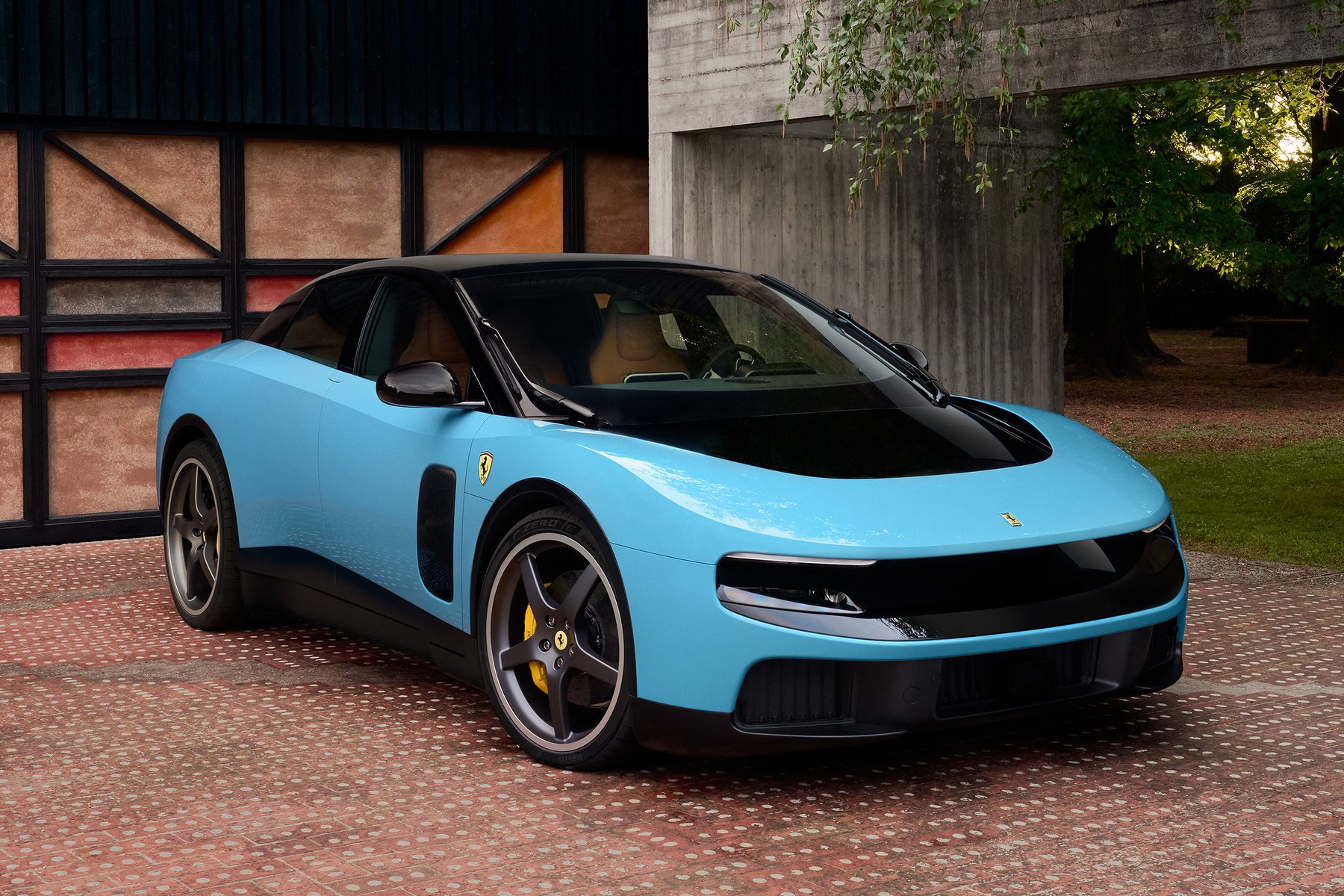
Ferrari has unveiled its first all-electric model in full. With the Luce, the carmaker aims to transfer the driving dynamics and brand emotion of Maranello into the electric age. The model features a newly developed electric platform, four electric motors, up to 772 kW of power and a 122-kWh battery. However, Ferrari’s first EV is not a classic two-seater sports car, but a four-door five-seater with a starting price of 550,000 euros.Image: FerrariDuring its Capital Markets Day 2025 last October, Ferrari unveiled its strategic plan through to 2030 and outlined its path into the electric era. By then, battery-electric models are set to make up 20% of the company’s product portfolio. Ferrari plans for hybrids to account for a further 40%, while the remaining 40% will consist of conventional combustion-engine vehicles.At the event, the Italian sports car manufacturer also revealed the first concrete technical details of its inaugural battery-electric vehicle. At the time, Ferrari still referred to the model as the Elettrica and mainly showcased the chassis, powertrain and battery. In February, the company took the next step by renaming the Elettrica to Luce and offering the first glimpses of the interior and operating concept. Ferrari has now fully unveiled its first all-electric model.The new Ferrari Luce is designed to transfer the brand’s emotions and driving dynamics into the era of electric mobility. To achieve this, the sports car manufacturer developed a bespoke 800-volt platform including the electric powertrain, high-voltage battery and inverters. Ferrari manufactures the core components at the new E-Building in Maranello.Four electric motors, 772 kW outputThe powertrain consists of four radial-flux permanent-magnet synchronous motors—one per wheel. According to Ferrari, the electric drives are based on the units used in the F80 and incorporate know-how from Formula 1 and the World Endurance Championship. The two motors on the front axle each deliver 105 kW and 140 Nm, while the two rear-axle motors each provide 310 kW and 355 Nm. This results in 210 kW at the front axle and 620 kW at the rear. Ferrari states the Luce’s peak output as 772 kW, with a maximum torque of 990 Nm at the motors. The battery-electric vehicle accelerates from 0 to 100 km/h in 2.5 seconds, reaching 200 km/h in 6.8 seconds. Its top speed exceeds 310 km/h.Like the electric motors, the battery was fully developed, validated, and is manufactured in Maranello. The 122 kWh (gross) energy content is enabled by 210 cells connected in series. The pouch cells, developed in collaboration with Korean battery specialist SK On, feature NMC cell chemistry and offer a capacity of 159 Ah. The energy density is stated as ‘over 740 Wh/l,’ with a ‘specific energy’ of 305 Wh/kg. The 122 kWh battery is estimated to provide a range of up to 530 kilometres, though this remains a preliminary figure during ongoing homologation. The final WLTP value may still vary.Ferrari describes the Ferrari Power Pack (FPP) as ‘extremely compact integrated power module equipped with six SiC modules, gate drivers, and a cooling system.’To ensure optimal performance across different charging infrastructures, Ferrari developed a high-voltage DC/DC booster. The system increases the voltage supplied by the charging station and enables charging at up to 150 kW even at pure 400-volt charging stations. At 800-volt fast chargers, the Ferrari Luce can charge at up to 350 kW.According to Ferrari, the vehicle can recharge 70 kWh in 20 minutes at a sufficiently powerful fast-charging station. The manufacturer does not specify a conventional charging time from 10 to 80 per cent. For AC charging, Ferrari includes a 22-kW onboard charger. The vehicle also integrates a DC/DC converter to charge and maintain the 12-volt auxiliary battery.Beyond pure performance figures, Ferrari places a strong emphasis on driving dynamics. The 800-volt battery is deeply integrated into the vehicle floor, lowering the centre of gravity by 95 millimetres compared to the Ferrari Purosangue, according to the manufacturer. The yaw moment of inertia is said to be 15% lower. Combined with short overhangs and a compact axle layout, the Luce is designed to feel around 400 kilograms lighter during directional changes, as per Ferrari.Ferrari utilises the four independently controllable electric motors not only for high performance but also for active torque vectoring on both axles. The system can distribute torque individually to each wheel during acceleration and deceleration, thereby controlling the vehicle’s yaw moment. Additional features include an active suspension, independent rear-wheel steering, and a new Vehicle Control Unit that consolidates powertrain and driving dynamics into a central control unit.On the steering wheel, Ferrari combines the familiar five-stage Manettino (Ed. note: rotary switch on the steering wheel) with a three-stage e-Manettino. In ‘Range’ mode, power is limited to 320 kW, drive is primarily via the rear wheels, and the top speed is 260 km/h. In ‘Tour’ mode, 460 kW and permanent all-wheel drive are available. In ‘Performance’ mode, the Luce delivers up to 725 kW, also with permanent all-wheel drive and a top speed of 310 km/h. The full launch control output reaches 772 kW.A special feature is the new ‘Torque Shift Engagement’ system. The shift paddles on the steering wheel do not simulate traditional gear changes but instead influence power delivery and regenerative braking. The right paddle allows the driver to increase available power in several stages, while the left paddle adjusts recuperation or deceleration via the powertrain. Ferrari aims to preserve some of the interaction previously provided by the engine, transmission, and revs in internal combustion models.Four doors, five seats – a new Ferrari formatDespite these performance figures, the Luce is not a classic two-seater sports car. The electric platform enables a new architecture for Ferrari with four doors and five seats. The Luce is only the second four-door Ferrari after the Purosangue and the first model from the brand to offer five seats. Its dimensions are correspondingly large, measuring 5.03 metres in length, two metres in width and just over 1.54 metres in height, with a wheelbase of 2.96 metres. Ferrari specifies the kerb weight at 2,260 kilograms and a weight distribution of 47 per cent at the front and 53 per cent at the rear. The boot offers a capacity of 597 litres.Ferrari Centro Stile did not develop the design alone, but worked together with LoveFrom, the creative collective founded by Jony Ive and Marc Newson. One defining feature is what Ferrari calls the ‘Glass House,’ a glass architecture seamlessly integrated into the body.The electric powertrain enabled a radically new vehicle architecture, which in turn created space for a more spacious interior. Aerodynamics also played a central role in the body design, with smooth uninterrupted surfaces, active aerodynamic grilles and aerodynamically optimised wheels. The latter measure 23 inches at the front and 24 inches at the rear, making them the largest staggered wheel sizes Ferrari has ever fitted to a production model.Inside, Ferrari combines digital displays with physical controls. Mechanical buttons, knobs, rotary controls, and toggle switches are complemented by OLED displays. Across the dashboard, centre console, and rear, there are four displays with sizes of 12.9, 12, 10.1, and 6.3 inches. For its first electric model, Ferrari has introduced a new display: a ‘Torque Meter’ above the tachometer, similar to the shift indicator in combustion-engine sports cars, showing when the driver can increase torque levels.Ferrari is also taking a different approach to sound. The Luce does not use an artificially generated engine sound. Instead, a precision sensor captures the vibrations of the electric axles and processes them in real time. Ferrari filters, equalises and amplifies the signal in a process the company compares to an electric guitar. The sound intensity depends, among other factors, on the position of the e-Manettino and the use of the shift paddles. This allows the driver to choose between maximum tranquillity and stronger acoustic feedback depending on the driving situation.Whether all this will ultimately convince potential customers of the new electric Ferrari remains to be seen. What is clear is that Ferrari has expanded its portfolio with the Luce, not only in terms of powertrain but also with a new vehicle format.The first fully electric Ferrari is neither a classic super sports car nor simply an electric Purosangue, but a four-door, five-seater with a battery-electric powertrain—at a starting price of €550,000.ferrari.com, ferrari.com (configurator), caranddriver.com
Ferrari’s first EV 'Luce' to launch from €550,000 - electrive.com
Ferrari has unveiled its first all-electric model in full. With the Luce, the carmaker aims to transfer the driving dynamics and brand emotion of Maranello
1,371 words~6 min read