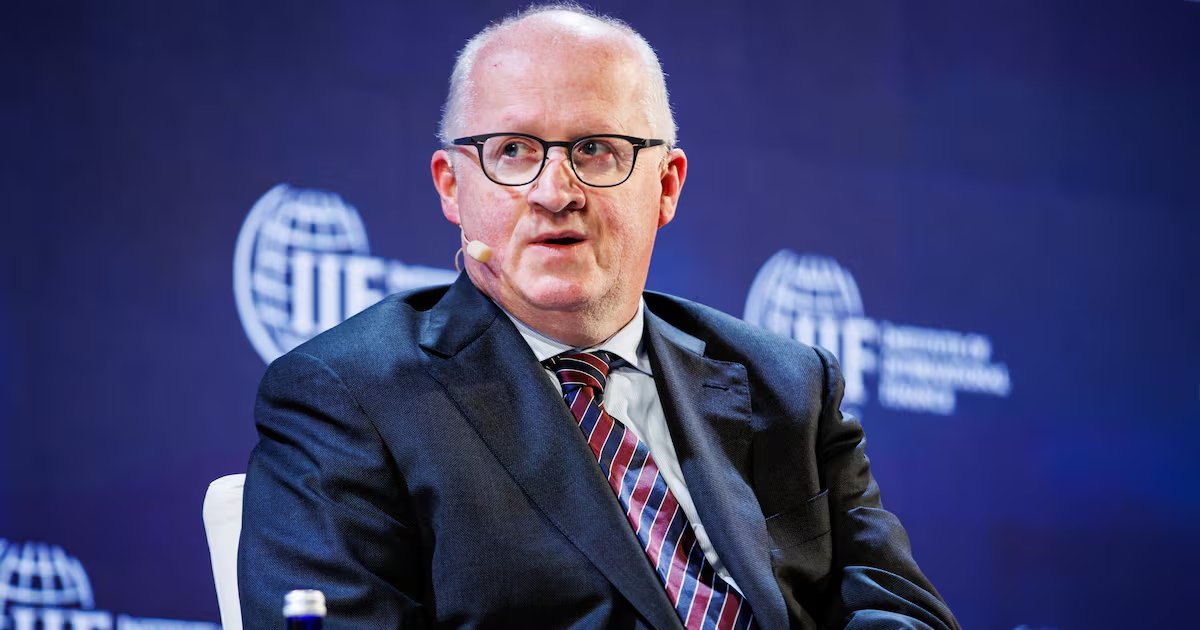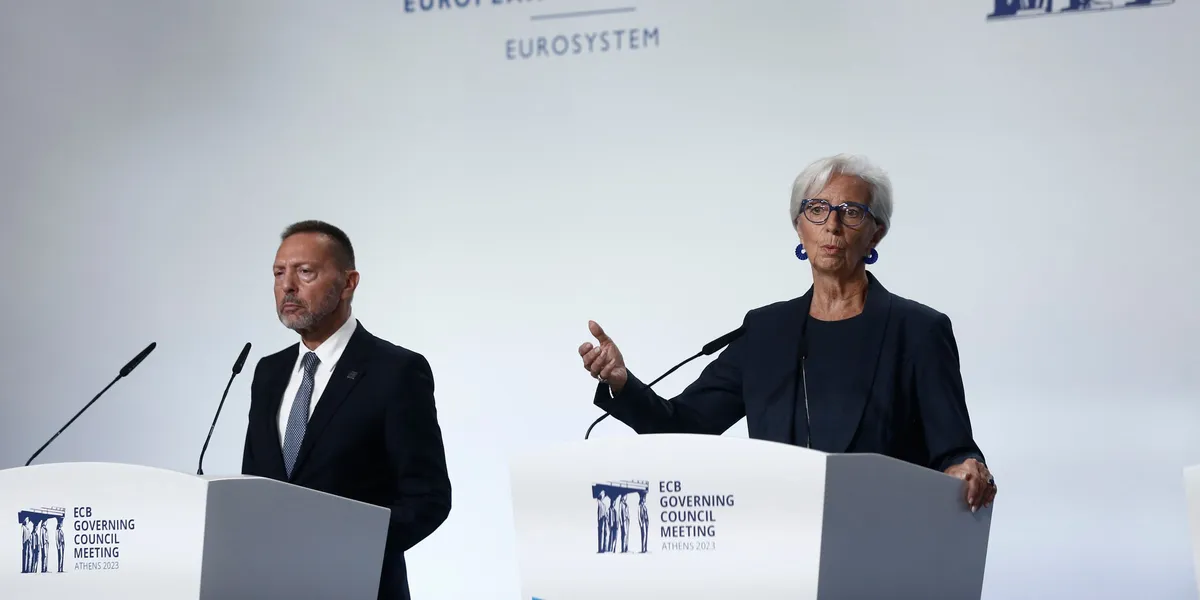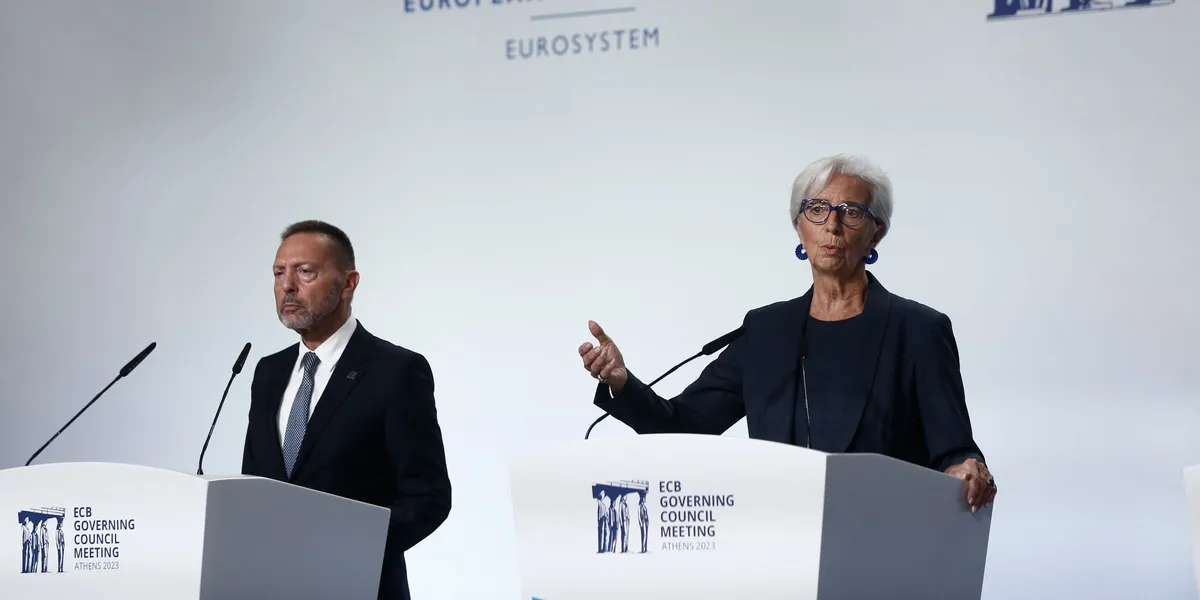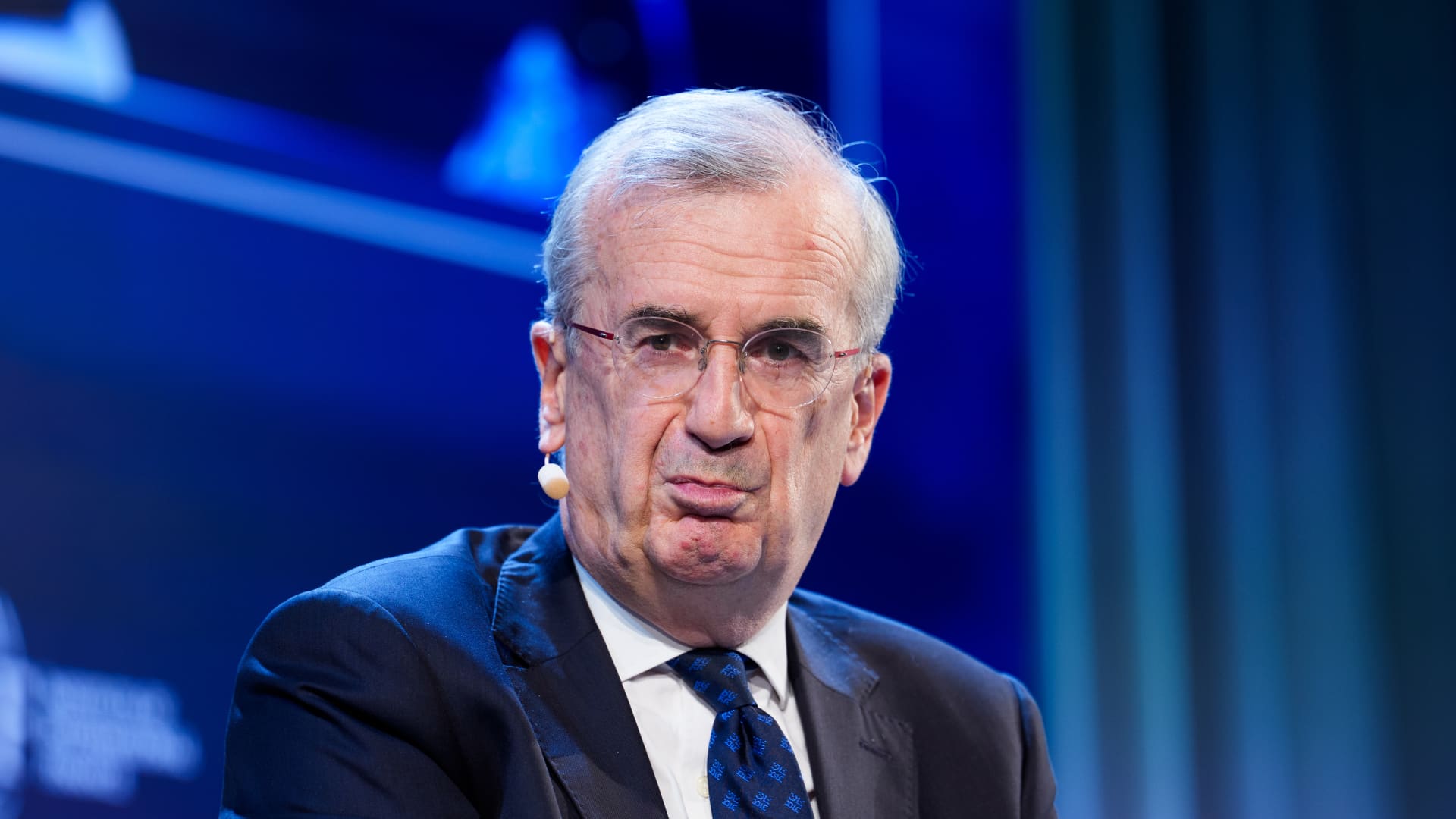
Olaf Sleijpen, President of De Nederlandsche Bank and a member of the ECB Governing Council, said the European Central Bank’s current economic outlook sits somewhere between its baseline and adverse projections. The remarks, delivered in Amsterdam on May 26, land squarely in the “not great, not catastrophic” zone that tends to make central bankers reach for the rate hike lever.
Market pricing already reflects that instinct. Traders are assigning roughly 80-90% probability to a 25 basis point rate increase at the ECB’s June 11 meeting, which would push the deposit rate from 2.00% to 2.25%.
The space between fine and terrible
The culprit is familiar. Elevated energy prices, driven by the ongoing conflict in the Middle East involving Iran, have disrupted the assumptions baked into the ECB’s March 2026 projections. Those projections laid out what sustained disruptions to oil and gas supplies could mean for the euro area, and reality is now testing those models in real time.
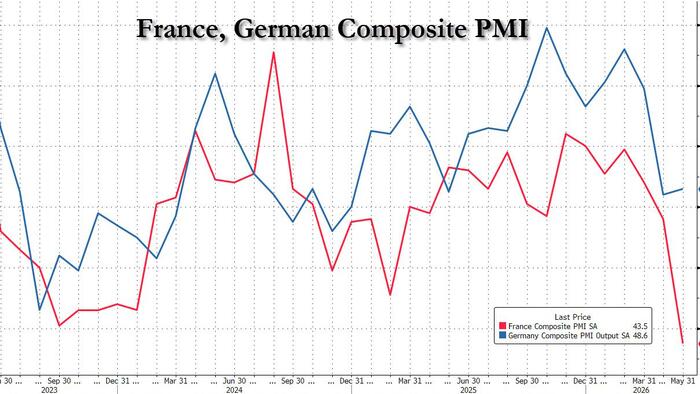
Under the adverse scenario published after the March 2026 Governing Council meeting, inflation would hit 3.5% in 2026 while GDP growth would slow to just 0.6%. The fact that Europe hasn’t reached those thresholds yet is the silver lining. The fact that it’s moving in that direction is decidedly not.