The fast rise of China’s biotechnology sector has put U.S. drugmakers and the investors who back them in a difficult position.
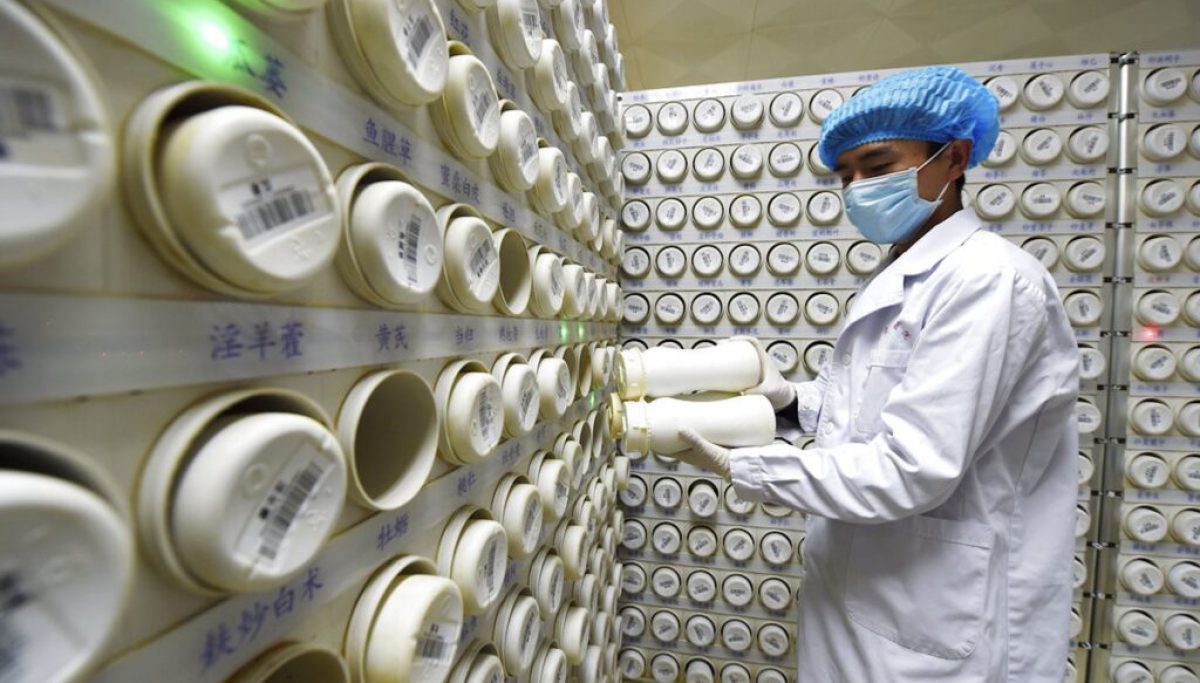
A flexible regulatory environment and low development costs have propelled a trove of promising drug prospects U.S. companies and venture capitalists can pluck and quickly advance. But striking deals for those therapies could further erode the U.S.’ long-held edge.
So far, biotechs and their backers have overwhelmingly chosen the former option. Over 60 licensing pacts with Chinese companies were struck last year, and more than two dozen have followed in 2026, according to BioPharma Dive data. They’ve come despite alarm bells from lawmakers on Capitol Hill, as well as top biotech and pharmaceutical executives. The U.S. has yet to respond with concrete regulatory incentives to level the playing field.
Yet some investors, like SR One CEO and managing partner Simeon George, view the situation as a positive for the world's biotech ecosystem. The heightened competition is leading to safer bets and fewer gambles on companies built around “half-baked ideas,” he said in an interview.
A handful of companies George's firm has recently backed serve as clear examples. Among them are AirNexis Therapeutics, which is built on a lung disease drug discovered in China, and Corxel Pharmaceuticals, which is advancing an obesity medicine licensed from a Chinese biotech.