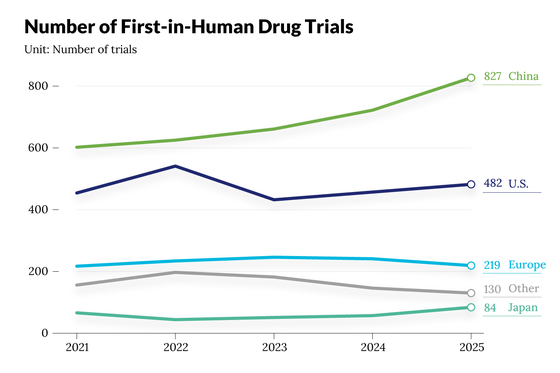
A surge in licensing deals involving drugs from Chinese pharmaceutical firms has triggered alarms in U.S. biotech circles, setting off arguments over what it means for national security and market competition.
Nearly 100 agreements between Chinese and U.S. biotechnology firms have been publicly announced since the start of 2025, according to BioPharma Dive data. Lawmakers on Capitol Hill have signaled intentions to try and disincentivize those investments. Among recent efforts are a push to add the biotechnology sector to the list of industries where investments in China will be scrutinized by U.S. regulators.
The issue featured prominently this week at the annual meeting of the Biotechnology Innovation Organization, the industry’s top lobbying group. Multiple panels were geared towards the way licensing deals are affecting the business development landscape and early venture investment. And during a brief meeting with reporters, BIO CEO John Crowley acknowledged the tough spot the U.S. biotech ecosystem is in as well as the pros and cons of Congressional intervention.
Protecting U.S. biotech is a “national security imperative,” and “we need to maintain our lead here,” he said.
Crowley said he hears concerns about dealmaking and investing capital, but is also thinking about how to “outcompete” Chinese biotechs. “I do worry about unintended consequences and the effectiveness of trying to put bans in place,” he said.