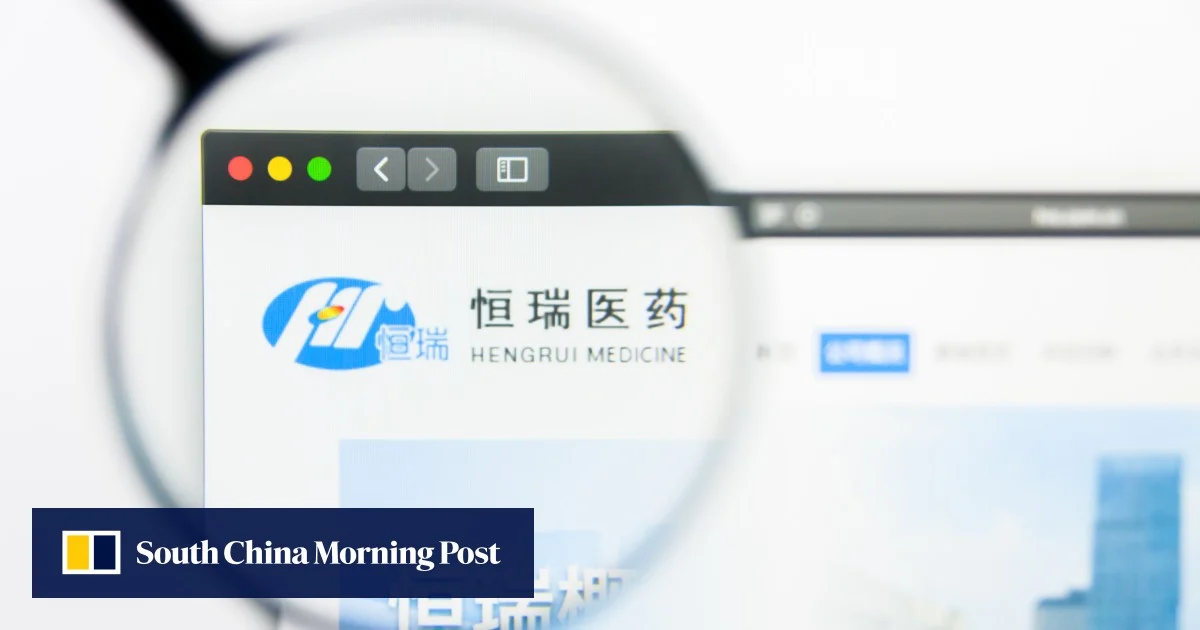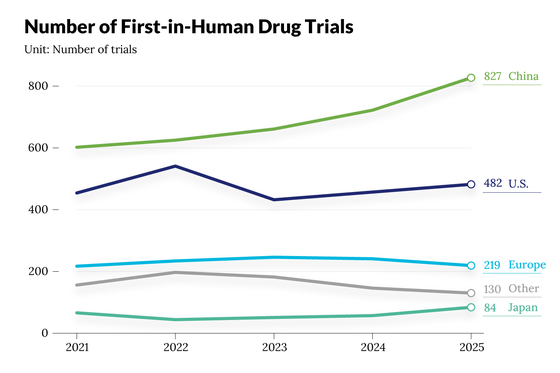
1. U.S. lawmakers, led by Representative John Moolenaar, are pushing to scrutinize biotechnology ties with China through the Biotech Investment National Security Act (BINSA), introduced on June 2. This legislation threatens to disrupt a fast-growing channel of licensing and development deals between Chinese drugmakers and global pharmaceutical companies, which have become increasingly important for replenishing drug pipelines.[para. 1][para. 2]2. BINSA would amend the COINS Act to add biotechnology—specifically pharmaceutical and biological-product development—to sectors subject to U.S. outbound-investment screening. It requires the Treasury Department to review licensing agreements, joint ventures, and equity investments involving Chinese covered foreign persons, focusing on technology and intellectual property. The bill also mandates implementing regulations within one year and a defense secretary report on national security risks within 60 days, while excluding agricultural biotech, industrial fermentation, and basic research.[para. 3][para. 4][para. 5][para. 6]3. Moolenaar has publicly argued that "48% of U.S. pharmaceutical licensing-in deals come from China," accused Chinese clinical trials of ethical violations, and claimed the FDA cannot conduct adequate on-site inspections. These arguments follow the Biosecure Act, passed as part of the fiscal 2026 National Defense Authorization Act, which targeted parts of China's biopharmaceutical industry.[para. 8][para. 9]4. The push comes amid rapid growth in Chinese innovative-drug deals: the total disclosed value of outbound licensing exceeded $60 billion in the first quarter of 2026, nearly half the full-year 2025 total of $135.66 billion across 157 transactions. As China integrates deeper into the global ecosystem, protectionist voices in the U.S. have cited national security and domestic industrial policy concerns.[para. 11][para. 12][para. 13]5. Liu Yiming of Cooley LLP noted that current U.S. outbound-investment rules focus on semiconductors, quantum tech, and AI, but political and legislative signals around including biotechnology have "heated up recently." From late May to early June, innovative-drug stocks fell, with the Hang Seng Hong Kong Biotech Index dropping 8.85% in May, partly due to expectations of tighter regulation.[para. 14][para. 15][para. 16]6. A key deal drawing scrutiny is the $15.2 billion global strategic cooperation between Jiangsu Hengrui Pharmaceuticals and Bristol Myers Squibb, announced May 12, involving 13 early-stage programs with co-development options. Moolenaar singled out this deal in a May 21 letter to Treasury Secretary Bessent, calling for biotechnology to be added as a "prohibited technology" under COINS, warning of a "dangerous surge of American capital and knowledge" and transfer of intellectual property to China.[para. 18][para. 19][para. 20][para. 21][para. 23][para. 24][para. 25]7. Industry participants, including Peng Wei of Crimson Gateway, urged regulators to build tailored frameworks reflecting the innovative-drug industry's ecosystem, warning that "normal cross-border cooperation can't be blocked" and that blocking it could harm the entire ecosystem. Goldman Sachs' Chen Ziyi noted that the next key moment for Chinese drug globalization may come from 2027 to 2029, when large overseas Phase III trial results are expected, potentially drawing broader recognition.[para. 28][para. 30][para. 31][para. 32][para. 33]AI generated, for reference only
In Depth: U.S.’ Biotech Scrutiny Tests China’s Drugmakers Abroad
Chinese pharma companies are still striking global deals, but rising regulatory pressure is forcing buyers and sellers to rethink price, structure and risk
475 words~2 min read