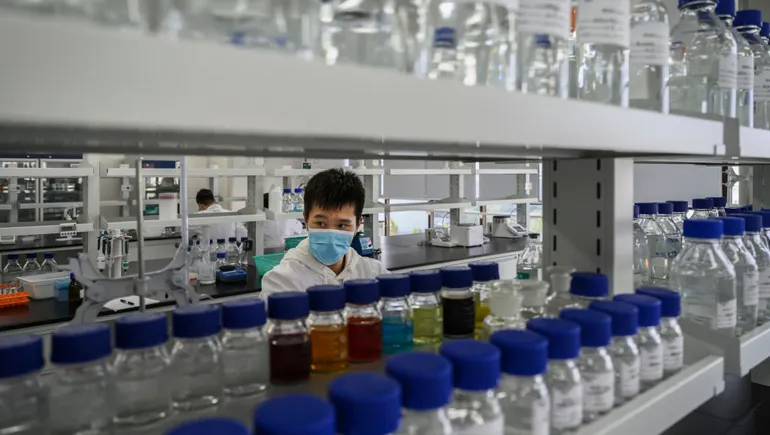
The makeup of the world’s pharmaceutical pipeline is changing. China’s fast-growing biotechnology industry is a big reason why.
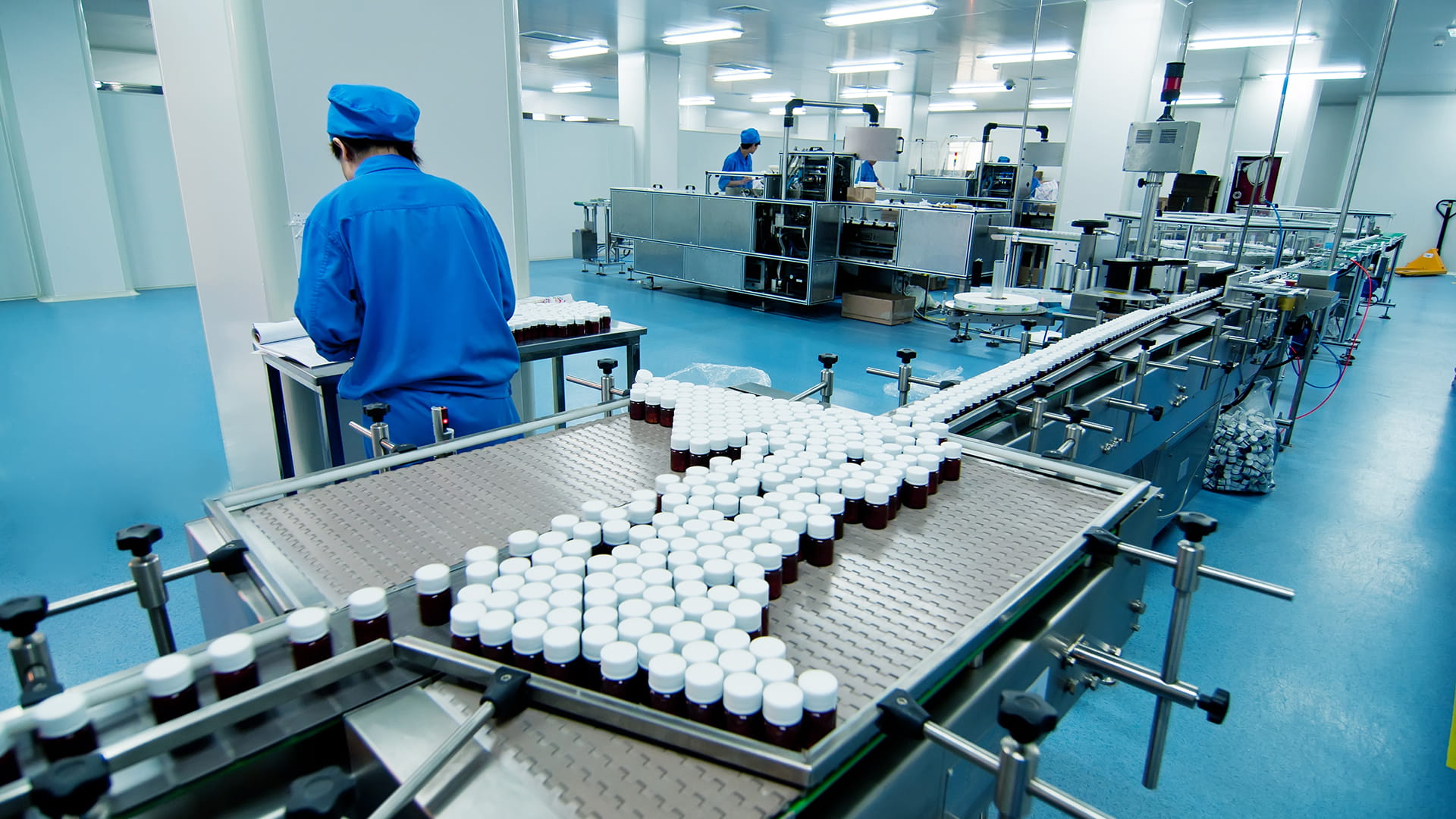
Over the past decade, China’s government has sought to upgrade the country’s drugmaking capabilities. Its efforts birthed a burgeoning ecosystem of homegrown companies and science parks that mirror — and even rival — U.S. hubs in Boston and San Francisco. Lower costs and regulatory flexibility have helped China’s biotech startups move faster than their U.S. counterparts, producing a sprawling inventory of drug prospects. While many are designed to be superior versions of medicines either on the market or in development elsewhere, more and more are innovative, challenging the U.S.’s long-held biotech advantage.
Large pharma companies and venture capital investors have taken note. Many are licensing experimental drugs from China, either to add to their drug portfolios or build new biotechs around. The shift has been rapid, with dealmaking spiking in recent years. According to analysts, licensing agreements were on a record pace in 2025. Fully one-third of the industry’s licensing spending in 2025 involved drugs sourced from China, per the investment bank Jefferies.