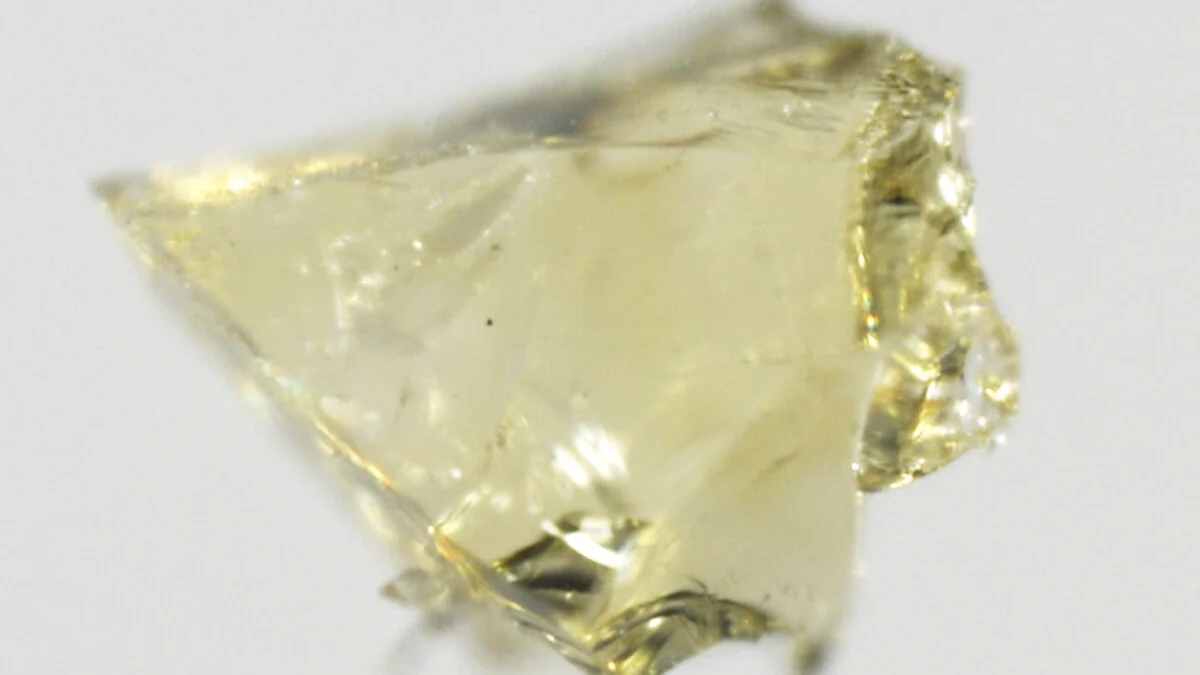
Precision chemical analysis tools used by both archaeologists and high-tech materials engineers have teased out evidence of surprisingly sophisticated glassmaking across the ancient world. Blown glass fritted with metallic additives like cobalt, creating vivid blue hues, spanned cultural sites along the entire Silk Road, dating as far back as the 2nd millennium BCE. And Late Bronze Age glass from Egypt and Mesopotamia has been found laced with copper, creating shimmering emerald greens for trade with Mycenaean Greece. Now scientists in Germany and the U.K. have adapted some old tricks from this traditional glassmaking chemistry to help advance a genuinely 21st-century achievement : zeolitic imidazolate framework (ZIF) glass made for sensors, electronics, catalysts, and carbon capture. ZIF glasses mix metal atoms and organic carbon-based molecules, creating an entirely new category of glass—one without silicon but filled with complex crystalline structures and microscopic pores ready to trap greenhouse gases for carbon storage or photons of light for fiber optics. But, sadly, ZIF glass and its fellow metal–organic framework (MOF) glasses haven’t been that easy to mass produce or fine tune. Fortunately, these researchers have found a literally age-old hack in the form of benzimidazolate compounds, which have long seen use as additives in traditional glassmaking.
Researchers Tap Into Ancient Glassmaking Tricks to Engineer Carbon-Trapping Glass
Scientists can now fine-tune metallic ‘ZIF’ glass for carbon storage and advanced sensors with the help of old-school glass additives.
689 words~3 min read