The corpus of so-called migrant worker literature has been at the forefront of China’s literary landscape in recent years. The genre originated in the 1980s and reached prominence in the 2010s, when the internet catapulted the names of worker-poets—including Zheng Xiaoqiong, Xu Lizhi, and Chen Nianxi—beyond the literary sphere. Though their work differs widely in style and form, most is autobiographical, concerned with firsthand experiences of precarious blue-collar work, family life, and Chinese society.
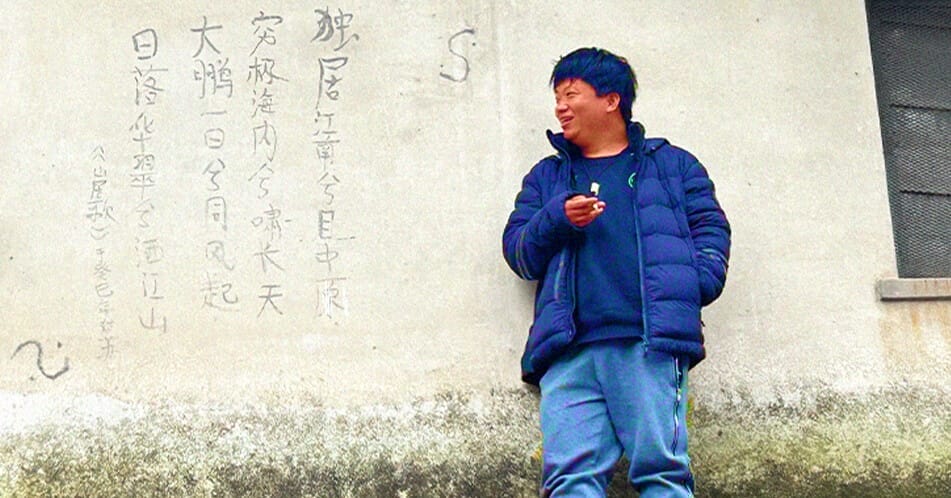
One migrant worker artist community that has gained nationwide fame is Picun, a commune on the outskirts of Beijing. There, residents regularly convene as part of the New Workers’ Literature Group, where they exchange original writings and attend lectures taught by editors and professors. Among the most active members of the group is Xiao Hai, a Henan-born poet who has been living at Picun since 2017. In 2019, he wrote a short memoir about his time working in the southern city of Shenzhen after dropping out of middle school. I first encountered it when it was republished under the title “Adrift in the South” in early 2024 by the Chinese literary and culture magazine One Way Street. I had the privilege of translating it into English for a China-focused issue of Granta. Neither Xiao Hai nor I had any idea that this would lead to the commission of a book—his debut book in any language, out this month. An expansion of the shorter piece, it follows Xiao Hai’s thirty-eight years of life, from his childhood in rural Henan, his stops across Southern China working in factories, to his eventual journey north to Picun, where he currently lives, working at a thrift store.