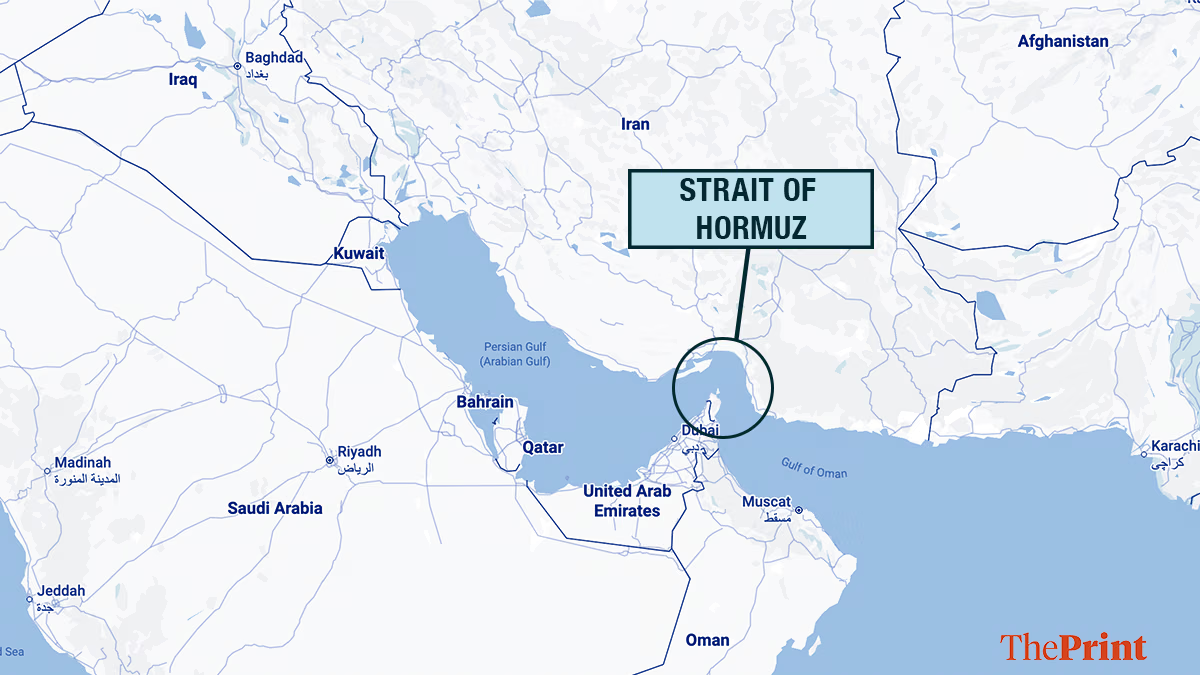
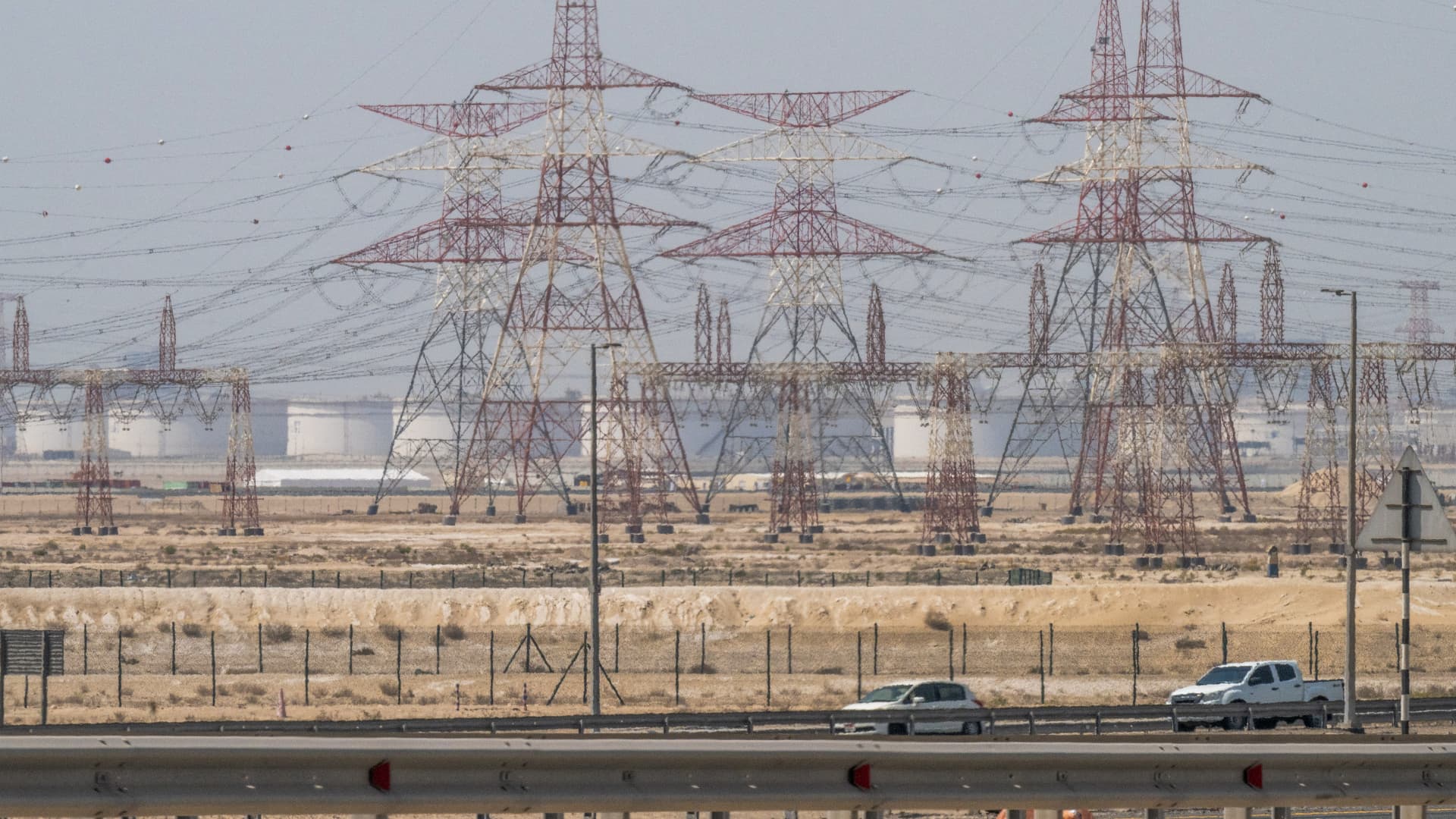
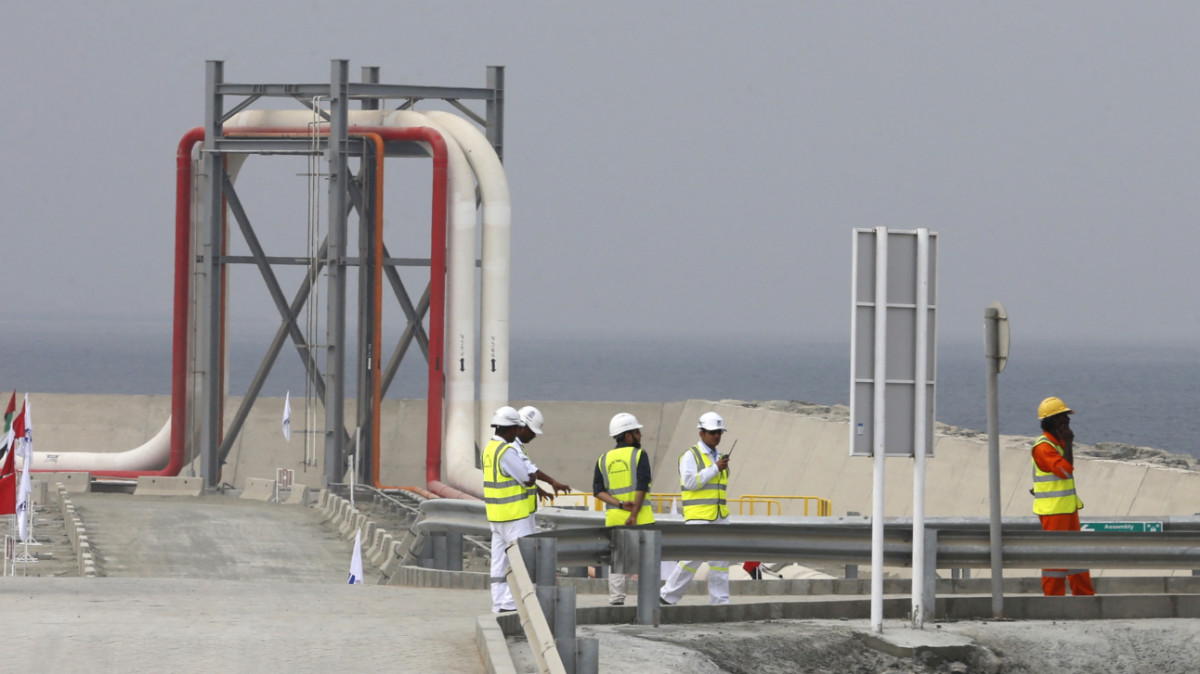
Skip to Content Subscribe Our Offers My Account Manage My Subscriptions FAQ Newsletters Canada Canadian True Crime Canadian Politics Health World Israel & Middle East Financial Post NP Comment Longreads Puzzmo Diversions Comics NP News Quiz New York Times Crossword Horoscopes Life Eating & Drinking Style Sponsored Play for Ontario Travel Travel Canada Travel USA Travel International Cruises Travel Essentials Culture Books Celebrity Movies Music Theatre Television Business Essentials Advice Lives Told Tails Told Shopping Buy Canadian Home Living Outdoor Living Tech Style & Beauty Kitchen & Dining Personal Care Entertainment & Hobbies Gift Guide Travel Guide Deals Savings National Post Store More Sports Hockey Baseball Basketball Football Soccer Golf Tennis Driving Vehicle Research Reviews News Gear Guide Obituaries Place an Obituary Place an In Memoriam Classifieds Place an Ad Celebrations Working Business Ads Archives Healthing Epaper Manage Print Subscription Profile Settings My Subscriptions Saved Articles My Offers Newsletters Customer Service FAQ Newsletters Canada World Financial Post NP Comment Longreads Puzzmo Diversions Life Shopping Epaper Manage Print Subscription HomeNP CommentFIRST READING: Here's how quickly they're building pipelines everywhere elseThe UAE is cranking out a pipeline to bypass the Strait of Hormuz in a matter of months You can save this article by registering for free here. Or sign-in if you have an account.Miles of unused pipe, prepared for the proposed Keystone XL pipeline, sit in a lot on October 14, 2014 outside Gascoyne, North Dakota. Photo by Photo by Andrew Burton/Getty ImagesFirst Reading is a Canadian politics newsletter curated by the National Post’s own Tristin Hopper. To get an early version sent directly to your inbox, sign up here.Enjoy the latest local, national and international news.Exclusive articles by Conrad Black, Barbara Kay and others. Plus, special edition NP Platformed and First Reading newsletters and virtual events.Unlimited online access to National Post.National Post ePaper, an electronic replica of the print edition to view on any device, share and comment on.Daily puzzles including the New York Times Crossword.Support local journalism.Enjoy the latest local, national and international news.Exclusive articles by Conrad Black, Barbara Kay and others. Plus, special edition NP Platformed and First Reading newsletters and virtual events.Unlimited online access to National Post.National Post ePaper, an electronic replica of the print edition to view on any device, share and comment on.Daily puzzles including the New York Times Crossword.Support local journalism.Create an account or sign in to continue with your reading experience.Access articles from across Canada with one account.Share your thoughts and join the conversation in the comments.Enjoy additional articles per month.Get email updates from your favourite authors.Create an account or sign in to continue with your reading experience.Access articles from across Canada with one accountShare your thoughts and join the conversation in the commentsEnjoy additional articles per monthGet email updates from your favourite authorsSign In or Create an AccountorIt’s now officially been a year that the Carney government has been musing about maybe, possibly building an oil export pipeline from Alberta to the B.C. coast. “Will I support building a pipeline? Yes,” was what Prime Minister Mark Carney told CTV on May 13, 2025. He also said that he’d expressed such thoughts “repeatedly.”Although Carney retains extraordinary powers to greenlight such a project at any time, this month he announced only that he intends to approve construction by September 2027. According to a subsequent report by CIBC World Markets, the “best case scenario” is that the project might be moving oil by 2034.This newsletter from NP Comment tackles the topics you care about. (Subscriber-exclusive edition on Fridays)By signing up you consent to receive the above newsletter from Postmedia Network Inc.We encountered an issue signing you up. Please try againAnd a West Coast pipeline has already been on the drawing board for more than 20 years. As early as 2006, Enbridge first started inking contracts for the proposed Northern Gateway pipeline, only for the project to be cancelled by then prime minister Justin Trudeau in 2016.So, if everything goes to plan, the current state of affairs is that Canada might be able to begin operations on a West Coast oil export pipeline more than 28 years after such a thing was first proposed.This is a glacial pace unknown to any other major oil producer. While Canada doesn’t have a monopoly on cancelled oil infrastructure or red tape, its inability to move its own oil across internal borders is unlike few other jurisdictions on earth. Below, a quick summary of just how quickly oil pipelines get built in the non-Canada parts of the world.The Strait of Hormuz bypass pipelineIf the United Arab Emirates’ official timelines are to be believed, they’ve recently delivered a masterclass on how to fast-track an oil export pipeline.In March, the UAE first saw its oil exports thrown into disarray by intermittent Iranian blockades of the Strait of Hormuz, the sole waterway connecting UAE oil ports to the Indian Ocean.Just this month, Abu Dhabi National Oil Co. announced that it was already half-done on a new pipeline that would bypass the blockaded strait, with oil set to start flowing in 2027.The UAE is able to fast-track this pipeline largely because it’s following an existing right-of-way. The project merely expands the existing Habshan-Fujairah pipeline, which first opened in 2012.However, that situation also neatly describes the Trans Mountain Expansion Project, which remains Canada’s only non-U.S. export pipeline built in the last 50 years. That project, completed in 2024, followed the route of the 1950s-era Trans Mountain Pipeline.Even then, it took 11 years for TMX to go from application to completion. And it wouldn’t have been completed at all if the federal government hadn’t bought out the project in 2018.Baku-Tbilisi-Ceyhan pipelineCanada’s chief vulnerability in getting pipelines approved is jurisdictional conflict. Any attempt to construct a pipeline across provincial borders will often spur litigation and obstruction from neighbouring provinces, not to mention an avalanche of litigation from any one of dozens of First Nations along the pipeline route.So it’s perhaps notable that in the early 2000s, a major pipeline was laid across three sovereign countries without nearly as much handwringing and red tape.That would be an 1,800-kilometre pipeline running through Georgia, Turkey and Azerbaijan, all to connect the Baku oil fields to the Mediterranean Sea. The intergovernmental agreement authorizing its construction was inked in 1999, and it was pumping oil by 2005.Sino-Myanmar Crude Oil PipelineThe political case for a Canadian oil export pipeline to the Pacific is that it’s effectively the fastest way for Canada to diversify trade away from the United States. If Northern Gateway had been completed in the 2010s as intended, it would currently be exporting 190,000 barrels of oil per day. Right now, that would be at least $20 million in oil exports per day, much of it going to non-U.S. customers.A similar kind of sovereign pressure underlay the development of the Sino-Myanmar pipeline project, which saw twin natural gas and oil pipelines driven from Western China to ports in Myanmar.Although it’s an import pipeline, the whole idea was to reduce sovereign vulnerability to outside pressures. Specifically, the pipeline is intended to bypass the Malacca Strait, a choke point between Indonesia and Malaysia through which most of China’s imported oil is shipped.Both Beijing and Myanmar are authoritarian countries, which generally expedites infrastructure approvals. Nevertheless, the pipeline was being driven through a region with active armed conflict. And rebel militias in the area have indeed targeted pipeline infrastructure on occasion.Nevertheless, the oil pipeline portion of the project was officially inaugurated by 2015, less than six years after it was first announced in 2009.Dakota Access PipelineThe Dakota Access Pipeline — much like any number of Canadian oil and gas pipelines — was the target of a well-funded, all-out activist attempt to shut it down. The most memorable component of which was a months-long anti-pipeline encampment established on the Standing Rock Indian Reservation in North Dakota.And yet, those protests ultimately proved to be a mild speed bump towards the project’s ultimate completion.The Dakota Access Pipeline is several hundred kilometres longer than any proposed pipeline from Alberta to the B.C. coast. And it took just three years to go from its initial regulatory application in 2014 to its completion in 2017. This was posted to X.com by Melanie Bennet, a reporter with Juno News. And it shows a slide exhibited at a weekend convention of the Muslim Association of Canada. In a public session about Islamic youth activism, it included “Jew free” in a word cloud submitted by participants about how Muslim youth should build community. In an official response, the Muslim Association of Canada called it “offensive” and “antisemitic,” and explained the terms’ inclusion by saying any of the hundreds of attendees could have added the word and suggesting Bennet herself might have put it there to “create controversy.”As this newsletter has previously covered, Canada is in a golden era of judges inventing new constitutionally protected rights to enshrine.There’s the Charter right to bike lanes, the Charter right to do drugs in playgrounds and the Charter right to set up homeless encampments on public property.In all three of those cases, a judge invoked Section 7 of the Charter of Rights and Freedoms, which guarantees the right to “life, liberty and security of the person.”But a new decision out of the Ontario Superior Court stepped it up a notch by declaring that homeless people themselves comprise a protected class.Justice Michael R. Gibson wrote that homelessness is a “constructively immutable characteristic,” and thus qualifies for the Charter right to “equal protection and equal benefit of the law without discrimination.”In short, according to Gibson, homelessness is an immutable characteristic no different than race or gender. As such, any public policy affecting the homeless (such as dismantling a tent encampment) is thus discriminatory. Tim Hortons has suddenly announced that they don’t need the Temporary Foreign Worker program anymore and are now staffing up with at least 10,000 “local” hires across the country (although they said that will include other temporary residents such as foreign students). It’s not too long ago that the doughnut chain was actively lobbying for an expansion of the TFW program. As to what changed, Tim Hortons has now become the public face of the TFW program, with no less than the Conservative Party of Canada accusing them of prioritizing foreign hires over Canadian ones. And it’s partially in that context that Dunkin Donuts recently announced a massive expansion into Canada.First Reading is a Canadian politics newsletter curated by the National Post’s own Tristin Hopper. To get an early version sent directly to your inbox, sign up here. Get the latest from Tristin Hopper straight to your inbox Join the Conversation This website uses cookies to personalize your content (including ads), and allows us to analyze our traffic. Read more about cookies here. By continuing to use our site, you agree to our Terms of Use and Privacy Policy.
FIRST READING: Here's how quickly they're building pipelines everywhere else
The UAE is cranking out a pipeline to bypass the Strait of Hormuz in a matter of months.
1,802 words~8 min read