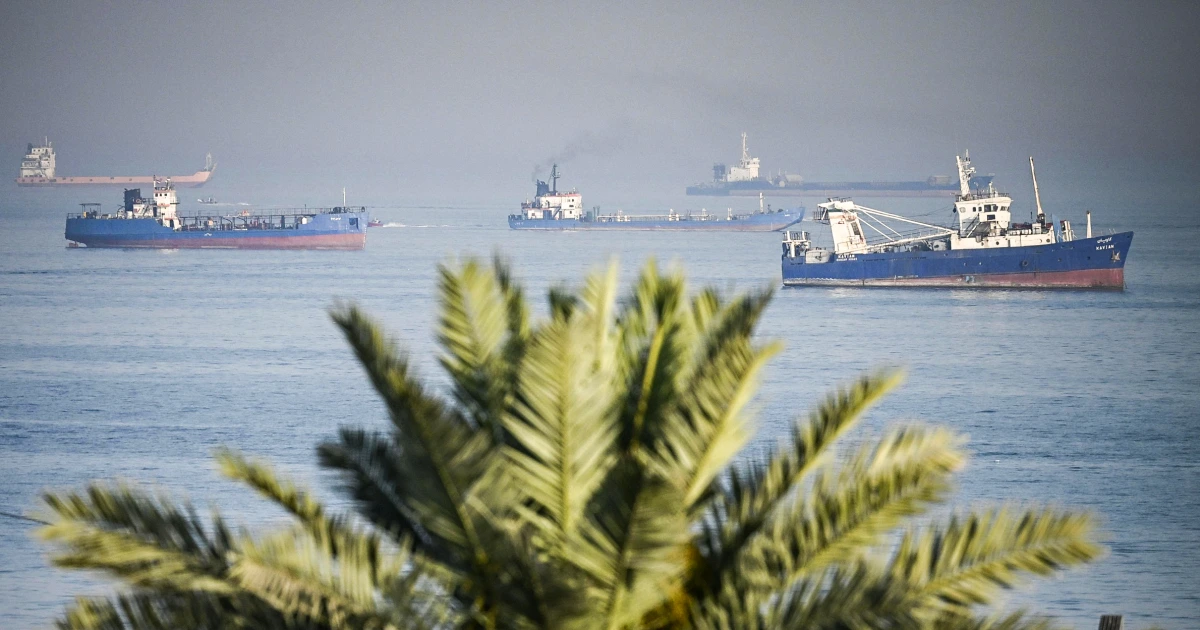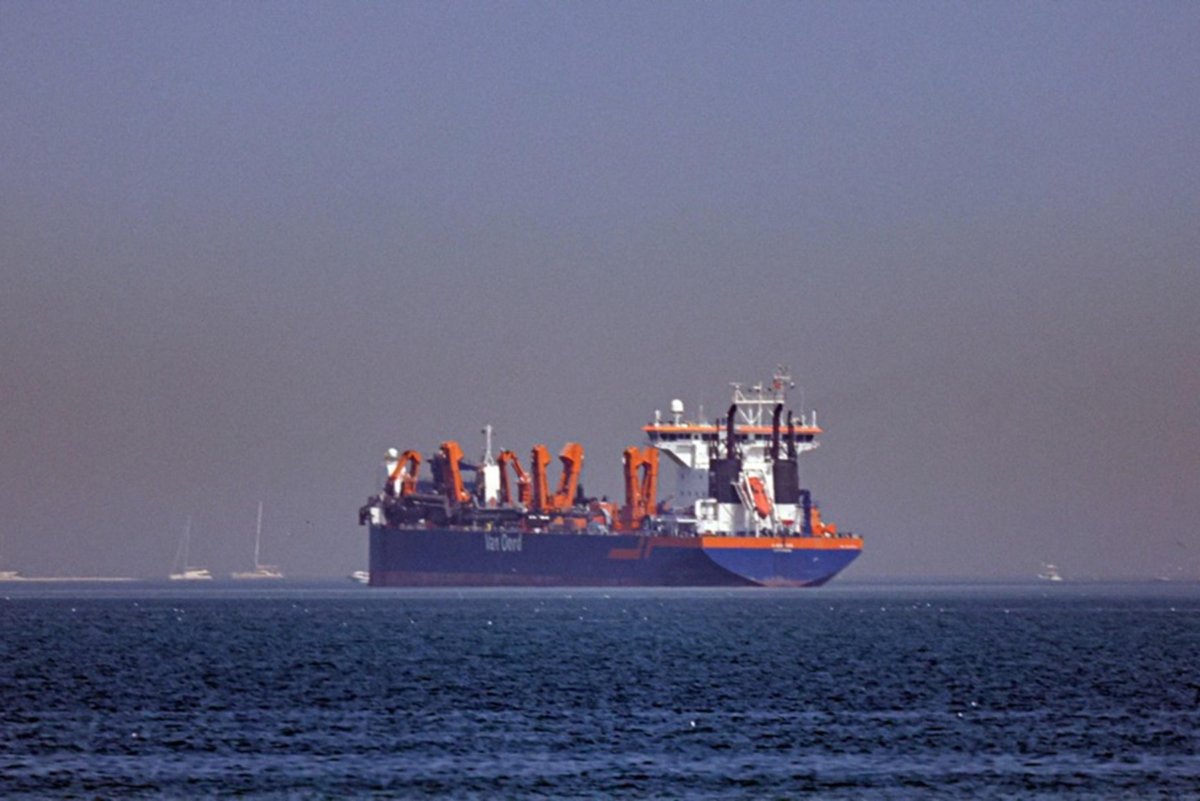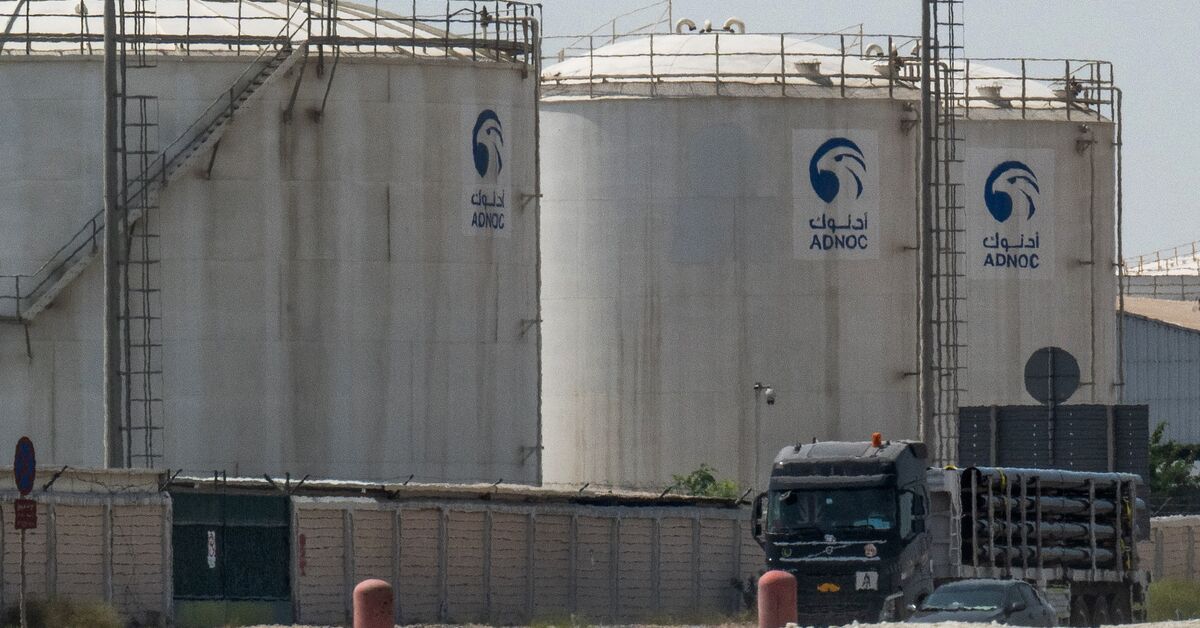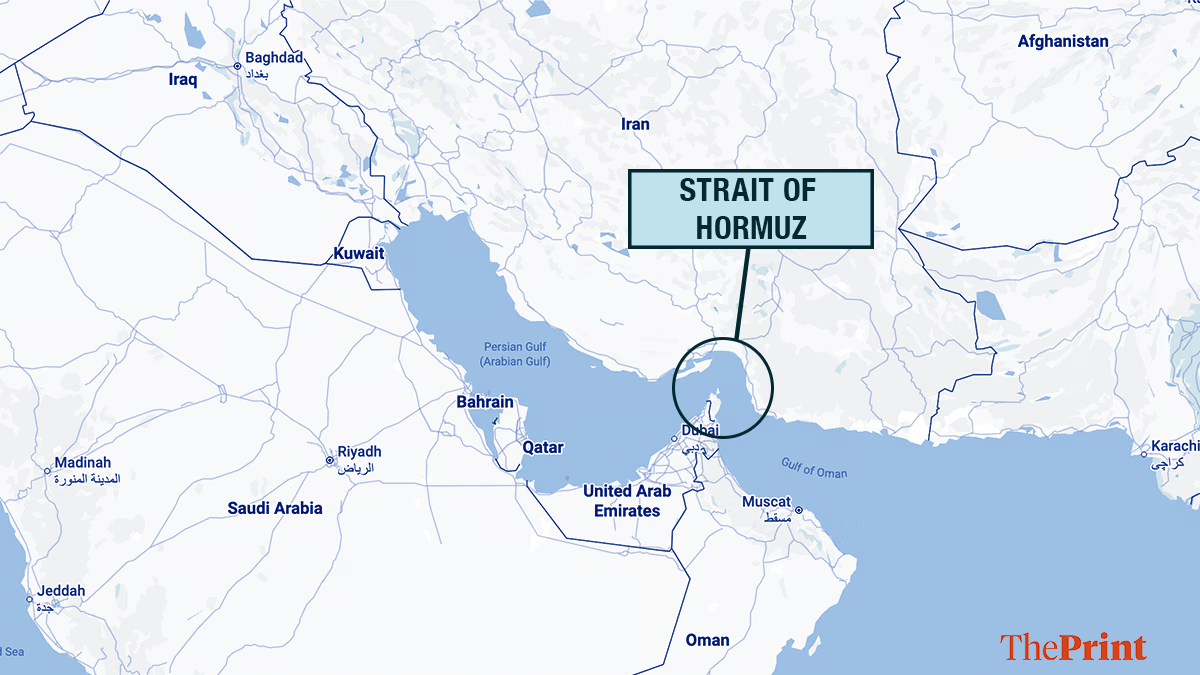
New Delhi: As conflict in West Asia raises fresh concerns over the security of the Strait of Hormuz—the world’s most important oil transit chokepoint—the United Arab Emirates (UAE) is accelerating construction of a new pipeline that would allow more of its crude exports to bypass the narrow waterway.
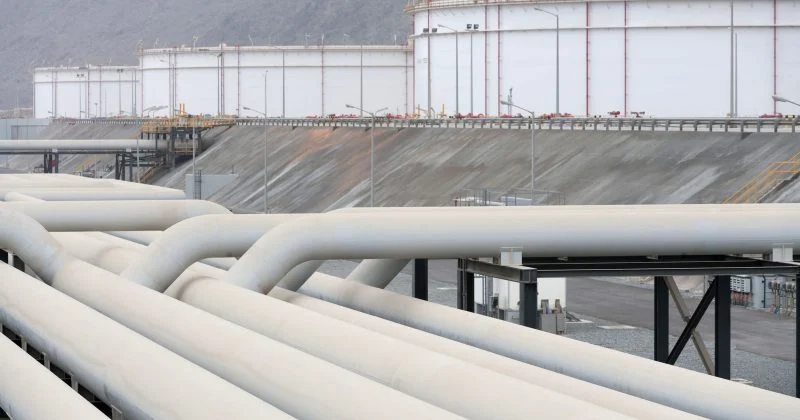
The Abu Dhabi National Oil Company (ADNOC) is fast-tracking its new ‘West-East Pipeline’, expected to be completed by 2027. Once operational, the pipeline will double the UAE’s crude export capacity through Fujairah, its strategic port on the Gulf of Oman outside the Strait of Hormuz.The project comes at a crucial time for Abu Dhabi. The UAE’s decision to quit OPEC+ (Organization of the Petroleum Exporting Countries and allies) was not just about producing more oil. It was also about ensuring it could export more oil on its own terms and with fewer geopolitical constraints.
By expanding its Hormuz bypass infrastructure, the UAE aims to strengthen its ability to increase exports, even during periods of regional instability. The project could also provide major Asian buyers, including India, with a more secure route for crude supplies.ThePrint explains why the new pipeline is central to the UAE’s post-OPEC strategy, how it could reduce the risks associated with Hormuz, and why it matters for India’s energy security.Speaking at an Atlantic Council event last week, ADNOC chief executive Sultan Al Jaber said, “Energy security is no longer just about your ability to continue to produce. It is about routes, access, storage, and redundancy. Right now, too much of the world’s energy still moves through too few chokepoints.”He added: “That is exactly why the UAE made the decision more than a decade ago to invest in infrastructure that bypasses the Strait of Hormuz and it is why we moved ahead with our second pipeline in 2025. Today it’s already almost 50 percent complete, and we are accelerating its delivery toward 2027.”