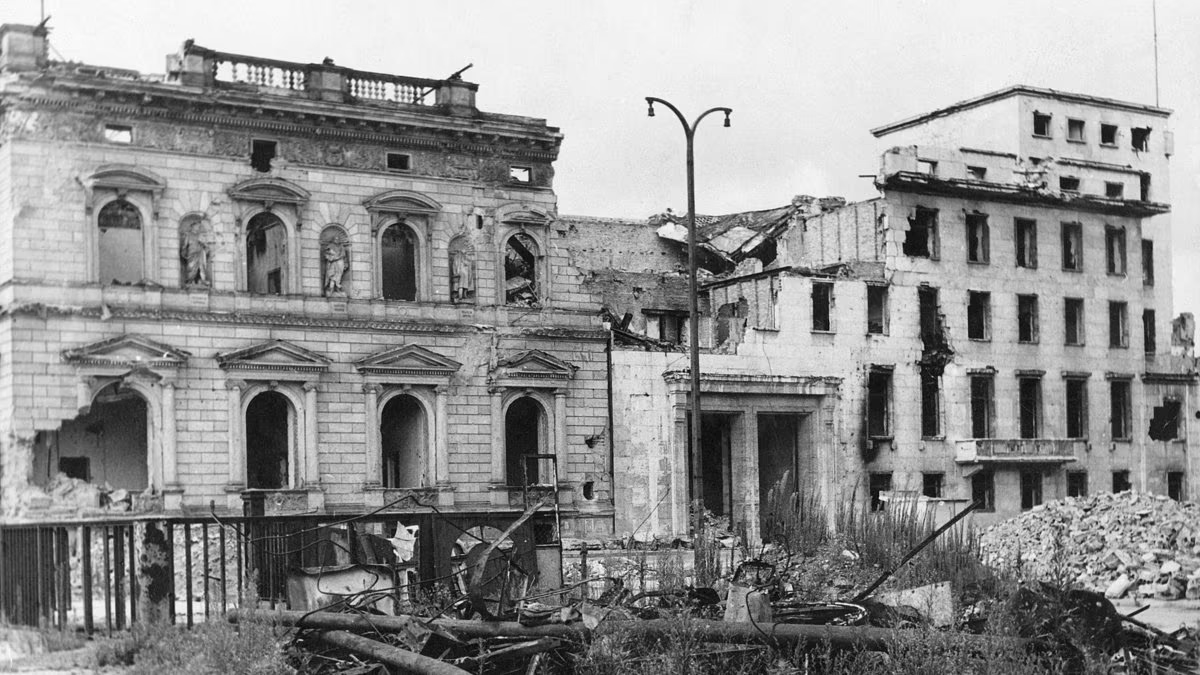
Picture the scene on April 24, 1945, as the Battle of Berlin between the Soviets and the Nazis raged: A group of Red Army soldiers arrive at Berlin's Jewish Hospital to find hundreds of people living and working in the battle-scarred facility. "You are Jews? Not possible. You can't be Jews, the Jews are all dead," one Russian soldier reportedly exclaims.
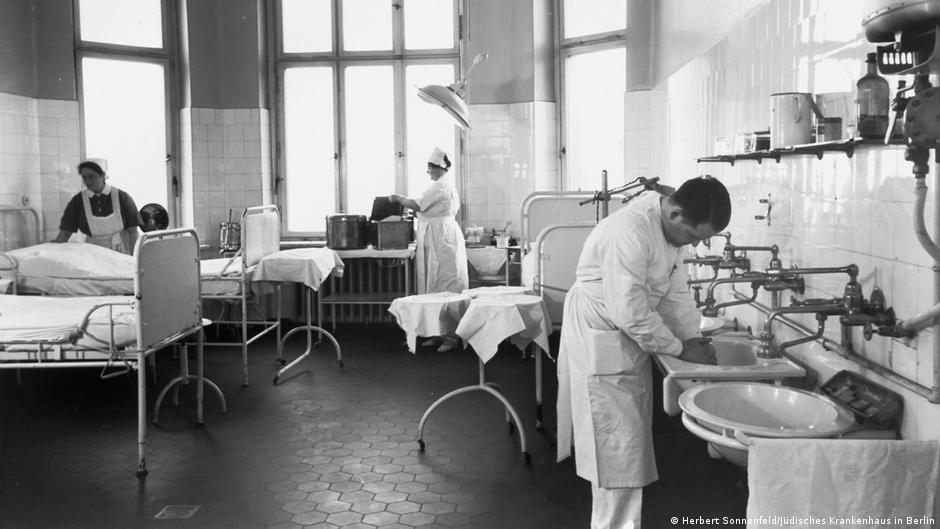
Berlin's Jewish Hospital, together with the Jewish Cemetery Weissensee, is the only Jewish institution that continued to operate and survive the Nazi era. It still operates to this day. How could an institution designed to preserve Jewish life survive in the heart of the Nazi killing machine — and outlast it?
Founded in 1756, the Jewish Hospital moved to its current location in the northwestern district of Wedding just before the outbreak of World War I in 1914. From its founding, the hospital was open to all patients regardless of their faith and was a prominent symbol of Jewish integration. But after the National Socialists came to power in 1933, the hospital was barred from treating "Aryan" patients and non-Jewish employees were forced to resign.
A controversial figure: Walter Lustig
In December 1941, the Nazis established the so-called "Screening Unit for Transport Complaints" at the Jewish Hospital to determine the "fitness" of Jews for deportation and Walter Lustig was sent to head it.