An immersive account of how the inhabitants of a liberal city – including the author’s father – survived fascism
I
n December 1941, the Nazi authorities received a letter from a soldier complaining that, on his recent leave in Berlin, he had been thoroughly disgusted by what he saw. While his comrades were dying at the front, plenty of young men appeared to have dodged military duty and were now to be found carousing in Berlin’s packed bars. The women were no better: husbandless but flush with ration coupons purloined from soldiers on leave, they were busy gorging themselves. “If Berlin were Germany,” huffed the complainant, “we would have lost this war years ago.”
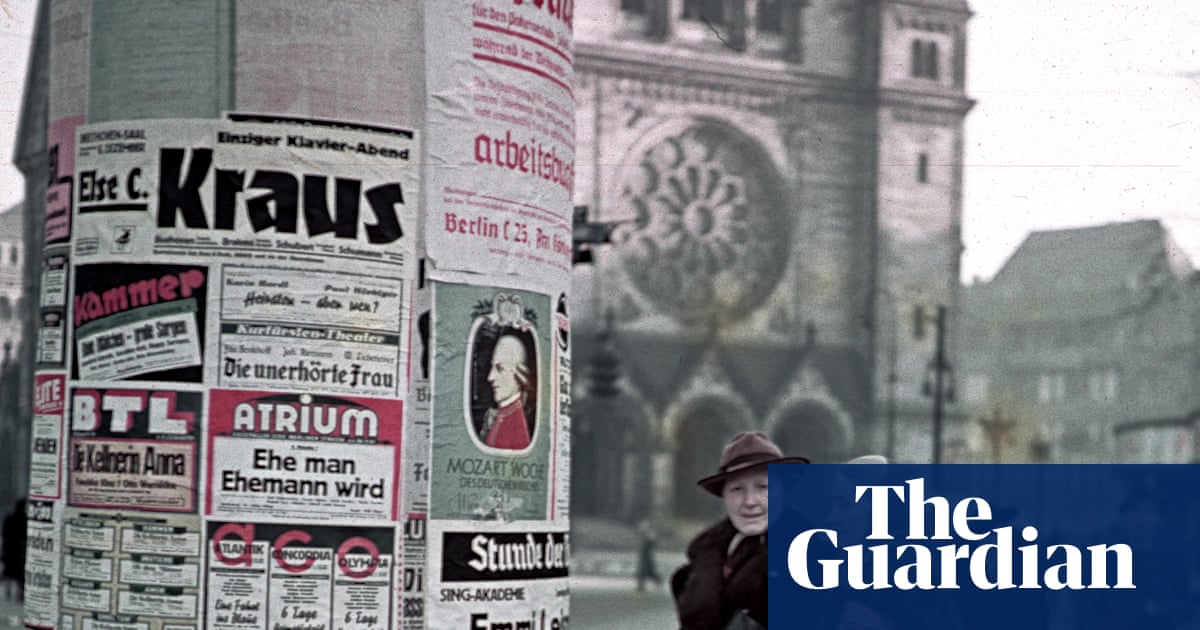
Berlin had always been a case apart. The legacy of the wild Weimar years – all that artistic and political radicalism, not to mention louche living – had continued under the Third Reich. The city remained defiantly itself and, despite the efforts of high command, mulish about being told what to do. That, at least, had been the situation in 1941.
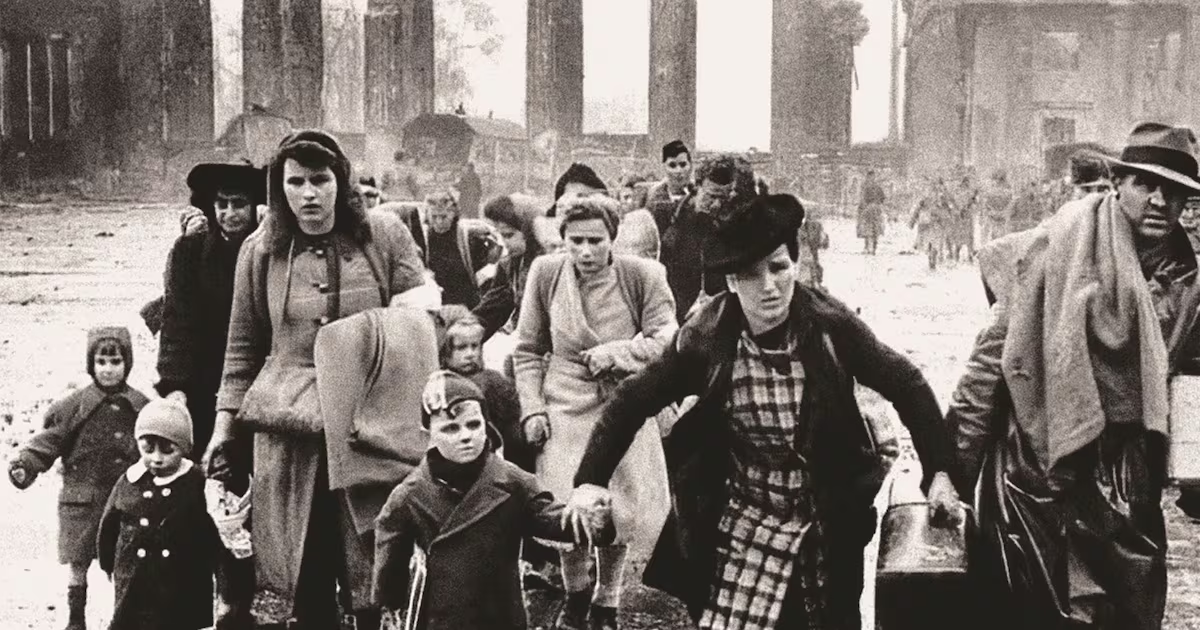
By the time Ian Buruma’s father, a conscripted labourer from the Netherlands, arrived two years later Berlin had begun grudgingly to toe the line. The war was going badly now, with the Russians pushing in from the east, and American and British bombs dropping from the skies. Food was scarce, Jewish citizens were being disappeared daily and Hitler and Goebbels, both frequently in the city, were getting more anxious and crueller by the day. Now whenever Berliners met each other in a food queue or a bomb shelter their most likely greeting was Bleiben sie übrig – “Stay alive”.