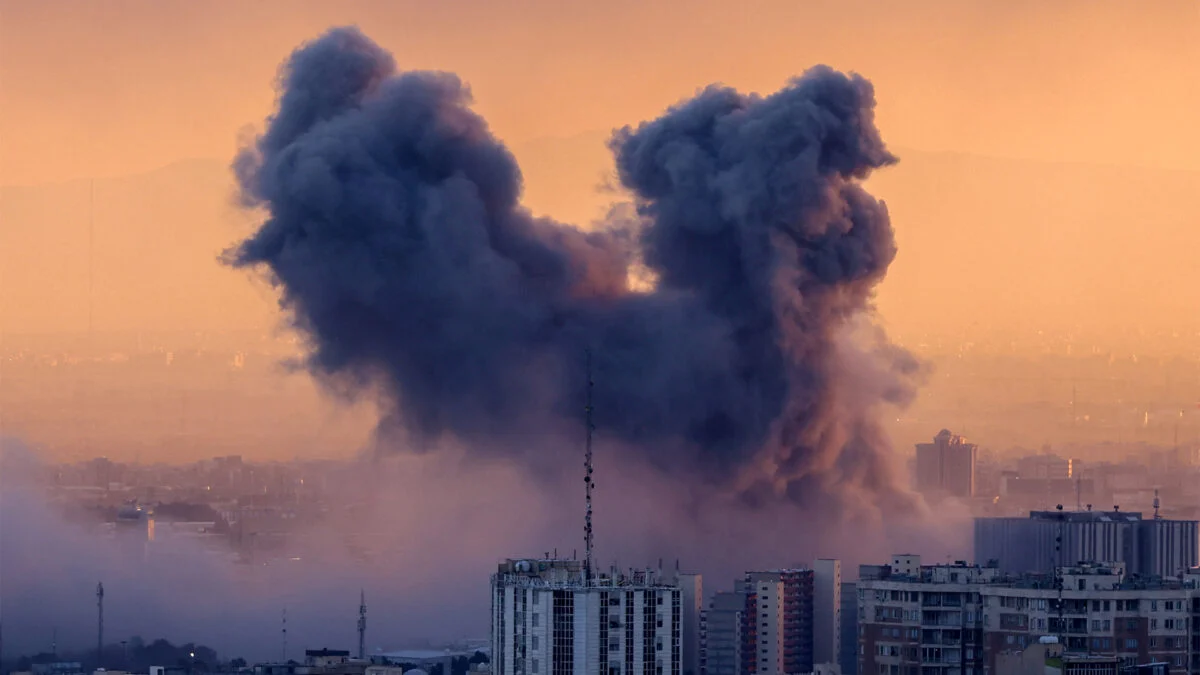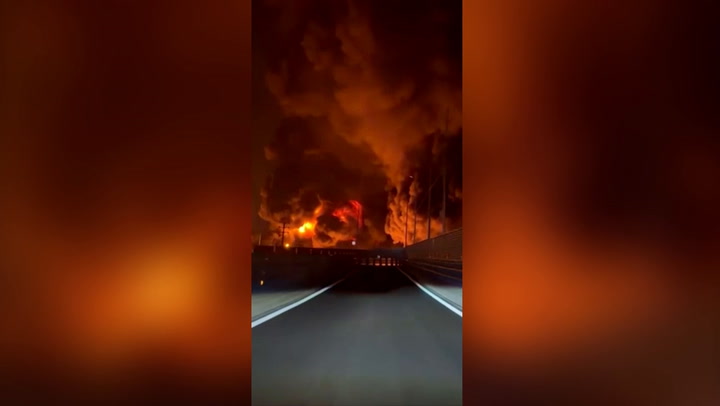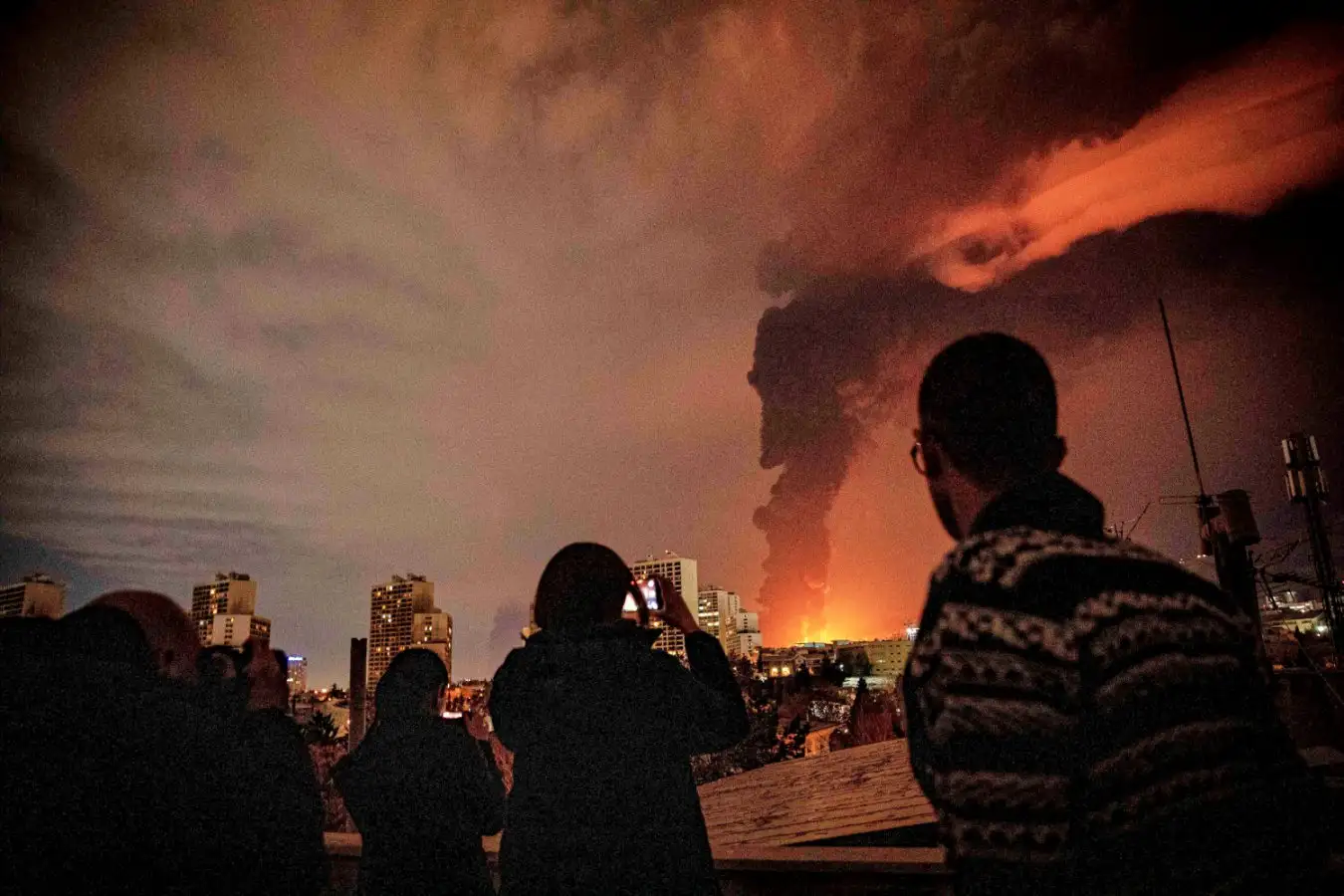
Flames and smoke rise from an oil storage facility struck during attacks on Iran on 7 MarchAlireza Sotakbar/ISNA/AP/Alamy
Israeli airstrikes on oil facilities in Tehran on 7 March led to sulphur dioxide emissions equivalent to a small volcanic eruption, potentially exposing people as far away as China to acid rain and toxic air pollution.
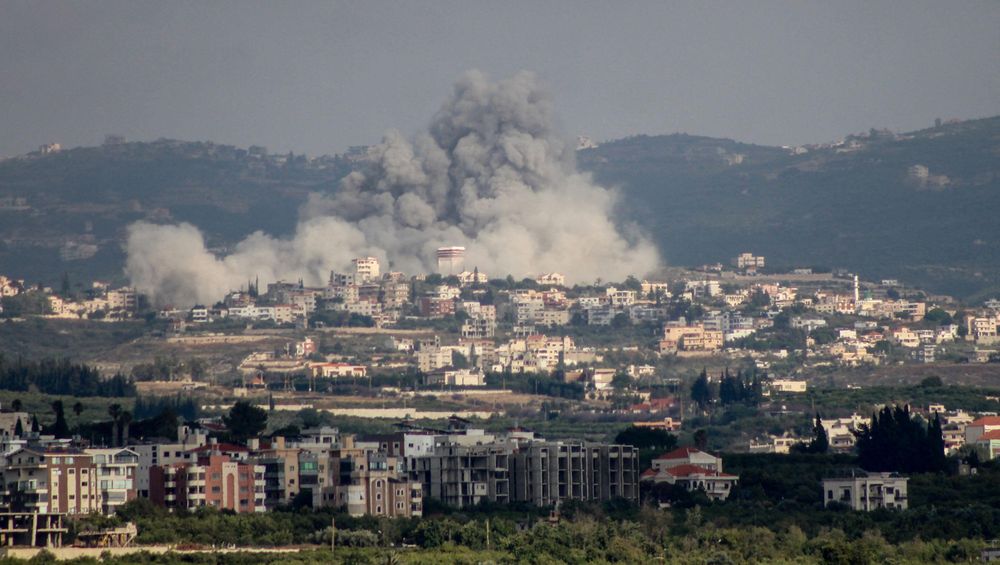
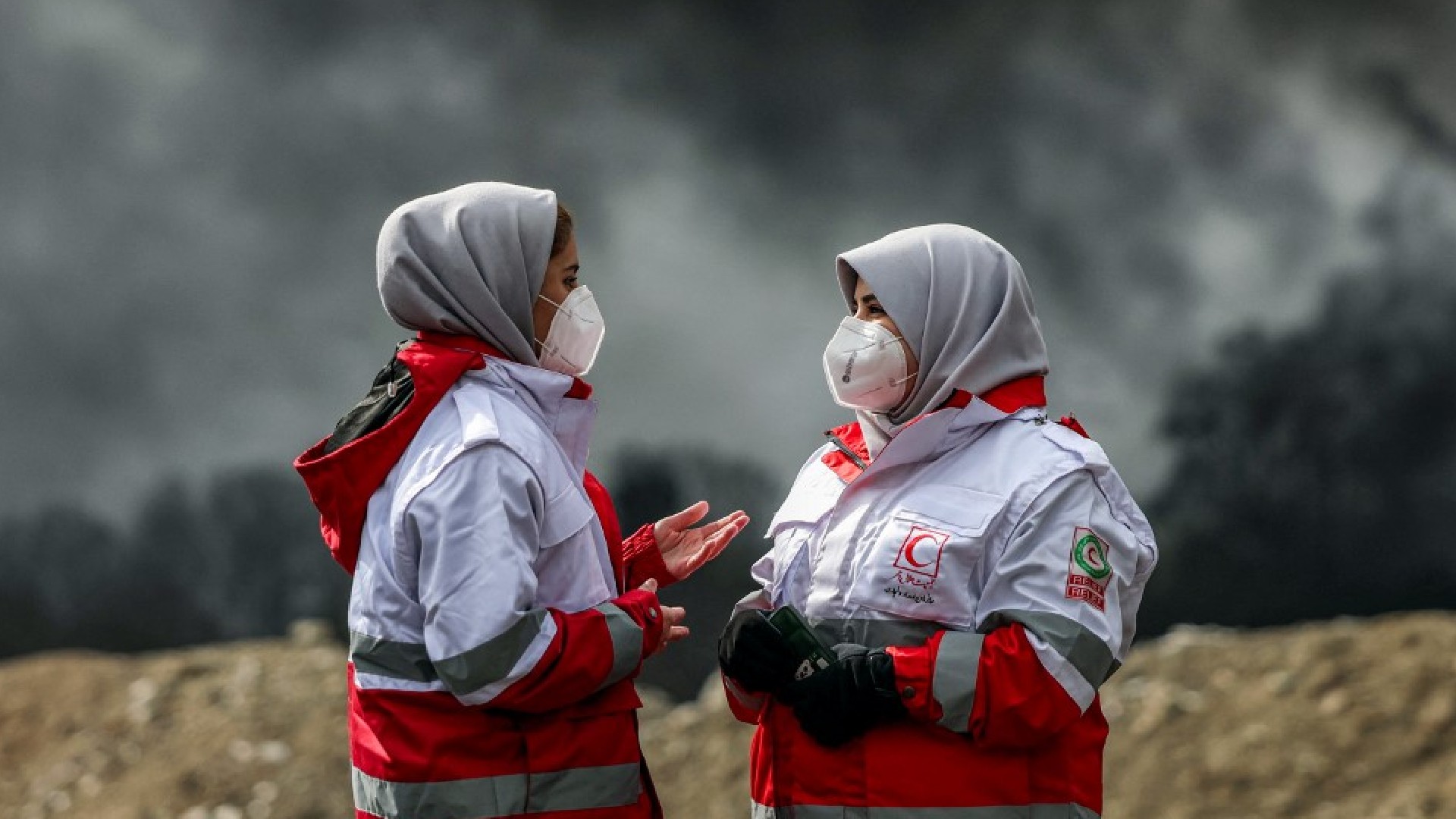
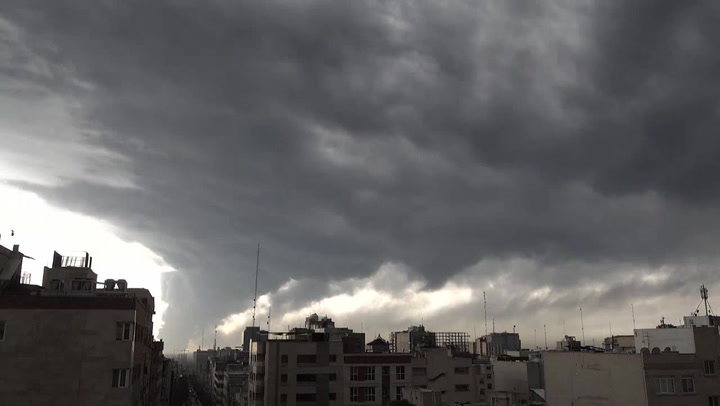
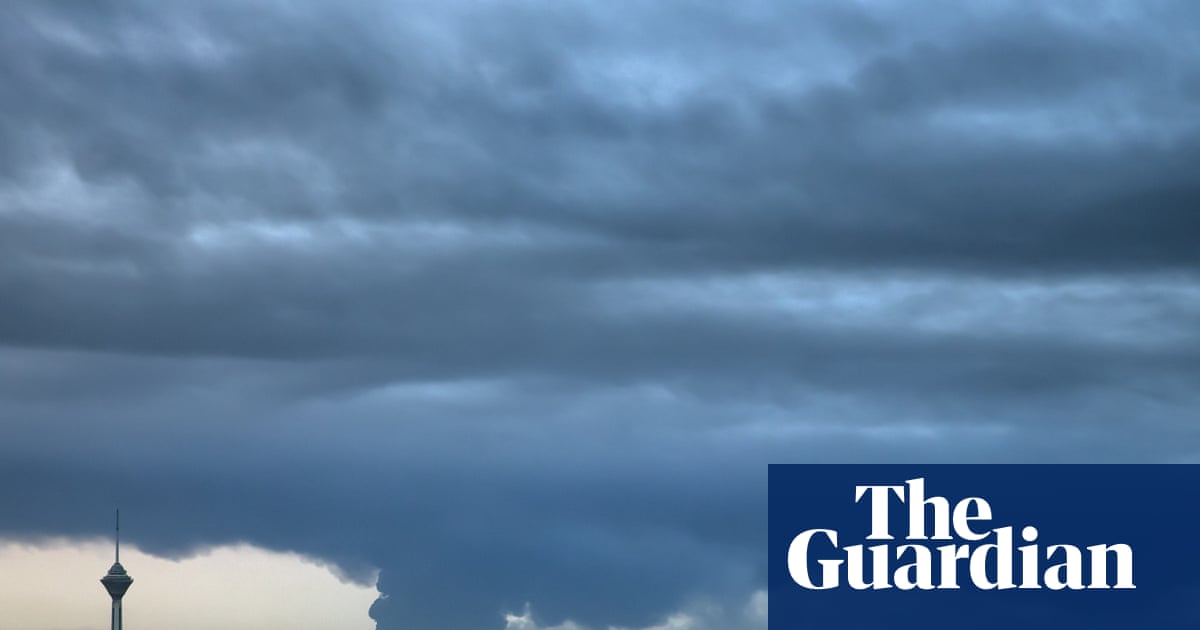
As part of the US and Israeli campaign against Iran, warplanes struck several oil depots and a refinery that night, sparking massive fires that lit up the sky and spewed smoke for days. Black rain containing soot and hydrocarbons fell on the Iranian capital, and residents reported eye and skin irritation and difficulty breathing.
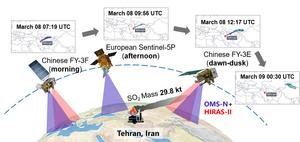
Now, data from a new generation of Chinese satellites has shown that the plume of sulphur dioxide released by these explosions and fires covered 300,000 square kilometres, passing over Turkmenistan, Uzbekistan, Kyrgyzstan, Kazakhstan and China.
The brief attack prompted a days-long spike in emissions, injecting a total of 29,800 tonnes of sulphur dioxide, according to Zhenping Yin at Wuhan University in China and his colleagues. For comparison, Iceland’s Eyjafjallajökull volcano was emitting about 20,000 tonnes of sulphur dioxide per day when its ash cloud shut down air travel in Europe in 2010.