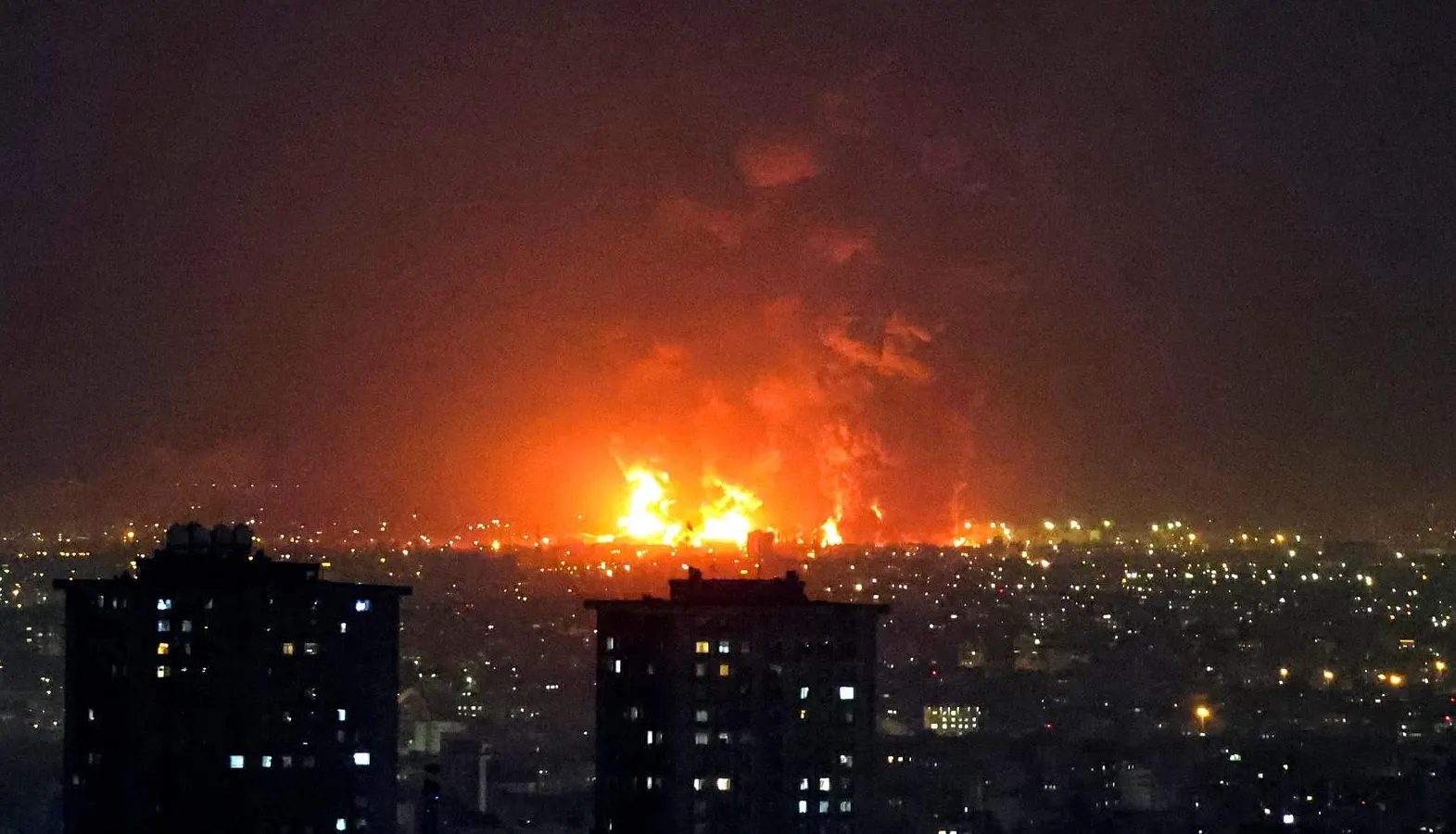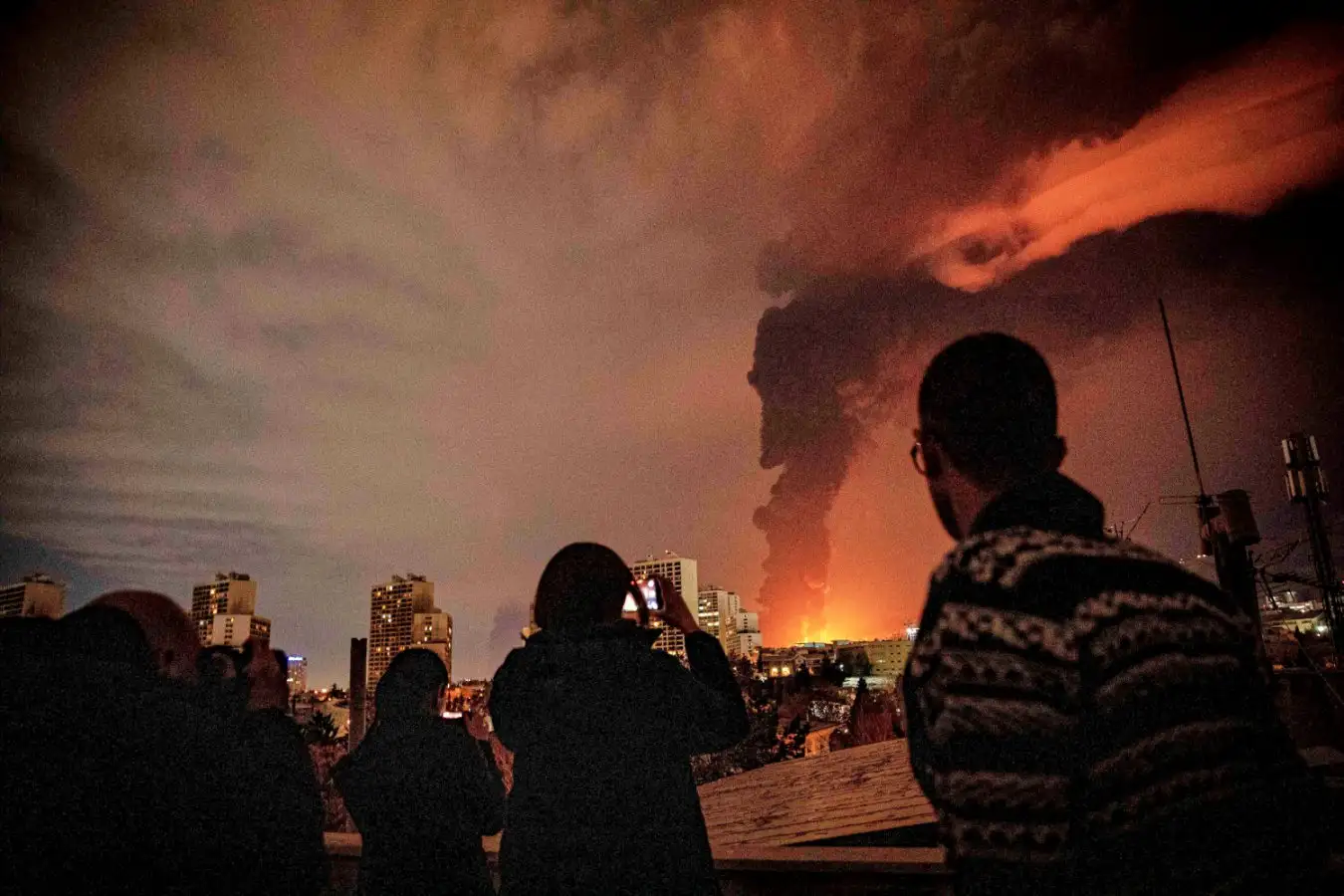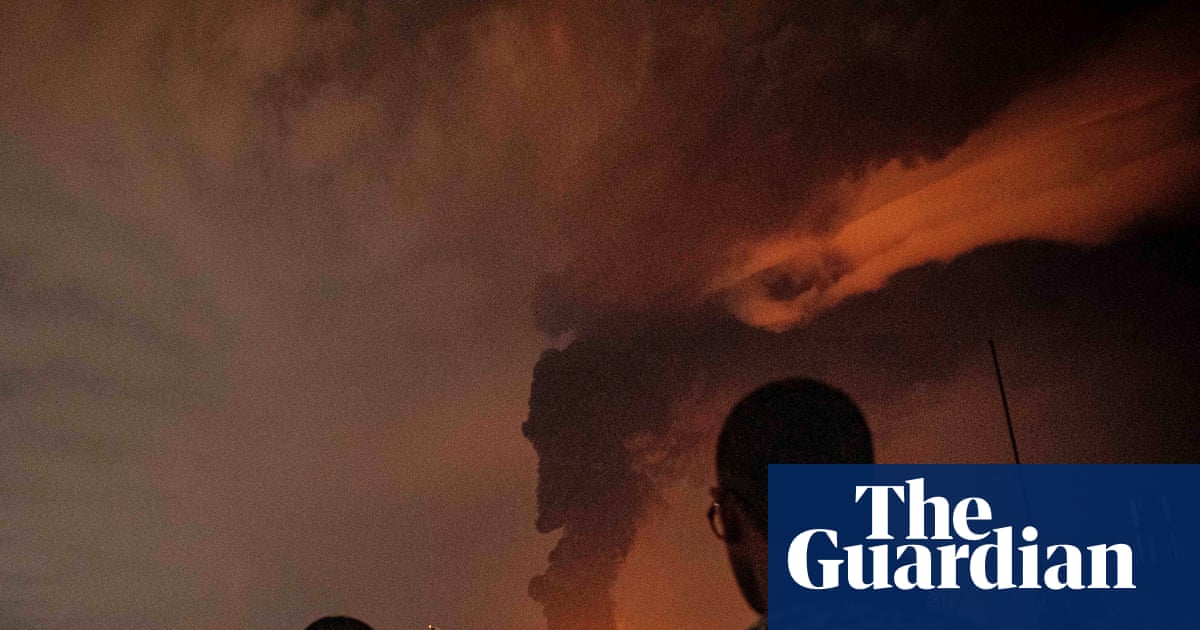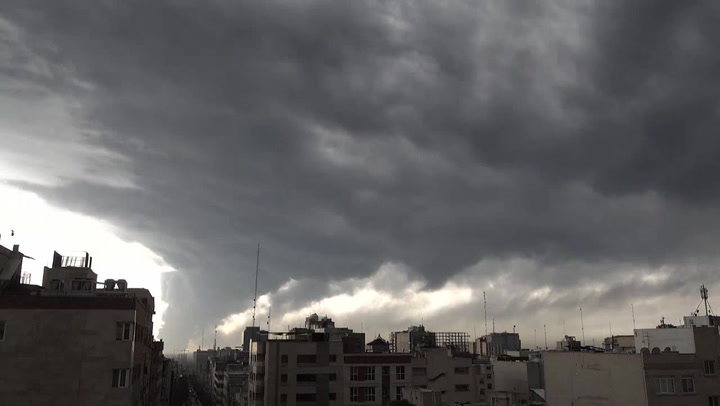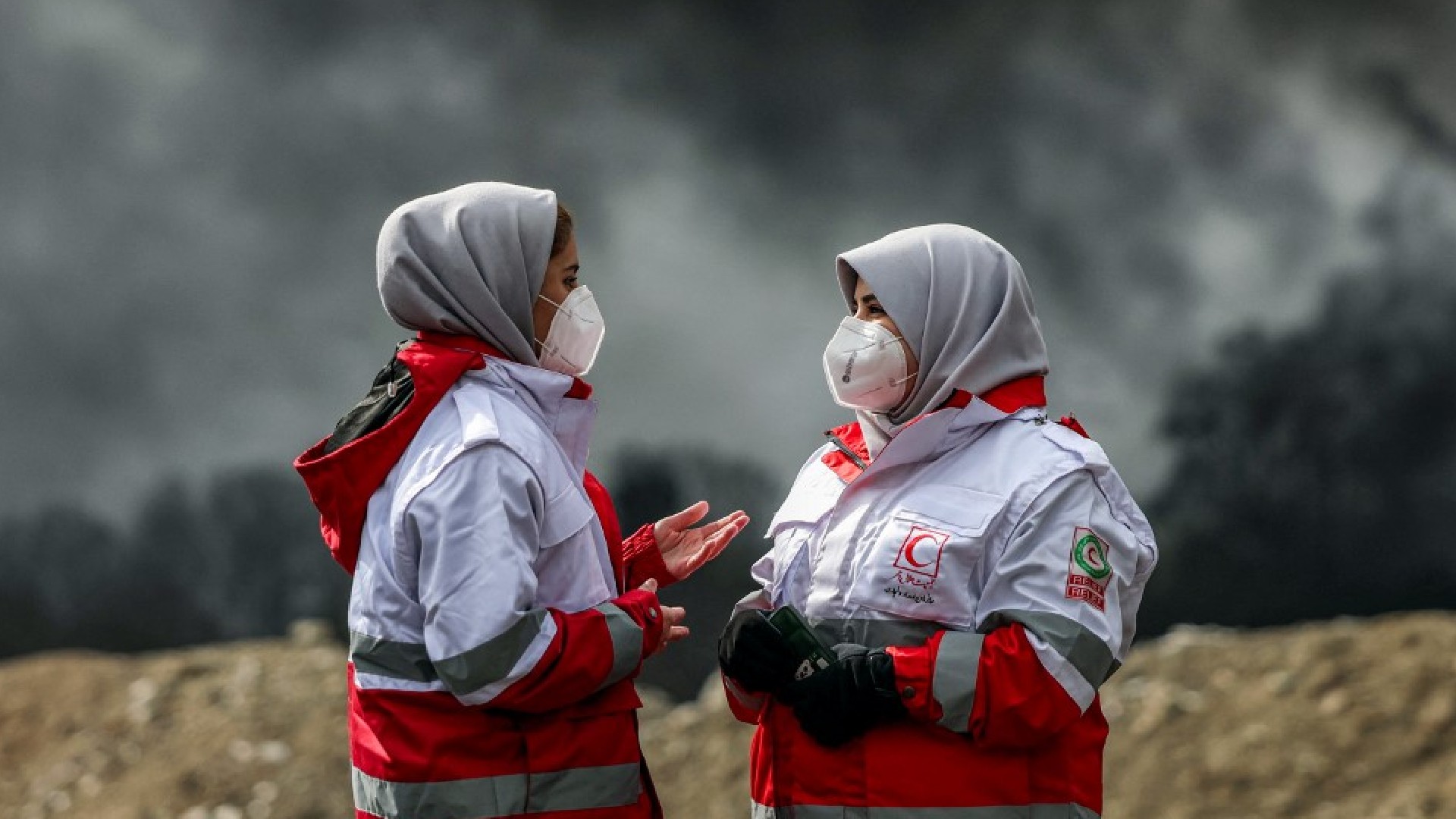
On the night of 7 March, air strikes hit four oil depots and refineries in and around Tehran.
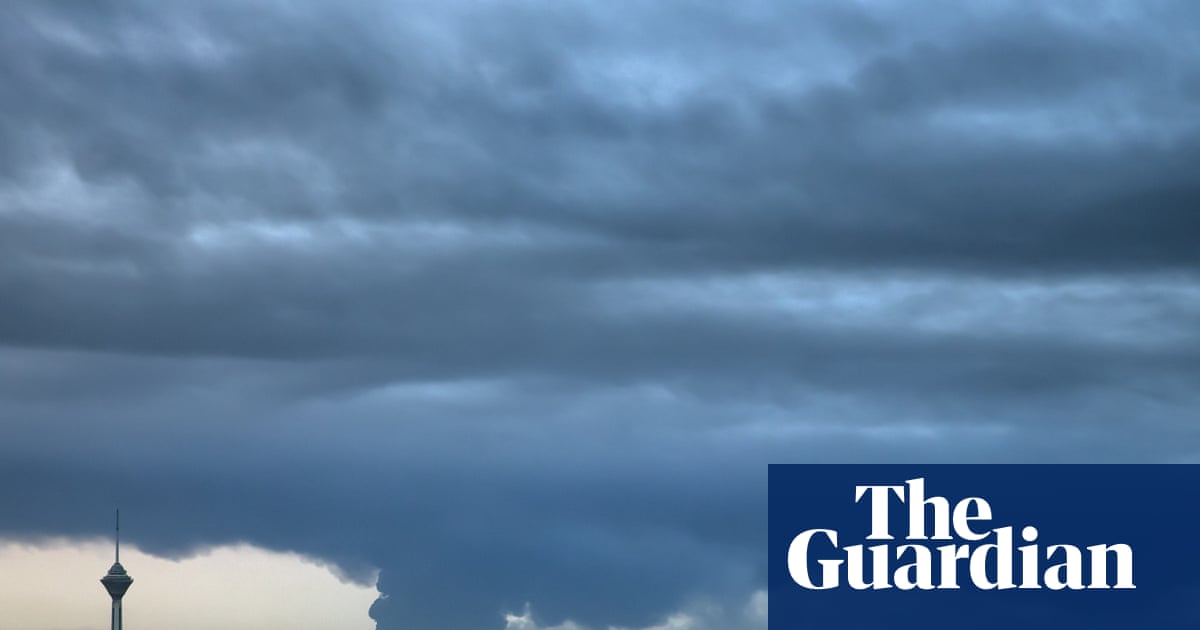
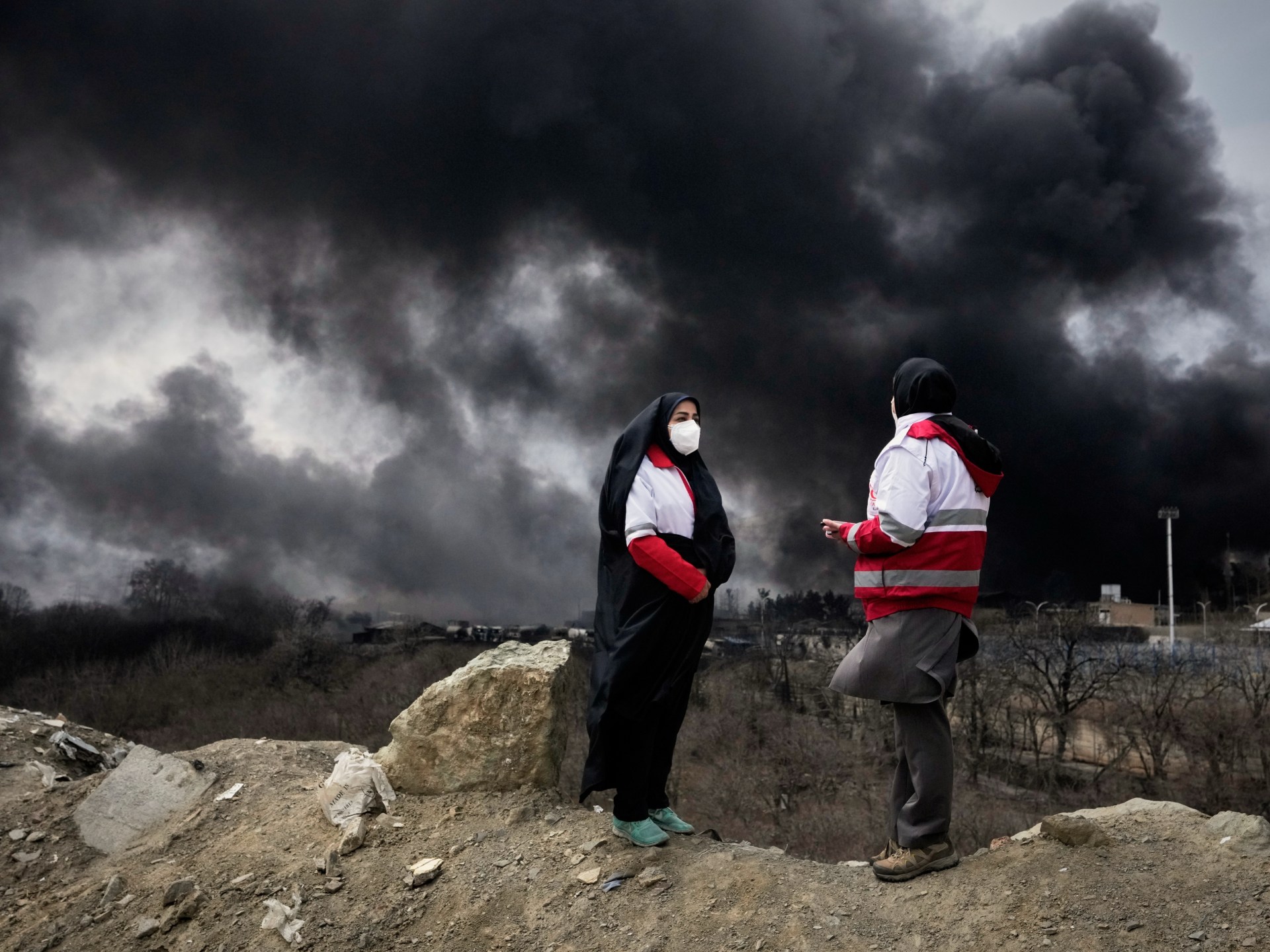
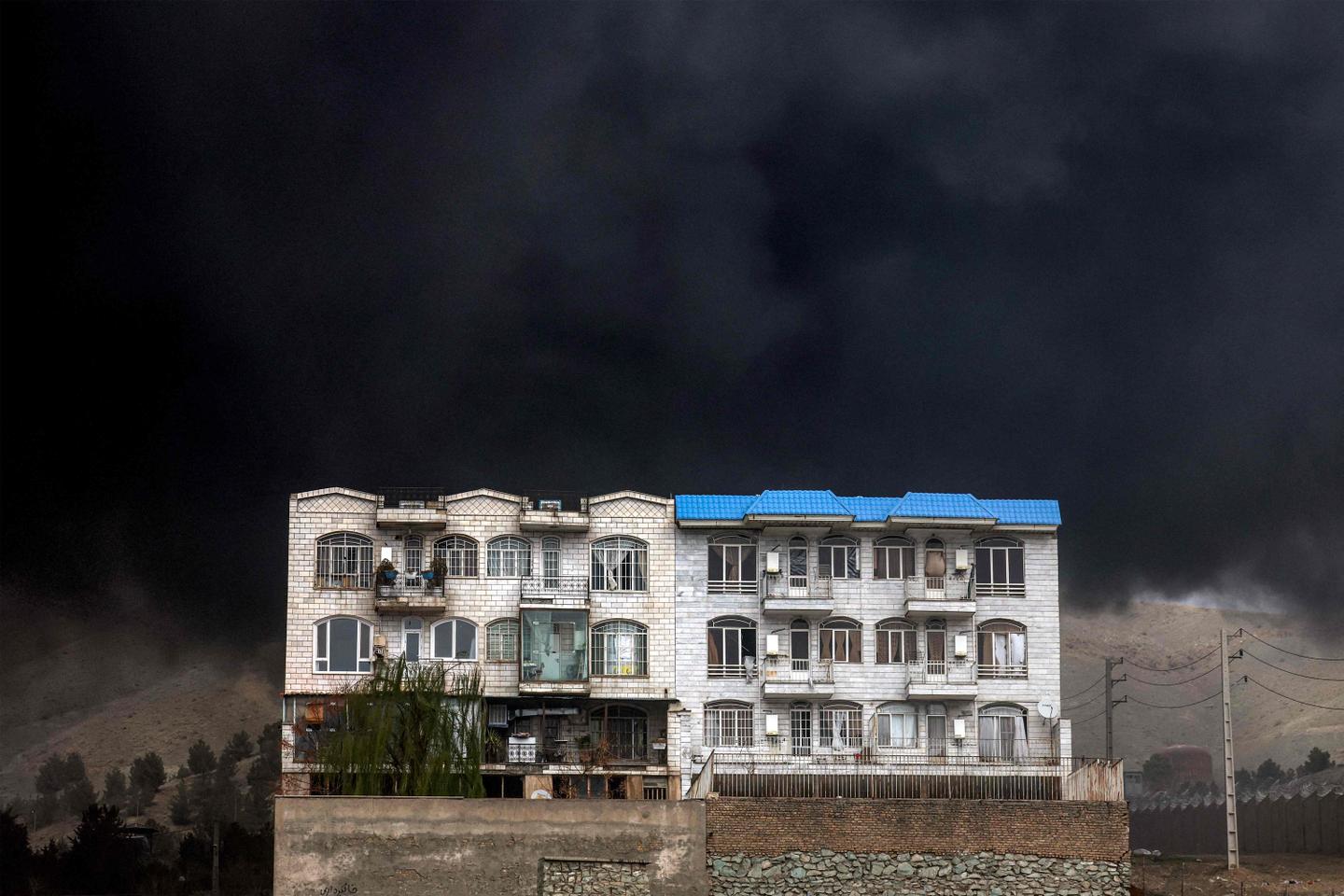
The resulting petrochemical fires burned for days, spewing columns of thick smoke which shrouded the skies of Iran's capital and poisoned its air. Residents described the fires as “hellscapes” and a “black monster”.
Israel's military claimed responsibility for targeting fuel tanks in Tehran, while the US has denied involvement in the attack.
Hours later, acid rain drops, black with oil, showered the city. Streets, cars, buildings and clotheslines were coated with a tarry substance for days after the strikes.
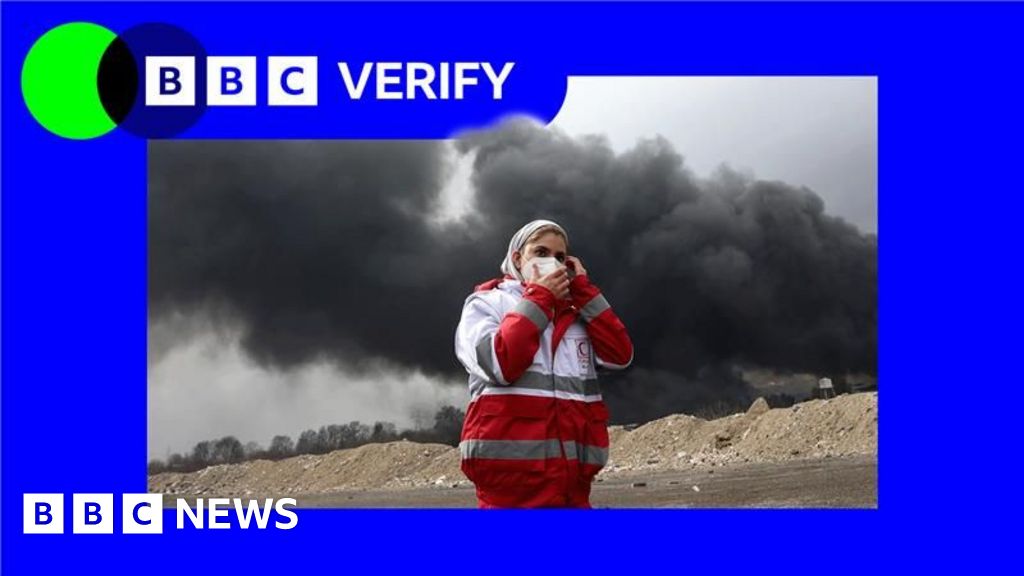
The Conflict and Environment Observatory (CEOBS), a UK non-profit that assesses the environmental and humanitarian impacts of war, told Middle East Eye that the oily fires burned for five days. This left Tehran's residents - approximately nine million of them - to inhale chemicals that hung in the air, with only fabric face masks as a defence.