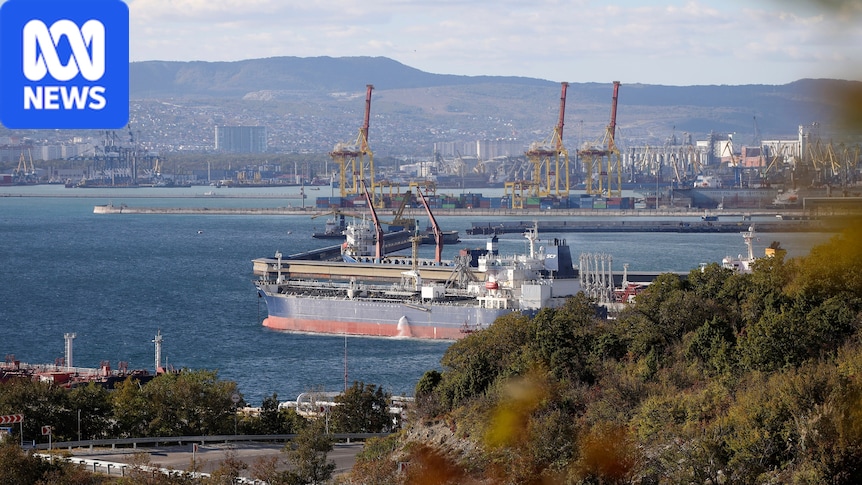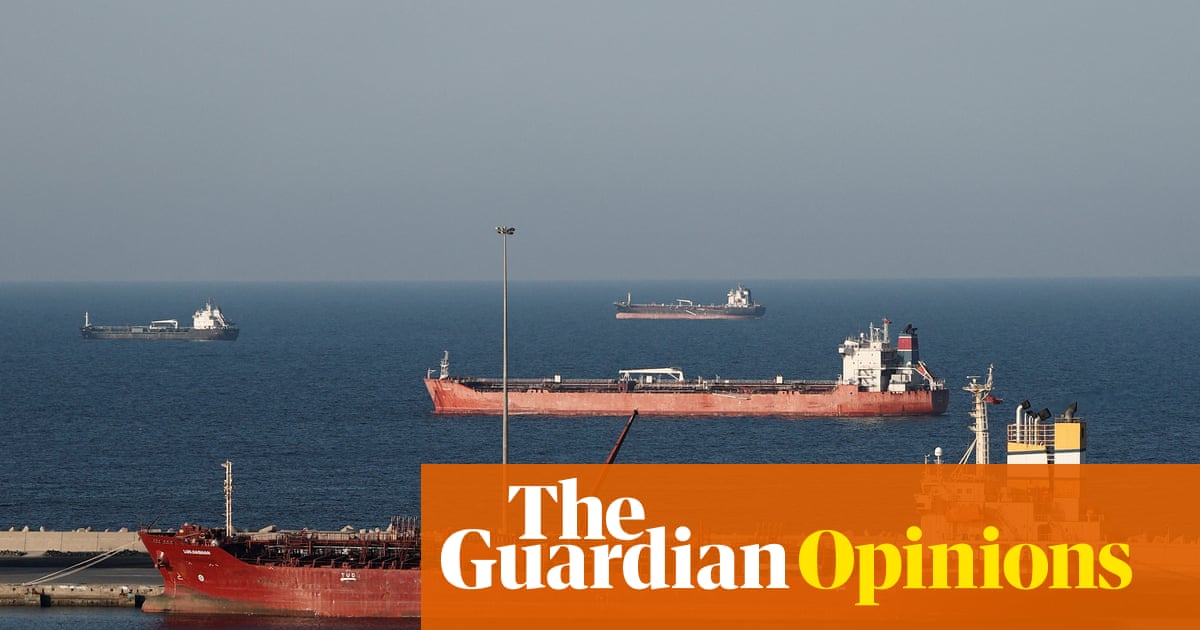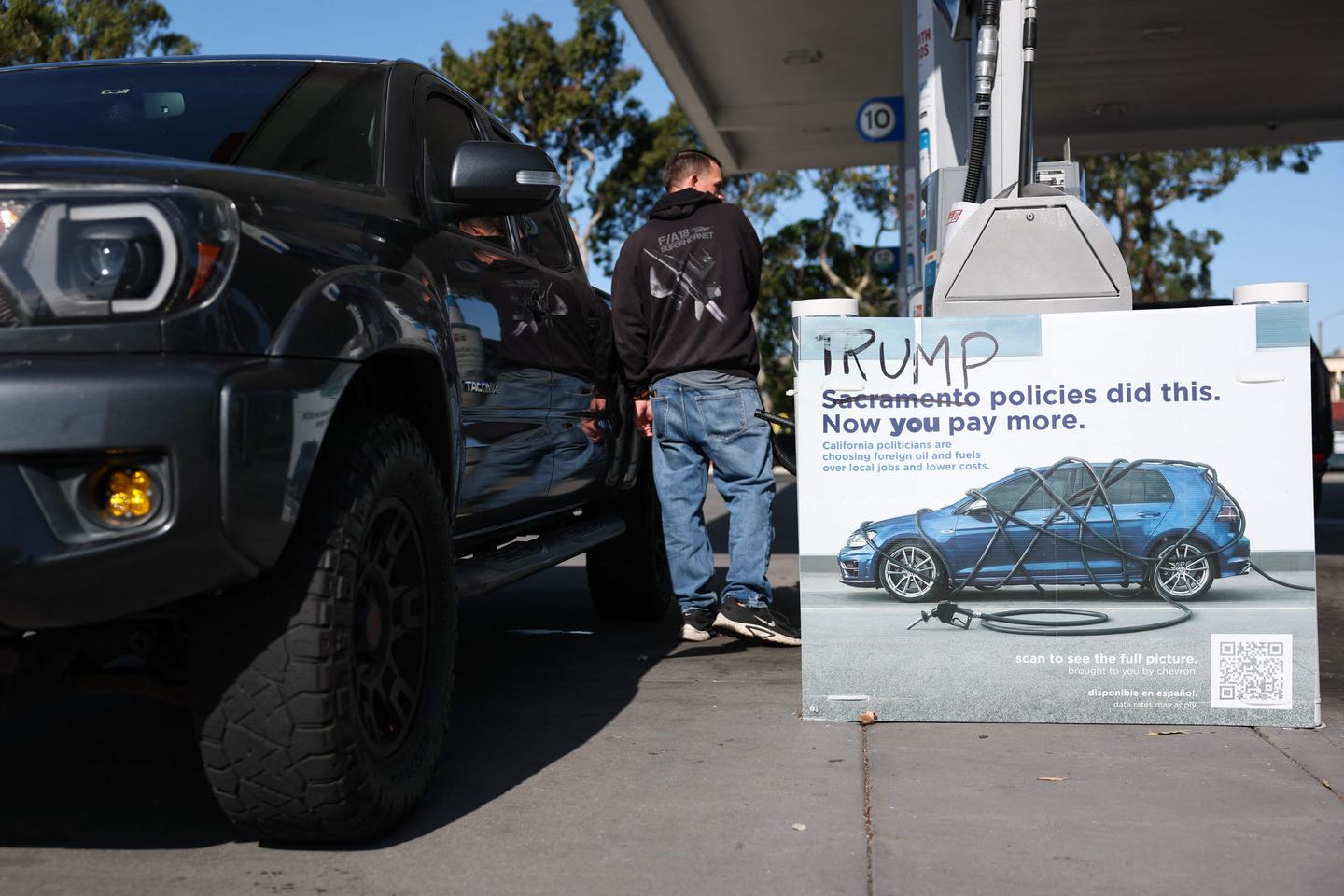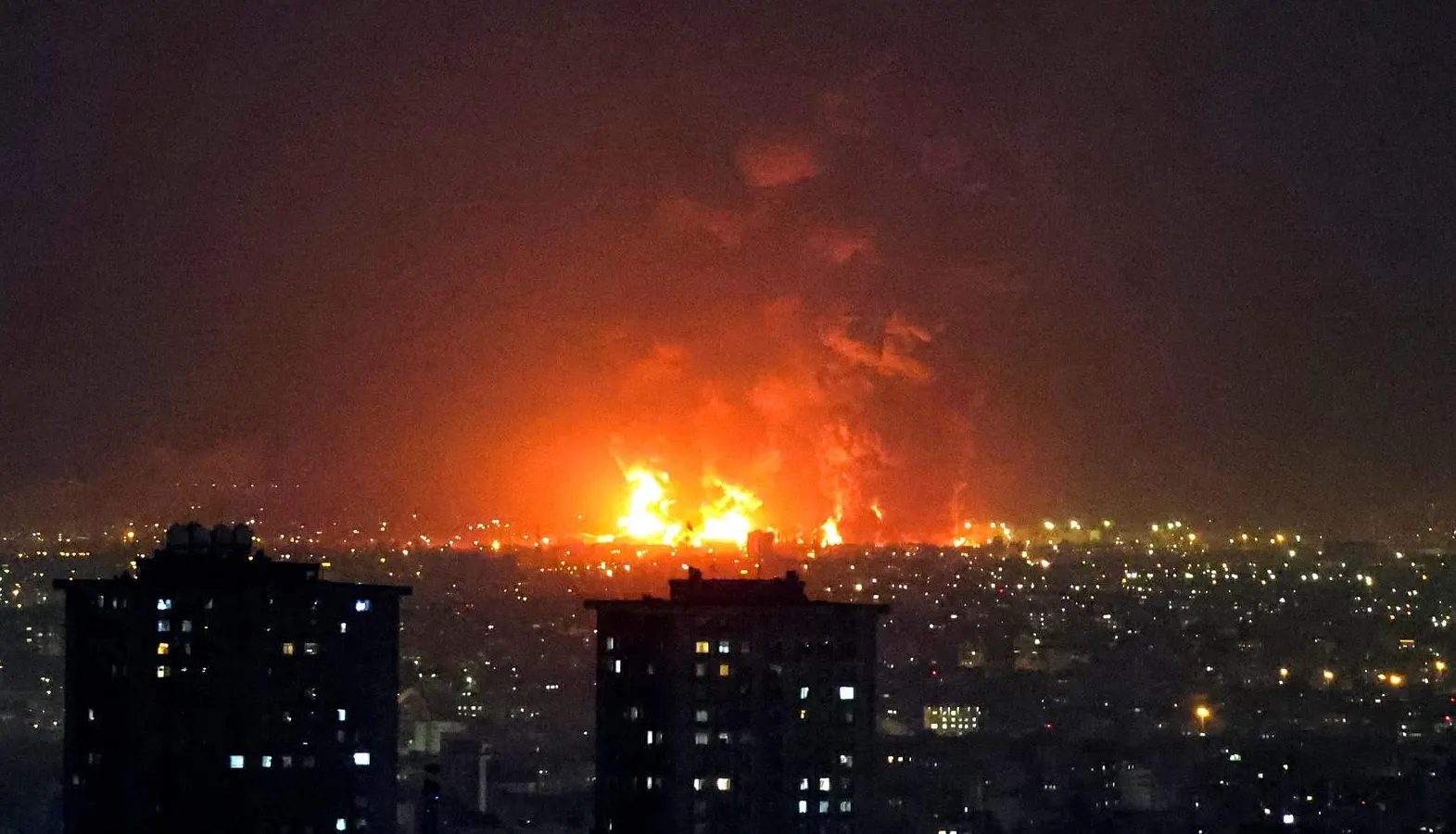
U.S. and Israeli forces on March 7 targeted the Tehran Oil Refinery in Tehran. AFP via Getty ImagesThis has been a dangerous month to be an oil refinery. On Monday night a fire hit Valero Energy’s 435,000 barrel-per-day refinery in Port Arthur, Texas. The refinery, 90 miles east of Houston, has been ramping up purchases of heavy crude from Venezuela. Despite a dramatic fireball there were no serious injuries and damage appears limited to a diesel processing unit. Meanwhile, Russia’s giant oil export facility at Primorsk on the Baltic Sea, wasn’t so lucky and continued to burn two days after a Ukrainian attack Sunday. Other smoldering oil and gas plants include Saudi Arabia’s Ras Tanura, hit by Iranian drones on March 2, and Tehran’s biggest refinery, hit by Israelis on March 7. Then on March 19 more attacks hit the Saudis’ refinery at Yanbu, on the Red Sea, and Israel’s refinery in Haifa, causing minor damage to both. Then came the drone attacks last week on Qatar’s Ras Laffan complex, which knocked out plants operated by ExxonMobil and Shell responsible for some 20% of Qatari natural gas exports. QatarEnergy says that damage could take 5 years and $26 billion to repair. Worst of all: Iran’s blockade of the Strait of Hormuz, which is keeping upwards of 18 million barrels per day of oil, gas, fertilizer and other chemicals bottled up in the Gulf. Only a handful of the usual 100 ships per day have been making the crossing, though Iran reportedly said on Tuesday that vessels from “non hostile” countries would be allowed. Biggest Energy Supply Shock EverHow long can the world withstand such energy chaos? Not long, warn Jeff Currie and James Gutman at private equity giant Carlyle Group, in a new analysis. “The physical closure is without precedent,” and has the potential to be the biggest energy supply shock the world has ever seen. “The system simply cannot accommodate that kind of disruption,” they wrote this week. MORE FOR YOUShortages of key products have emerged. Jet fuel for immediate delivery in Singapore has reached $230 per barrel (up more than 100% in a month). Vietnam, Bangladesh and Australia are warning of cuts to flight schedules. China has frozen exports of fuels. Russia has banned fertilizer exports; which is especially bad news for sugar farmers in Brazil. Makers of glass, ceramics and petrochemicals in India have shut down for lack of LNG. Seeking options, Taiwan, Korea, Japan, Philippines and Thailand have all announced plans to stockpile coal. Even Big Oil chiefs have begun to sound the alarm; Shell CEO Wael Sawan, speaking at a Houston energy conference Tuesday, warned of a “ripple effect” in energy markets. “Jet fuel is already being impacted. Diesel will be next to come. After that will be gasoline," said Sawan. Why the gas lines of the 1970s could return.Getty ImagesPossible Return to 1973West Texas Intermediate crude oil at $87 per barrel on Tuesday doesn’t yet reflect the seriousness of the situation because traders presume Trump will make a deal before the global economy collapses. Yet even if peace does break out, “there is no going back to the pre-conflict status quo,” writes Neil Beveridge at Bernstein Research. Closing the Strait “has shattered the biggest taboo in the oil industry. What was branded unthinkable in energy markets has just happened.” The disruption, Beveridge believes, is bigger than the previous gulf wars or Russia’s invasion of Ukraine. “Only the OPEC embargoes of the 1970s come close to being analogous with that of today.” Really? In 1973 Arab oil embargo OPEC held as much as 5 million barrels per day off the market for 5 months, at a time when the U.S. was importing 6 million barrels per day. Oil prices quadrupled to nearly $12 per barrel. Gasoline lines wrapped around the block. Inflation breached 12%. GDP contracted 2%. If Hormuz stays closed, a return to those shortages, and lines, could become a reality again. According to a report published by Carlyle’s Currie and Gutman (formerly of Goldman Sachs), “We believe the world is more vulnerable to an oil shock today than it was in 1973, not less.”How can that be? Oil may be cheaper per unit of GDP than a half-century ago, but it is more irreplaceable in function, they say. The world has been in an energy transition since that 1973 oil embargo, and in that time the low hanging fruit has been plucked. Smaller cars, turning down thermostats, taking the train, green everything. The Carlyle duo, in their report, argue that society may have “captured the easy margins” when it comes to kicking the oil habit, but “the remaining barrels are ones for which no substitute exists." So they’ll command a premium price. “The hierarchy of energy needs is security, affordability, and sustainability,” in that order.Don’t expect releases from the Strategic Petroleum Reserve to do much. The Trump administration plans to release 172 million barrels from the SPR over 4 months, or about 1.4 million barrels per day. That equals just 20% or so of the oil not getting through Hormuz. And the SPR releases are only short-term; they are being structured as exchanges, rather than sales. This requires offtakers to deliver oil back into SPR storage starting later this year. RBN Energy, a Houston consultancy, says if all the exchanges occur, it will drain the SPR caverns to their lowest level since 1982, at just 240 million bbl. And then what? The world will run short of oil. Record High Oil PricesAnalyst Mike Haigh at Societe Generale sees oil rising 50% to $150/bbl in April as inventories decline and the reality of supply constraints sets in. He figures such a price hike would erase 2.7 million barrels per day of global demand. Though $150/bbl would be a nominal record, oil prices would have to rise to $220/bbl or so (i.e. $8.50/gallon gasoline) to match the 2008 peak on an inflation-adjusted basis.What’s an average investor to do? Back in the 1970s most equity portfolios had built-in protection. Then, a quarter of the S&P 500 was in oil and energy stocks. Today it’s just 3%. Leigh Goehring and Adam Rozencwajg of money manager Goehring & Rozencwajg ($1.5 billion assets under management) say in their latest commentary that the best strategy right now remains to go long commodities producers. That includes stuff like oil, gas, copper, iron ore, fertilizer, helium, coal, which they say are “cheaper relative to equities than they were at the depths of the pandemic panic in 2020.” The top holdings of their resources mutual fund include Canadian oil sands producer Suncor, uranium miner Cameco, coal miner Core Natural Resources, and platinum miner Sibanye-Stillwater. They have steered away from precious metals like gold and silver, which could see continued selloffs as capital shifts to fund other projects – such as repairing all the busted energy infrastructure in the Gulf and investing in energy supplies that can’t get stuck in the Middle East like solar, wind, batteries, nuclear and even coal. Goehring & Rozencwajg thinks commodity prices will continue to rise well into this multi-year reinvestment process. “While the market waits for this future supply, commodity prices frequently continue to rise. The paradoxical result is that even as capital pours into the industry, prices keep climbing since the additional production has not yet arrived.”Like all capital investment cycles, it’s cyclical, it says. Recall that America’s boom in fracking for shale oil and gas emerged directly from record high 2008 prices of $14 per million Btu for natural gas and $147 per barrel of oil. “An initial shortage attracted enormous investment that eventually produced a glut.” Let’s hope it works that way again. ForbesThe American LNG Billionaires Set To Cash In On War With IranBy Christopher HelmanForbesThe Countries Most In Danger Of Running Out Of OilBy Christopher HelmanForbesThis Daring Developer Wants To Power America’s AI FutureBy Christopher Helman
Trump's Iran War Could Cause Oil Shock Worse Than 1973
Energy infrastructure is burning up. Asian nations mull flight cancellations amid shortages. Analysts predict record prices and shortages in weeks.
1,313 words~6 min read