China consumes around 90% of Iran’s oil exports, so could be forced to rely on alternative suppliers – particularly Russia
W
ith the US-Israeli war against Iran in its second week, energy markets are in turmoil. On Thursday, the price of Brent Crude Oil topped $100, only slightly lower than the $119 peak per barrel on Monday.
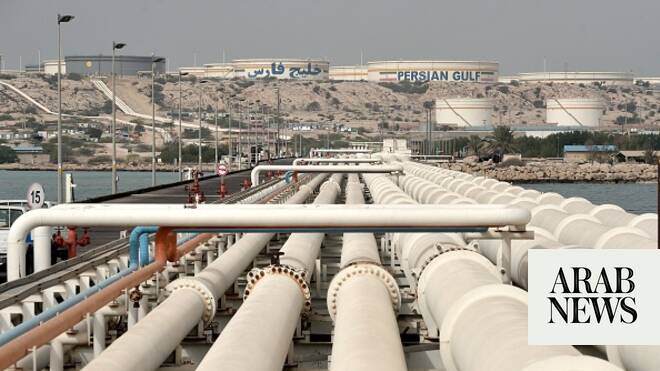
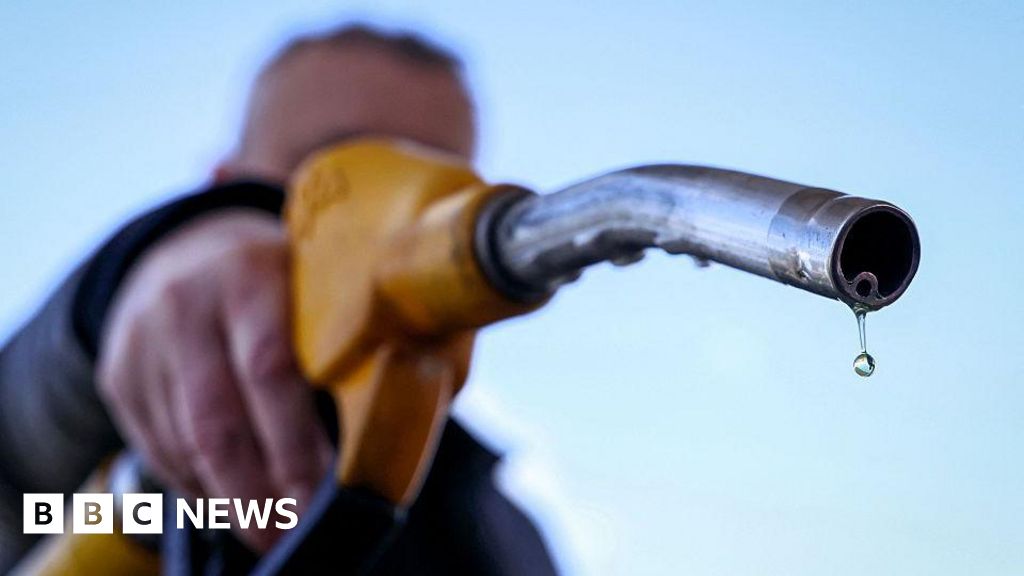
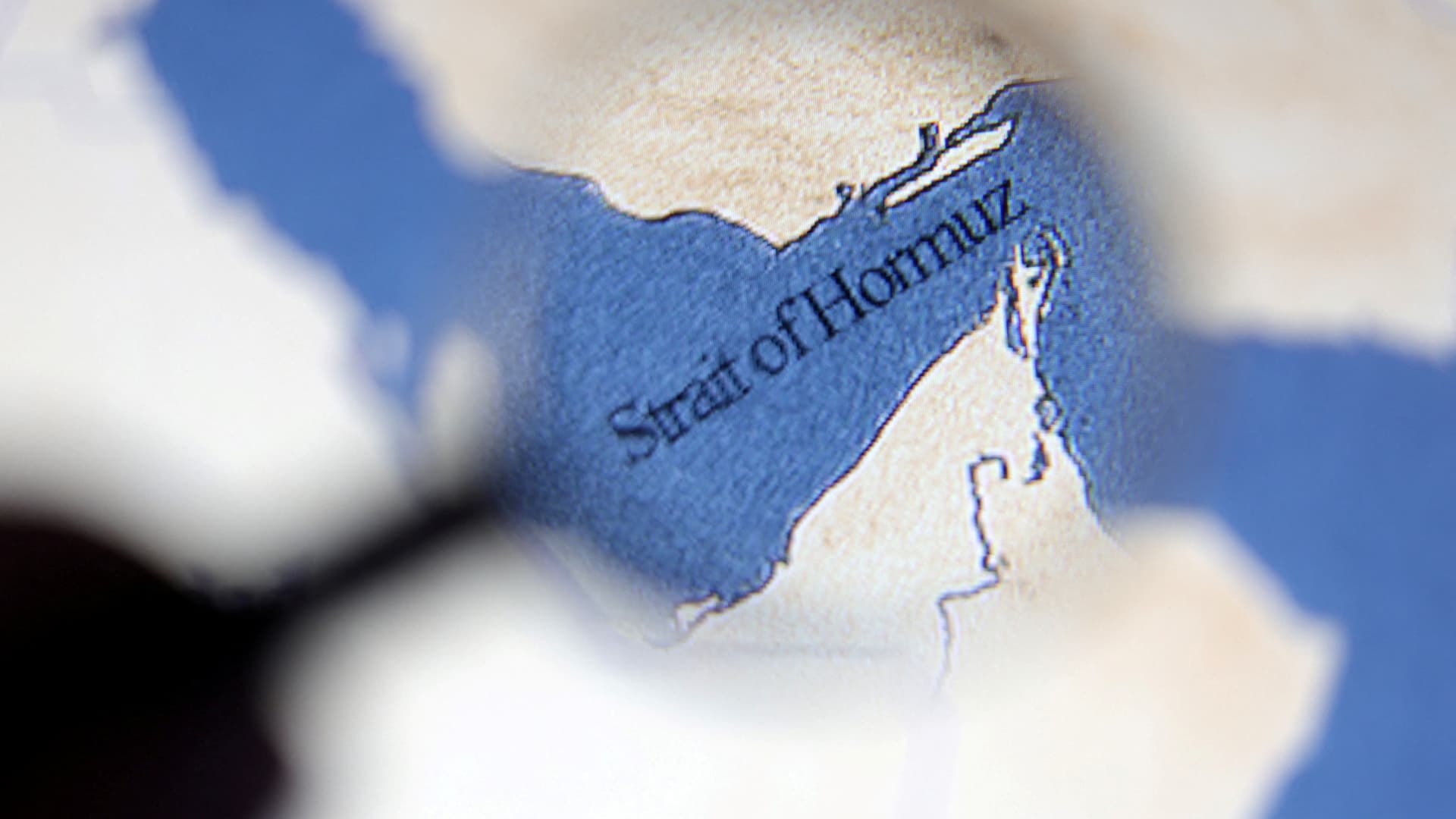
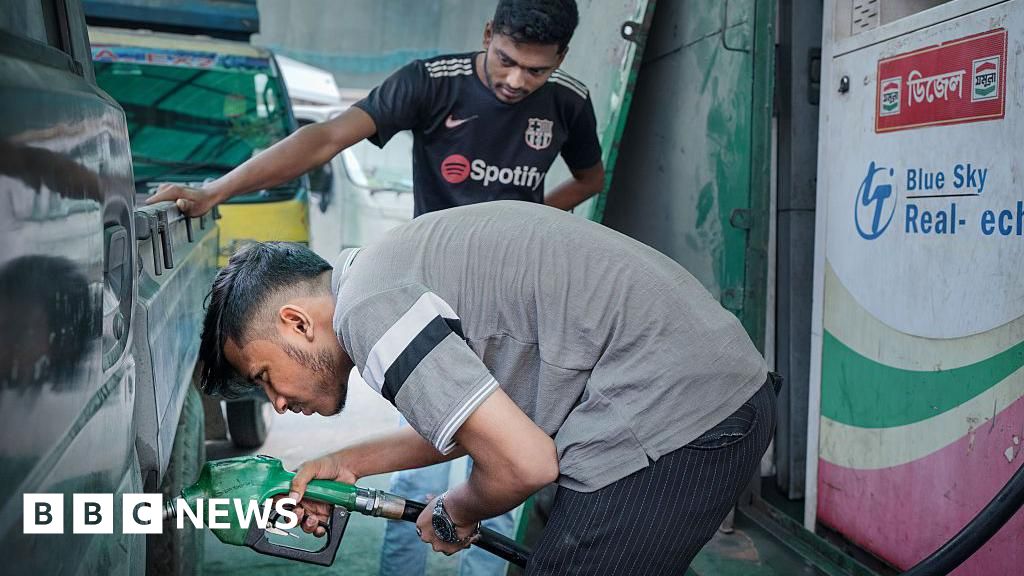
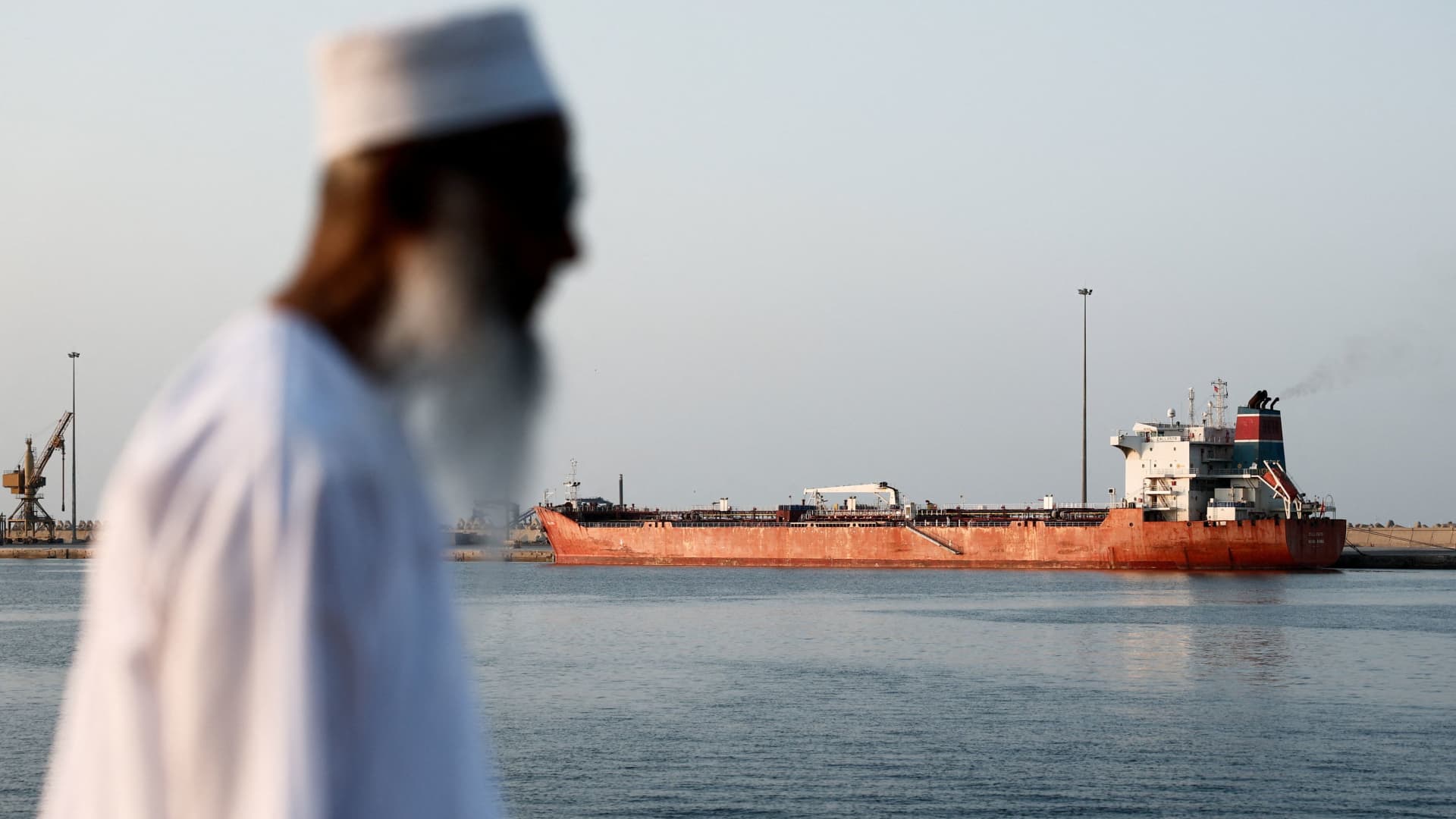
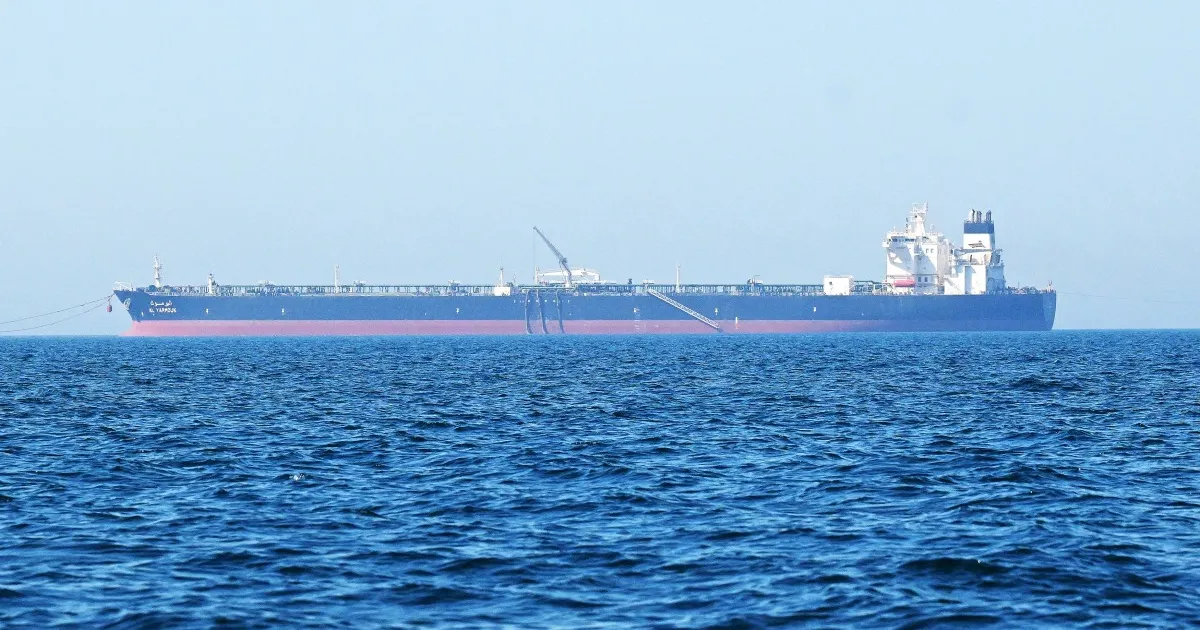
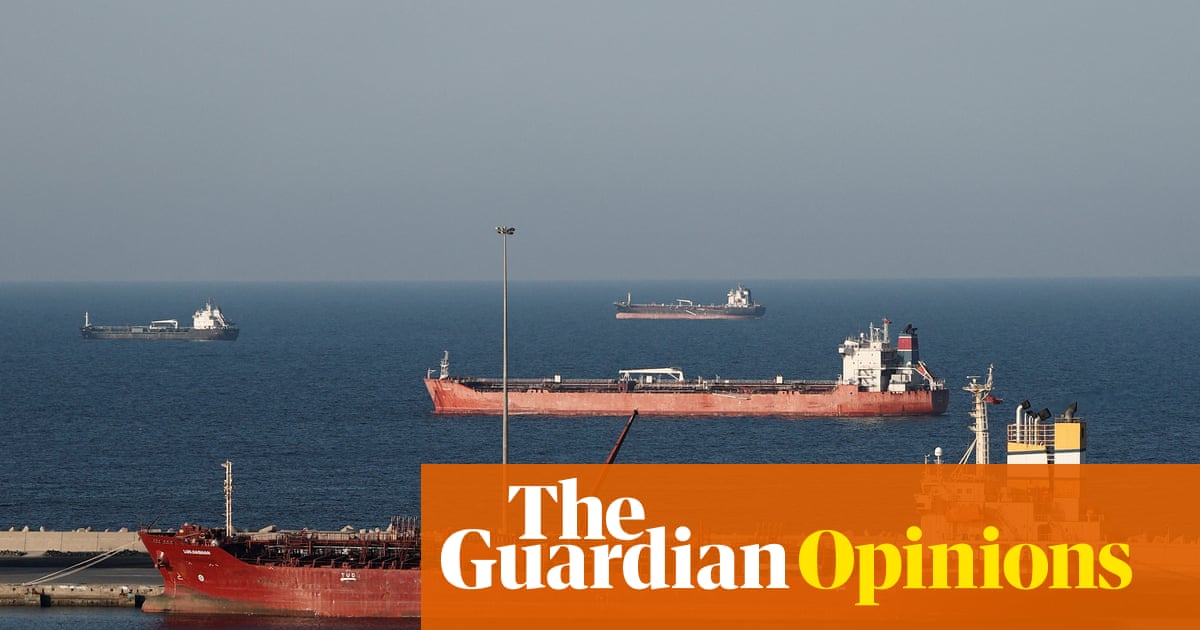
These swings have focused attention on key energy choke points such as the strait of Hormuz, where about one-fifth of the world’s shipped oil and liquefied natural gas (LNG) passes each day. This shutdown of the strait will be felt in people’s everyday lives for months to come, particularly in the form of spiralling household bills. But oil prices alone do not capture the full economic significance of the conflict.
To understand its wider implications, we need to look at the major changes that have reshaped energy markets over the past two decades, and the central role the Gulf now plays within them. An unexpected consequence of this war is that the US’s two biggest enemies, China and Russia, could well be drawn closer together.