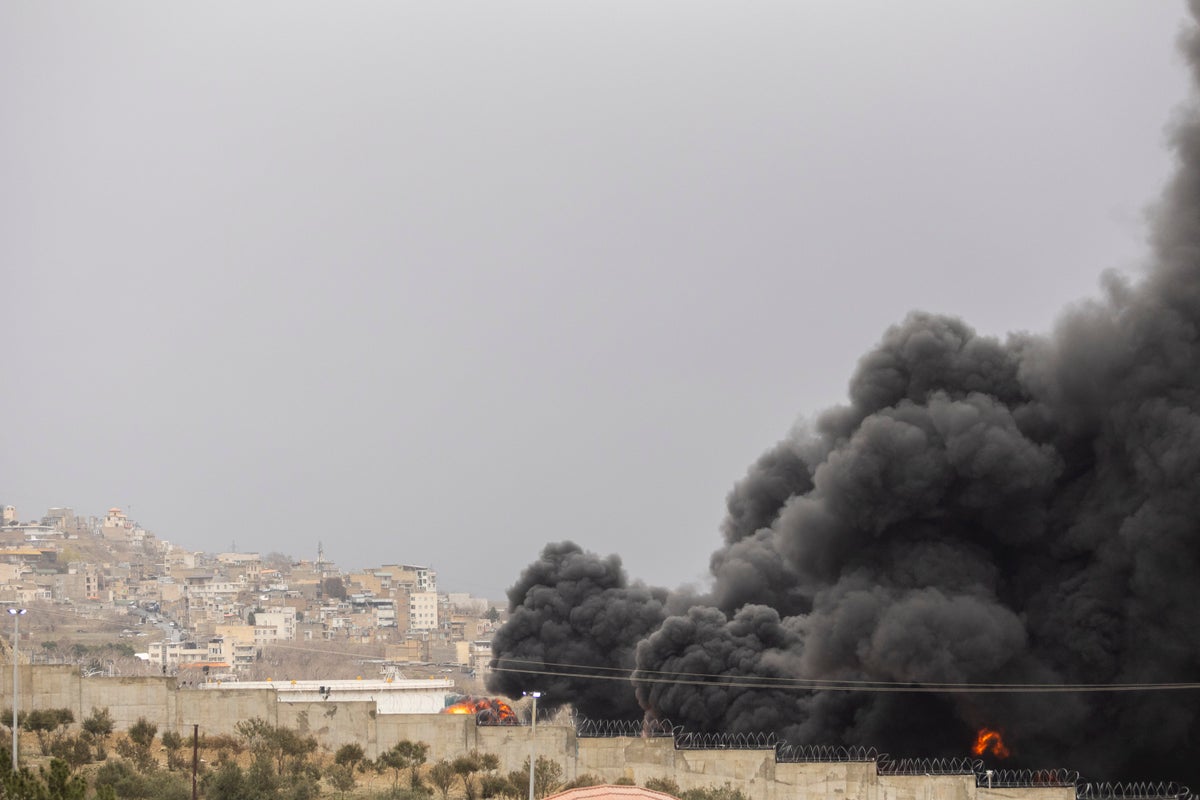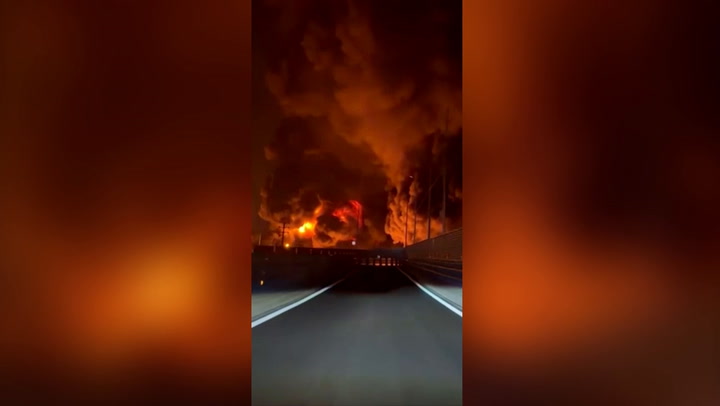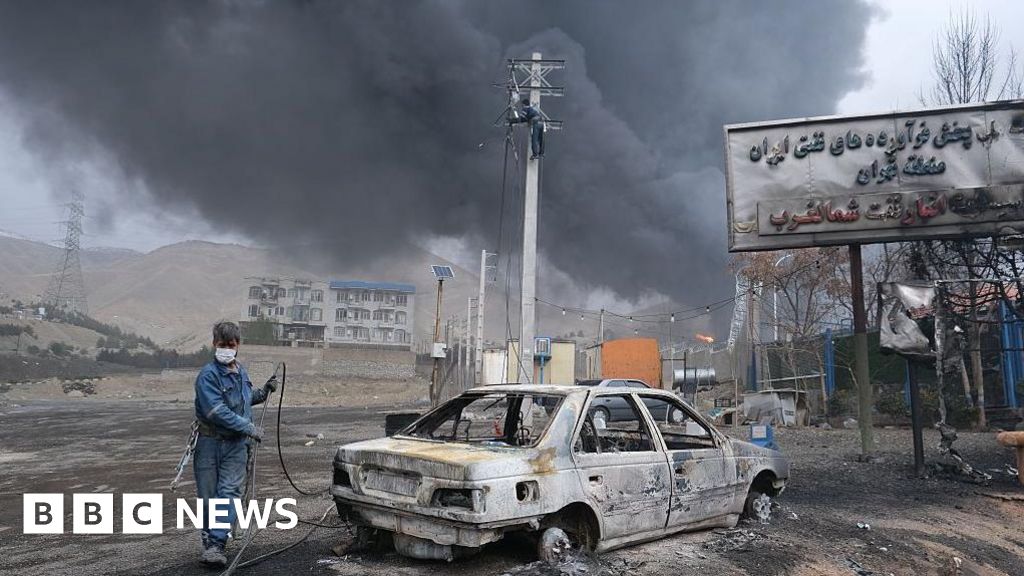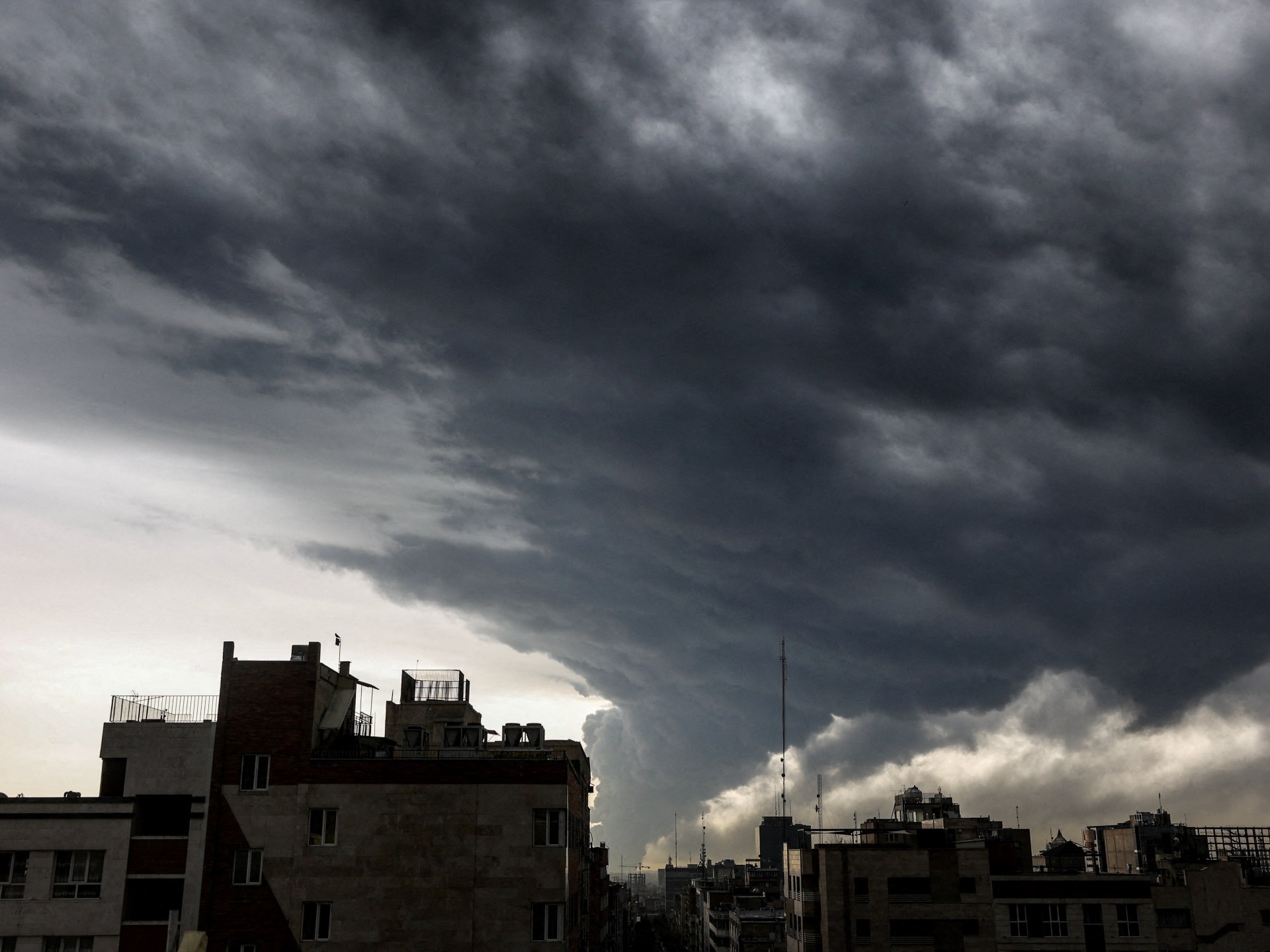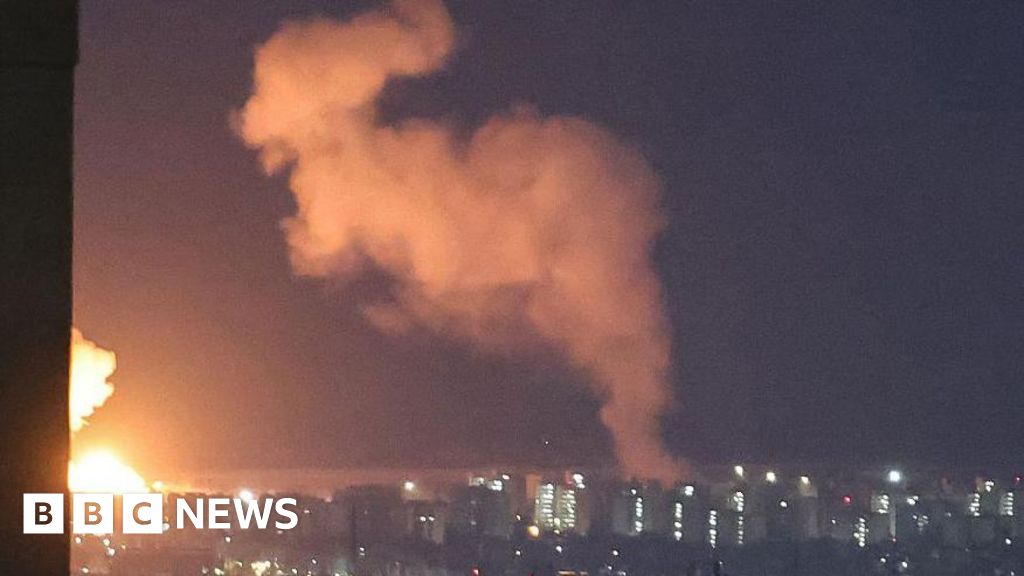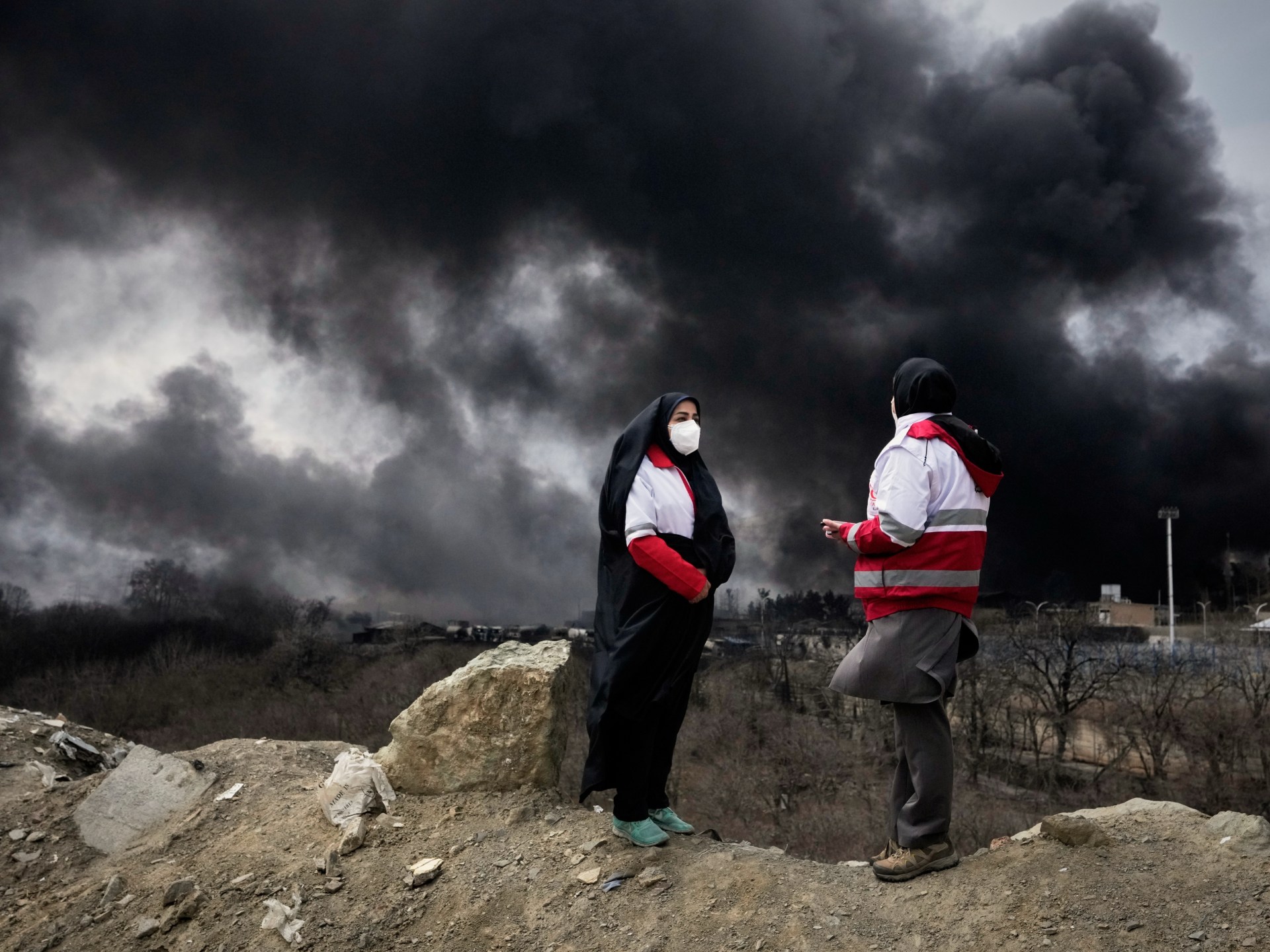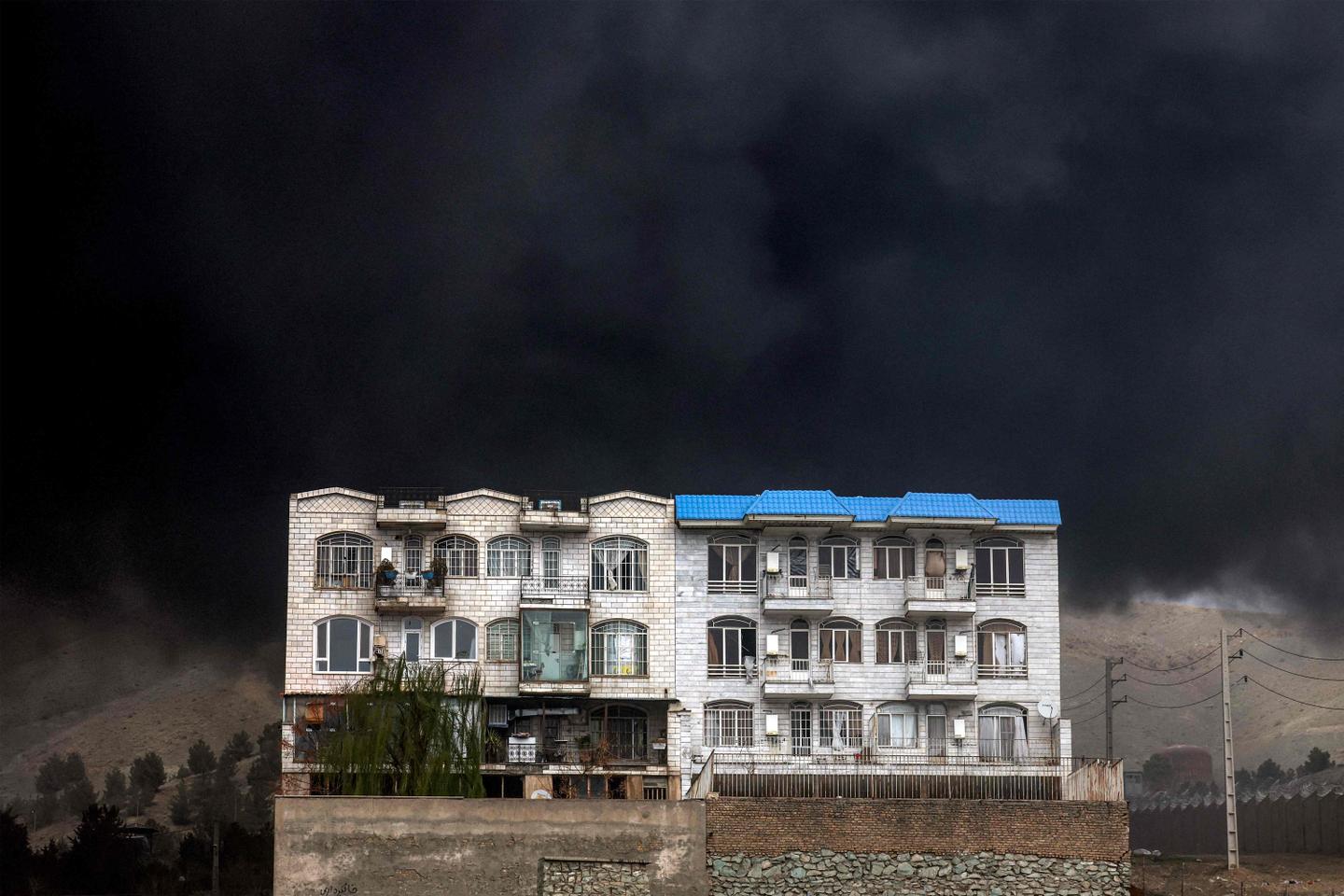
A dark smoke cloud engulfs a residential building near an ongoing fire following an overnight airstrike on the Shahran oil refinery in northwestern Tehran on March 8, 2026. - / AFP
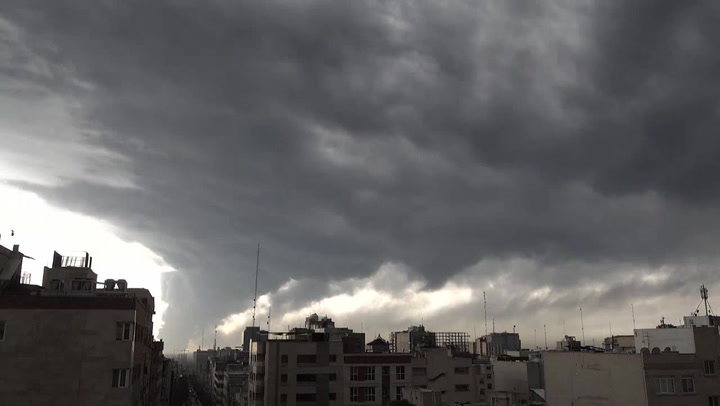
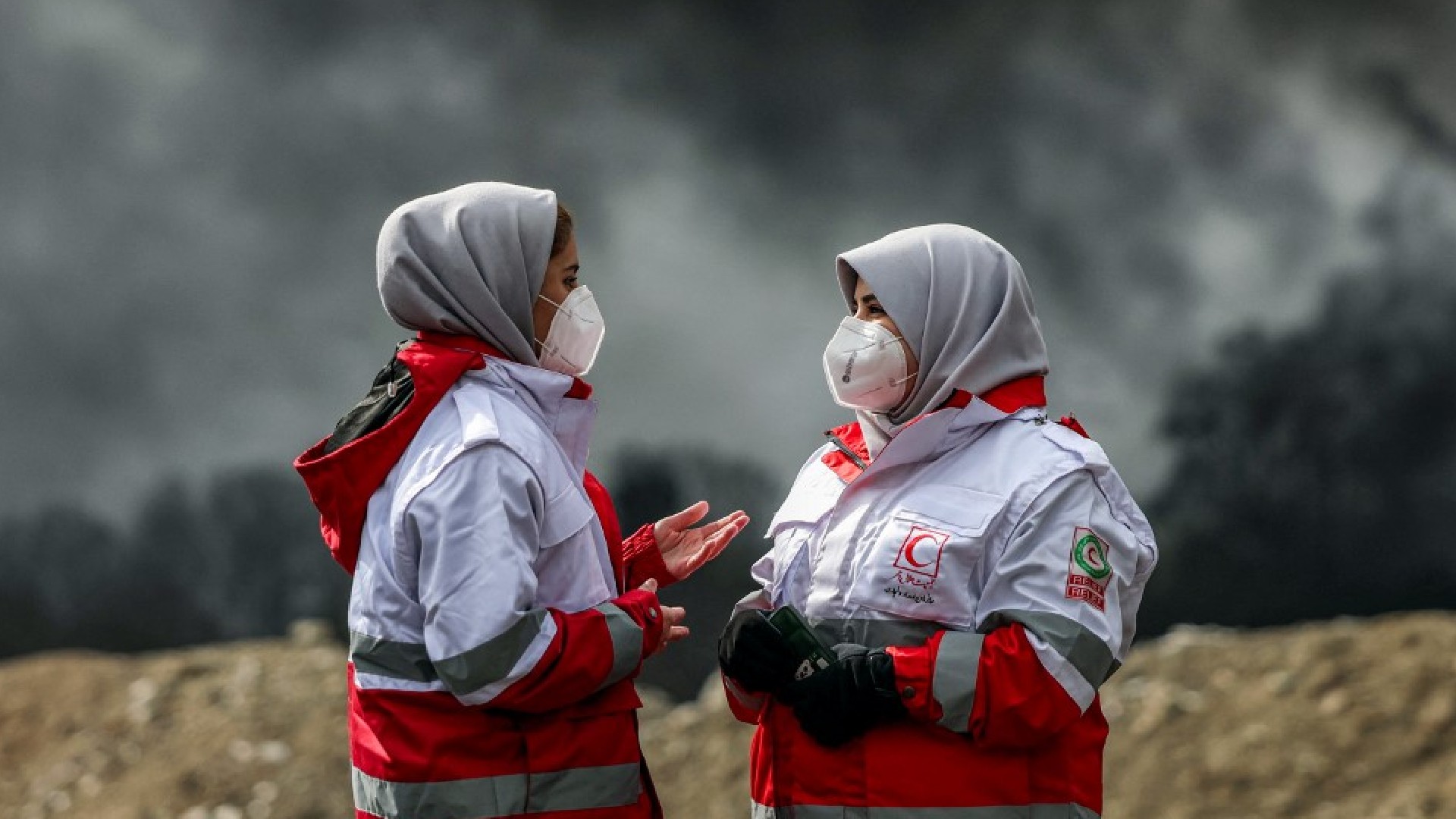
Residents of Tehran woke up on the morning of Sunday, March 8, to find it was still dark outside, an apocalyptic sight created by thick black smoke billowing from oil depots hit by Israeli strikes. With the sun blotted out, disoriented people in the Iranian capital had to turn on their lights to see through the gloom. "I thought my alarm clock was broken," a driver in his fifties told Agence France-Presse (AFP) on condition of anonymity.
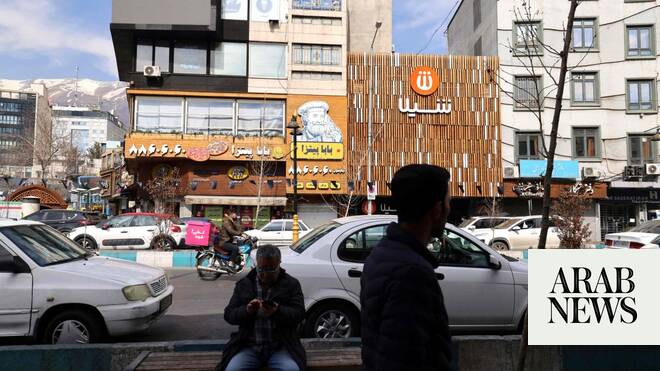
By 10:30 am local time, cars still needed their headlights to drive along Valiasr Street, a main thoroughfare that runs north-south through the city. Black smoke from the burning fuel depots mingled in the sky with heavy grey rain clouds, compounding the murky atmosphere. The smoke spread across the sprawling city, normally home to more than 10 million people.
Subscribers only
Iranians' daily life upended by massive strikes: 'And now, what will happen?'