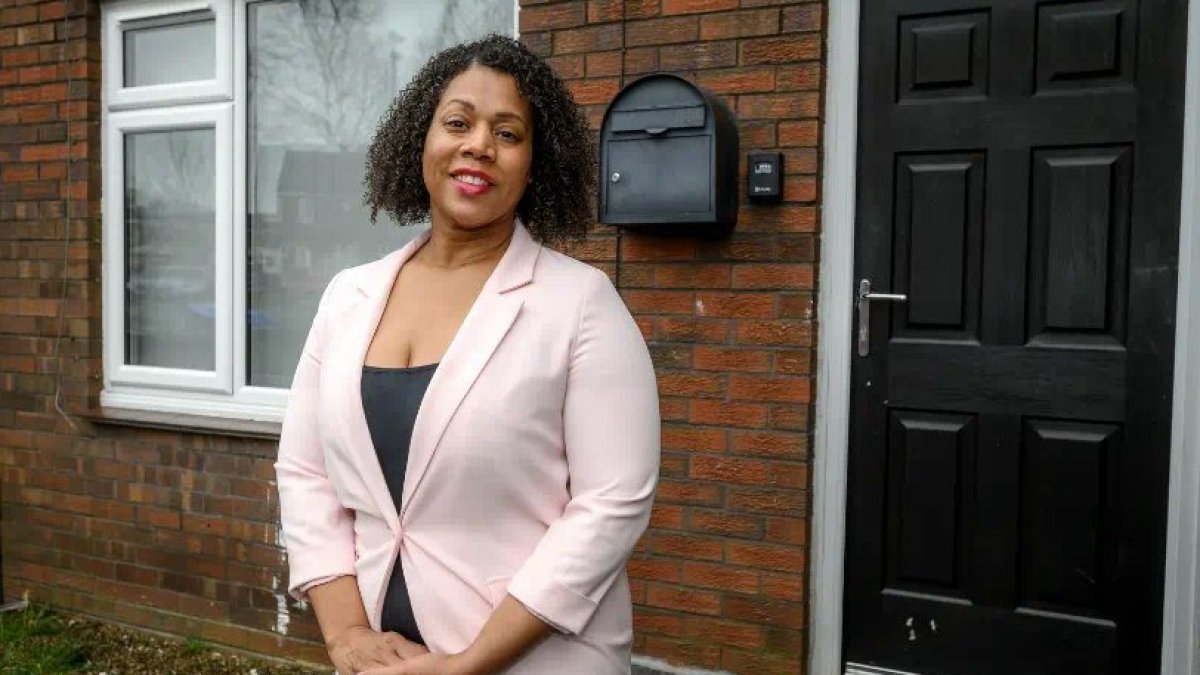
Luree and Alex have explained how they have managed to get together enough for a £300,000 houseNeil Shaw Assistant Editor (Money and Lifestyle)08:27, 26 May 2026A couple aged 19 and 20 say they are on track to buy a house next year after saving £40,000. Luree "Lu" Lento, 20, and Alex Wakely, 19, from Tunbridge Wells, Kent, are hoping to buy a £300,000 Victorian terrace house in one of the nearby villages by the end of 2027.The couple, who have been together since they were teenagers, already have around £29,160 saved by putting away at least 40% of their salary per month. They plan to save £40,000 by the end of 2027 - by saving at least £1,600 a month.The couple need £10,840 to get to their total which should only take them seven months - but the couple are planning to save for as long as they can. They plan to use £30,000 as a deposit and keep the remaining money aside for solicitor fees, renovations and emergencies.The pair earn £54,000 a year between them and say their success has instead come from budgeting carefully, treating their savings pot like it's a monthly bill and making sacrifices such as avoiding trips to the pub, halting on the snacks, and banning clothes shopping. Lu, who is completing a degree apprenticeship in marketing, said: "The biggest thing is being completely aware of your outgoings."You have to sit down and properly work out how much you spend on food, coffees, snacks, subscriptions and little impulse purchases because it all adds up without you realising. Once you actually know where your money is going, you can decide realistically what you can afford to save every month."The couple set their savings goal after deciding to get on the property ladder in January 2025. Alex earns £2,100 a month plus commission - he pays £500 in rent living at a family friend's property, and says his other outgoings total £1,060.Lu lives at home with her parents rent free and spends £480 a month for things such as her car, nails, and gym from her £1,672. per month salary. Together they now save around £1,600 every month, with both aiming to put away roughly £800 each, which goes straight to the saving pot.This will allow them to save the extra savings they need - if they continue to put away the same amount per month. Alex, who works as an estate agent on commission, said: "When your income varies, you have to know what percentage of your wage you’re going to save."I usually try and stick to around 40 per cent, but if I’ve had a really good month I try to push it closer to 50 per cent. You have to treat savings as the priority instead of just saving whatever you have left at the end."Lu said: "People our age don’t always want to make sacrifices. I love clothes and shopping, don't get me wrong. However, now a days I think about whether I’d rather buy something random or put that money towards our future. If you want to buy young, there are things you do have to cut back on."The couple say one of the hardest parts has been avoiding small everyday purchases. Alex said: "It’s the little habits that are difficult to cut - grabbing a coffee, buying lunch out, stopping for snacks when you’re bored. It doesn’t feel expensive at the time but when you add it all together over a month it’s a huge amount of money."Lu added: "Even things like going to Pret regularly or buying snacks on your day off can really add up. It’s fine now and then, but if it becomes a habit it makes saving much harder."Instead of spending heavily on nights out and holidays, the pair say they have become far more intentional with their money. Alex said: "We’ve had people say we’re too young and should be travelling more or going out all the time. But this is what we genuinely want. We’d rather make sacrifices now and enjoy the benefits later."The couple also believe starting young has played a major role in helping them build savings so quickly. Both had already been saving individually before they began seriously saving together in January 2025. Neither chose the traditional university route, allowing them to start earning money immediately without building up student debt.Lu said: "I’m doing a degree apprenticeship so I’m earning while learning, and Alex went straight into work. We don’t have student debt and we’ve been able to save from a really young age because of that."The pair split their savings between a Moneybox Lifetime ISA, a Chip cash ISA and a Trading 212 stocks and shares ISA. Lu's Moneybox LISA contains £7,704.10, and Alex has £9,046.70. They have each added £4,000 this year to their LISAs so will receive £1,00 each from the government bonus.In the chip cash ISAs, Lu has £10,409.88 and Alex has £2,000. In trading 212 Alex has £869 and has gained £19 from investing - which they plan to use as long term savings instead of for the house. Lu said: "The Lifetime ISA has helped us massively because of the government bonus."We also keep money in a Chip cash ISA because it’s easy access and earns interest, and we’re starting to invest a little as well for long-term growth."The couple say they are happy to buy a property needing renovation work and hope to find a two-bedroom Victorian terrace with a small garden. Lu said: "We don’t mind doing work ourselves. Our families are really supportive and handy with DIY, so we’d rather buy somewhere we can improve over time."Despite criticism from some people online, the pair say they are focused on their long-term goal. Lu said: "There’s this idea now that you have to constantly spend money to enjoy yourself, but that’s not really us. At the end of the day, everyone’s priorities are different - and this is ours."THE BUDGETCurrent combined savings: £29,160 Monthly savings: £1,600 combined Savings target: £40,000 Planned deposit: £30,000 Lu’s monthly take-home pay: £1,672 Alex’s monthly take-home pay (without commission): Approximately £2,100 Main savings accounts: Moneybox Lifetime ISA, Chip Cash ISA, Trading 212 Stocks and Shares ISA Lifetime ISA bonus: 25 per cent government bonus on up to £4,000 saved per yearArticle continues belowTOP SAVING TIPS FROM LU AND ALEXTrack every outgoing to understand where your money is really goingSet a realistic monthly savings target and treat it like a billCut down on small impulse purchases like coffees, snacks and lunches outUse high-interest savings accounts and ISAsSave consistently, even if it’s only £100 a monthDecide on long-term goals before spending on short-term wantsAvoid lifestyle inflation when earning more moneyBe intentional with spending instead of buying things out of habitIf possible, save while living at home to reduce costsStart investing and saving early to benefit from long-term growth
19 and 20-year-old can afford to buy a house thanks to 'one savings rule'
Luree and Alex have explained how they have managed to get together enough for a £300,000 house
1,147 words~5 min read