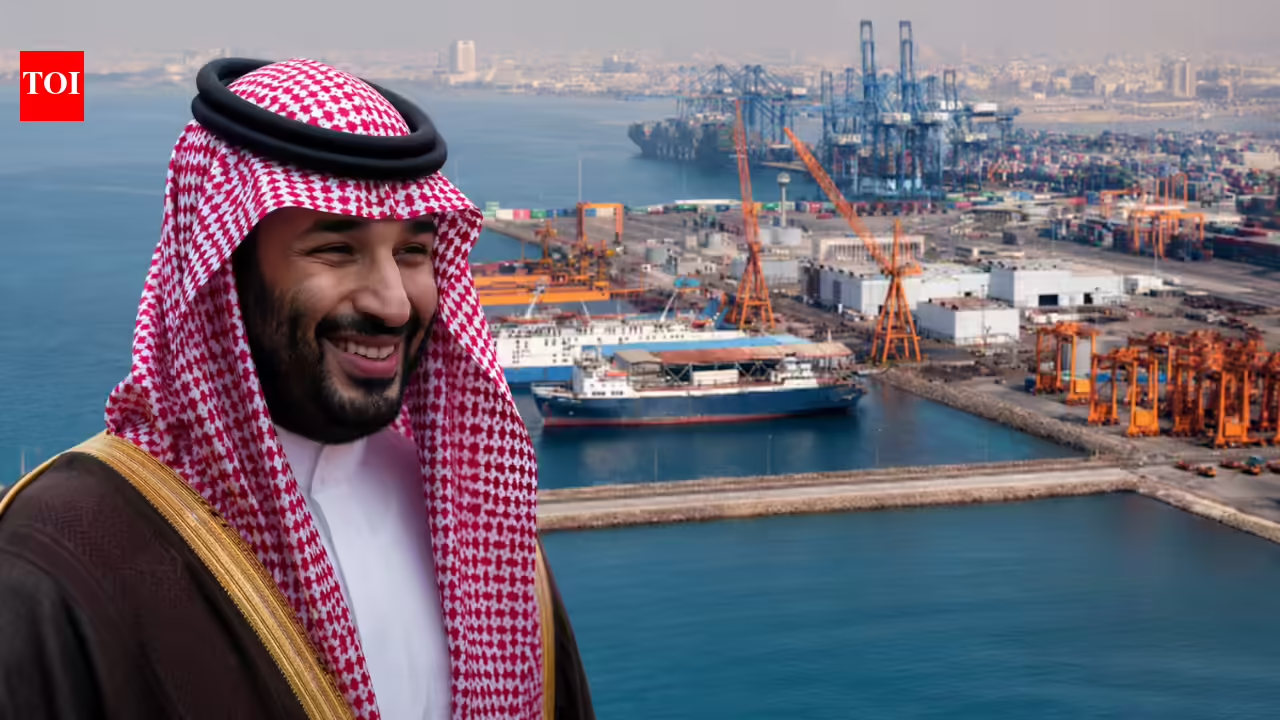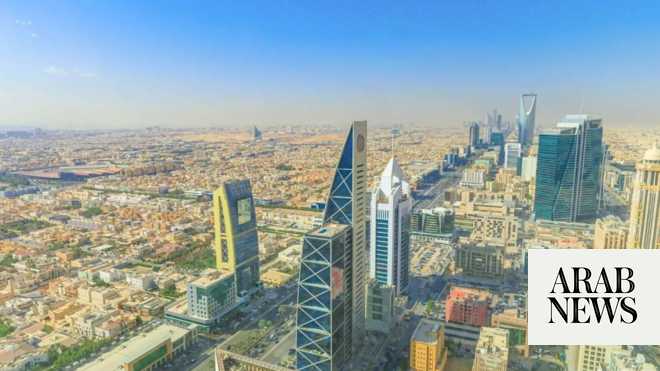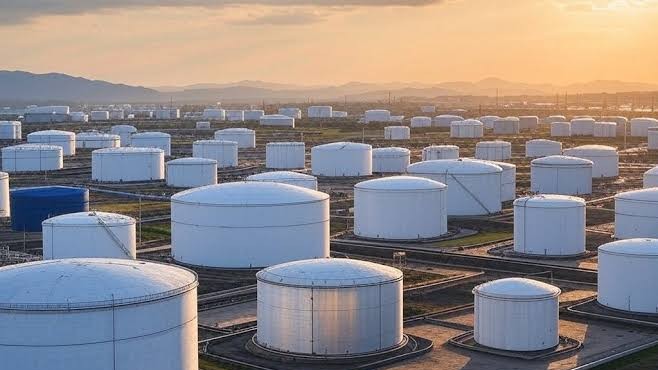
At a time when the Iran war is upending energy flows and roiling economies across the world, Saudi Arabia is scoring billions in added oil revenue and building on ambitions to become a trading hub.
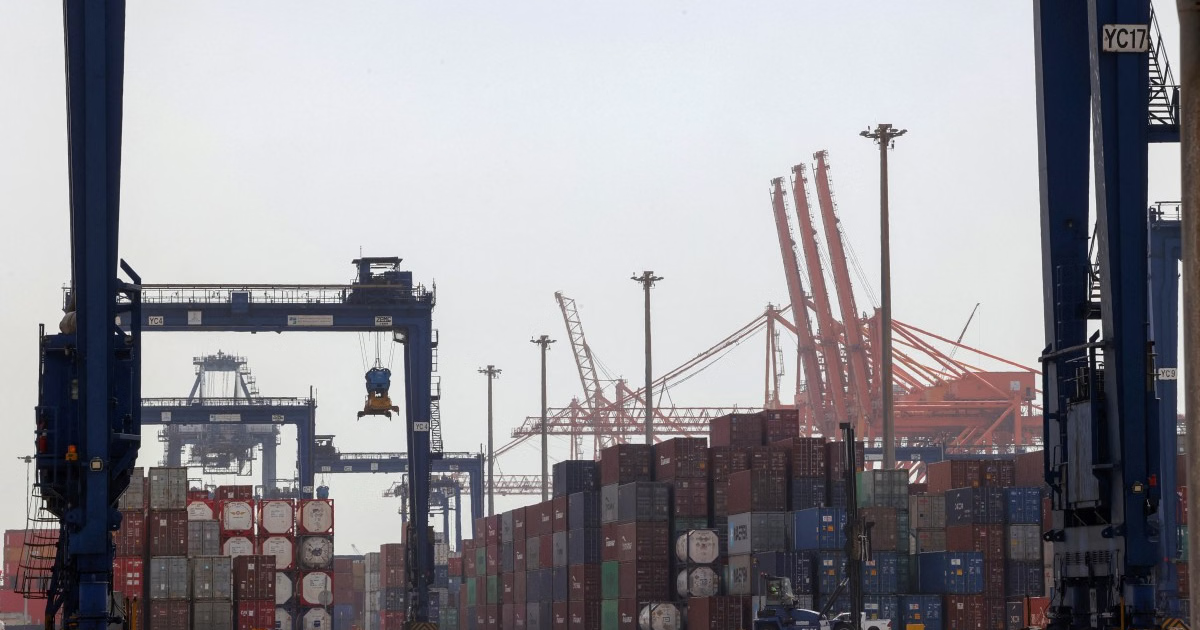
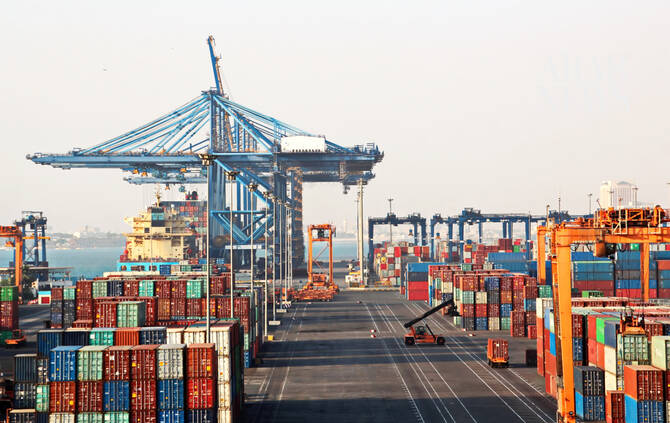
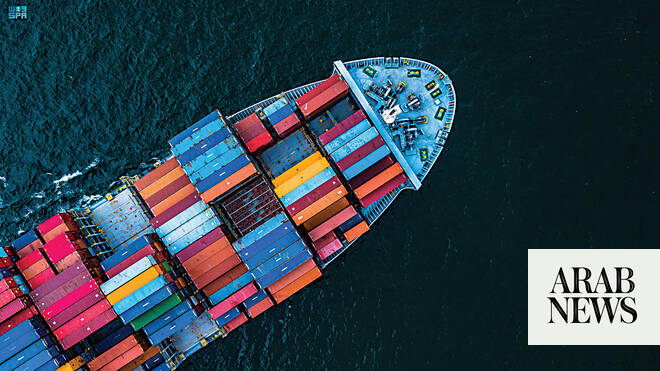
Even as the war has slowed economic growth and driven a jump in defense and logistics spending, surging oil prices combined with contingency planning have bolstered revenue. Simultaneously, the kingdom’s Red Sea coast has emerged as a vital corridor to bypass the Strait of Hormuz, which has been all but closed to commerce since the war began.
“Saudi Arabia has shown it is the indispensable Red Sea backstop,” said Hesham Alghannam, a Riyadh-based scholar at the Malcolm H Kerr Carnegie Middle East Center.That’s turning the Gulf nation into a key transit route for supply chains across the peninsula, a potential boost for Crown Prince Mohammed bin Salman’s $1.3 trillion economy. Despite those gains, the kingdom faces rising competition. Alternative trading routes are also developing on the eastern coast of the United Arab Emirates as well as in Oman. And both the UAE and Qatar have been ramping up their own energy flows.
Saudi Pipeline Keeps Some Gulf Oil Flowing | The Kingdom rushes to boost exports via its East-West pipeline to the Red Sea as the Strait of Hormuz remains at a near standstill