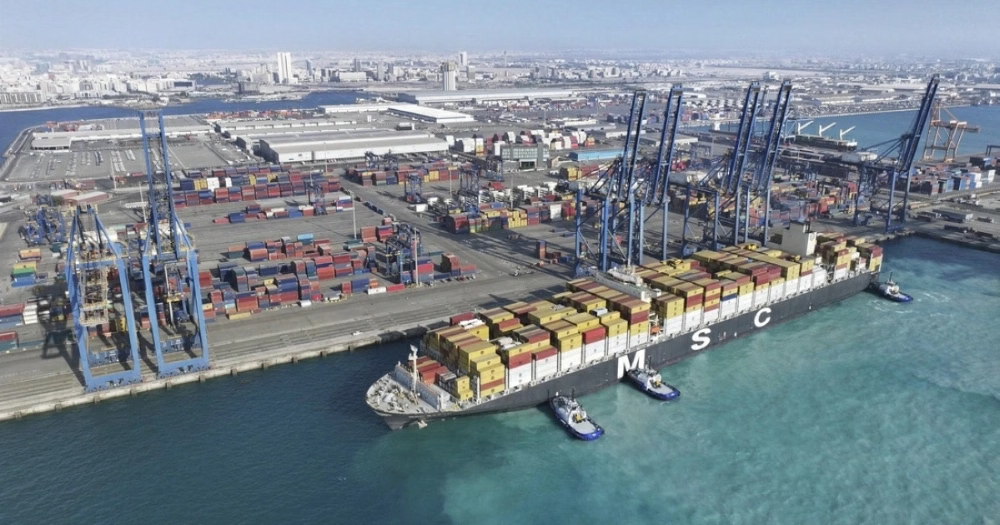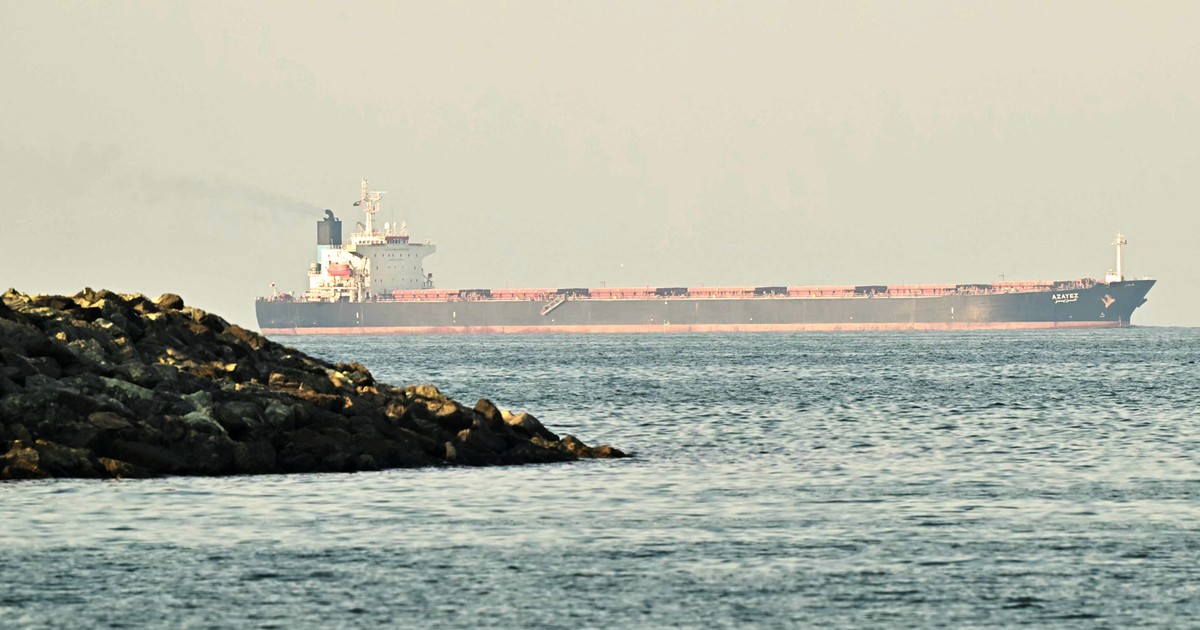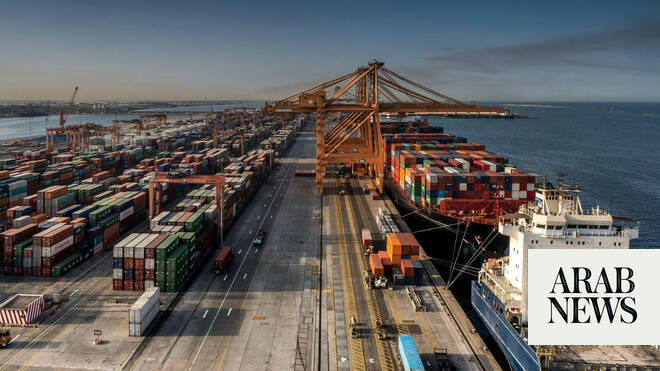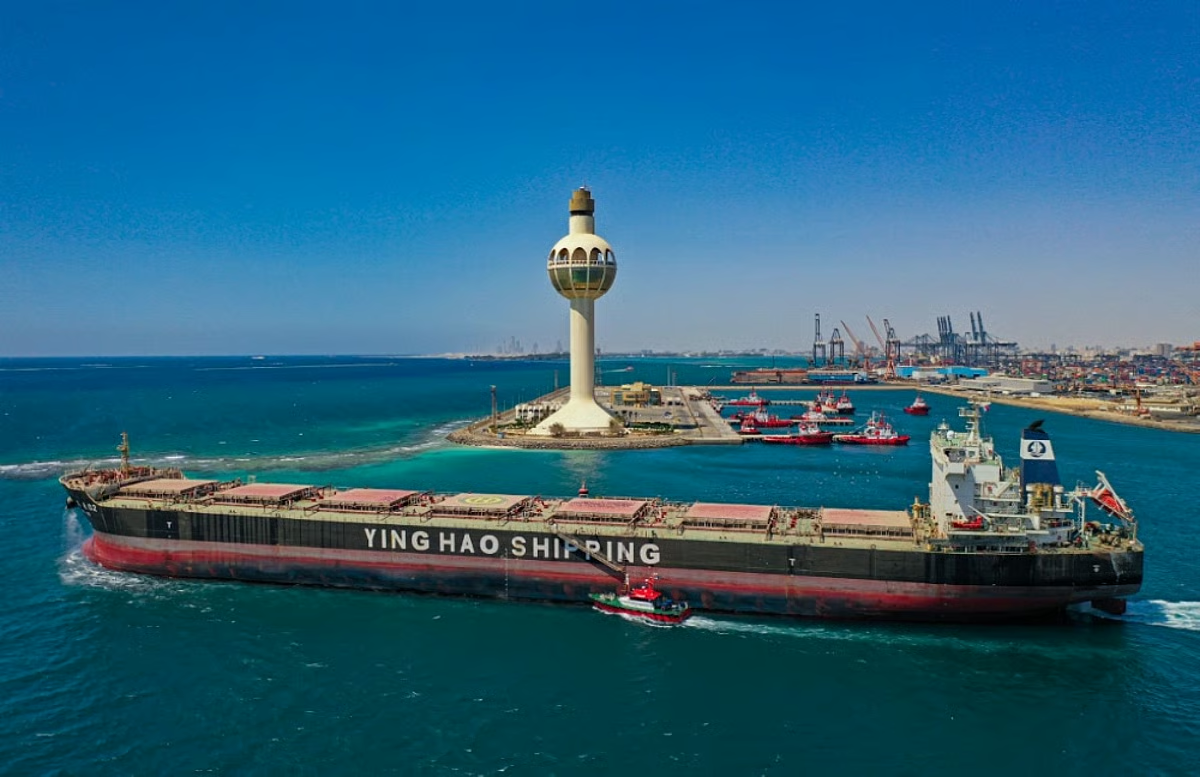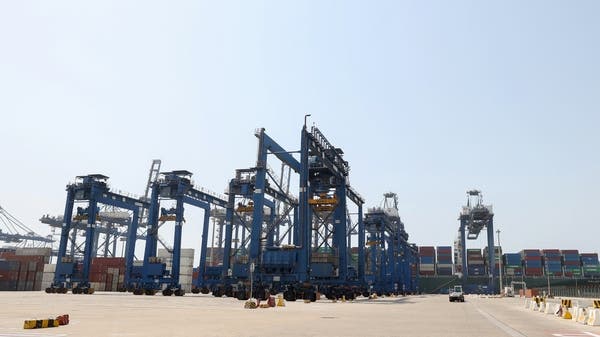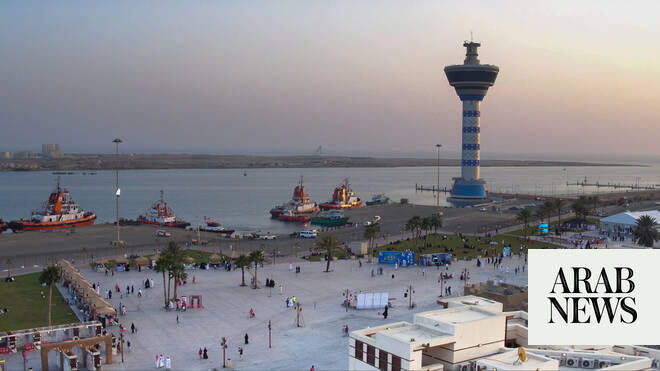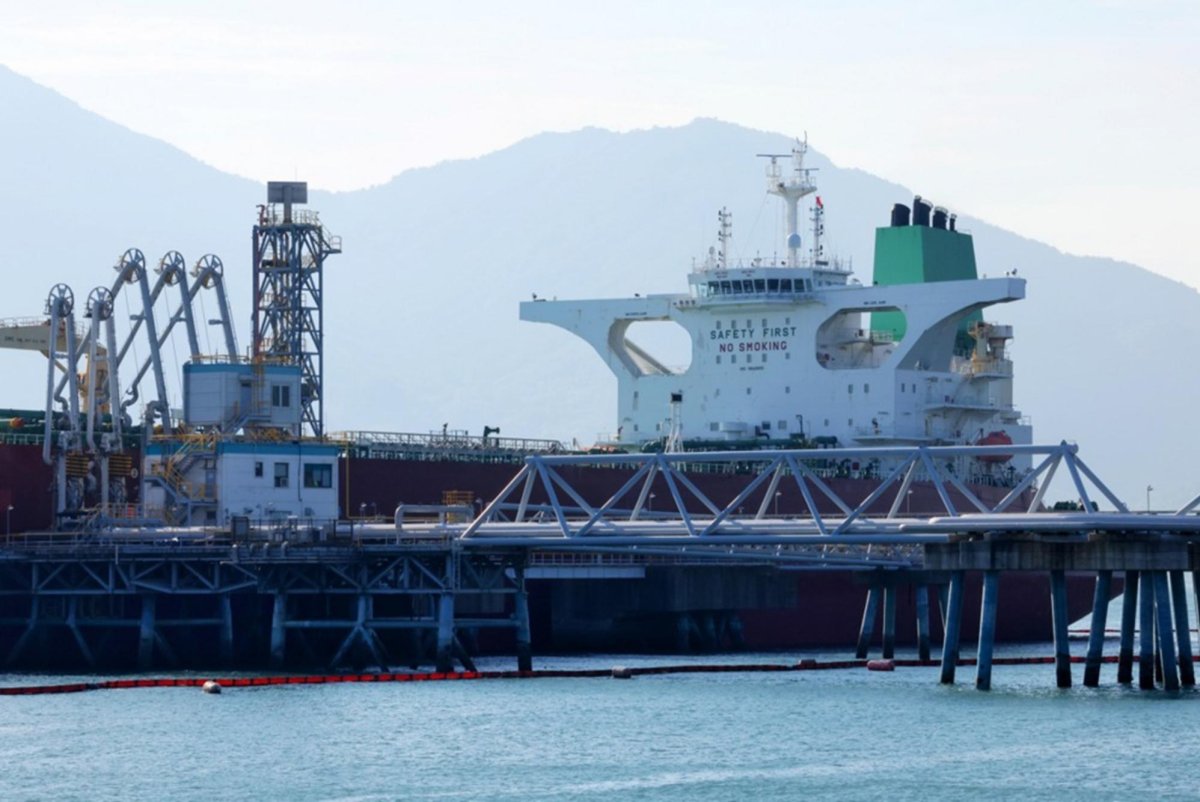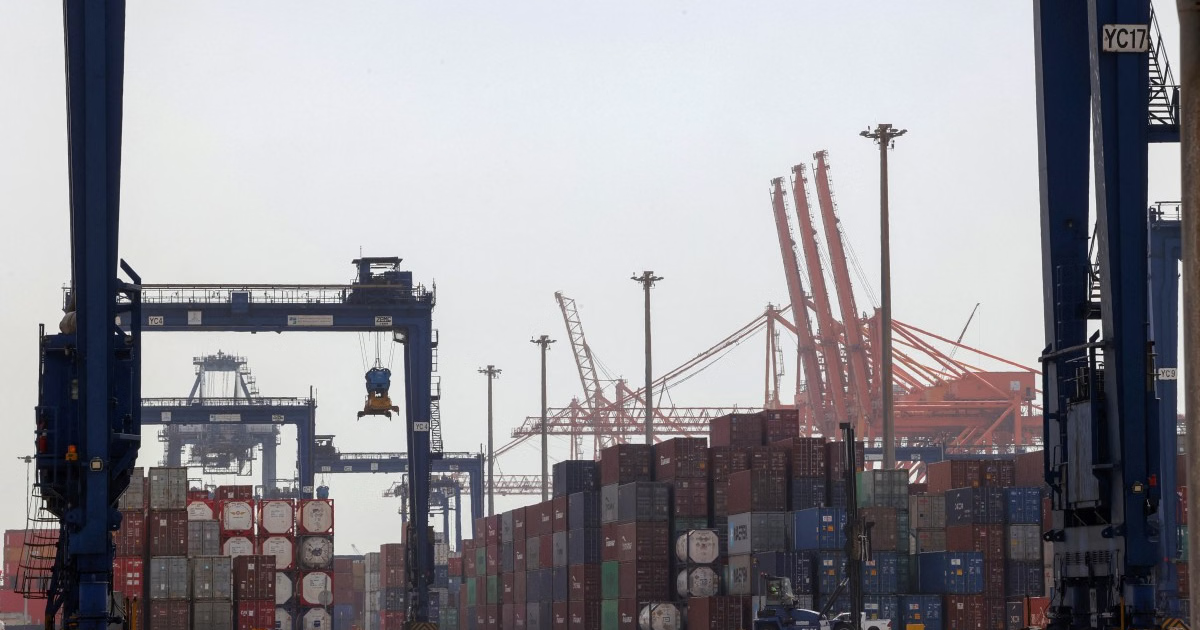
Dubai: Saudi Arabia is expanding cargo shipping routes across the Red Sea as the kingdom seeks to strengthen supply-chain resilience and reduce trade disruptions linked to growing security risks around the Strait of Hormuz.Get updated faster and for FREE: Download the Gulf News app now - simply click here.The Saudi Ports Authority, known as Mawani, has launched new cargo shipping services connecting Saudi ports with Oman, Djibouti, Egypt and Jordan as Gulf countries accelerate investments in logistics infrastructure and alternative maritime corridors.The expansion comes as shipping companies and governments across the Gulf reassess cargo routes amid continuing disruptions and security concerns around the Strait of Hormuz, one of the world’s most critical oil and trade chokepoints.Renewed focus on Red SeaSaudi Arabia has made logistics and transport infrastructure a central pillar of its Vision 2030 economic diversification strategy, which aims to transform the kingdom into a global trade and investment hub.The kingdom’s position along major maritime routes connecting Asia, Europe and Africa has become increasingly important as governments and businesses seek more reliable trade corridors after years of supply-chain disruptions.Red Sea routes have gained greater importance in recent months as shipping operators look for alternatives that can reduce exposure to Gulf shipping risks and improve cargo flexibility.Mawani has accelerated expansion plans across Saudi ports through new shipping services, infrastructure upgrades and partnerships aimed at improving cargo handling capacity and reducing transit times.Saudi Arabia has also increased investments in logistics zones, industrial corridors and transport infrastructure as competition intensifies among Gulf countries seeking to become dominant regional trade hubs.New shipping links in GCCThe service was launched in cooperation with Saudi shipping company Folk Maritime and petrochemicals giant SABIC.The Red Sea route is designed to improve trade connectivity while reducing cargo waiting times and increasing supply-chain efficiency for businesses operating across the Middle East and North Africa.The shipping line has a carrying capacity of up to 1,100 TEUs and is expected to support Saudi Arabia’s non-oil exports while expanding trade opportunities for locally produced goods, including agricultural products.Mawani said the route would help strengthen the competitiveness of Saudi exports by lowering shipping costs and shortening delivery times.Competition for Gulf hubsSaudi Arabia’s shipping expansion reflects broader competition among Gulf countries investing heavily in ports, maritime infrastructure and logistics services.The strategy aims to increase the contribution of transport and logistics to Saudi Arabia’s economy while improving connectivity between ports, airports, railways and industrial centres.It also seeks to position the kingdom among the world’s leading logistics hubs by improving operational efficiency and attracting foreign investment into infrastructure and shipping services.Analysts say expanding regional shipping routes could help Saudi Arabia strengthen trade ties with neighbouring markets while reducing dependence on longer international shipping routes.Red Sea turns more strategicThe new routes also highlight the growing strategic importance of the Red Sea for global trade, particularly for cargo moving between Europe and Asia through the Suez Canal.Regional ports are increasingly competing on efficiency, turnaround times and integrated logistics services as shipping companies seek faster and more reliable trade corridors.Saudi Arabia has also been investing in digital systems, customs reforms and port automation to improve operational performance and attract additional shipping lines.King Fahd Industrial Port in Yanbu remains one of the kingdom’s most important industrial export gateways and one of the largest Red Sea ports for loading crude oil and petrochemical products.The port has an annual handling capacity of around 210 million tonnes and supports exports from major industrial facilities in western Saudi Arabia.The latest shipping services are expected to further expand Saudi Arabia’s maritime connectivity while reinforcing its ambitions to become a central logistics gateway linking Asia, Europe and Africa.Justin is a personal finance author and seasoned business journalist with over a decade of experience. He makes it his mission to break down complex financial topics and make them clear, relatable, and relevant—helping everyday readers navigate today’s economy with confidence.
Saudi Arabia now ships more via Red Sea as trade steers away from Hormuz
Saudi Arabia boosts Red Sea shipping routes to bypass Hormuz risks, expand port links with Oman, Djibouti, Egypt and Jordan, and advance its Vision 2030 logistics goals.
676 words~3 min read