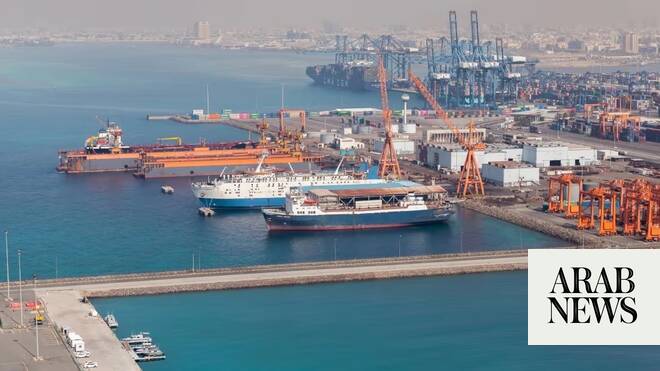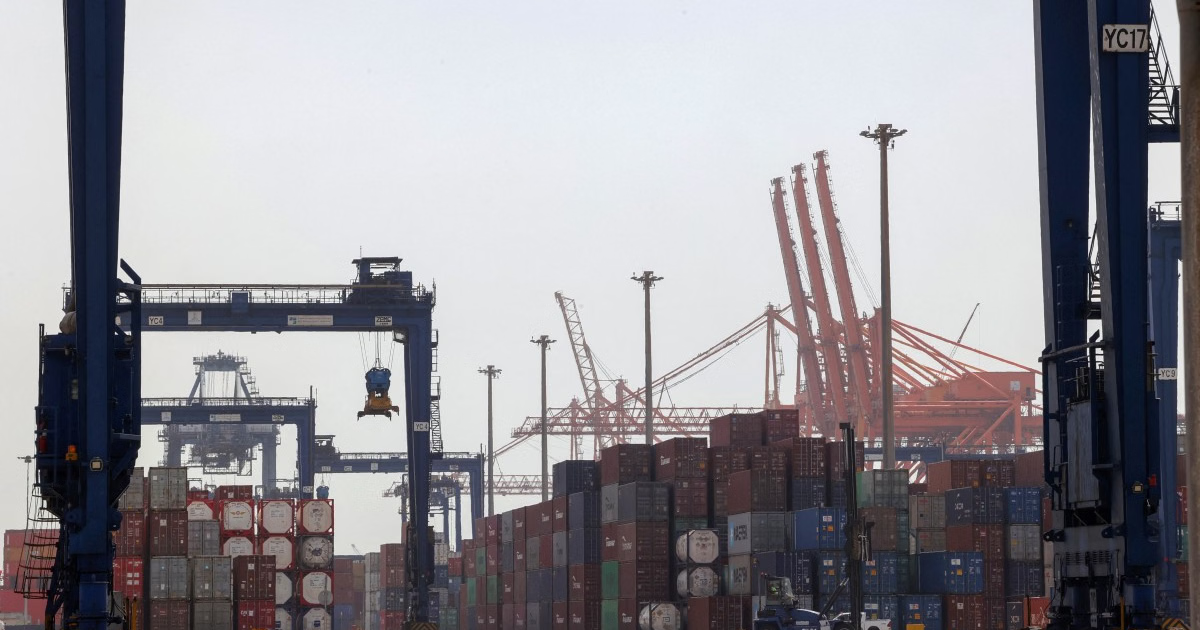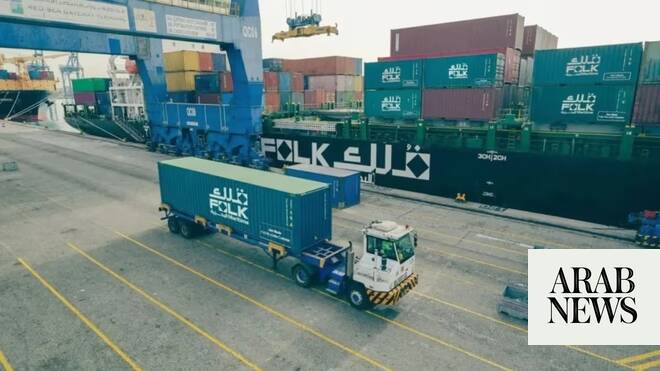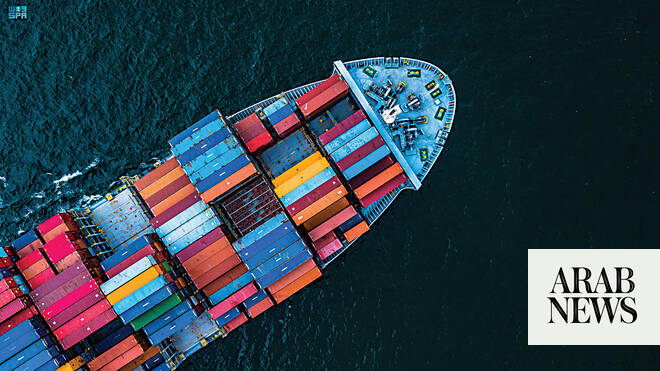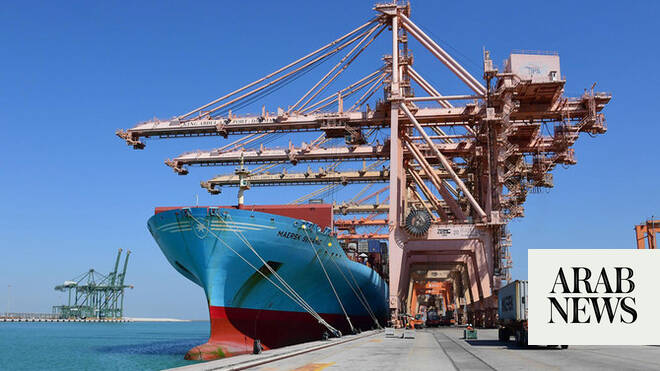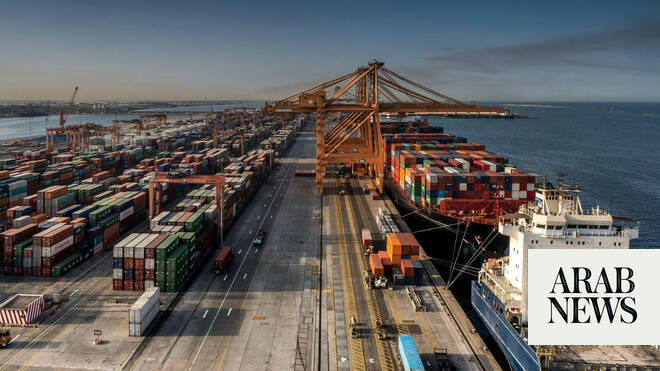
RIYADH: Preliminary estimates suggest that several global shipping lines could reroute part of their operations to Saudi Arabia’s Red Sea ports, potentially adding 250,000 containers and 70,000 vehicles per month, according to Rayan Qutub, head of the Logistics Council at the Jeddah Chamber of Commerce, in an interview with Al-Eqtisadiah.
“Any disruption in the Strait of Hormuz not only affects maritime traffic in the Arabian Gulf but could also reshape global trade routes,” Qutub said, highlighting the strait’s status as one of the world’s most critical maritime chokepoints for energy and goods transport.
With rising regional tensions, international shipping companies are reassessing their routes, adjusting shipping lines, or exploring alternative sea lanes. This signals that the current challenges extend beyond the Arabian Gulf, impacting the global supply chain as a whole.
Limited impact on US, European shipments
The effects of these developments will not be uniform across trade routes. Qutub noted that goods from China and India, which rely heavily on routes through the Arabian Gulf, are most vulnerable to disruption. In contrast, shipments from Europe and the US typically traverse western maritime routes via the Suez Canal and the Red Sea, making them less susceptible to regional disturbances.