In Cambodia, as elsewhere, few political developments can be understood in isolation. Two events in particular over the last 24 hours are worth reading together.
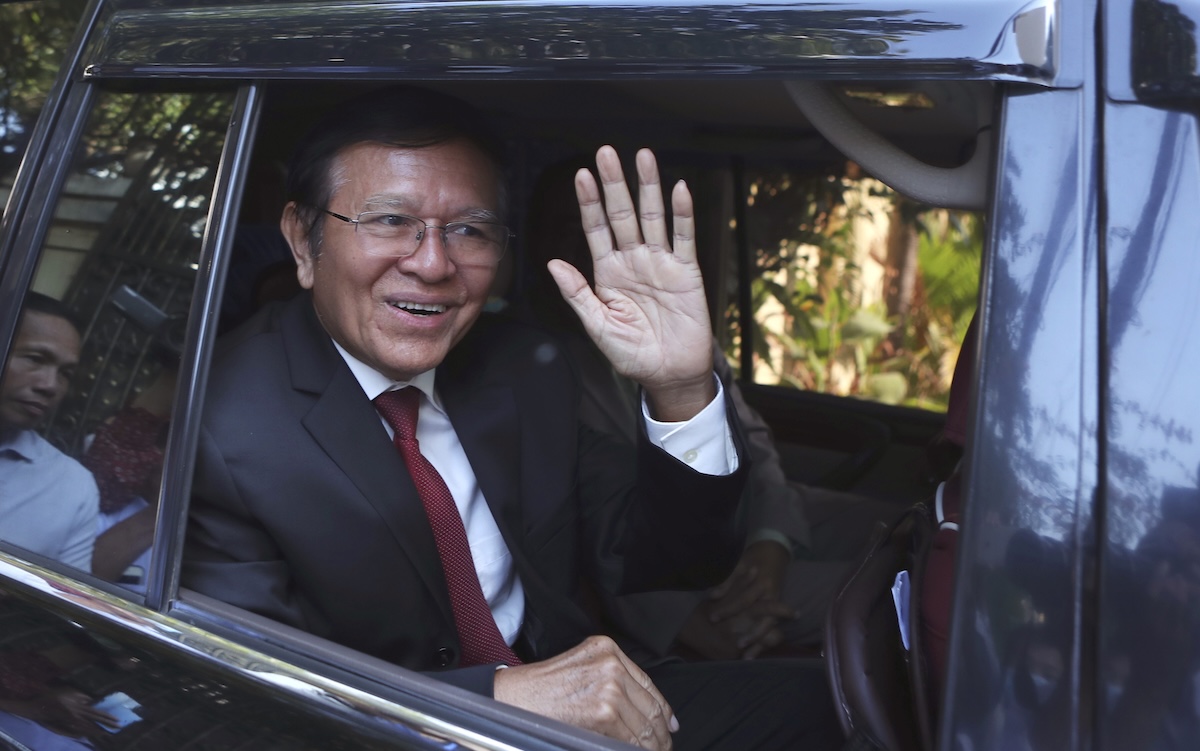
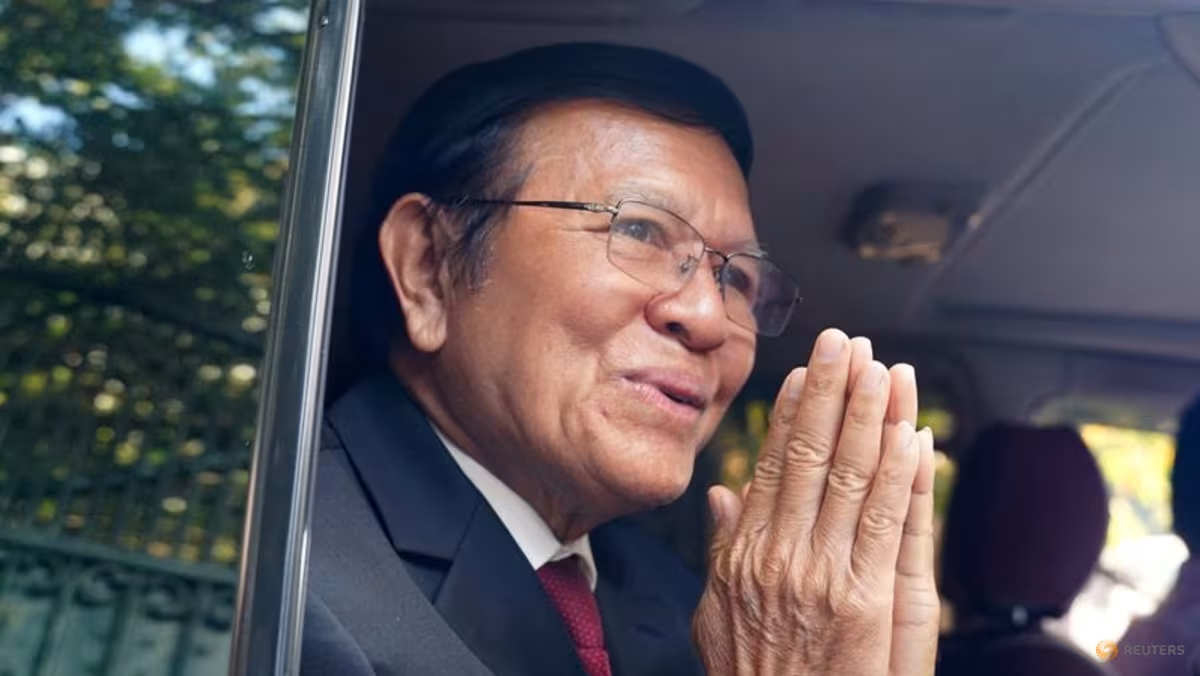
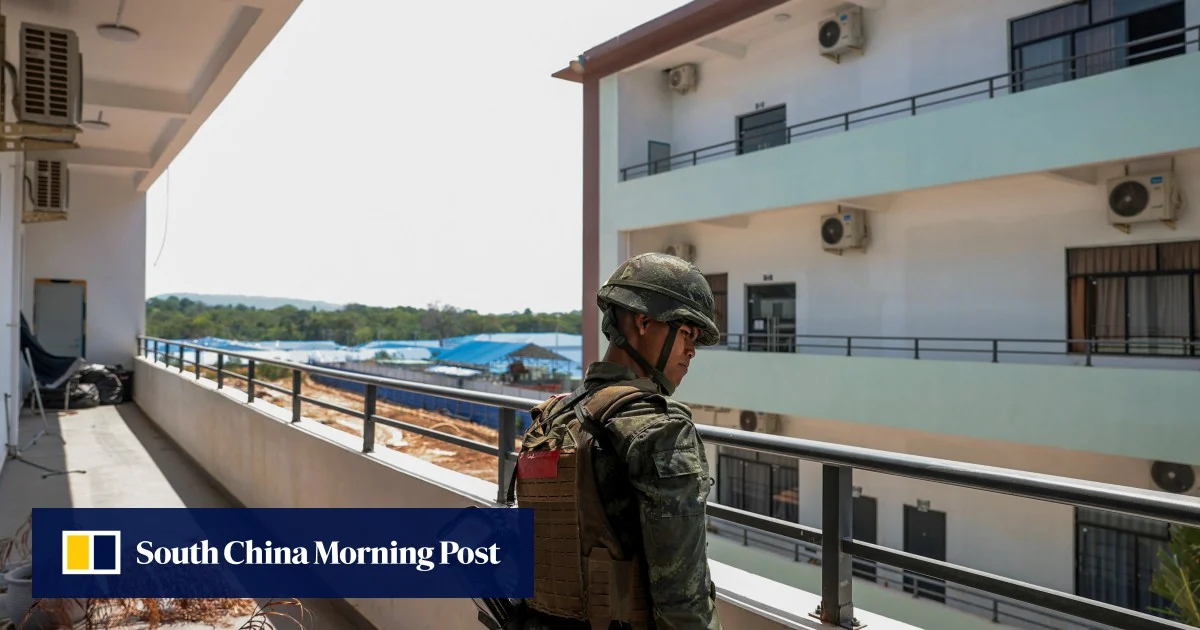
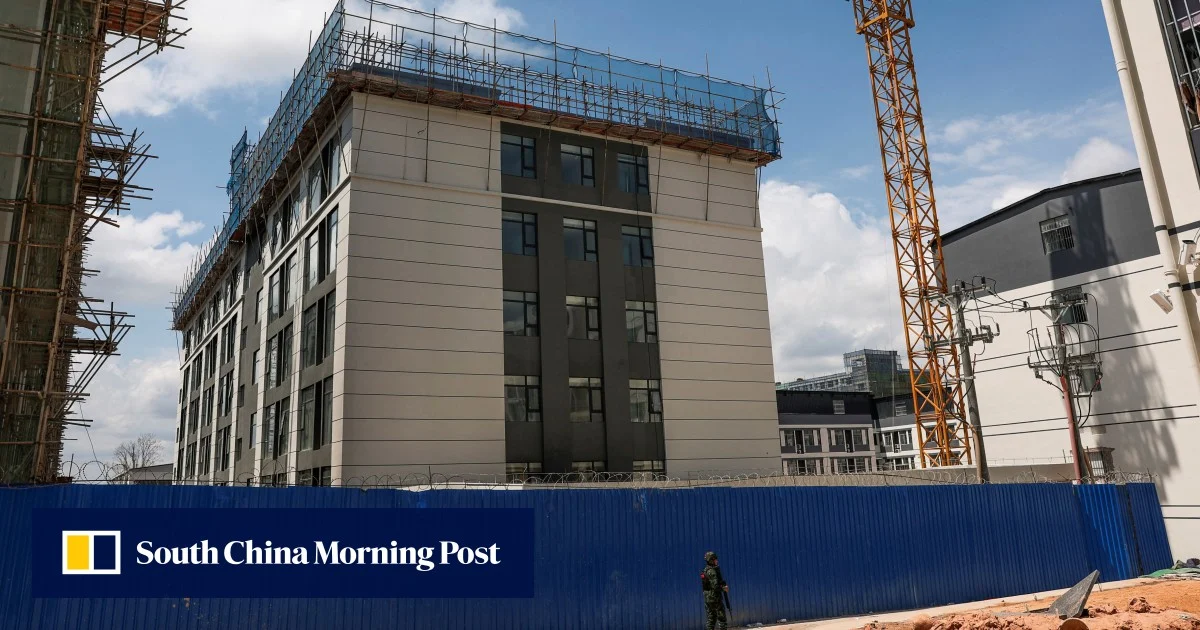
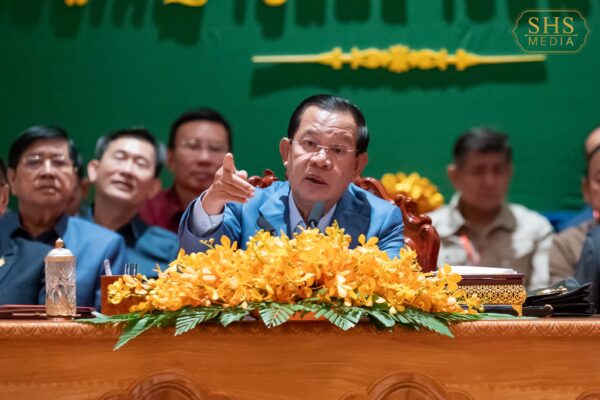
First came an unusually forceful statement from Hun Sen, Cambodia’s former prime minister, current Senate president, and still-dominant political figure, about online scam networks. In his remarks, Hun Sen urged authorities not only to arrest those directly involved in online fraud operations, but also to pursue officials who profit from them. Soon after came the announcement of a royal pardon for Kem Sokha, the former president of the Cambodia National Rescue Party and the country’s most visible imprisoned opposition figure.
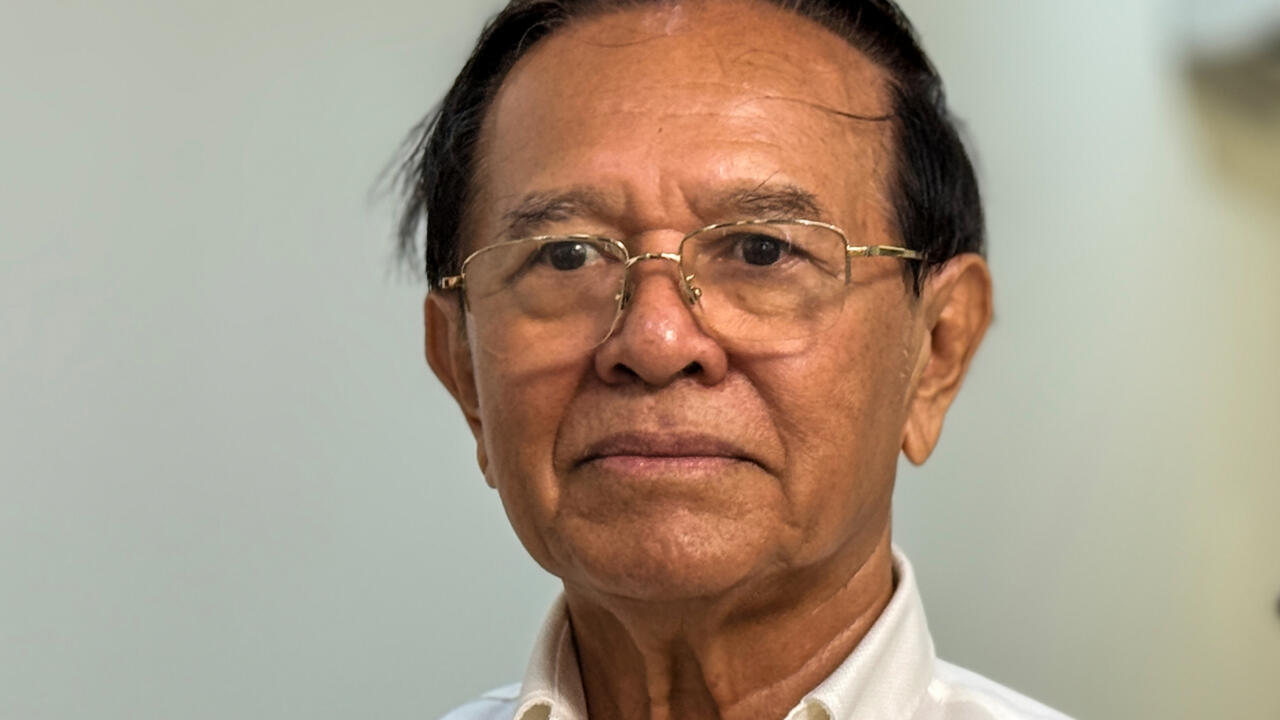
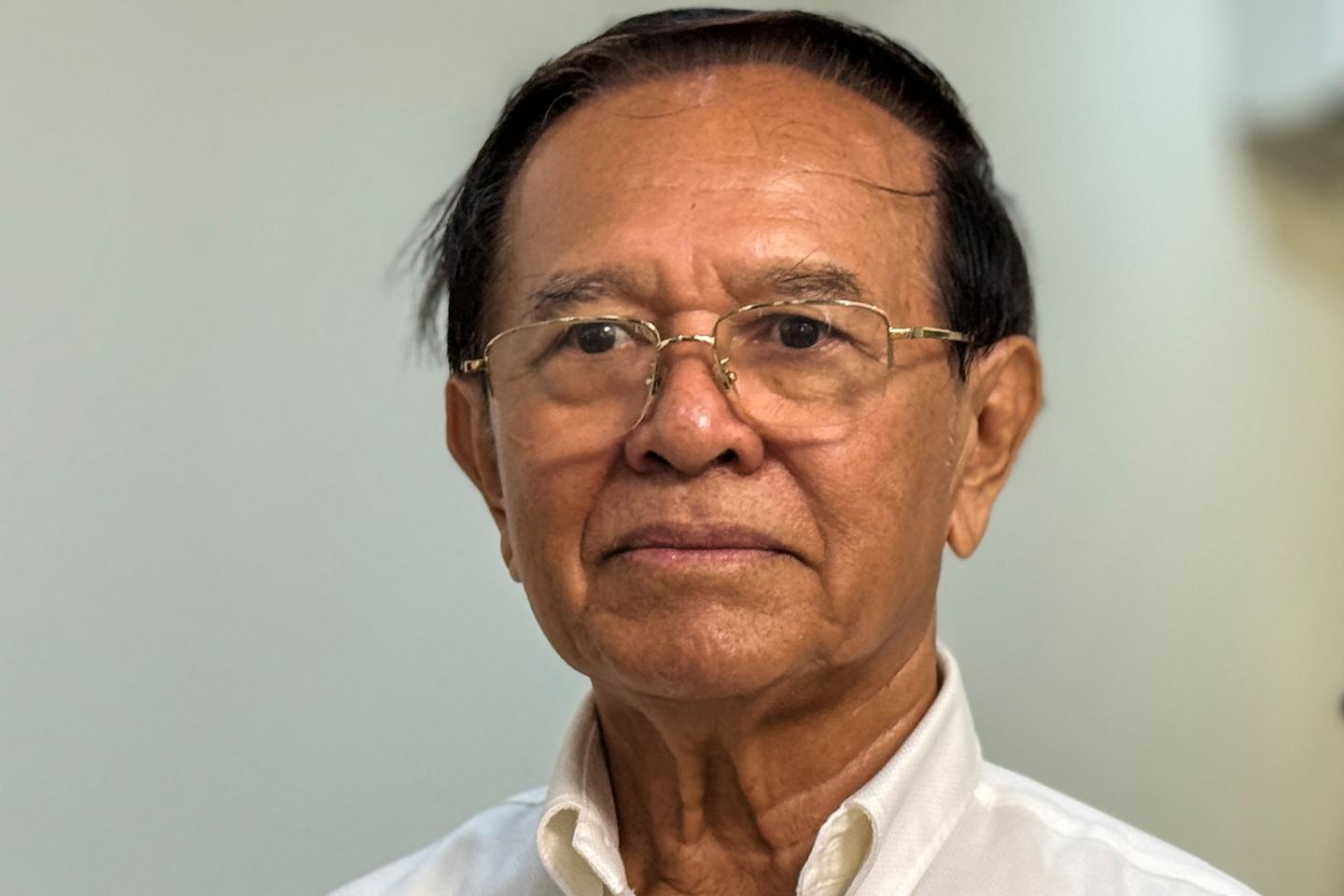
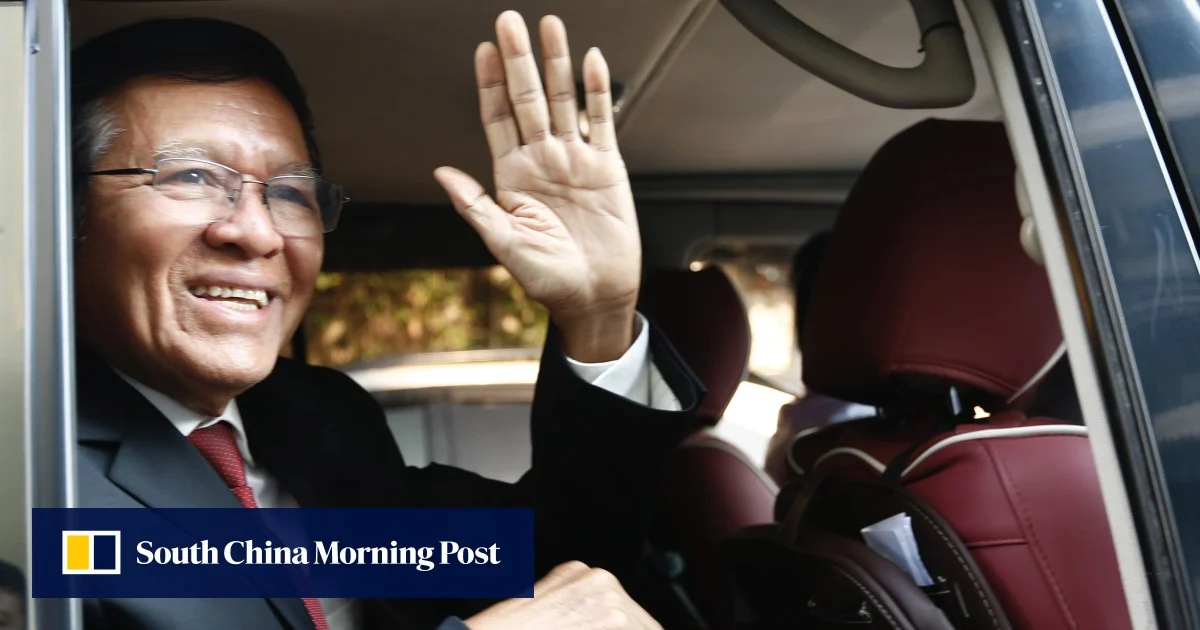
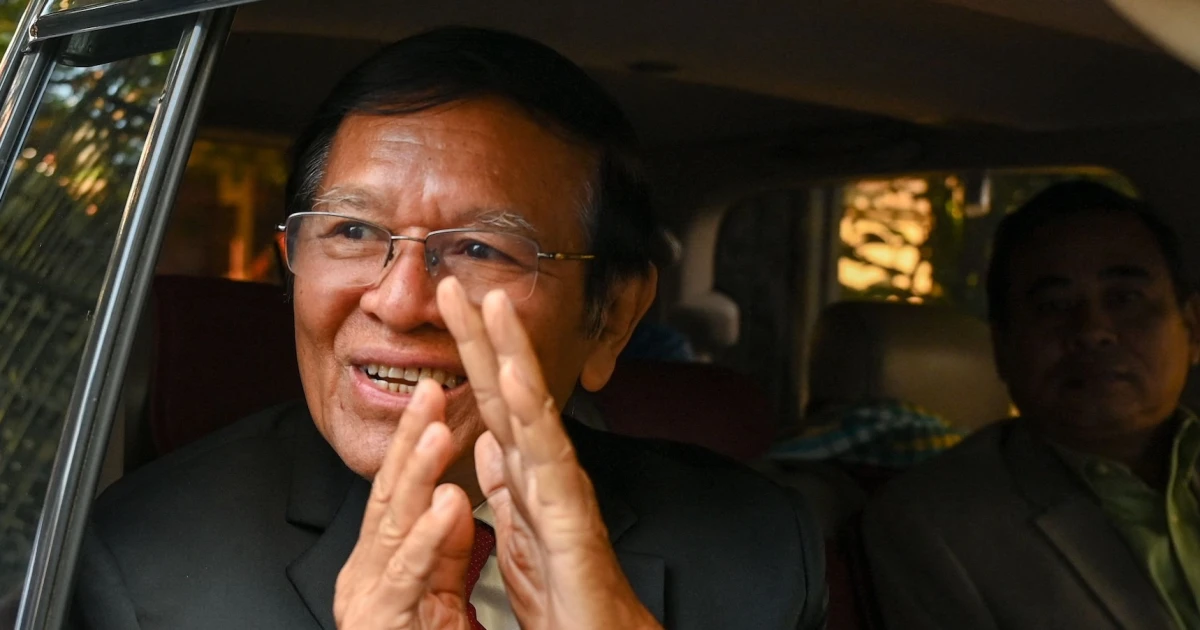
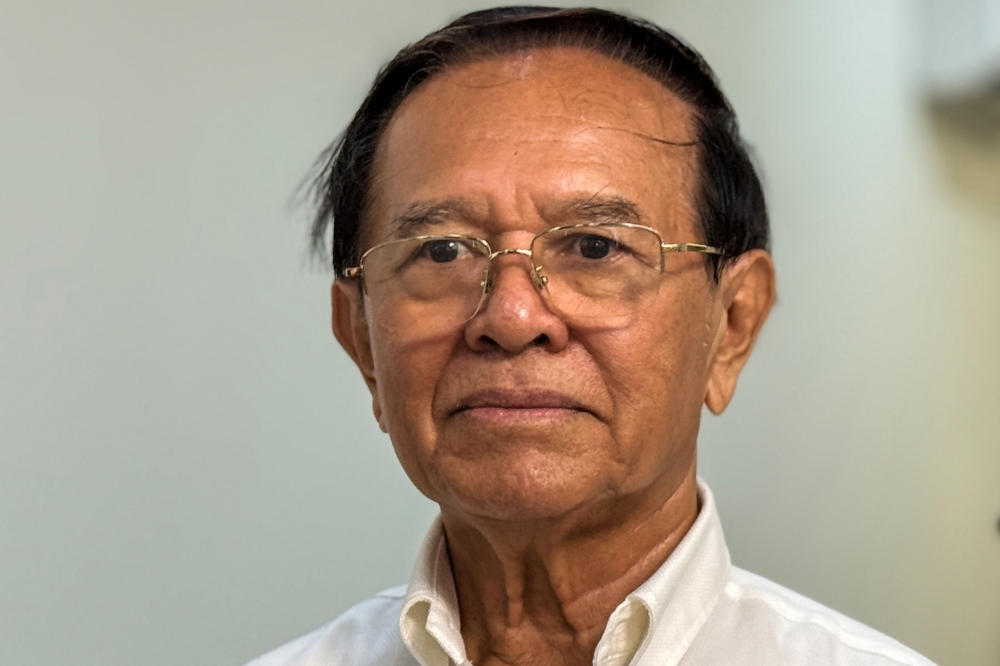
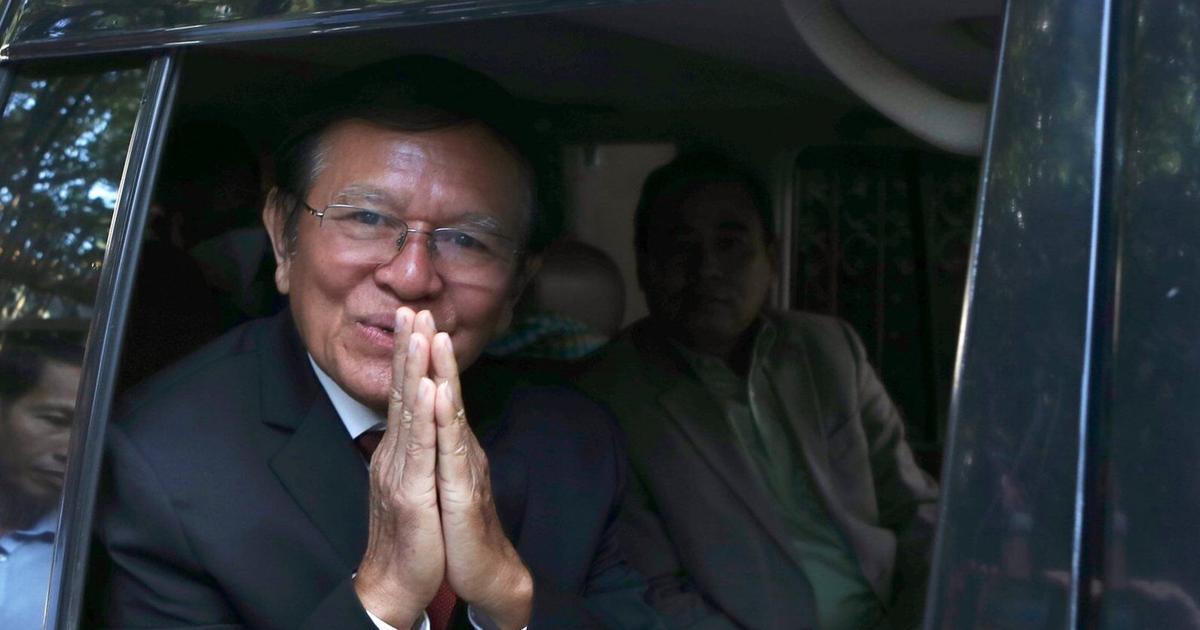
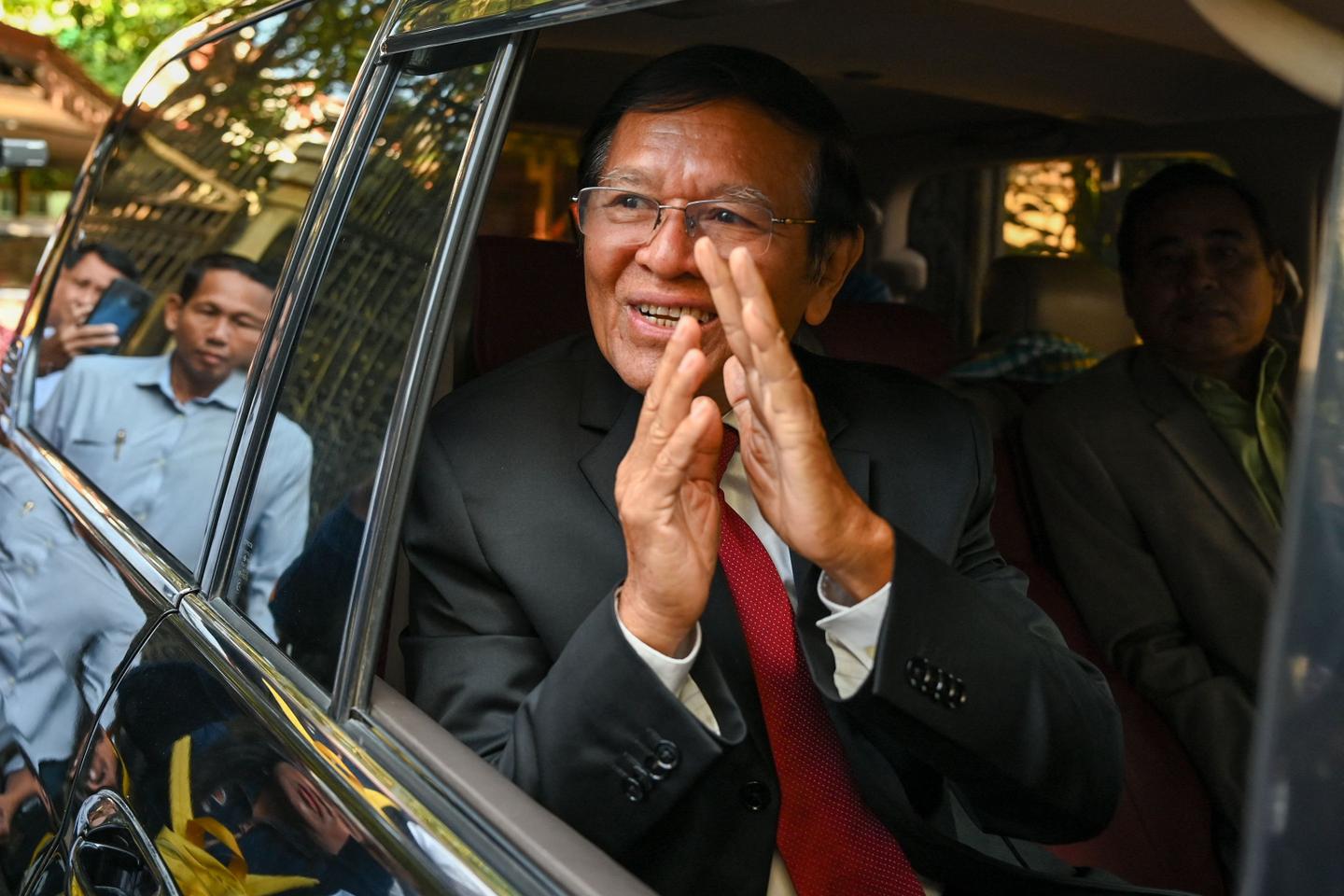
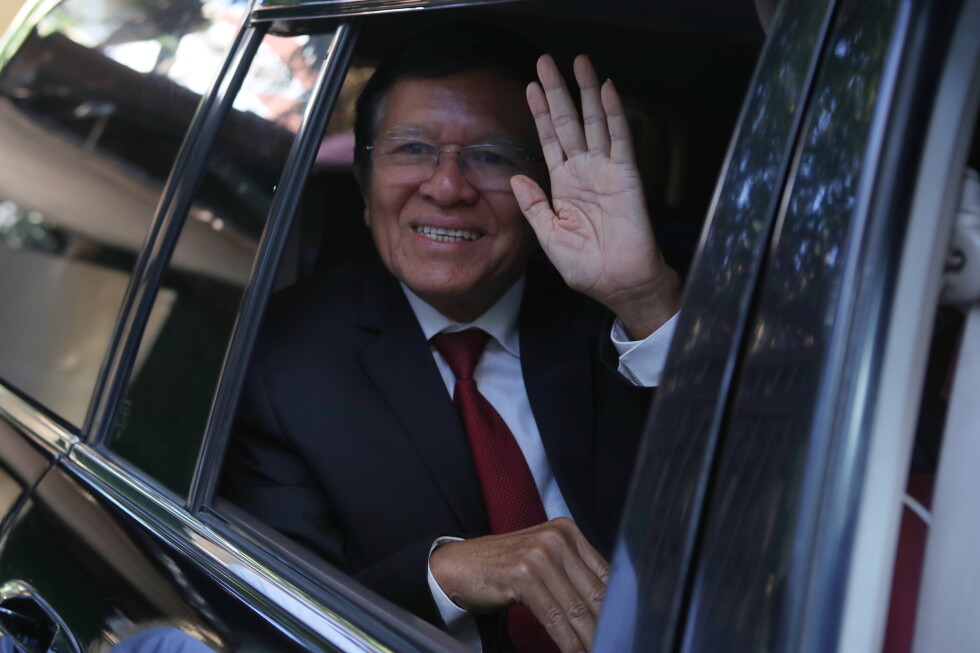
For Kem Sokha, his family, and those who have stood with him through years of political persecution, the pardon cannot be viewed cynically. His case has long symbolized the Cambodian government’s systematic dismantling of democratic opposition. A 27-year treason sentence, imposed after a prosecution widely understood as politically motivated, was a message to every Cambodian who might imagine a political future outside the ruling party’s control. His family, colleagues, and supporters have lived for years under the shadow of that message. Any easing of that burden matters.