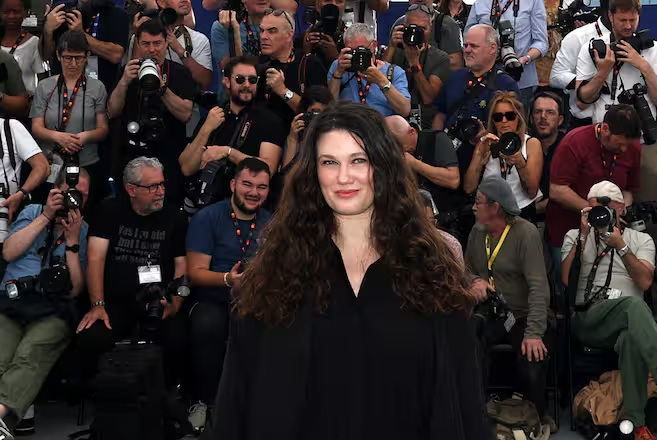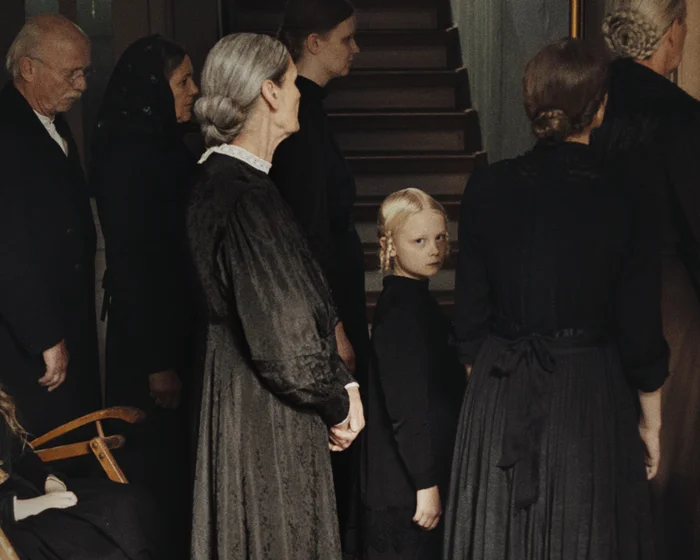
Mascha Schilinski is a formidable new directorial force on the world stage. Her second feature, Sound of Falling, arrives on Australian shores laden with international film festival awards.In an era of media overload, the movie’s success highlights discerning filmgoers’ yearning for intelligent and thought-provoking entertainment.After premiering in competition at the 2025 Cannes Film Festival, where it won the Jury Prize, the film has taken home prizes at the European film awards, and at the Chicago, Stockholm and Athens film festivals. These honours are not surprising. As fearless as Michael Haneke, as poetic as Terence Davies and as esoteric as David Lynch, the young German filmmaker has delivered a bold, powerful and often profound treatise on cyclical trauma and shared history.
Mascha Schilinski, director, Sound of Falling
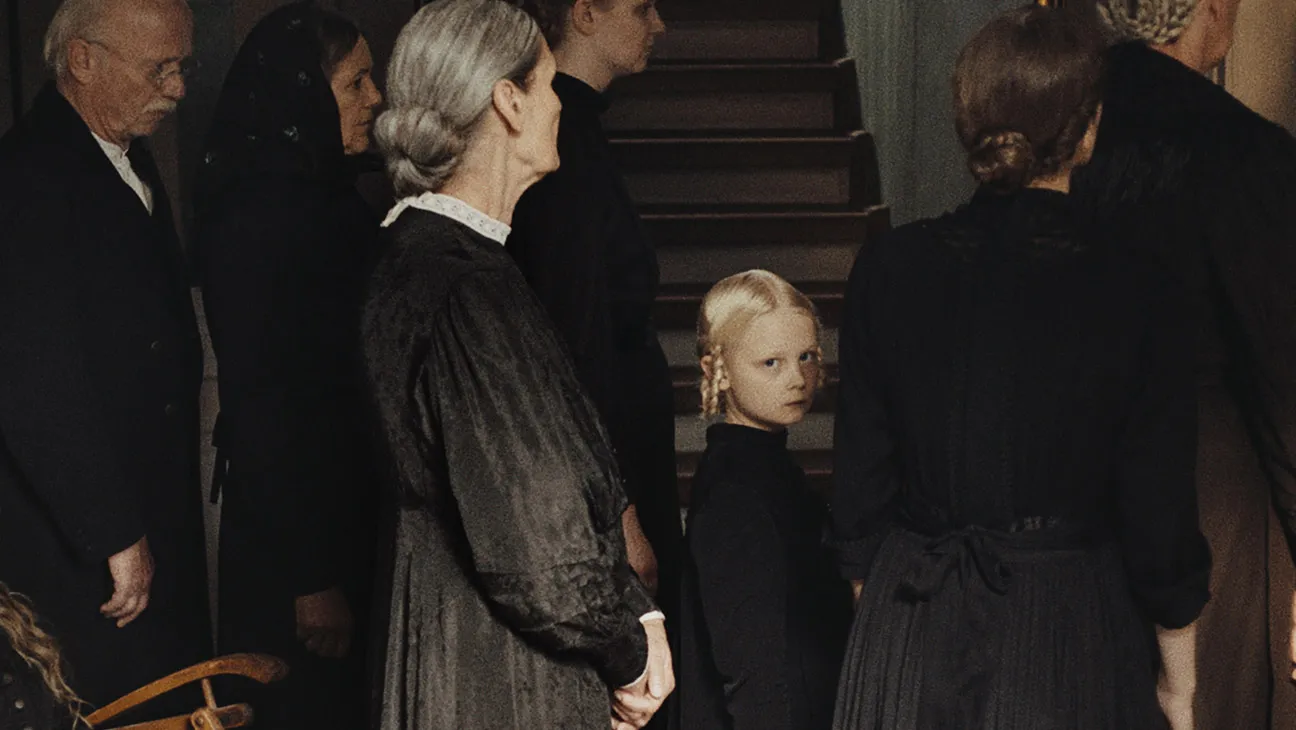
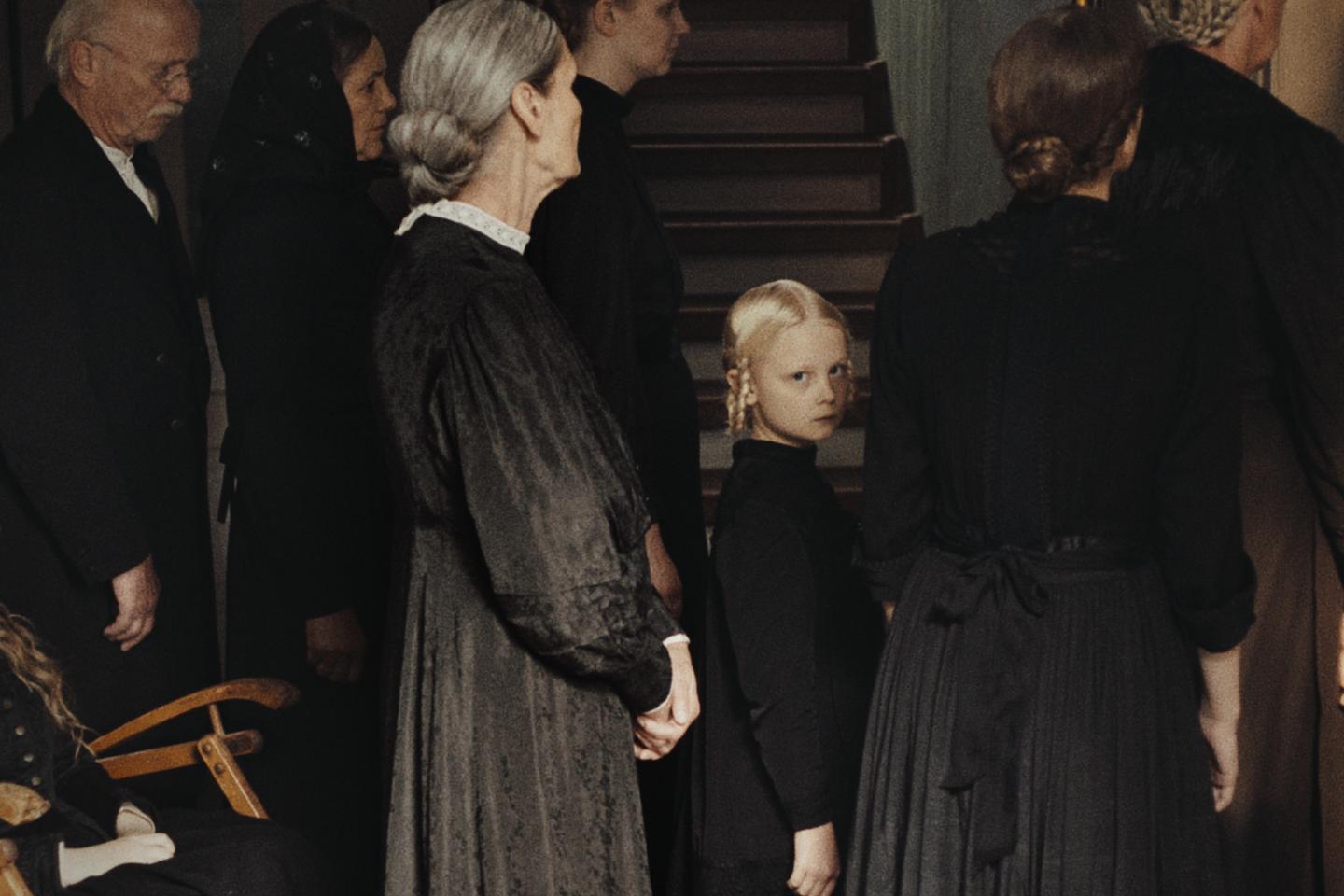
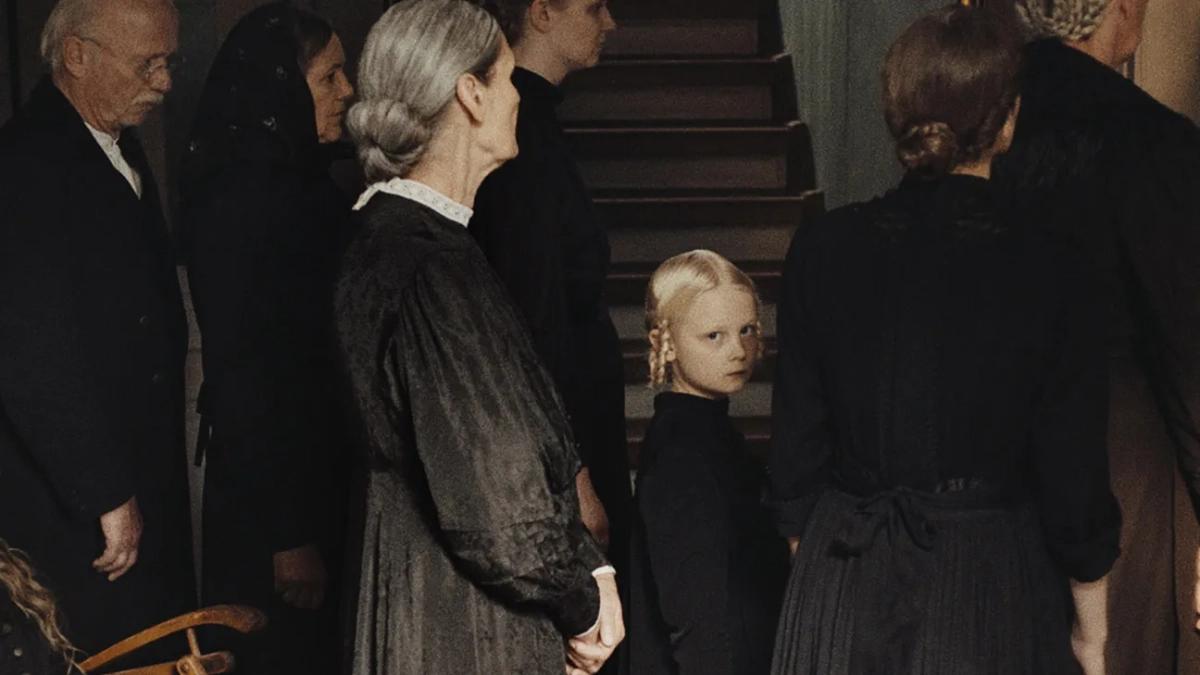
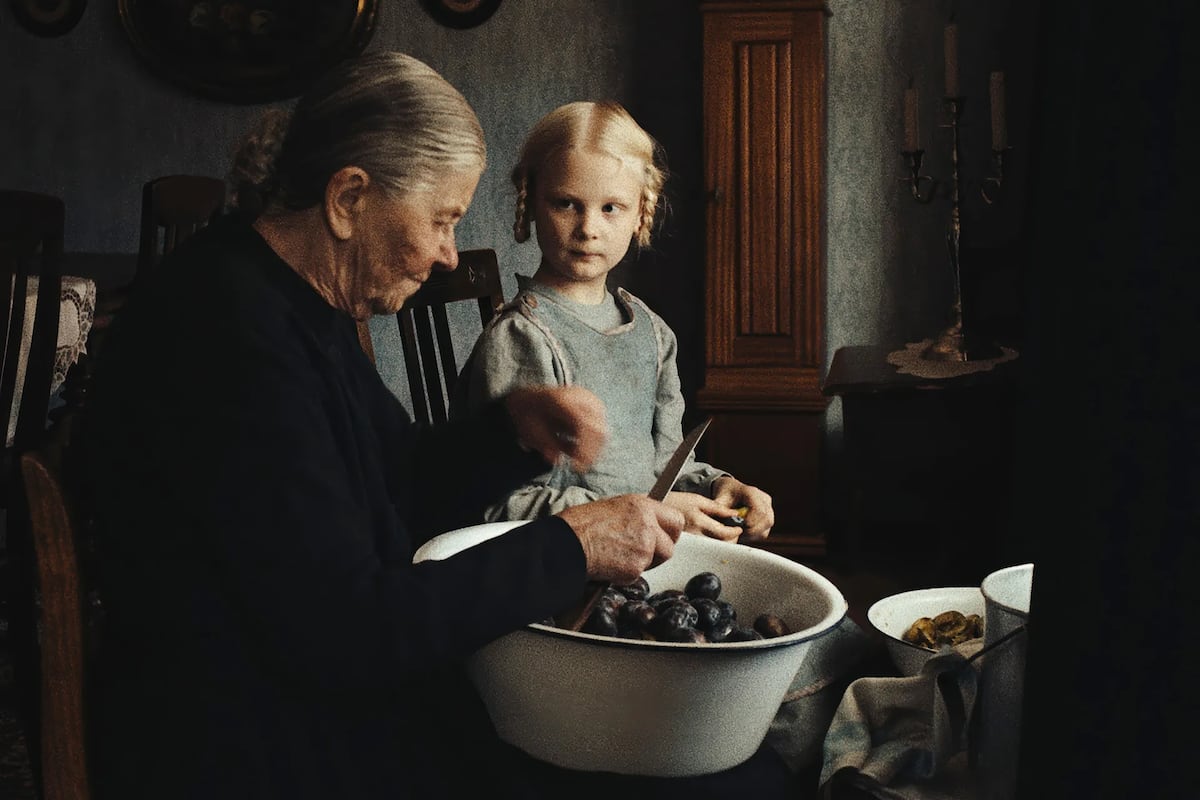
Some films are designed to be seen at the cinema, without the multi-screen distractions that are now part of everyday home viewing. Sound of Falling is one such experience.The film’s sound design, exquisite visual composition and moral and emotional complexities reward focused big-screen viewing, and signpost not only a growing movement in contemporary European cinema toward more intimate narratives, but a rejection of low-commitment entertainment.Richard Linklater’s Nouvelle Vague and Jodie Foster’s feminist noir A Private Life are further examples of intelligent movie making that doesn’t pander to its audience. Instead, such films treat the viewer with respect in not only the stories they tell, but the way they tell them. These films deserve to be seen in a full auditorium, enhanced by a shared cinematic experience.Sound of Falling is an epic undertaking, and its intricate non-linear form of storytelling benefits from uninterrupted viewing in a darkened theatre. At more than two and a half hours long, it’s a big commitment. The film, spanning four eras from before the first world war to the 21st century, focuses on the lives of four young girls, Alma (Hanna Heckt), Erika (Lea Drinda), Angelika (Lena Urzendowsky) and Lenka (Laeni Geiseler), who spend their formative years on the same farm in northern Germany, albeit generations apart.