See more Daily Mail on Google - save us as a Preferred SourceBy MELISSA KOENIG, US REPORTER Published: 23:47 BST, 25 May 2026 | Updated: 00:54 BST, 26 May 2026
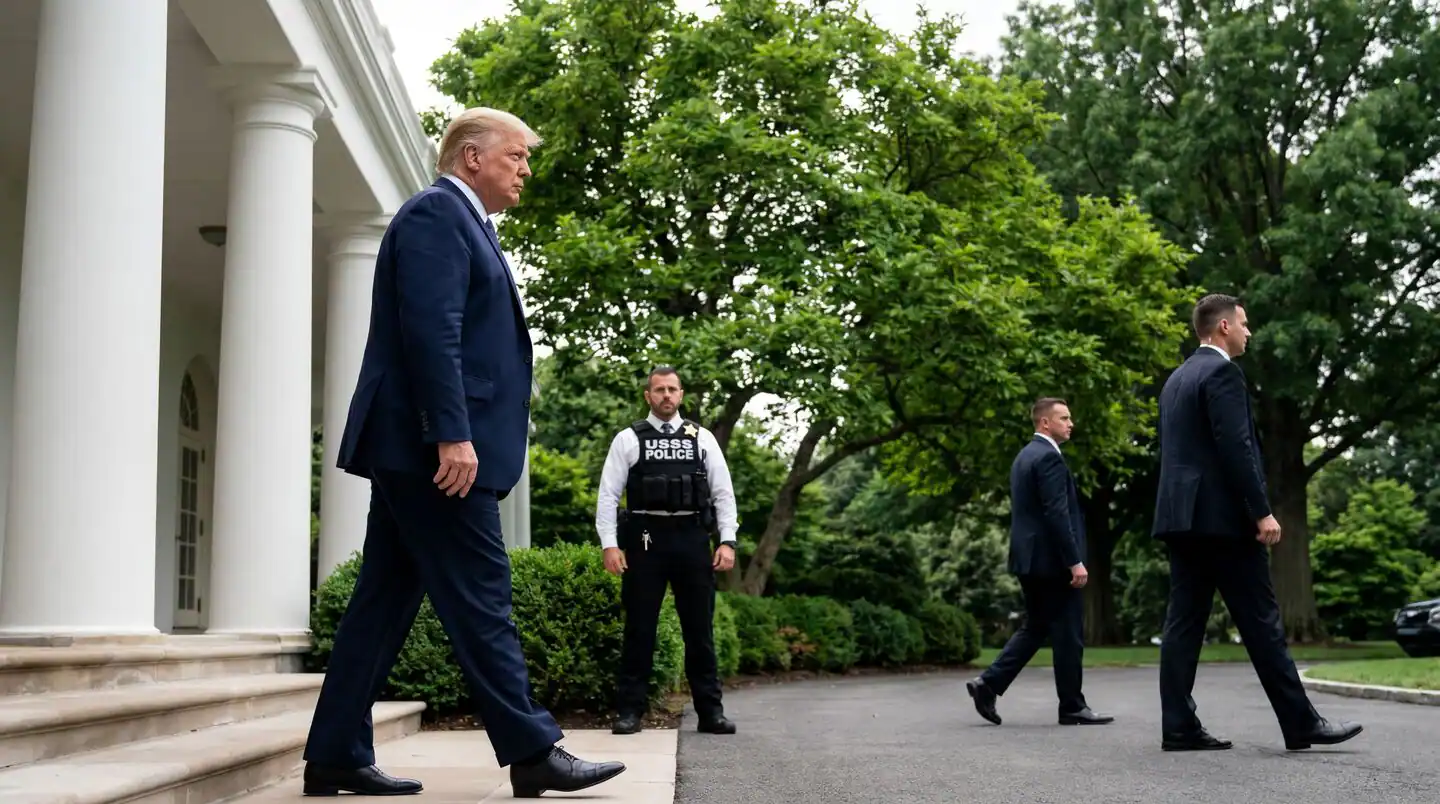
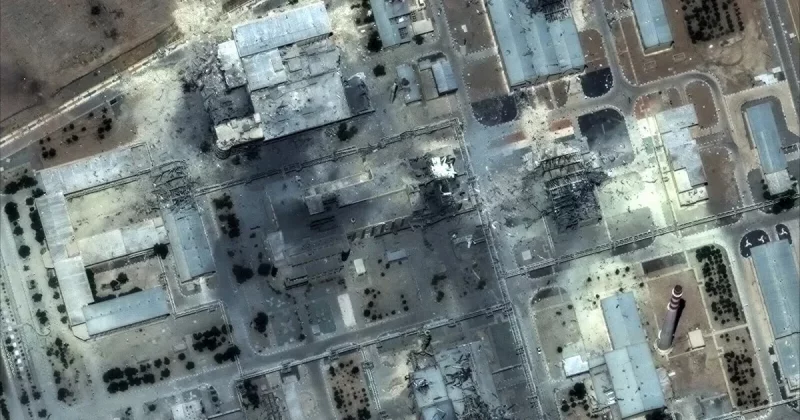
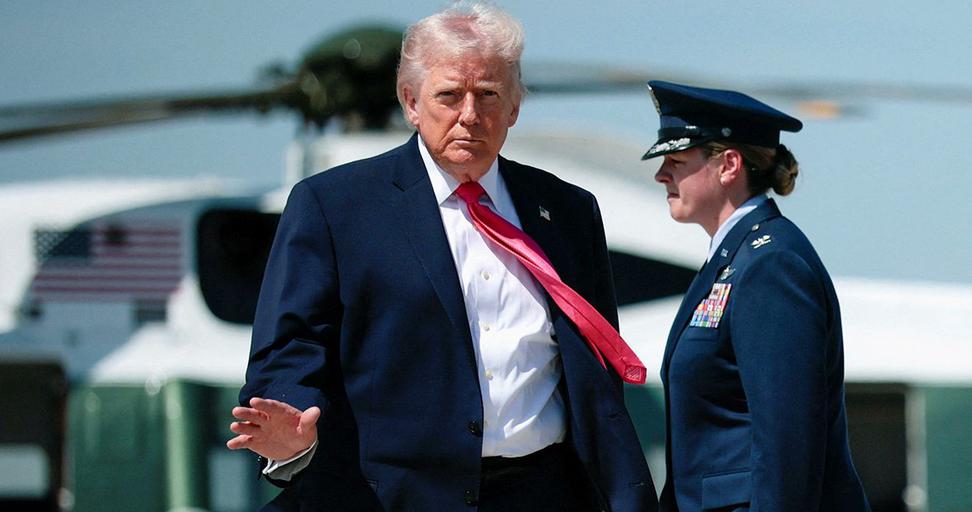
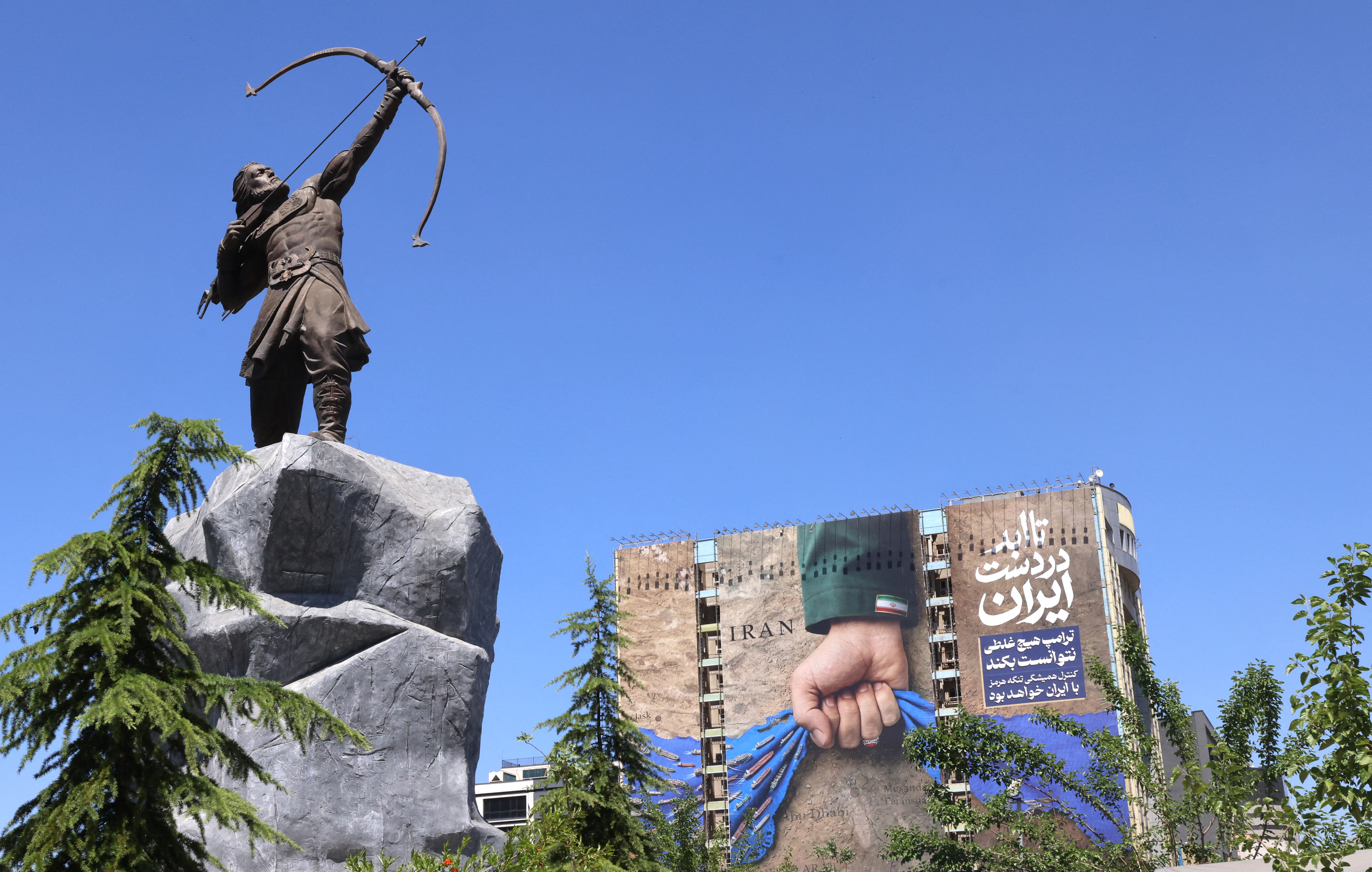
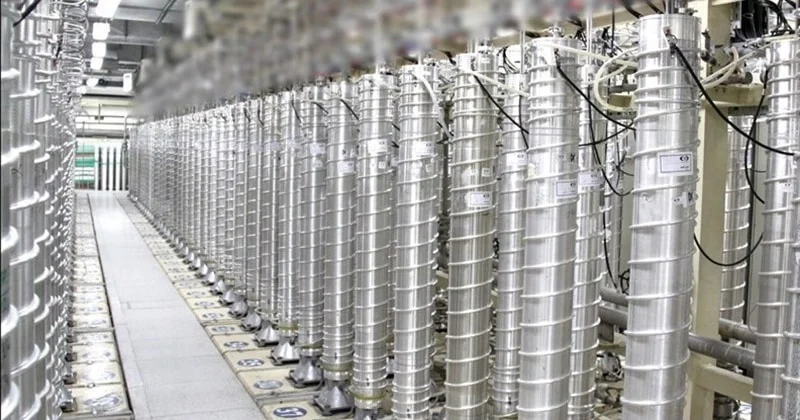
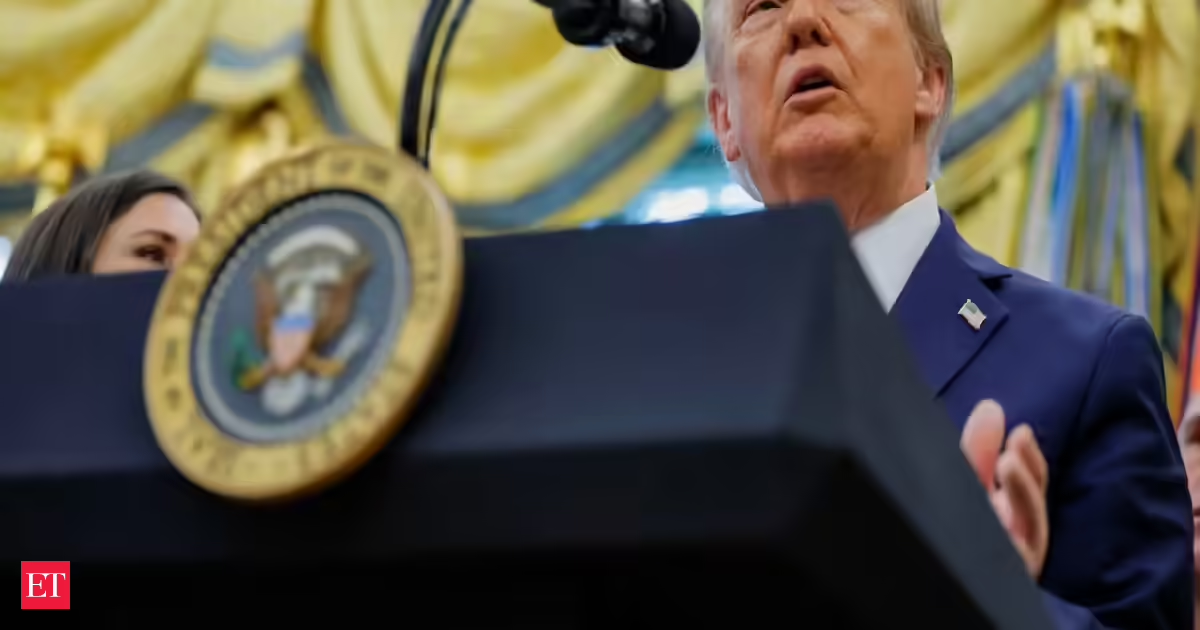
President Donald Trump has shared his plans to destroy Iran's enriched uranium as he seeks to iron out a peace deal between Arab states and Israel.Trump has long demanded that Iran cease operations of its nuclear program as part of any peace deal - and on Monday he revealed how he seeks to get rid of the enriched uranium the country has already produced.The country is said to have a stockpile of about 970 pounds of uranium enriched to about 60 percent, according to the International Atomic Energy Agency. 'The Enriched Uranium (Nuclear Dust!) will either be immediately turned over to the United States to be brought home and destroyed or, preferably, in conjunction and coordination with the Islamic Republic of Iran, destroyed in place or, at another acceptable location, with the Atomic Energy Commission, or its equivalent, being witness to this process and event,' he posted on his Truth Social platform. Military planners have developed options for Trump to bomb Iran's nuclear stockpile, most of which is thought to be held at the Isfahan nuclear site, according to The New York Times. Among those options was hitting Isfahan with bunker-busting bombs to try to destroy the stockpile underground.Following those conversations, the president said on Saturday that the US was close to reaching an agreement with Iran to end the war and reopen the vital Strait of Hormuz waterway, through which one-fifth of the world's oil supply traverses. President Donald Trump has revealed his plans to destroy Iran's enriched uranium Trump posted on Monday how exactly he seeks to get rid of the enriched uranium Iran has already producedUS officials said a general statement from Iranian leaders that they will commit to giving up its nuclear stockpile is critical to that deal. Otherwise, negotiations will cease and the US will continue its bombing campaign.By Sunday, Iranian leaders agreed in principle to dispose of the highly-enriched uranium, a senior Trump administration official told CBS News. The deal agreed to in principle would be a two-step process, with the immediate reopening of the Strait of Hormuz in exchange for lifting a US naval blockade.Only after that is completed would the two sides negotiate on a mechanism for Iran to give up various parts of its nuclear program, the senior official said.Iranian Foreign Ministry spokesperson Esmaeil Baqai also said Monday that the fate of Iran's nuclear material has not been part of the peace talks as of yet, as the 'focus of the negotiations is on ending the war... at this stage,' according to the Associated Press.But there was some hope on Sunday when Iranian President Masoud Pezeshkian told state media that his country was ready to 'assure the world that we are not after a nuclear weapon.' The US previously struck the Isfahan facility where authorities believe Iranian officials are holding their stockpile of enriched uraniumYet a deal may still be stalled, after Trump reportedly told leaders of Arab countries that he would only broker a peace deal with Iran to reopen the Strait of Hormuz if they normalize relations with Israel. The most powerful leaders in the Middle East, including those from Saudi Arabia, Qatar, Turkey, and Egypt, joined the President on a conference call on Saturday to discuss progress toward ending the US-Iran war and reopening the vital oil passageway. In return, Trump pressed the leaders to normalize ties with Israel, a demand aimed at nations that have opposed the Jewish state since its founding in 1948.Arab leaders were so stunned by the demand that they refused to respond, remaining entirely silent on the call, according to Axios. With the silence unbroken, Trump ended the call by announcing that his envoys Jared Kushner and Steve Witkoff would follow up on Israel normalization in the weeks ahead.Meanwhile, Iran's top negotiators and financial chiefs arrived in Doha on Monday for continued peace talks on unfreezing billions of dollars of the regime's assets, according to AFP.Oil fell to its lowest price in more than a month on hopes of a deal, with global benchmark Brent crude dropping to $97 per barrel.