By euronews
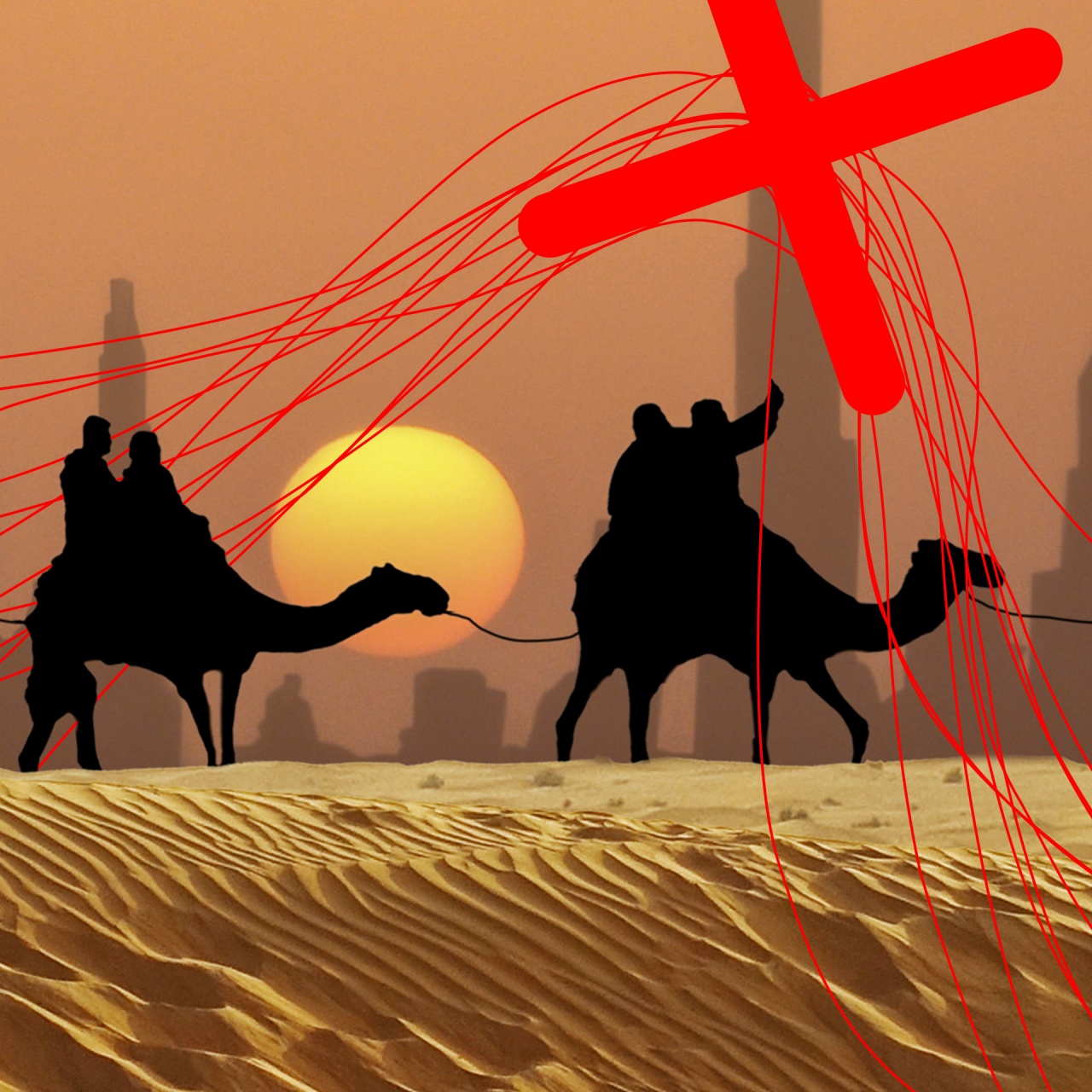
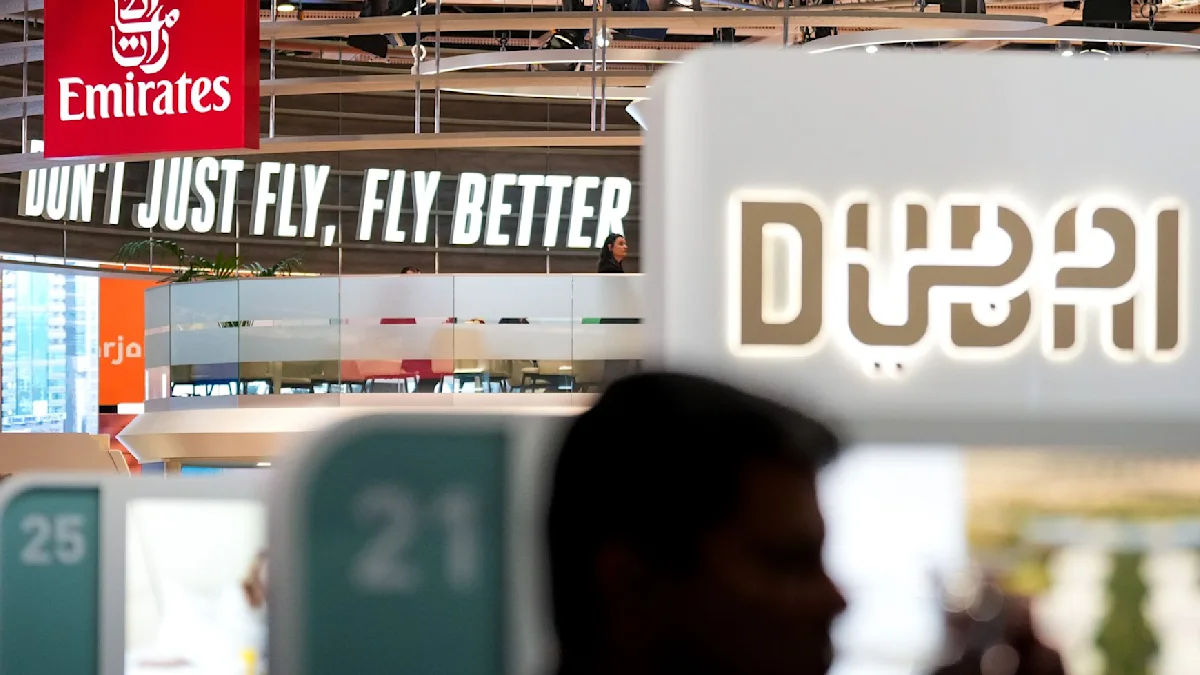
The outbreak of the war with Iran is likely to have left a lasting impression on German holidaymakers. Thousands of travellers were stranded in Dubai, for example, anxiously waiting for days for their return flights. Connections between Asia and Europe were also affected. Air strikes in the confrontation between Iran and Hezbollah on the one hand and the United States, Israel and their allies on the other had already begun. In March, Iranian missiles landed in the sea next to a cruise ship in Abu Dhabi in the United Arab Emirates. Many will have wished at the time that they had spent their holiday closer to home.
Future attacks could also once again disrupt air traffic. Moreover, the blockade of the Strait of Hormuz has not only pushed up the price of oil. The availability of jet fuel is under close observation. Flights could become more expensive, as could package holidays that have already been booked.
For destinations in Germany, the federal government’s tourism commissioner sees this as a welcome opportunity:
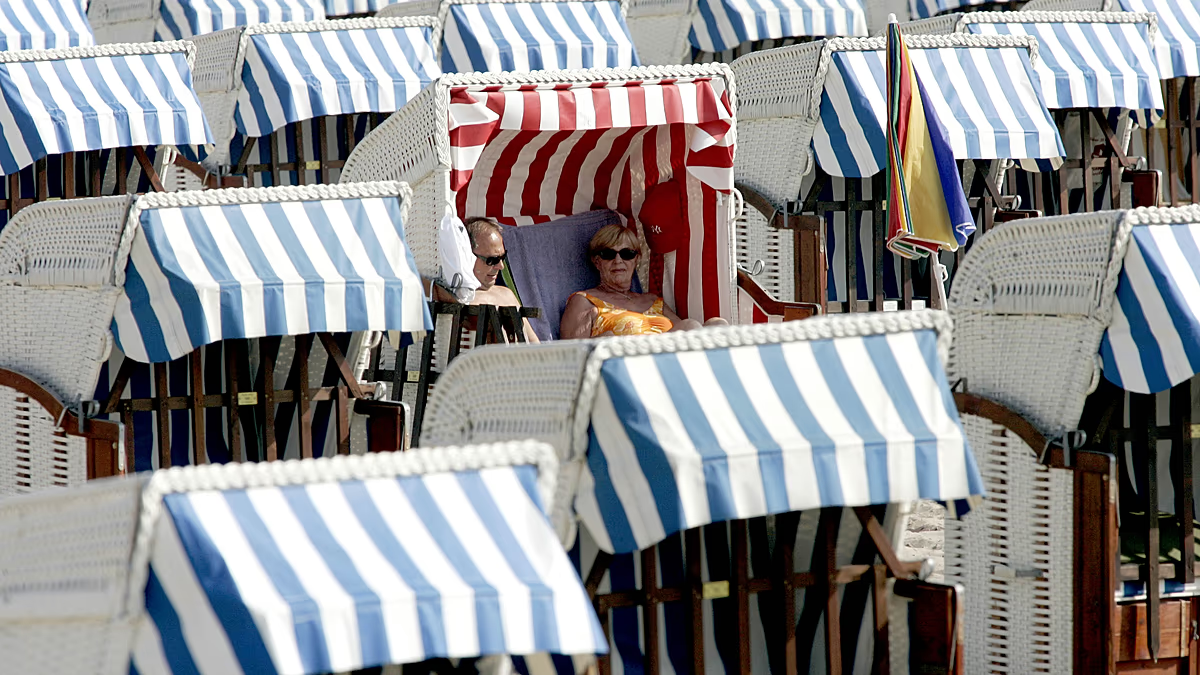
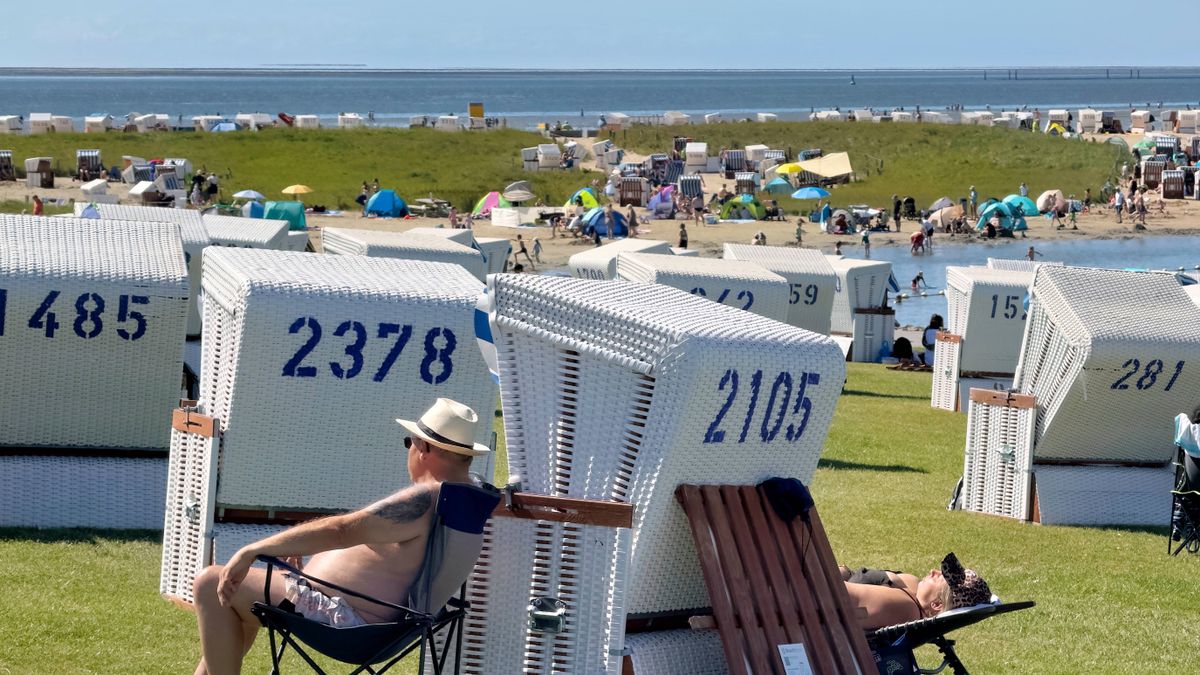
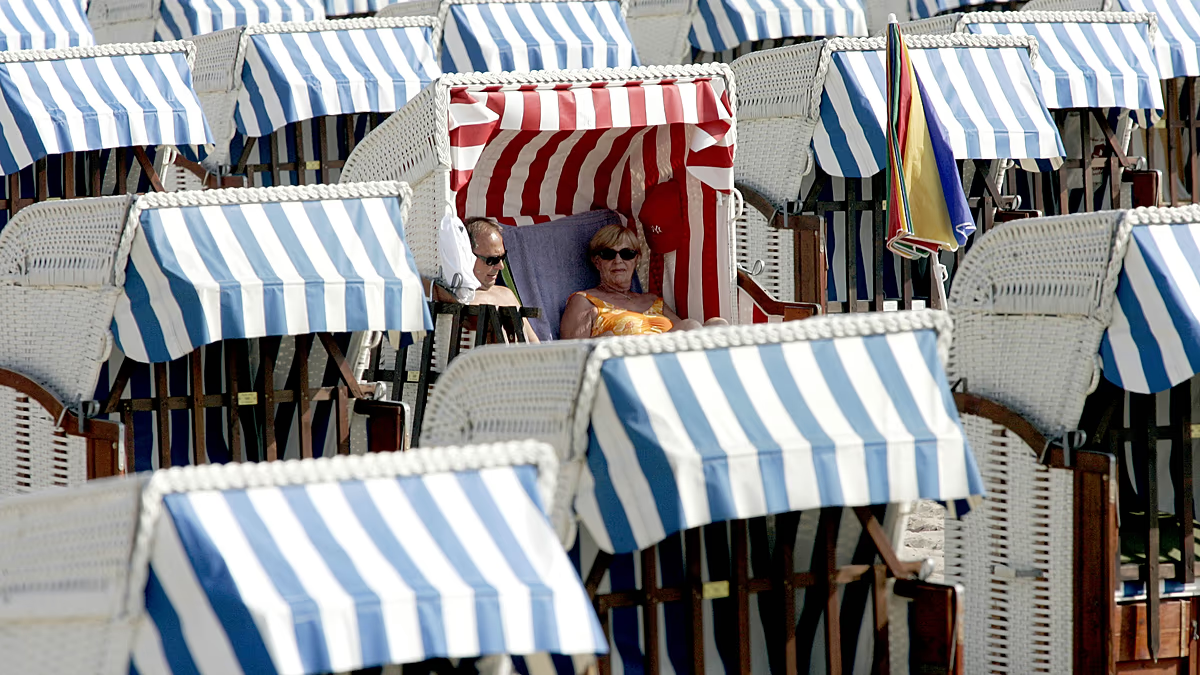
“As severe as the impact of the crisis in the Middle East is for many sectors, it also opens up opportunities for tourism in Germany,” said CDU politician Christoph Ploß in an interview with newspapers in the Funke media group, according to spiegel.de. A particular increase in bookings and “even stronger demand than in previous years” is expected at the beaches along the North Sea and Baltic Sea.