The war in Iran has dashed hopes for economic growth. Germany's pension and healthcare systems are also feeling the strain.
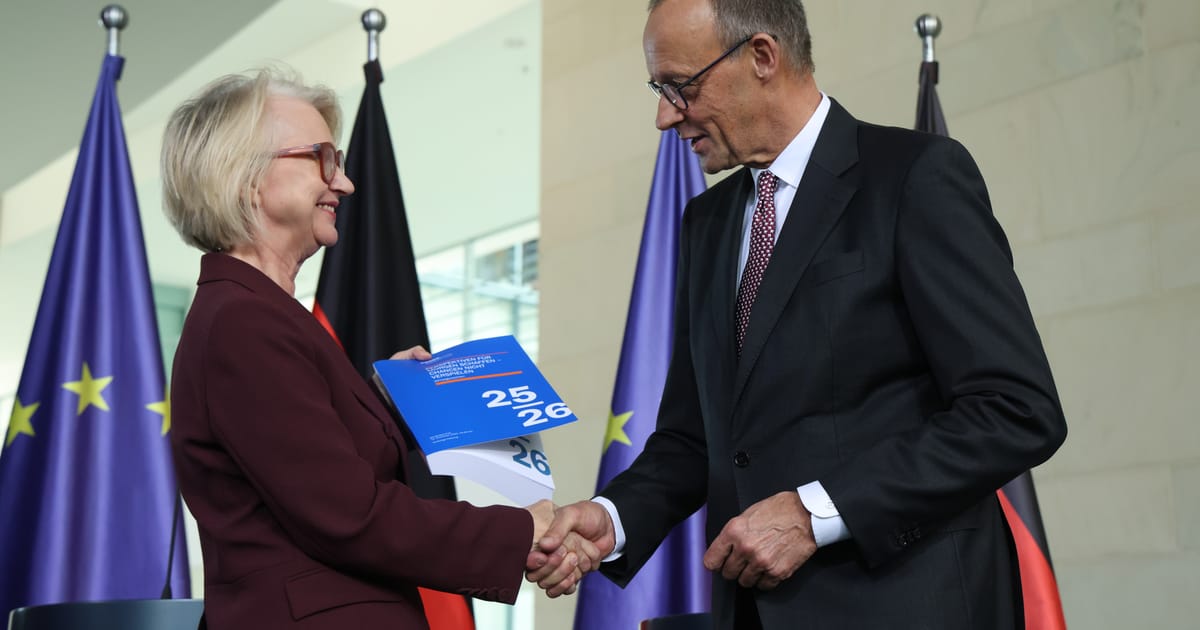
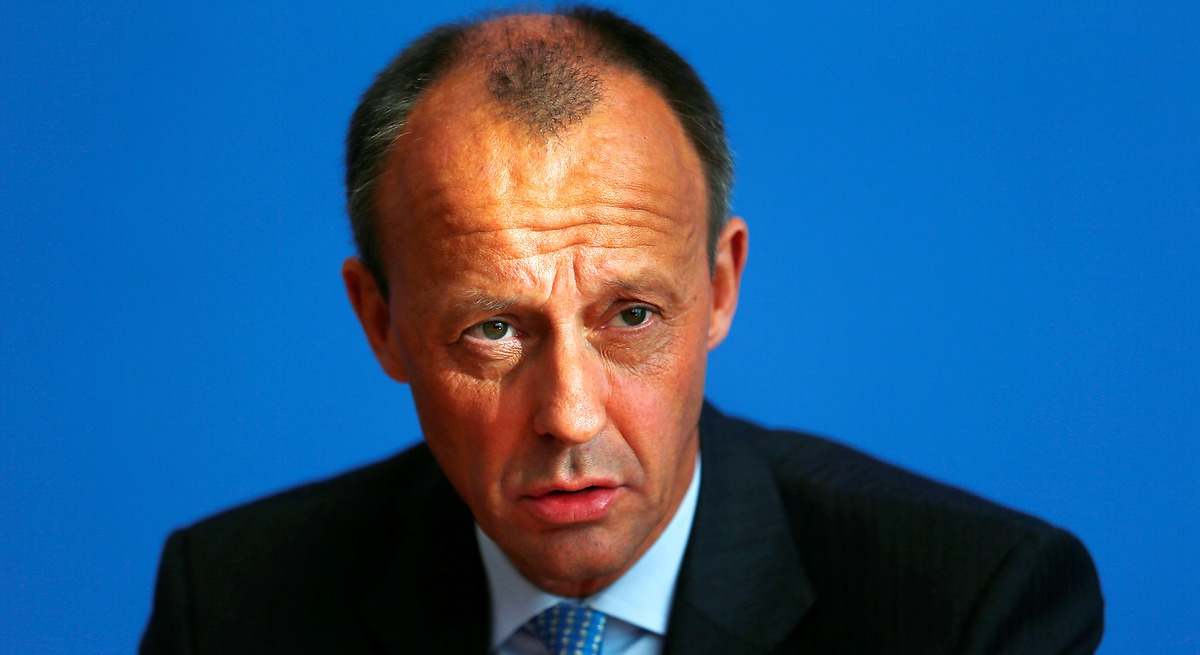
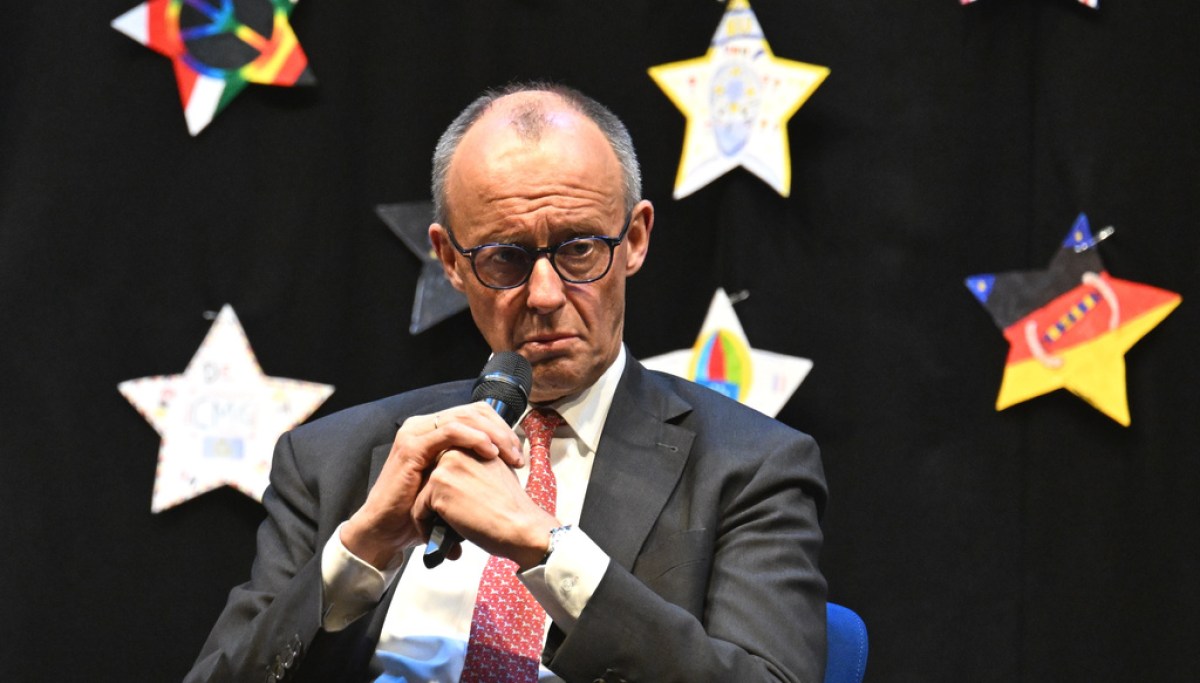
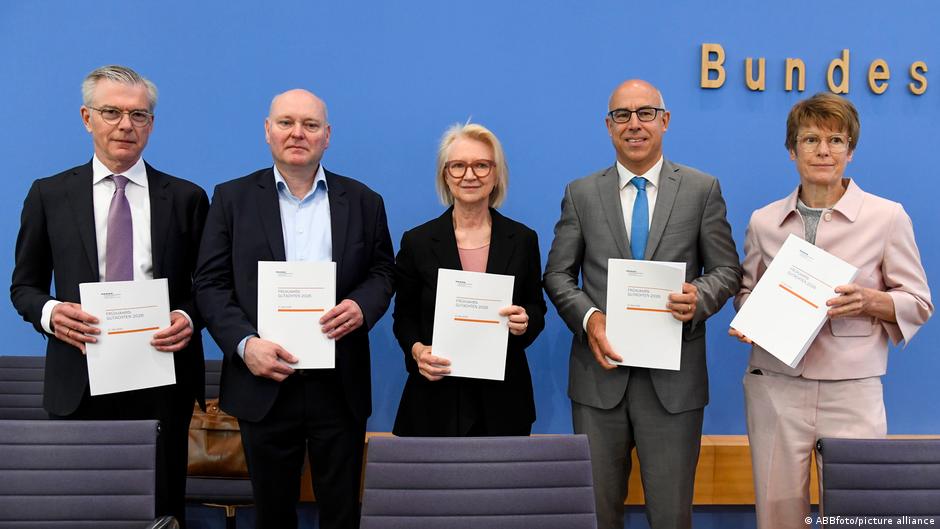
It was certainly not a joyful meeting for Chancellor Friedrich Merz: On Wednesday (May 27), the chancellor and several ministers from his cabinet met with the five economics professors who make up the German Council of Economic Experts — an independent advisory body to the federal government.
The Council's latest report provides no cause for the German government to celebrate. On the contrary, it underscores just how poor the state of the German economy is.
"Unfortunately, we've had to lower the growth forecast we gave in this year's report," said Chairwoman Monika Schnitzer ahead of the meeting at the Chancellery. "We now expect the gross domestic product (GDP) to grow by just 0.5% this year and 0.8% next year."
The GDP measures the total value of all goods and services produced, and serves as the measure of a country's economic strength. Meanwhile, the inflation rate — that is, the rise in prices — is expected to climb to 3% in 2026.