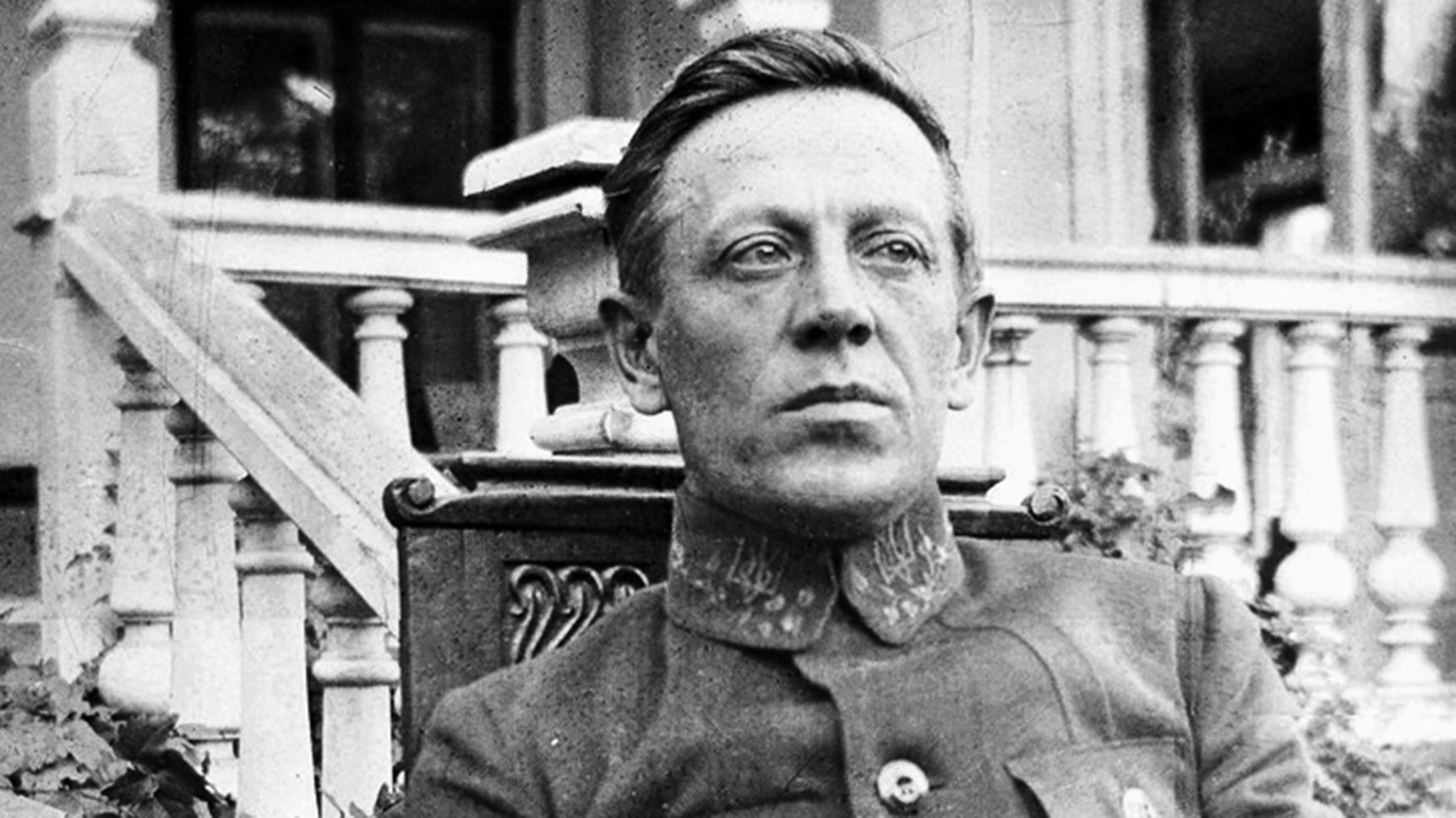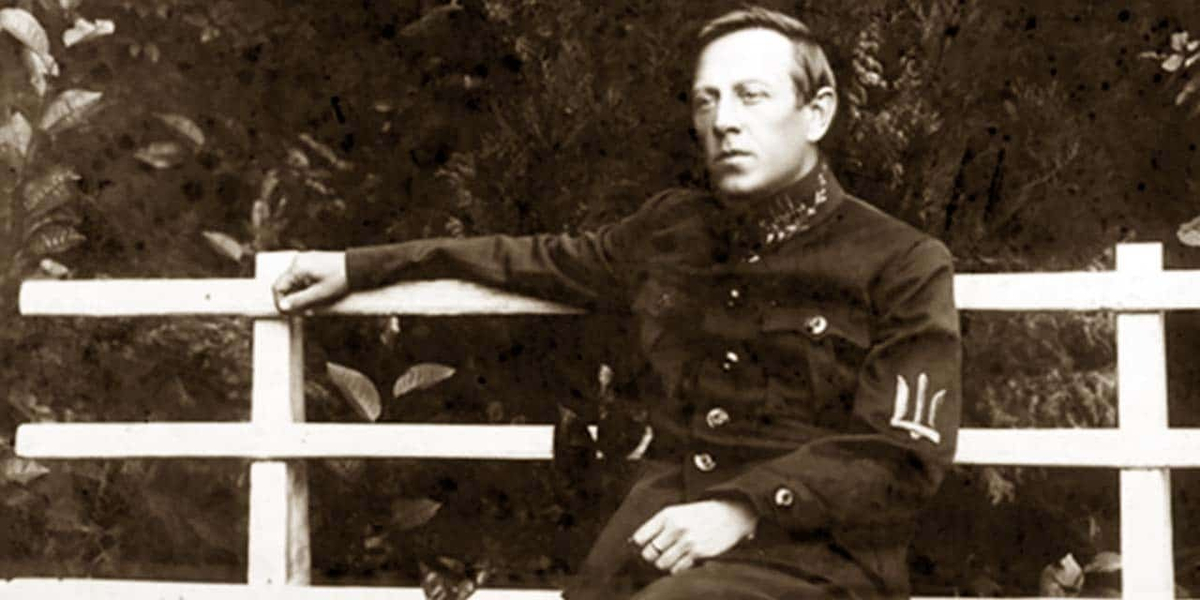
On a spring afternoon in Paris, May 25, 1926, a Jewish watchmaker named Sholem Schwarzbard approached a middle-aged man browsing books at a sidewalk stall on the Rue Racine in central Paris. He drew a revolver and fired five shots into the back of Ukrainian national leader in exile, Symon Petliura. Schwarzbard did not run. He remained on the spot and told the police he had killed a murderer.JOIN US ON TELEGRAMFollow our coverage of the war on the @Kyivpost_official. Genuine vengeance or staged political theatre inspired by Moscow? Schwarzbard claimed he was avenging the dead. During Ukraine’s armed struggle for independence, which occurred while Russia’s “Civil War between Reds and Whites” was happening, thousands of Jews were murdered in pogroms – massacres perpetrated by multiple forces: White Russian armies, Bolshevik Red Army detachments, disparate Ukrainian nationalist units, and independent gangs exploiting the chaos. Yet Schwarzbard’s assassination and subsequent trial deliberately crystallized blame on Petliura’s name alone, making him the face of the entire catastrophe. To Ukrainians, Petliura was a visionary leader who commanded the armies of the short-lived Ukrainian National Republic in its desperate struggle for independence against Bolshevik conquest. He was certainly no extremist or anti-Semite. A democrat, socialist, journalist, literary scholar, symbol of resistance against Russian imperialism, in 1918, he even led a revolt against the brief German-backed conservative Ukrainian government of Hetman Pavlo Skoropadsky.
A Century After His Assassination, Petliura Awaits Justice and Recognition
Time to do justice to the memory of one of Ukraine’s major modern leaders and to bring him home, in all senses.
1,366 words~6 min read